Table of Contents >> Show >> Hide
- What Are “COVID Toes”?
- Are COVID Toes Actually Caused by COVID-19?
- Other COVID-Related Rashes: The Main Types
- Who Gets COVID Toes or COVID Rashes?
- Timing: When Do These Skin Symptoms Show Up?
- How to Tell if Your Rash Might Be COVID (or Something Else)
- What You Can Do at Home
- When to Call a Doctor (and When to Seek Urgent Care)
- COVID Toes vs. Chilblains: What’s the Difference?
- What About Vaccine-Related Rashes?
- Do COVID Rashes Mean a More Severe Case?
- Frequently Asked Questions
- Experiences People Report: What “COVID Toes” and COVID Rashes Can Feel Like (500+ Words)
- Experience #1: “I felt basically fine… then my toes freaked out.”
- Experience #2: “My kid’s rash made me think of a dozen different things.”
- Experience #3: “The rash wasn’t the worst partthe uncertainty was.”
- Experience #4: “It got better… slowly… and I learned patience I didn’t ask for.”
- Experience #5: “Turns out it wasn’t COVIDmy skin had other plans.”
- Bottom Line
If you’ve ever looked down at your feet and thought, “Why do my toes look like they just joined a purple tie-dye club?”welcome to the confusing world of
COVID toes and other COVID-related rashes. The short version: some people with COVID-19 (or around the time they’re sick)
notice strange skin changesespecially on toes, fingers, or across the trunkranging from itchy bumps to hive-like welts to measles-ish blotches.
The longer version (the one you actually came for): rashes can happen with lots of viral infections, and COVID-19 is no exception. But “COVID toes” became a
headline magnet because it looked dramatic, showed up in people who otherwise felt fine, and sparked a scientific debate that’s still not fully settled.
This guide breaks down what these rashes can look like, what might cause them, what you can do at home, and when it’s time to call a clinician.
(Spoiler: if your toes are painful, turning black, or you’re short of breath, don’t “wait and see.”)
Important note: This article is educational and not a substitute for medical advice. If you’re worried, contact a healthcare professional.
What Are “COVID Toes”?
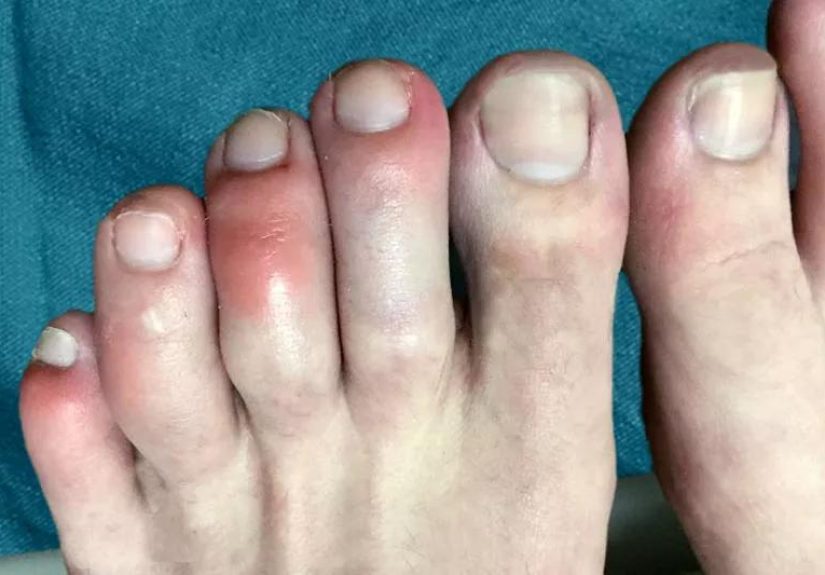
“COVID toes” is a nickname for pernio-like (chilblain-like) lesionstender or itchy patches and bumps that usually show up on the toes
(sometimes fingers). They can look pink, red, purple, or reddish-brown, and they may come with swelling, pain, burning, or blisters. In lighter skin tones,
they may start bright red and deepen toward purple; in darker skin tones, they may appear more violaceous (purple-ish) or as darker spots with swelling.
What they typically look and feel like
- Color change: pink/red/purple or brownish-purple patches or spots
- Swelling: one toe or several toes may puff up
- Texture changes: raised bumps, rough patches, sometimes blistering
- Sensations: itching, tenderness, burning, or pain
The tricky part: classic chilblains (pernio) can also happen from cold, damp exposurethink winter toes, tight shoes, and poor circulation.
COVID toes may mimic that look even when it isn’t cold outside (which is part of why the diagnosis can be messy).
Are COVID Toes Actually Caused by COVID-19?
Here’s where the plot thickens. Early in the pandemic, clusters of chilblain-like lesions appeared during COVID waves, often in kids, teens, and young
adults. That timing made COVID a prime suspect. But many people with “COVID toes” tested negative on standard COVID tests, including antibody tests in some
studies. That led to a serious question: is this always a COVID effector sometimes a pandemic-era look-alike?
Why scientists think COVID could be involved
Researchers have proposed several mechanisms:
-
Immune response theory: A strong early antiviral response (including interferons) might trigger inflammation in small vessels near the skin,
creating chilblain-like lesionssometimes even when the virus is no longer easily detected. -
Microvascular injury theory: COVID can affect blood vessels and clotting pathways in some people. Skin, especially toes and fingers, is
full of tiny vessels that may show changes when blood flow or inflammation is altered. - Delayed timing: Lesions can appear lateafter other symptoms resolveso a test might be negative by the time the toes show up.
Why some experts are skeptical
Other data points raise doubts:
- Testing mismatch: Many cases never show lab confirmation of infection.
-
Behavior changes: More time barefoot at home, less movement, cooler floors, and stress could potentially contribute to “pandemic chilblains”
that look like COVID toes but aren’t caused by infection. -
Not a consistent symptom: As the pandemic evolved, “COVID toes” seemed to become less common as a headline symptom, even while infections
continued.
The practical takeaway: COVID toes can happen around COVID infection, but the sign is not perfect and not exclusive to COVID. It’s best
treated as a cluenot a diagnosis.
Other COVID-Related Rashes: The Main Types
COVID-19 has been associated with several rash patterns. If “COVID toes” is the celebrity, these are the supporting castoften more common and more likely to
resemble other everyday viral rashes.
1) Morbilliform (measles-like) rash
This is a widespread, blotchy rash with flat and slightly raised areas (macules and papules). It may show up on the trunk and spread. It can itch. It also
happens with many other viral infectionsand can be triggered by medicationsso it’s not uniquely “COVID.”
2) Urticaria (hives)
Hives are itchy, raised welts that can come and go quickly. They may appear during acute illness and can be triggered by viral infection, stress, or meds.
The key hive clue is that individual spots often shift location and change shape within hours.
3) Vesicular (small blister-like) eruptions
Some people develop tiny fluid-filled blisters that can resemble chickenpox. These can appear earlysometimes before other symptomsor alongside them.
4) Livedoid or “net-like” discoloration (vascular-pattern rashes)
A lace-like or net-like pattern (sometimes called livedo) can reflect changes in blood flow near the skin’s surface. This pattern has been reported in some
COVID cases, especially in more severe illness, but it can also occur for other reasons. Because vascular-pattern changes can overlap with more serious
circulation issues, persistent or painful livedoid changes deserve medical attention.
5) Purpura/petechiae (purple spots) and other less common patterns
Small purple dots (petechiae) or larger purple patches (purpura) can have many causessome benign, some urgentranging from medication effects to platelet
problems. If purple spotting is new, widespread, or comes with fever, bruising, bleeding, or feeling very ill, get evaluated promptly.
Who Gets COVID Toes or COVID Rashes?
Reports early in the pandemic suggested COVID toes were seen more in children, teens, and young adults, often with mild or
even absent respiratory symptoms. Other rash types (like morbilliform rashes and hives) have been reported across ages.
People with a history of eczema, psoriasis, allergies, or sensitive skin may notice flare-ups during illness or stress, which can muddy the
“is this COVID?” question. And sometimes the rash isn’t from the virus at allit’s from a medication started during the illness.
Timing: When Do These Skin Symptoms Show Up?
COVID symptoms typically appear within days of exposure (often a few days, and up to about two weeks). Skin findings can:
- Show up early (sometimes before classic symptoms)
- Appear during acute illness
- Arrive late (after other symptoms improve)
- Occasionally linger in some people
“COVID toes” in particular may appear later and can persist for days to weeks; some reports describe longer-lasting cases. Most mild rashes tend to fade on
their own, but the timeline can vary depending on the rash type, your immune response, and whether there’s another trigger involved.
How to Tell if Your Rash Might Be COVID (or Something Else)
A rash is like a smoke alarm: it tells you something is going on, but not always what started the fire. Use a simple checklist to get oriented:
Clues that make COVID more likely
- Recent known exposure to someone with COVID-19
- New respiratory symptoms (cough, sore throat, congestion) or fever
- Sudden fatigue, body aches, headache
- Other viral symptoms (GI upset, chills) occurring around the same time
Clues that suggest another cause
- Cold exposure or damp weather + toe lesions consistent with classic chilblains
- New medication within the last 1–3 weeks (drug rashes can look viral)
- Contact irritation (new soaps, detergents, shoes, adhesives, topical products)
- Chronic skin condition flare (eczema/psoriasis pattern you’ve seen before)
- Contagious rash clues (e.g., ring-shaped fungal rash, or scabies-like itching patterns)
If you suspect COVID, the most useful next step is still simple: test (if available), and follow current public-health guidance if you’re
sick. A rash alone usually can’t confirm COVID.
What You Can Do at Home
Most mild viral rashesincluding many suspected COVID rashesimprove with supportive care. The goal is comfort and skin protection while you watch for red
flags.
Comfort-first basics
- Don’t scratch (easy to say, hard to do). Scratching can break skin and invite infection.
- Use gentle skin care: fragrance-free cleanser, lukewarm showers, thick moisturizer.
- Cool compresses can soothe itching or burning sensations.
- Protect toes/fingers: warm socks, roomy shoes, avoid pressure and friction.
- Take photos once daily in similar lighting. It helps you track changes (and helps clinicians if you seek care).
Over-the-counter anti-itch products may help some people, but if symptoms are significantespecially in children and teenscheck with a clinician or
pharmacist to choose a safe option. If you’re already taking medicines for other conditions, get advice before adding new products.
When to Call a Doctor (and When to Seek Urgent Care)
Many rashes are harmless and self-limited. But some symptoms should move you from “monitoring” to “medical evaluation.”
Call a clinician soon if you notice
- A rash that lasts more than 1–2 weeks without improvement
- Significant pain (not just mild tenderness)
- Spreading redness, warmth, pus, or swelling suggesting skin infection
- New rash after starting a new medication
- Rash with recurring fever, fatigue, or symptoms that are escalating
Get urgent evaluation if you have
- Toes/fingers turning very dark, gray, or black (possible severe circulation issue)
- Severe swelling, numbness, or inability to move toes/fingers normally
- Shortness of breath, chest pain, confusion, fainting, or severe weakness
- A child with persistent fever + rash + severe fatigue, belly pain, vomiting, or other concerning symptoms
Especially for kids: COVID can (rarely) be associated with serious inflammatory syndromes. A rash plus high fever and significant systemic symptoms should be
assessed promptly.
COVID Toes vs. Chilblains: What’s the Difference?
Classic chilblains (pernio) usually follows cold exposure and tends to flare in cold, damp seasons. “COVID toes” may occur without cold
triggers and may be tied to immune or vascular changes related to infection. Clinically, they can look extremely similarso history matters:
temperature exposure, footwear habits, circulation issues, autoimmune history, and recent illness all help clinicians sort it out.
What About Vaccine-Related Rashes?
Vaccines can cause skin reactions toomost famously a delayed red, itchy, swollen patch near the injection site (“COVID arm”). These reactions are typically
temporary and not the same as COVID toes. If a rash appears after vaccination and you’re unsure what it is (or it’s severe), check in with a clinician.
Do COVID Rashes Mean a More Severe Case?
Not necessarily. Some early reports suggested chilblain-like lesions were more common in younger people with mild disease. Other vascular-pattern skin
changes have been described in more severe illness. But skin findings alone usually can’t predict severity reliably. The most important predictors are still
your overall symptoms and vital signsbreathing, oxygenation, hydration, and how you’re functioning day to day.
Frequently Asked Questions
How long do COVID toes last?
Many cases improve within a couple of weeks, but duration varies. Some people report symptoms lasting longer. If lesions persist, worsen, ulcerate, or become
very painful, get medical advice.
Are COVID toes contagious?
The lesions themselves aren’t “contagious,” but if they occur with COVID infection, the virus can be. If you’re sick or suspect COVID, follow testing and
current public-health recommendations to reduce spread.
Can a rash be the only symptom of COVID?
It can happen, but it’s uncommon, and many other conditions can cause rashes. That’s why testing and symptom context matter.
Should I see a dermatologist?
If the rash is persistent, unusual, painful, blistering, or you’re unsure what it is, a dermatologist (or primary care clinician) can help confirm the
diagnosis and rule out look-alikes.
Experiences People Report: What “COVID Toes” and COVID Rashes Can Feel Like (500+ Words)
Because skin symptoms can look dramatic but feel deceptively “not that bad,” people often describe a weird mismatch between what they see and how they feel.
Below are examples of commonly reported experiencesshared in clinics, telehealth visits, and patient storiespresented as composite scenarios (not individual
medical cases). The point isn’t to diagnose; it’s to help you recognize patterns and know when to seek care.
Experience #1: “I felt basically fine… then my toes freaked out.”
One common storyline goes like this: someone has mild cold-like symptoms (or none they can name), and later notices toes that look bruised, swollen, or
patchy purple. The toes may itch at night, feel tender in shoes, or burn after a warm shower. People often say they first assume it’s a shoe problem, a new
detergent, or a random allergic reactionuntil they remember they were recently around someone who tested positive. Sometimes they test and it’s positive.
Sometimes it isn’t. Either way, the anxiety spike is real, because toes don’t usually change color for fun.
Experience #2: “My kid’s rash made me think of a dozen different things.”
Parents often describe a mental game of medical bingo: “Is it eczema? Is it hand-foot-and-mouth? Is it an allergy? Is it the new socks?” Children can also
have rashes from ordinary viruses, and that overlap is one reason COVID rashes are tough to label. In many mild cases, kids stay energetic and the rash fades
with basic skin care. But parents also describe a different kind of worry when rash shows up with persistent fever, exhaustion, belly pain, or just a child
who seems “not like themselves.” That combination is the moment when it’s smart to stop Googling and start calling a clinician.
Experience #3: “The rash wasn’t the worst partthe uncertainty was.”
A lot of people say the most stressful part is not knowing whether the rash is “just skin” or a sign of something bigger. That’s especially true when the
pattern looks vascularlace-like discoloration, purplish patches, or spots that don’t blanch (fade) when pressed. People describe repeatedly checking their
toes for warmth, pinching them to see color return, and comparing photos from day to day like they’re running a tiny dermatology time-lapse project.
Telehealth visits often help here: a clinician can ask the right questions (cold exposure, new medications, pain level, fever, other symptoms) and decide
whether watchful waiting is safe or whether an in-person exam is needed.
Experience #4: “It got better… slowly… and I learned patience I didn’t ask for.”
When symptoms are mild, many people report gradual improvement: swelling decreases, color fades from purple to red to normal, and itching becomes occasional.
But the timeline can feel slow, especially if you’re used to rashes disappearing in two days. People often say they felt better once they focused on comfort:
breathable socks, roomy shoes, gentle moisturizers, and avoiding friction. Some also report that stress and poor sleep made itching feel worsebecause of
course your immune system loves drama when you’re exhausted.
Experience #5: “Turns out it wasn’t COVIDmy skin had other plans.”
Another very real experience: someone assumes it’s COVID rash, but the culprit is something elsean antibiotic reaction, contact dermatitis from a new
product, a fungal infection, or classic chilblains after lots of cold exposure. The best “lesson learned” people share is that the label matters less than
the safety checks: monitor for red flags, test if you have COVID symptoms or exposure, and get evaluated when the rash is severe, persistent, or confusing.
In other words, your skin is allowed to be weirdbut it shouldn’t be weird in a way that puts you at risk.
Bottom Line
COVID toes and COVID-related rashes can look alarming, but many cases are temporary and improve with supportive care. The hard truth (and the helpful truth)
is that a rash is rarely a standalone diagnosis. If you have other COVID symptoms or known exposure, testing can clarify next steps. If the
rash is painful, worsening, blistering, associated with serious symptoms, or not improving over time, don’t tough it outget medical guidance.