Table of Contents >> Show >> Hide
- Why Grey and White Stripes Work So Well in a Nursery
- What Is RA 127 and How Does It Fit In?
- Planning Your Grey and White Striped Accent Wall
- Choosing Paint: Greys, Whites, and Finishes
- Furniture and Layout Inspired by the Remodelaholic Nursery
- Color Accents: Teal, Elephants, and More
- Storage, Organization, and Real-Life Function
- Lighting and Safety Considerations
- 500+ Words of Real-Life Experience: Living With a Grey and White Striped Nursery
Grey and white striped nurseries have become a modern classic: calm enough for midnight feedings,
stylish enough for Instagram, and neutral enough that you’re not repainting the room the moment your
baby develops an opinion. The original “Grey and White Striped Nursery and RA 127” on Remodelaholic
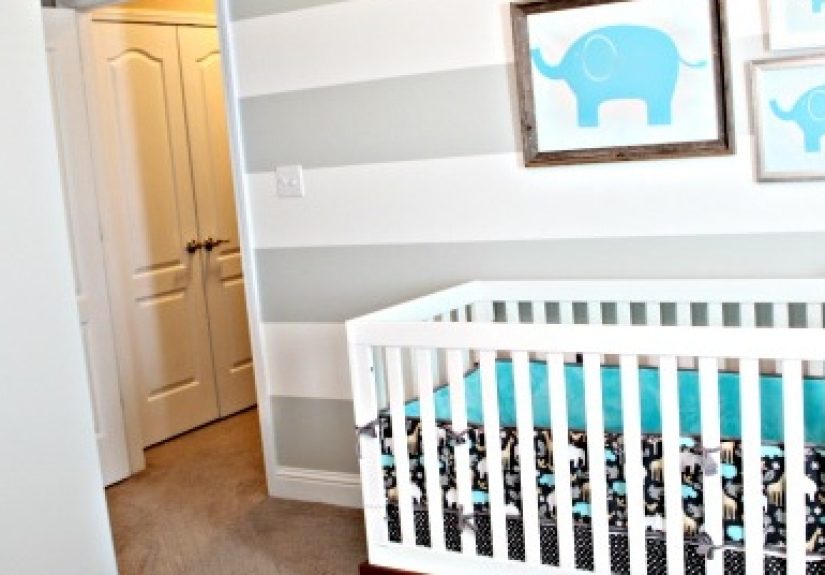
captured that magic with wide horizontal stripes, crisp white furniture, and cheerful teal accents.
In this guide, we’ll break down how to recreate that look in your own home, from choosing paint colors
like RA 127 to layering textiles, storage, and playful elephant details that grow with your child.
Why Grey and White Stripes Work So Well in a Nursery
Designers love grey and white nurseries because they’re soothing, flexible, and timeless. Soft grays
paired with bright whites create a calm backdrop that works with almost any accent color, from pastel
pinks and mint greens to bold teal and mustard.
In a room you’ll likely spend a lot of late nights in, that serene base is worth its weight in coffee.
Stripes add just enough pattern to keep the room interesting without overwhelming your baby’s senses.
Wide, horizontal stripes visually widen a room, making compact nurseries feel larger and airier.
When you stick to two simple neutralsgrey and whiteyou get the graphic punch of pattern with the
calm of a neutral palette.
Grey and white stripes also lean naturally gender-neutral. Whether you’re planning for a surprise,
decorating a shared sibling room, or just want a look that won’t feel dated when your baby outgrows
the nursery stage, this scheme is one of the most versatile options out there.
What Is RA 127 and How Does It Fit In?
In the original Remodelaholic feature, “RA 127” refers to a specific grey paint color used as part of
the striped wall treatment. While different manufacturers use their own numbering systems, RA 127
represents a soft, mid-tone grey that’s warm enough to avoid feeling cold but still light enough to
keep the room bright.
If you can’t access the exact RA 127 formula locally, look for similar greige or pale gray shades
known for nursery-friendly vibescolors with just a touch of warmth and no harsh blue undertones.
Many popular neutral grays from major paint brands are designed to create a calm, welcoming
environment that pairs beautifully with crisp white trim and furniture.
The key is contrast and softness at the same time: RA 127 or a similar gray should be just dark enough
that the white stripes read clearly, but not so dark that the wall feels heavy. Think “soft shadow”
rather than “storm cloud.”
Planning Your Grey and White Striped Accent Wall
Choose the Right Wall
Most designers and DIYers choose one main accent wallusually the wall behind the cribto carry the
stripes. This focuses attention on the crib, keeps the room from feeling too busy, and makes the
painting project manageable. Grey and white accent walls behind a crib or changing table are a common
choice in real-life nursery makeovers and inspiration galleries.
If the nursery is small or has odd angles, you can also wrap the stripes around a corner to visually
widen the space. Project showcases and design blogs often show stripes continuing around adjacent
walls to create a cozy “striped cocoon” effect.
Horizontal vs. Vertical Stripes
The original “Grey and White Striped Nursery and RA 127” uses wide horizontal stripes, which are
especially flattering in smaller rooms. Horizontal stripes help elongate the wall and give the space a
relaxed, modern feel.
Vertical stripes, on the other hand, can make low ceilings appear taller. If your nursery feels a bit
squat or basement-like, carefully spaced vertical stripes in grey and white can draw the eye upward and
add elegance. Striped wallpapers and murals in nursery collections frequently use both directions, so
you can choose the one that best solves your room’s proportions.
How Wide Should the Stripes Be?
For a nursery, wide stripesaround 10 to 14 inchestend to look more sophisticated and less busy than
skinny stripes. Many of the most-loved grey striped nurseries showcase broad, even bands that feel like
a gentle hug rather than barcode chaos.
To plan your stripes:
- Measure the full height of the wall from baseboard to ceiling.
- Decide how many stripes you want (odd numbers look balanced, like seven or nine stripes).
- Divide the total height by that number to get the stripe width.
- Use a level and painter’s tape to mark crisp, straight lines.
Don’t forget to alternate which side of the tape you paint on to keep all stripes the same width. A
little math now saves a lot of “why is this one stripe chunkier than the rest?” later.
Choosing Paint: Greys, Whites, and Finishes
Neutral nursery palettes have exploded in popularity, with parents gravitating to soft grays, warm
beiges, and muted whites for their calming effect.
For a grey and white striped nursery, you’ll pick two specific tones:
- The Grey Stripe (RA 127 or similar): Look for a pale to mid-tone grey with subtle warmthoften called “greige.” Avoid cool, blue-heavy grays, which can feel cold under LED or north-facing light.
- The White Stripe: A soft, slightly warm white will keep the room from feeling clinical. Steer clear of stark, icy whites unless you’re going for a very sharp, modern look.
Many interior designers recommend low-VOC or zero-VOC paints for nurseries to keep indoor air quality
healthy for babies and exhausted adults alike.
You’ll also want an eggshell or matte finish on the walls to hide imperfections but still allow gentle
wipe-downs of mystery smudges.
Furniture and Layout Inspired by the Remodelaholic Nursery
Crisp White Crib and Hand-Me-Down Charm
In the Remodelaholic grey and white striped nursery, a simple white crib pops against the stripes,
giving the whole room a fresh and modern look.
Most of the furniture in that room was hand-me-down or refurbisheda reminder that you don’t need a
designer budget for a designer look.
Consider:
- Painting an older dresser white and updating the hardware.
- Refinishing a bookcase and styling it with baskets and bright toys.
- Using a simple changing topper on a sturdy dresser instead of buying a separate changing table.
Real-life nursery tours often show clever reuse of existing pieces, proving that fresh paint and a few
updated details can make “college furniture” look completely nursery-ready.
The Statement Chair and Soft Textiles
One of the standout elements of the original striped nursery is a patterned rocker or glider that
instantly becomes the cozy heart of the room.
A comfortable chair with a supportive back and soft fabric is a sanity-saver for late-night soothing.
Layer in:
- A plush throw or small quilt in your accent color (teal, mustard, blush, or coral all look great with grey and white).
- A lumbar pillow for lower back support during feedings.
- A small ottoman or pouf so you’re not awkwardly balancing on tiptoes at 3 a.m.
Color Accents: Teal, Elephants, and More
The Remodelaholic nursery is famous for its teal accents and elephant motifplayful without being
cartoonish.
Pops of teal in crib bedding, wall art, and pillows bring life to the neutral stripes, while elephants
appear on wall art, toys, and even ride-on décor.
You can borrow the same formula with different accent colors:
- Teal + Elephants: Modern, slightly whimsical, and works for any gender.
- Blush + Bunny Motifs: Soft and sweet without going full bubblegum pink.
- Mustard + Woodland Animals: Trendy and cozy, especially with natural wood tones.
- Navy + Stars: A classic look that transitions easily into a big-kid space.
Design galleries for grey nurseries regularly show how a single accent colorcarried through pillows,
mobiles, and artinstantly personalizes a neutral base.
Storage, Organization, and Real-Life Function
A beautiful nursery that doesn’t function is just a museum you live in with a tiny, messy roommate.
The Remodelaholic nursery and similar spaces combine style and practicality with lots of hidden and
open storage.
Consider adding:
- Open shelving: For books, framed photos, and a few favorite toys.
- Closed storage: Baskets or bins for diapers, wipes, and the mysteriously multiplying burp cloths.
- Under-crib storage: Slim bins for extra bedding and seasonal clothing.
- Hooks or pegs: For swaddles, diaper bags, and tiny jackets.
Keeping the larger surfaces and floor space clear lets the stripes remain the star while making those
2 a.m. diaper runs less of an obstacle course.
Lighting and Safety Considerations
Grey and white nurseries look their best in good lighting, so think carefully about how you layer
light. A combination of overhead lighting, a soft lamp near the chair, and blackout curtains gives you
flexibility for playtime and naptime.
Many nursery design experts recommend warm white bulbs rather than cool daylight bulbs, which can make
grey paint look harsh or blue.
Warm lighting will keep your RA 127-inspired stripes looking cozy rather than chilly.
And of course, safety is non-negotiable:
- Anchor dressers and bookcases to the wall to prevent tipping.
- Keep cords from blinds and lamps well out of reach.
- Ensure crib placement respects safe-sleep guidelines (no heavy frames or shelves directly overhead).
500+ Words of Real-Life Experience: Living With a Grey and White Striped Nursery
Designing a grey and white striped nursery is one thing; living in it day after day with a real baby
is another. Here’s what many parents discover after they’ve actually been using a space like the
“Grey and White Striped Nursery and RA 127” for a while.
1. The Stripes Are Surprisingly Forgiving
Before painting, a lot of parents worry that stripes will highlight every bump in the wall or every
slightly crooked line. In reality, once the furniture, curtains, and art are in place, most small
imperfections completely vanish. Your baby isn’t judging your tape linesyour biggest critic is your
camera, and even that tends to be kind.
Parents who have lived with grey and white striped nurseries often report that guests are more
impressed by the overall effect than the details. They’ll say things like, “Wow, this looks like a
magazine!” rather than, “That third stripe from the top is ⅛ inch taller than the others.” If anything,
the stripes become a fun conversation starter: “Yes, we did them ourselves. No, we don’t plan on
repainting for a long time.”
2. Neutral Colors Age Really Well
One of the best parts of a neutral striped nursery is how easily it transitions as your child grows.
When the crib eventually becomes a toddler bed, you don’t have to repaint; you simply swap the bedding
and maybe a few pieces of wall art. That teal and elephant theme can give way to dinosaurs, planets, or
race cars without changing the basic wall color at all.
Some families have even turned their original grey and white striped nurseries into guest rooms or
homework nooks down the road. The stripes feel modern and stylish enough that adults are happy to
sleep there, and older kids appreciate that the room doesn’t scream “baby.” A neutral stripe pattern is
essentially a long-term investment in flexibility.
3. Accent Colors Are Easy to Swap
Parents love how a grey and white backdrop makes seasonal and developmental updates painless. When your
baby is tiny, you might lean into soft pastelsmints, blushes, or buttery yellows. As your toddler
becomes obsessed with bold primary colors, you can introduce brighter toys, rugs, and pillows without
fighting against the wall color.
The Remodelaholic nursery uses teal as the primary accent, but the same RA 127-inspired stripes also
look fantastic with coral, navy, or mustard.
Parents often mention that they’ve been able to completely change the “theme” of the room in a weekend
with nothing more than a new rug, bedding, and some affordable wall art. That kind of flexibility is
exactly what most busy families need.
4. Comfort Matters More Than Perfection
Looking back, many parents say their favorite part of the room isn’t the stripes at allit’s the chair
they spent hours rocking in, the soft lamp that kept the room dim during night feedings, or the shelf
of bedtime stories. The stripes become a lovely backdrop to those memories rather than the main
character.
That’s why it’s worth splurging, if you can, on a comfortable rocker or glider and a small side table
for drinks, burp cloths, and your phone. Even in the most beautifully styled striped nurseries, the
layout and comfort of those “parent zones” are what determine how functional the room feels at 3 a.m.
5. Cleaning and Maintenance Are Simple
Grey and white striped nurseries turn out to be surprisingly low-maintenance. Because the colors are
mid-tone and light, minor scuffs and fingerprints don’t stand out as much as they would on deep or
glossy walls. A damp cloth and mild soap usually handle most smudges.
Parents who chose washable, low-VOC paint appreciate how easy it is to touch up high-traffic areas,
especially near light switches and behind the crib. Since both colors are neutral, finding a close
match years later is much easier than trying to match a very specific bright shade.
6. You’ll Be Glad You Took Photos
Finally, one of the sweetest parts of having a carefully designed nursery like the “Grey and White
Striped Nursery and RA 127” is how beautifully it photographs. The contrast of the stripes, the pop of
accent colors, and the clean lines of white furniture make every milestone picture look a little bit
editorialwithout any special editing skills required.
Take photos of the room before your baby arrives, then again at one month, six months, and the first
birthday. You’ll see how the space evolves with more books, more toys, and more personality. Those
photos eventually become part of your family story, a visual record of the room where so many firsts
happened.
In the end, the magic of a grey and white striped nursery isn’t just in RA 127 or the perfect stripe
width; it’s in how the room supports your everyday routines, comforts your baby, and gives you a calm
place to land during a busy season of life. The stripes are the stylish wrapping on a space that’s all
about love, safety, and connection.
SEO JSON BLOCK