Table of Contents >> Show >> Hide
- What Is a Rattan Carpet Beater?
- A Short History of the Carpet Beater
- Why Rattan Was Such a Smart Material
- How a Rattan Carpet Beater Is Used Today
- When a Rattan Carpet Beater Makes Senseand When It Doesn’t
- How to Use a Rattan Carpet Beater Properly
- Why People Still Love the Look
- What to Look for When Buying One
- How to Care for a Rattan Carpet Beater
- Common Mistakes to Avoid
- Experiences With a Rattan Carpet Beater: What It’s Actually Like
- Conclusion
If you have ever spotted a loopy, paddle-shaped object hanging on a wall in a vintage shop and thought, “Is that home decor, a giant pretzel, or a cleaning tool from a much tougher century?” congratulationsyou have met the rattan carpet beater. This humble household classic once had a very practical job: knocking dust, grit, and yesterday’s questionable life choices out of rugs before electric vacuums took over. Today, it lives a charming double life as both a functional cleaning tool and a nostalgic decor piece.
And honestly, that makes sense. A rattan carpet beater is useful, lightweight, durable, and oddly beautiful. It belongs to that rare category of objects that can help clean your home and make your home look more interesting. Not bad for a tool designed to whack dirt into submission.
What Is a Rattan Carpet Beater?
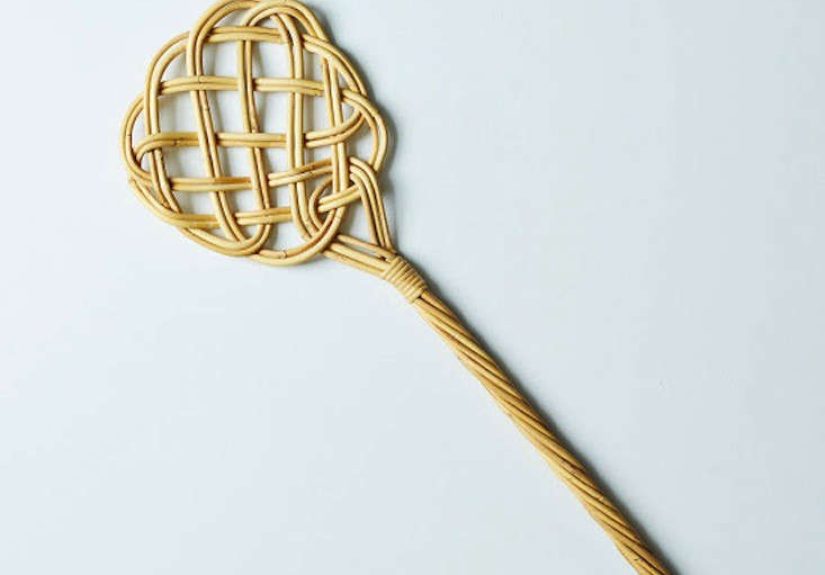
A rattan carpet beater is a handheld tool traditionally used to beat dust and debris out of rugs, carpets, blankets, and other heavy textiles. It usually has a long handle and a looped or woven striking head. Many vintage versions are made from bent rattan, a strong, flexible natural material known for its durability and springiness.
The design is simple, but that is part of its genius. The flexible frame allows the beater to deliver a sharp enough snap to loosen dust without being as harsh or heavy as a solid wooden paddle. It is manual, low-tech, and surprisingly effective for certain cleaning jobsespecially when you can take a small rug outside and give it a good beating in the open air.
In modern homes, the rattan carpet beater tends to show up in three ways: as a functional tool for shaking dust out of rugs, as a collectible vintage object, and as decorative wall art in homes that lean coastal, cottage, farmhouse, Scandinavian, or eclectic.
A Short History of the Carpet Beater
Before vacuum cleaners became standard household equipment, people had to clean rugs the old-fashioned way: haul them outside, hang them over a railing, line, fence, or sturdy bar, and beat the dust out by hand. It was not glamorous, but it worked. Carpet beating was once a normal part of household maintenance, especially when homes relied heavily on textiles that trapped soot, dirt, and everyday grime.
That old ritual explains why carpet beaters were once common household tools rather than quirky flea-market treasures. They were practical necessities. In many homes, regular rug shaking and beating helped prevent dirt from building up deep inside fibers. Even now, some rug-care advice still recommends taking appropriate rugs outside for a good shake or gentle beating to loosen embedded debris, particularly for smaller rugs or certain natural-fiber pieces.
So yes, the rattan carpet beater is vintage. But it is not vintage in a “cute but useless” way. It comes from a time when cleaning meant more elbow grease, more fresh air, and far fewer buttons.
Why Rattan Was Such a Smart Material
Rattan is one of those materials that seems almost too helpful. It is strong but lightweight, flexible but sturdy, and naturally full of texture. Unlike hollow bamboo, rattan is solid, which makes it easier to bend into curved forms while still holding its shape. That matters when you are making a tool that needs to absorb motion and snap back again and again.
For a carpet beater, those qualities are perfect. A well-made rattan frame feels springy in the hand, not clunky. It can swing quickly, land with enough force to loosen dust, and remain comfortable to use for more than thirty dramatic seconds. It also has a warm, handmade look that makes even a practical cleaning tool feel decorative.
There is another reason rattan still appeals to modern homeowners: natural woven materials are having a long, steady design moment. Rattan, cane, jute, and similar textures bring warmth, softness, and a handcrafted feel to interiors. A rattan carpet beater fits right into that world. It looks authentic because it is authentic.
How a Rattan Carpet Beater Is Used Today
1. For light, old-school rug cleaning
The most practical modern use is simple: take a small or medium rug outside, hang it securely, and gently beat both sides to dislodge dust and loose dirt. This works especially well as a supplement to regular vacuuming, not always as a full replacement for it. If you have a porch, backyard, or laundry area, it can be a satisfying way to freshen up a rug without plugging in a single machine.
2. For delicate situations where you want more control
Some homeowners like a carpet beater because it gives them control. Instead of running a powerful vacuum over every surface, they can target loose debris on washable throws, mats, or sturdy flatweaves. It is also useful when you simply want to shake dust out before deeper cleaning.
3. For styling and display
Let’s be honest: a large percentage of rattan carpet beaters now spend more time looking photogenic than fighting dirt. Hung on a wall, they add shape, movement, and texture. Their looped silhouettes make them feel almost sculptural. In entryways, laundry rooms, mudrooms, reading corners, or layered gallery walls, they can bring a charming vintage note without trying too hard.
When a Rattan Carpet Beater Makes Senseand When It Doesn’t
A rattan carpet beater can be helpful, but it is not the answer to every rug problem. Think of it as one smart tool in the cleaning lineup, not the superhero of floor care.
Good uses
- Small rugs you can easily carry outside
- Flatweaves and sturdy natural-fiber rugs
- Doormats and utility mats that collect loose dirt
- Blankets or heavy textiles that need a dust-out
- Quick refreshes between deeper cleanings
Use caution or skip it
- Fragile antique rugs
- Very old rugs with weak backing or loose fibers
- High-pile or delicate wool rugs that need gentler handling
- Rugs with damage, tears, or brittle fringe
- Wall-to-wall carpet, unless your goal is a full-body workout and mild regret
If a rug is valuable, fragile, or already shedding, gentler care or professional cleaning is the better route. A beautiful vintage beater should never become the villain in your rug’s origin story.
How to Use a Rattan Carpet Beater Properly
If you want to use one the right way, the process is pretty straightforward.
- Take the rug outside. Fresh air is your friend here. Choose a dry day.
- Hang it securely. Use a railing, fence, clothesline, or sturdy support.
- Start with a shake. Remove obvious loose dust first.
- Beat gently and evenly. Use controlled swings, starting at the top and working down.
- Flip and repeat. Dust settles on both sides, and the back matters too.
- Finish with a vacuum or brush if needed. This helps pick up what has been loosened.
The key word is gently. You are trying to loosen dirt, not audition for a medieval battle scene. Light, repeated strikes are usually better than dramatic full-force swings. Your neighbors will appreciate the restraint.
Why People Still Love the Look
Part of the rattan carpet beater’s appeal is that it feels both useful and nostalgic. It reminds people of practical domestic life, handmade tools, and homes filled with objects that earned their place. That emotional layer matters in design. People are drawn to decor that has a story, and the rattan carpet beater comes with one built in.
Its shape helps too. Many examples feature loops, curves, or heart-like forms that feel softer than most utilitarian objects. The woven texture catches light nicely, and the natural color works with almost any palette. It can blend into a neutral room or stand out against painted walls as a warm organic accent.
For stylists and homeowners, it is also a low-pressure decorative piece. It does not scream for attention. It just hangs there looking quietly interesting, as if to say, “Yes, I do have history, and yes, I probably know how to remove dust better than your robot vacuum.”
What to Look for When Buying One
If you are shopping for a rattan carpet beater, whether vintage or new, there are a few things worth checking.
Material quality
Look for solid, tightly formed rattan with no major cracks, splits, or brittle spots. Vintage wear can be charming, but structural weakness is less charming when the tool snaps mid-swing.
Handle comfort
The handle should feel secure and balanced in your hand. If you plan to actually use it, comfort matters more than ornament.
Head shape
Some beaters have broad looped heads, while others are tighter and more decorative. A wider striking surface is generally more practical for cleaning. Highly sculptural pieces may be better suited for display.
Condition
For decor, a little patina is lovely. For function, check for loose joins, sharp breaks, mold, or rough splinters. A vintage piece can still work beautifully, but it should feel stable.
Size
Choose a size that matches your intent. Larger beaters make stronger visual wall decor. Medium sizes are often easier to use for actual cleaning.
How to Care for a Rattan Carpet Beater
The nice thing about rattan is that it does not ask for much. Still, a little care goes a long way.
- Keep it dry. Excess moisture can weaken natural fibers over time.
- Dust it regularly with a dry cloth or soft brush.
- Store it indoors or in a protected area if you want it to last.
- Avoid prolonged exposure to harsh sun or damp outdoor conditions.
- If needed, wipe gently with a barely damp cloth and let it dry fully.
If you are using a vintage one, remember that age adds character but can reduce flexibility. Think respectful handling, not gladiator-level enthusiasm.
Common Mistakes to Avoid
The biggest mistake is assuming every rug wants to be beaten. It does not. Some rugs need suction-only vacuuming, gentle blotting, or professional cleaning instead. Delicate wool, antique textiles, and heavily worn rugs can be damaged by rough treatment.
Another mistake is treating the carpet beater like a replacement for routine maintenance. It is best used as part of an overall rug-care routine that may include vacuuming, shaking, rotating, spot cleaning, and material-specific care.
And finally, there is the decor mistake: hanging one somewhere completely random and pretending it makes sense. A rattan carpet beater looks best where its story fitslaundry rooms, mudrooms, hallways, porches, utility areas, cottage kitchens, or layered vintage interiors. Put one above a futuristic neon gaming setup and, well, you are making a very bold choice.
Experiences With a Rattan Carpet Beater: What It’s Actually Like
Using a rattan carpet beater feels different from using modern cleaning tools, and that is part of the charm. A vacuum is fast, efficient, and wonderfully boring. A rattan carpet beater turns cleaning into an event. You carry the rug outside, find a place to hang it, and suddenly the whole job feels more physical, more visible, and strangely more satisfying. There is no hidden dirt canister, no humming motor, and no illusion that cleaning is happening by magic. You see the dust leave. You hear the snap of the rattan. You know exactly what the tool is doing.
For many people, the experience is half practicality and half nostalgia. Even if you did not grow up seeing one in everyday use, a rattan carpet beater can feel familiar in the way old household objects often do. It suggests porches, sunny backyards, spring cleaning, and the kind of home routines that used to be shared knowledge. It does not feel disposable. It feels remembered.
There is also a tactile pleasure to it. Rattan has warmth that plastic tools simply do not. The handle feels light, the frame has a bit of give, and the woven shape makes it feel handmade rather than mass-produced. That matters more than people expect. Cleaning is easier to enjoy when the tool in your hand has personality.
In practical terms, the experience can be surprisingly effective for small rugs, utility mats, and sturdy textiles. A quick session outdoors can loosen a shocking amount of dust. That momentwhen a rug you thought looked “basically fine” suddenly releases an embarrassing cloudis humbling, but useful. It reminds you that surface clean and truly clean are not always the same thing.
Of course, there is a funny side to it too. Using a carpet beater can make you feel wildly productive for about five minutes, like you have stepped into a vintage housekeeping montage. Then your arms remember that old tools were attached to old labor. This is not necessarily a downside. In a strange way, the effort is what makes the process feel real. You are not outsourcing the chore to a machine. You are participating in it.
Even people who buy a rattan carpet beater mainly as decor often end up appreciating that it still has a purpose. It is not just wall filler. It is an object with history and function, which gives it more soul than many purely decorative accessories. Hung in a laundry room or entryway, it adds texture; taken down and used on a dusty mat, it proves it still has some fight left in it.
That blend of usefulness, memory, and visual charm is what keeps people interested in rattan carpet beaters today. They are simple, yes, but not dull. They remind us that everyday objects can be beautiful, that old solutions can still be smart, and that sometimes the most satisfying cleaning tool is the one that makes a little drama while doing its job.
Conclusion
The rattan carpet beater is one of those rare vintage household pieces that still makes sense in modern life. It has history, function, and style all bundled into one lightweight looped form. It speaks to an older way of caring for the home, but it also fits surprisingly well into today’s interiors, where natural textures and useful decor are more appreciated than ever.
Whether you want one to clean a sturdy rug, style a mudroom wall, or simply own a household object with a little personality, the rattan carpet beater earns its keep. It is practical without being plain, decorative without being pointless, and old-fashioned in the best possible way.
Note: This article is prepared for web publication in standard American English and intentionally excludes unnecessary citation placeholders or extra publishing clutter.