Table of Contents >> Show >> Hide
- The Story Hit a Nerve Because It Wasn’t Just About Silence
- Why Friendship Ghosting Hurts So Ridiculously Much
- Why Someone Might Ghost a Friend for Years
- Does a Mental Health Explanation Fix the Damage?
- What Rebuilding a Friendship Would Actually Require
- What To Do If You’re the One Who Got Ghosted
- What To Do If You’re the One Who Disappeared
- The Bigger Lesson in This Whole Mess
- Extra Reflections: Experiences People Commonly Have in Situations Like This
- Conclusion
There are few modern heartbreaks pettier-looking and more devastating-feeling than the phrase left on read. It sounds tiny. Casual. Almost stupid. A blue bubble problem. A phone problem. A “please touch grass” problem. But when the person on the other side is your best friend of many years, being ignored doesn’t feel like a minor glitch in the group chat. It feels like being erased in high definition.
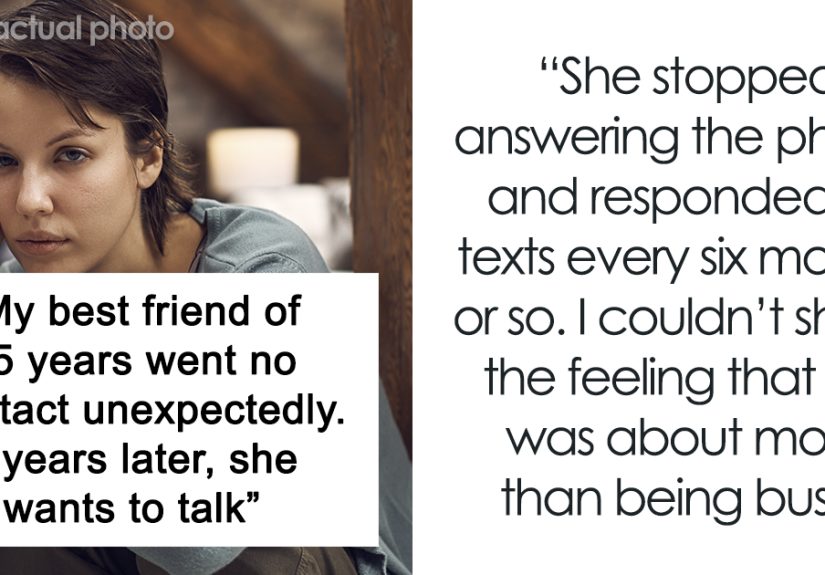
That’s why this story landed such a punch online. A woman shared that her best friend went silent for five years, then came back into her life with an explanation that changed the whole emotional math. The missing friend hadn’t simply wandered off to become a mysterious forest witch with no Wi-Fi. She had spiraled into deep depression, anxiety, trauma, and self-isolation so intense that reaching out became its own impossible mountain. Suddenly, what looked like cruelty from one angle looked like collapse from another.
And that’s what makes this story so sticky. It isn’t just about ghosting. It’s about what happens when friendship, mental health, shame, grief, and unresolved hurt all show up to the same party and nobody remembers who invited them.
The Story Hit a Nerve Because It Wasn’t Just About Silence
At the center of the story is a painfully familiar setup: two people with a long, meaningful friendship, a growing distance, and then a total communication blackout. The friend who was left behind didn’t just lose a casual buddy she used to send memes to at 1:14 a.m. She lost a person who had history, trust, memories, and emotional real estate.
That kind of disappearance messes with your head because it leaves you with no clean narrative. There was no official breakup, no dramatic final fight, no mutual agreement to “wish each other the best.” Just silence. The emotional equivalent of someone shutting the door and taking the doorknob with them.
Years later, when the missing friend finally resurfaced, the explanation was heavy: depression, anxiety, trauma, isolation, and the kind of spiraling that makes basic human contact feel exhausting, shameful, or impossible. That doesn’t magically erase the damage. But it does complicate the neat villain story the internet loves to write in permanent marker.
So now the woman who got ghosted is stuck in the world’s least fun emotional obstacle course: anger, compassion, confusion, guilt, longing, resentment, and maybe a little hope she didn’t ask for. In other words, a very human mess.
Why Friendship Ghosting Hurts So Ridiculously Much
It Creates Ambiguous Loss
One reason being ghosted by a best friend hits so hard is that it creates what mental health experts call a kind of ambiguous loss. The person is still alive. They still exist. You may even know where they are. But the relationship is gone without clear closure, which leaves your brain pacing in circles like a raccoon that got into emotional espresso.
People tend to think grief is reserved for death, divorce, and dramatic movie soundtracks. Not true. Friendship loss can produce real grief, especially when the loss is unresolved. You don’t just miss the person. You miss the version of yourself that existed with them. You miss the routines, the shorthand, the stupid inside jokes that made no sense to anyone else. You miss being known without having to explain the backstory.
Rejection Scrambles Your Self-Respect
Being ignored by a close friend can trigger confusion, self-doubt, and the endless mental slideshow of What did I do? You start replaying old conversations like a detective in a trench coat who hasn’t slept in three days. Was it that birthday I forgot? That time I was too blunt? That weird text with too many exclamation points?
And because friendship often feels less formal than romance, people sometimes minimize the pain. There’s no socially approved script for saying, “My friend ghosted me and now I feel like a rejected Victorian widow, except with push notifications.” But the hurt is real. Close friendships meet needs for belonging, reassurance, identity, and emotional regulation. When one blows up without explanation, your nervous system doesn’t shrug and say, “Ah well, on to the next brunch.” It reacts.
Friendship Breakups Hit Identity, Not Just Feelings
Best friends often function as unofficial archivists of our lives. They remember the bad haircut, the worse boyfriend, the first job, the breakdown in the parking lot, the comeback afterward. When that person disappears, it can feel like part of your personal record vanished too.
That’s why people can feel ridiculous and wrecked at the same time. You know you’ll survive. But you also feel weirdly untethered. The friendship wasn’t just company. It was continuity.
Why Someone Might Ghost a Friend for Years
Depression Can Turn Connection Into a Threat
One of the most important takeaways from this story is that ghosting is not always powered by indifference. Sometimes it’s powered by mental illness, shame, overwhelm, and avoidance. Depression can make people withdraw from family and friends, stop answering messages, neglect responsibilities, and convince themselves they’re too broken, too exhausted, or too late to repair anything.
That does not make the silence harmless. It just means the silence may come from collapse rather than contempt.
And that distinction matters. Not because it erases consequences, but because it helps explain why some people vanish even from relationships they value. When someone is deep in a spiral, answering one loving text can feel less like a sweet opportunity and more like standing at the bottom of Mount Everest in socks.
Avoidance Is Common, Even When It’s Not Malicious
Ghosting is often an avoidance strategy. Some people don’t know how to say, “I’m overwhelmed.” Others don’t know how to admit, “I’m ashamed of how long I’ve been gone.” And the longer the silence lasts, the harder it becomes to break it. One unanswered text becomes a week. A week becomes a month. A month becomes enough time to build a full cathedral of guilt.
By then, reaching out can feel terrifying. Not because the person doesn’t care, but because they care enough to know they’ve caused pain.
Still, impact matters more than intent to the person left behind. If you disappear on someone for years, their nervous system is not grading you on hidden effort. It is responding to absence. That pain is real, whether the ghosting came from cruelty, avoidance, or a mind that was falling apart.
The Friendship Recession Makes Ruptures Feel Even Worse
This story also taps into a bigger cultural truth: adult friendship is struggling. People have fewer close friends than they used to, less time to maintain them, and more pressure from work, caregiving, distance, money, and screen-heavy lives. In that environment, losing one major friendship can feel less like a bump and more like losing a structural beam in your emotional house.
That doesn’t excuse ghosting. But it does explain why readers saw themselves in the story so quickly. A lot of people are already carrying quiet friendship grief. This story just handed it a microphone.
Does a Mental Health Explanation Fix the Damage?
No. And that’s where people tend to get tripped up.
Understanding why someone hurt you is not the same thing as no longer being hurt. Compassion does not cancel consequences. Context is not a time machine. If your best friend disappears for five years, then returns with a heartbreaking explanation, you are allowed to feel for them and still feel furious. You are allowed to believe their suffering was real and admit your trust got flattened like a soda can in a driveway.
Forgiveness is not the mandatory prize for understanding. Reconciliation is not a moral obligation. Sometimes the healthiest response is, “I’m glad you survived, and I’m still not able to let you back in the same way.”
That is not cold. That is called boundaries, and unlike group texts, boundaries should not be left on read.
What Rebuilding a Friendship Would Actually Require
More Than an Apology
If this friendship has any chance of surviving in a new form, it will need more than a sorrowful paragraph and a vague “I was going through it.” The disappearing friend would have to offer real accountability. That means naming the harm, not just the pain she was in. It means saying, in effect, “I understand that my silence wounded you, confused you, and changed how safe this friendship feels.”
That kind of apology lands differently because it acknowledges impact, not just intention.
A Slower Pace
If the ghosted friend wants to try again, the only sane route is slow. Not “yay, let’s go back to daily FaceTimes and pretend 1,826 days didn’t happen.” More like a careful test drive. A conversation. Maybe a coffee. Maybe a call. Maybe an agreement that honesty beats performance from here on out.
People sometimes expect reconnection to feel magical. Usually it feels awkward. That’s normal. Trust does not respawn like a video game character. It rebuilds in tiny, boring, glorious increments.
Permission for the Relationship To Change
Even if both people care, the friendship may not return to its old shape. It might become lighter, less intimate, more cautious. That doesn’t automatically mean failure. Sometimes a repaired friendship is not a restored original. Sometimes it’s version 2.0 with fewer illusions and better settings.
What To Do If You’re the One Who Got Ghosted
If this story feels personal, here’s the hard truth: you do not have to rush your response just because the other person finally found theirs.
Ask yourself a few blunt questions:
Do I want an explanation, a relationship, or just relief? Can I listen without abandoning my own hurt? If I reconnect, what would need to be different? If I walk away, am I doing it from clarity or from fresh pain?
You don’t need a perfect answer. You just need an honest one.
If talking helps, have one real conversation instead of 47 vague texts full of ellipses and emotional smoke signals. If you need distance, say so cleanly. If you’re open to reconnection, be clear about pace and expectations. If you’re done, you’re allowed to be done.
Closure is lovely when available. But sometimes closure is just the moment you stop begging the wound to explain itself.
What To Do If You’re the One Who Disappeared
If you ghosted a friend because your life imploded, start with humility. Do not arrive with a monologue designed to prove you were secretly the saddest person in the room. Lead with ownership. Be direct. Be specific. Don’t pressure them to comfort you about the pain you caused.
A real apology sounds like this in spirit: I went silent. I know that hurt you. My mental health explains why I disappeared, but it doesn’t erase what my silence did. I care about you, and I understand if you don’t want the same relationship anymore.
That’s the grown-up version. The less effective version is six paragraphs of “Hey stranger lol life got crazy.” Please do not do that to civilization.
The Bigger Lesson in This Whole Mess
The story works because it forces two truths to sit next to each other without fighting for the last chair. First: ghosting a best friend can cause deep, lasting harm. Second: sometimes the person doing the ghosting is not carefree or cruel, but drowning, ashamed, and barely functioning.
Both can be true. That’s what makes human relationships so hard and so important. We want neat categories, but real life mostly hands us overlapping disasters in sensible shoes.
Still, one lesson comes through clearly: friendship is not optional fluff. It is part of how people stay grounded, healthy, and connected. Losing a close friend can destabilize you. Keeping one can help steady you. Rebuilding one takes courage. Letting one go also takes courage.
Either way, silence is never as small as it looks on a screen.
Extra Reflections: Experiences People Commonly Have in Situations Like This
One of the strangest parts of being ghosted by a best friend is how ordinary life keeps going while your inner world turns into a weird little disaster zone. You still go to work. You still answer emails. You still pretend to care about whether the printer is jammed. Meanwhile, a piece of your mind is stuck on a single question: How does someone who knew me that well go that quiet?
People in this situation often describe doing small rituals that would sound absurd if they weren’t so heartbreaking. Checking an old text thread even though no new message is coming. Looking at birthdays or holidays as possible “safe” days to reach out. Drafting messages and deleting them. Re-reading the last normal conversation for clues, as if the answer is hidden between a laughing emoji and a casual “talk soon.”
Then there’s the social weirdness. Mutual friends may not know what to say. Some stay neutral. Some become accidental messengers. Some act like this is just adult life and everyone should move on, which is easy to say when you’re not the one standing in emotional rubble holding a phone like it’s a cursed object.
Another common experience is embarrassment. Not just pain, but embarrassment. People think, Why am I this affected? It’s just a friendship. But that line misses the point. A close friendship is never “just” a friendship. For many people, it is the place where they feel funniest, safest, least edited, and most understood. Losing that can feel like being evicted from a version of yourself you liked living in.
And when the person finally returns, things do not instantly become easier. In fact, the comeback can make everything more complicated. Before the return, the story is awful but simple: they left. After the return, every feeling gets company. Relief shows up with anger. Compassion shows up with suspicion. You may feel guilty for not wanting to welcome them back with open arms, especially if they reveal depression or trauma. But compassion is not the same as automatic access.
That idea matters. A lot. You can care that someone suffered and still decide they are no longer safe for your everyday life. You can believe their explanation and still decline to rebuild. You can miss them, grieve them, love parts of what the friendship was, and still recognize that the relationship now comes with too much fracture to carry comfortably.
On the flip side, some people do reconnect and find something worthwhile on the other side of the wreckage. Not a perfect reunion. Not a movie ending. But a more honest relationship, one built with better language, clearer boundaries, and less fantasy. Sometimes the new friendship is smaller but sturdier. Sometimes it becomes a gentle connection rather than a soul-level one. Sometimes that is enough.
And sometimes the biggest healing moment is not reunion at all. It is finally realizing that another person’s silence was never a full measurement of your worth. It hurt, yes. It changed you, absolutely. But it did not define your lovability, your value, or your ability to be deeply known again by someone who does not vanish when life gets hard.
Conclusion
“She left me on read for five years” sounds like the setup to an internet drama, but the reason the story spread is because it exposed something bigger than gossip. Friendship ghosting can leave deep emotional bruises, especially when there’s no explanation, no closure, and no obvious ending. At the same time, severe depression, anxiety, trauma, and shame can make people withdraw in ways that confuse and devastate the people who love them.
The real lesson is not that every vanished friend deserves immediate forgiveness or that every person left behind should harden into stone. It’s that friendship loss is serious, silence has consequences, and healing usually requires honesty on both sides. Sometimes that honesty leads to reconnection. Sometimes it leads to goodbye. Both can be valid. What matters most is refusing to confuse someone else’s disappearance with proof that you were ever easy to leave.