Table of Contents >> Show >> Hide
- The Big Picture: Lenovo Is Expanding the Legion Playbook
- Flagship Spotlight: The Legion Pro 7i Is the Headliner
- The Legion 5 and Legion 7 Families: The Real-World Heroes
- Legion Tower Desktops: Still Very Much Alive
- Lenovo Is Also Pushing the Definition of a Gaming PC
- Why These New Legion Gaming PCs Matter
- Who Should Be Paying Attention?
- Extended Experience: What Living With a New Legion Gaming PC Could Feel Like
- Conclusion
- SEO Tags
Gaming hardware launches usually come in two flavors: the sensible refresh and the “who gave the engineers caffeine at midnight?” surprise. Lenovo’s newest Legion wave manages to do both. On one side, the company is updating its mainstream and flagship gaming PCs with faster silicon, smarter cooling, and cleaner chassis designs. On the other, it is flirting with futuristic ideas like a giant 18-inch creator-gaming hybrid and a rollable gaming laptop that looks like it escaped from the next sci-fi blockbuster.
That is what makes this Legion cycle interesting. Lenovo is not just dropping one shiny machine and calling it a day. It is building a wider Legion story around performance laptops, upgrade-friendly tower desktops, portable gaming handhelds, gaming displays, and experimental form factors. In plain English: Lenovo wants the Legion brand to cover the whole gaming desk, the backpack, and possibly the weird dream you had after falling asleep watching a CES keynote.
For gamers, that matters. The PC market is crowded, specs change at warp speed, and everyone claims their new device is “redefining immersion,” which has become marketing code for “please look at the RGB.” Lenovo’s latest Legion push feels more grounded than that. The company is focusing on three things that actually matter in real life: raw performance, thermal control, and versatility.
The Big Picture: Lenovo Is Expanding the Legion Playbook
Lenovo’s latest Legion announcements show a clear strategy. Instead of aiming only at ultra-premium buyers, the company is stretching the lineup across several price tiers and use cases. At the top sits the flagship Legion Pro family, built for enthusiasts who want cutting-edge CPUs, high-end NVIDIA graphics, fast memory, and premium displays. Beneath that, the Legion 5 and Legion 7 families serve gamers who want serious power without selling a kidney on the internet. Then there are the Legion Tower desktops, which still matter for buyers who want upgrade freedom, better airflow, and fewer compromises.
What stands out most is how Lenovo is trying to make each product feel distinct. The flagship models are about maximum horsepower and aggressive cooling. The midrange systems lean into portability and value. The desktop towers emphasize upgradability. Even the weirder products, like the Legion 9i and the Legion Pro Rollable concept, seem designed to prove that Lenovo does not see gaming PCs as one-size-fits-all machines anymore.
That wider approach is smart. Today’s gaming buyer might be a competitive player, a college student, a streamer, a creator who edits video during the day and raids at night, or a desktop loyalist who laughs at the phrase “thin-and-light gaming.” Lenovo is trying to speak to all of them at once, and for once, that does not sound like empty brand poetry.
Flagship Spotlight: The Legion Pro 7i Is the Headliner
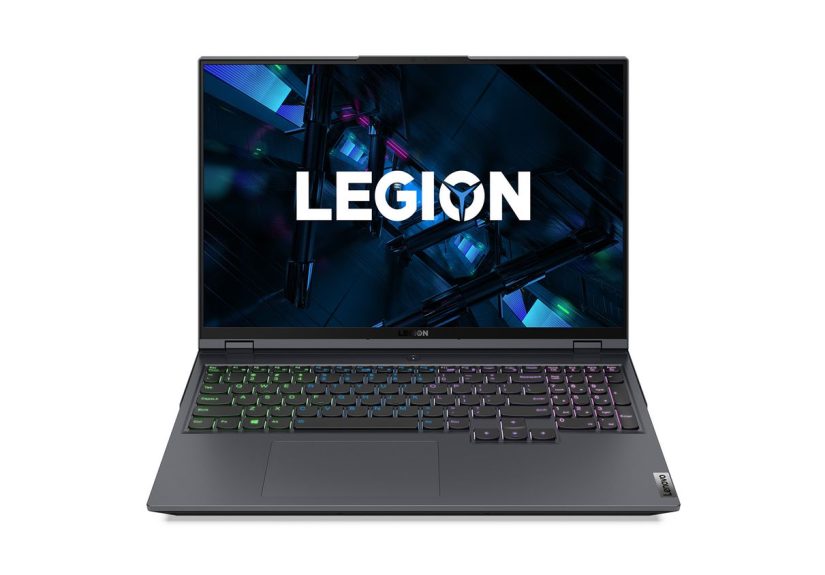
If there is a star of Lenovo’s recent Legion refresh, it is the Legion Pro 7i. This is the machine that gets the biggest specs, the most attention, and the loudest “please don’t check the price yet” energy. Lenovo positioned it as a top-tier gaming laptop with support for modern Intel Core Ultra HX-class processors, high-end NVIDIA RTX 50-series laptop graphics, fast DDR5 memory, and upgraded cooling hardware.
That matters because gaming laptops live or die by one simple question: can they keep the performance without turning the keyboard into a stovetop? Lenovo appears to understand that better than many rivals. The newer Legion Pro 7i is not just about throwing premium parts into a chassis and hoping fans do the rest. Cooling, airflow, and power balancing are front and center in the design.
A Smarter Design, Not Just a Faster One
One of the more meaningful changes is the chassis redesign. Lenovo moved major ports away from the rear and shifted them to the sides, giving the back more room for exhaust. That may sound like a tiny engineering footnote, but it is the kind of detail gamers actually feel. Better ventilation can help sustain higher clocks, reduce hot spots, and improve long-session comfort. It also signals that Lenovo is prioritizing thermal performance over nostalgia for older port layouts.
The display story is stronger, too. OLED options, high refresh rates, and sharper panel choices make the Legion Pro 7i feel built for both cinematic single-player games and faster competitive titles. Lenovo also continues to treat the keyboard as more than an afterthought, and that is important. A gaming laptop can have monster specs, but if the keyboard feels mushy, the entire experience feels cheaper. Legion keyboards generally have a solid reputation, and Lenovo seems intent on preserving that strength.
Performance That Targets More Than Just Frame Rates
The flagship Legion systems are also being pitched as machines for hybrid users. That means the same PC is expected to handle AAA gaming, streaming, editing, content creation, and general productivity. It is no longer enough for a gaming machine to be fast only inside a benchmark chart. Buyers want a system that can render, multitask, encode, and still deliver smooth gameplay without behaving like a jet preparing for takeoff.
That is where Lenovo’s mix of AI tuning, cooling optimization, and high-end component pairings becomes more relevant than any single spec bullet. Sure, “RTX 5090” grabs headlines. But the real value is in how the whole system is balanced.
The Legion 5 and Legion 7 Families: The Real-World Heroes
Flagships get the spotlight, but the Legion 5 and Legion 7 models may be the machines that matter most to actual buyers. Lenovo’s newer Legion 5 series aims to be lighter, thinner, and more portable while still offering enough power for modern games. That balance is crucial because many people buying gaming laptops are not just gamers. They are students, commuters, creators, or people who occasionally need to carry the machine farther than the couch.
That is why Lenovo’s approach here looks practical. Instead of pretending every buyer wants a hulking desktop replacement, the company is offering machines that still chase performance but do so with a bit more restraint. These are the PCs for people who want one device that can handle school, work, Discord, Excel, and a suspicious number of late-night gaming sessions.
The Legion 7 line pushes a bit more upscale with nicer materials and a more premium feel, while the Legion 5 family hits the sweet spot for value-conscious enthusiasts. In many ways, this is where Lenovo has historically been strong. Legion products often feel more disciplined than flashy, and that is not an insult. In a market full of machines that look like they were designed by a transformer with anger issues, a cleaner design can be a feature.
Legion Tower Desktops: Still Very Much Alive
It is easy to get distracted by gaming laptops, especially when companies keep bending, rolling, stretching, and otherwise performing yoga poses with their displays. But Lenovo’s Legion Tower desktops deserve attention, too. The Legion Tower 7i, Tower 5i, and Tower 5 continue to serve buyers who prefer a traditional desktop gaming PC with room to upgrade.
This matters more than ever. Desktop gamers still want accessible internals, bigger cooling headroom, more storage flexibility, and the ability to swap parts later. Lenovo’s pitch for the tower lineup is straightforward: upgradable components, strong CPU and GPU pairings, and enough power for both esports players and enthusiasts.
That is exactly what a prebuilt gaming desktop should offer. Not every buyer wants to build a PC from scratch. Some want the convenience of a ready-to-go system without giving up the option to upgrade later. Lenovo seems to understand that balance. A tower should not feel disposable, and the Legion desktops are built to avoid that trap.
For some buyers, these towers may be the smartest choice in the lineup. A desktop still gives better thermal capacity, easier maintenance, and more component freedom than even a premium gaming laptop. So while the laptop headlines are louder, the desktop story may end up being the more practical win.
Lenovo Is Also Pushing the Definition of a Gaming PC
Where Lenovo gets particularly interesting is in the machines that blur categories. The Legion 9i, for example, leans into the overlap between gaming laptop and mobile workstation. With its huge 18-inch footprint, optional 3D-focused display features, top-tier graphics, and unusually high memory and storage ceilings, it is clearly aimed at more than casual players. This is a machine for buyers who might game on Friday night and build a 3D project, edit cinematic footage, or work in development tools on Saturday morning.
That positioning is clever. Gaming hardware and creator hardware are colliding fast, and Lenovo is leaning into that collision instead of fighting it. A powerful Legion machine can now be sold not only as a gaming device but also as a production platform.
Then there is the Legion Pro Rollable concept, which sounds fake until you see it. Lenovo is experimenting with a flexible OLED screen that starts as a 16-inch display and expands into ultrawide modes. Is it practical for everyone? Absolutely not. Is it memorable? Very much yes. More importantly, it shows where Lenovo’s head is at: gaming PCs are no longer defined only by chips and frame rates, but by how the display, form factor, and workflow change the entire experience.
Even if the rollable concept never becomes a mass-market bestseller, it still serves a purpose. It tells buyers and competitors that Lenovo intends to be one of the companies shaping what future gaming laptops look like. And in a hardware market that can get painfully repetitive, a little ambition is welcome.
Why These New Legion Gaming PCs Matter
Lenovo’s new Legion push matters because it reflects where the gaming PC market is heading. Buyers want more than brute force. They want thermal efficiency, better displays, smarter software, cleaner design, and flexibility across work and play. Lenovo is responding by broadening the lineup instead of narrowing it.
That strategy also helps the brand compete against aggressive rivals like ASUS ROG, Alienware, MSI, Acer Predator, and Razer. Lenovo’s edge is not that it has the flashiest marketing language. It is that Legion products often feel tuned for people who actually use their computers for hours, not just for those who admire spec sheets like museum pieces.
There is also a confidence to this launch cycle. Lenovo is comfortable releasing mainstream systems, premium halo products, upgrade-friendly desktops, handheld devices, and strange concepts under one gaming umbrella. That suggests the company believes Legion is not just a product line anymore. It is a full gaming ecosystem.
Who Should Be Paying Attention?
If you want the biggest, boldest performance jump, the Legion Pro 7i is the obvious standout. If you want a more balanced everyday gaming machine, the Legion 5 and Legion 7 models may be more compelling. If you care about long-term upgrade freedom, the Legion Tower series remains highly relevant. And if you enjoy watching the future arrive wearing RGB, the Legion 9i and Legion Pro Rollable are the machines to watch.
In short, Lenovo is not unveiling just “new gaming PCs.” It is unveiling a broader vision for what a gaming PC can be: powerful, flexible, display-forward, and increasingly designed for users who do more than just play.
Extended Experience: What Living With a New Legion Gaming PC Could Feel Like
Specs are useful, but experience is what people remember. Imagine opening a new Legion gaming PC for the first time. The excitement is not only about the processor name or the GPU tier. It is that moment when the machine boots quickly, the screen looks rich and sharp, and everything feels like it was designed to save you from the usual PC nonsense. You are not digging through settings for twenty minutes wondering why the fans sound like a leaf blower audition. You are actually getting ready to play.
With a modern Legion laptop, that daily experience would likely begin with flexibility. In the morning, it could behave like a serious productivity machine. You can answer emails, work in browser tabs, edit documents, or juggle school assignments without feeling like you are carrying a neon-lit arcade cabinet into a coffee shop. Later, when the workday ends, the same machine shifts gears into gaming mode without drama. That is the real appeal of Lenovo’s recent Legion direction. These systems are not just about peak numbers. They are about range.
For a player using something like the Legion Pro 7i, the experience would probably center on confidence. Big games load fast. The display feels smooth. Colors look punchy without becoming cartoonishly overdone. The keyboard has enough travel to feel satisfying during both gaming and typing, which matters more than people admit. A bad keyboard can ruin a great laptop faster than a mediocre benchmark ever could. Lenovo seems to understand that a gaming PC is also a hands-on object, not just a pile of premium components in a handsome shell.
If you choose one of the Legion Tower desktops, the experience changes in a good way. There is less compromise. Airflow generally improves, upgrades feel more realistic, and you get the comfort of knowing that when the next hardware cycle rolls around, you may not need to replace the entire machine. You can imagine a buyer starting with a strong midrange desktop today, then gradually expanding storage, memory, or graphics power over time. That makes the PC feel like an investment instead of a sealed appliance.
There is also an emotional side to gaming hardware that companies rarely explain well. A good gaming PC makes friction disappear. You stop thinking about whether your machine can handle the next title and start thinking about what you want to play next. That peace of mind is underrated. It is the difference between browsing settings menus with suspicion and simply launching the game. Lenovo’s latest Legion systems seem designed to create more of that second feeling.
And then there is the fun factor. A rollable display may not be essential. An 18-inch creator-gaming monster may not be practical for everyone. But part of the joy of PC gaming is that it still has room for odd, ambitious, slightly ridiculous ideas. Not every gaming machine needs to be sensible all the time. Sometimes it is enough that a company tries something bold and reminds us this category can still surprise us.
That is the experience Lenovo seems to be chasing with Legion right now: not just speed, but excitement. Not just performance, but confidence. Not just new hardware, but the sense that your next gaming PC could fit your life a little better than the last one did.
Conclusion
Lenovo’s new Legion gaming PCs show a company trying to cover every major corner of modern PC gaming. The flagship Legion Pro systems push performance forward. The Legion 5 and Legion 7 families chase the practical sweet spot. The Legion Tower desktops keep upgrade-minded gamers in the conversation. And the Legion 9i plus rollable concepts hint that Lenovo wants to shape the future, not just react to it.
That makes this launch cycle more than a routine hardware update. It is a statement that Legion is growing into a broader, more flexible gaming platform. Whether you want a powerful everyday laptop, a serious desktop replacement, a traditional tower, or a glimpse at the future of display design, Lenovo now has a stronger answer than before. And that is a nice change in a market where “new” often means the same machine wearing a fresh coat of marketing paint.