Table of Contents >> Show >> Hide
- What “Cotswold Cottage Charm” Really Means (and What It Doesn’t)
- Start With the Backdrop: Color, Walls, and Floors
- Layer in Texture Like You’re Building a Cozy Lasagna
- Furniture That Looks Like It Has Stories
- Signature Details: Hardware, Lighting, and the “Glow Factor”
- The Cottage Kitchen: The Heart of the Home
- Bathrooms With “Little Inn” Energy
- Bring the Outdoors In (and Give the Outdoors a Wink)
- How to Do Cotswold Charm in a Modern U.S. Home
- Common Mistakes (So You Don’t End Up With “Gift Shop Cottage”)
- Conclusion: Let It Be Cozy, Not Costume
- Experiences: What It’s Like to Actually Add Cotswold Cottage Charm ()
- SEO Tags
Cotswold cottage charm is what happens when a home looks like it’s been gently loved for a few centurieswithout actually requiring you to live inside a thatched-roof fairytale (or commute by horse). It’s cozy but not cluttered, rustic but not rough, and romantic without feeling like you’re trapped in a costume drama.
The good news: you don’t need a honey-stone cottage in rural England to capture the vibe. You can build the feelingwarmth, texture, patina, and a lived-in calminside a suburban new-build, a city apartment, or a rental with rules stricter than your grandma’s “no shoes in the living room” policy.
This guide breaks down how to get that Cotswold-inspired look in a way that feels natural, practical, and delightfully livable (because the whole point is to enjoy your house, not curate it like a museum where nobody is allowed to sit).
What “Cotswold Cottage Charm” Really Means (and What It Doesn’t)
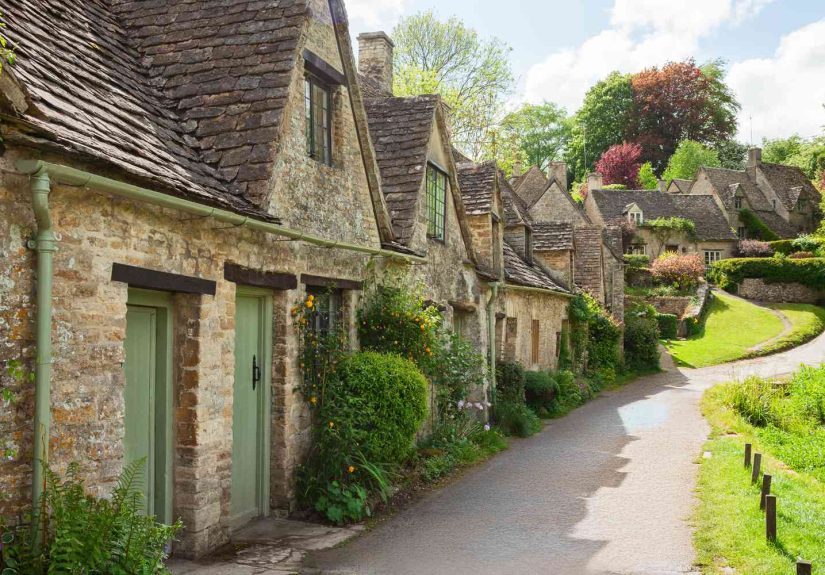
In the Cotswolds region of England, cottages are often associated with warm, golden stone, steep roofs, prominent chimneys, and old-world details. Indoors, the mood leans cozy and character-rich: soft light, imperfect textures, layered fabrics, and furniture that looks like it has stories.
What it is: warm neutrals, natural materials, antiques (or antique-looking pieces), gentle pattern mixing, and small comforts everywherebooks, baskets, throws, and a teapot that doesn’t feel purely decorative.
What it isn’t: a themed set. If every surface screams “vintage market haul,” the room starts to feel like a gift shop. Cotswold charm works best when the space looks collected over time, with breathing room and function at the center.
Start With the Backdrop: Color, Walls, and Floors
Choose sun-warmed neutrals, then add one moody note
Cotswold-inspired interiors often start with a soft, warm basethink creamy whites, oatmeal, sand, and gentle greige. These shades mimic the look of aged plaster, limestone, and sunlight that’s had a few generations to settle in.
Then, add one deeper accent to keep the room from feeling washed out: a muted olive, smoky blue, earthy terracotta, or a cocoa-brown. The goal is “cozy depth,” not “teen bedroom in 2009.”
Let your walls look lived-in (in a charming way)
If you can’t install stone walls or beams (and most of us can’t), you can still get that gentle age through surface choices:
- Painted paneling or beadboard on the lower half of walls for a cottage feel.
- Wallpaper in small doses: one powder room, a reading nook, the back of a bookcase, or a single accent wall behind the bed.
- Soft matte finishes that absorb light instead of bouncing it like a showroom.
Tip: If your home is very modern, adding just one architectural-ish layerlike trim molding, picture rails, or a simple boxed wainscotcan instantly steer the vibe toward “cottage” instead of “corporate rental.”
Floors: embrace wood, warmth, and a little imperfection
Cotswold charm loves natural floors: wood planks, stone, brick, or tile that looks timeworn. In an American home, you can fake this feeling with:
- Wood or wood-look floors in medium, warm tones (avoid super-gray washes that read more “modern loft”).
- Rugs layered over hard floors to create softness and visual history.
- A “don’t panic” attitude about scuffspatina is basically cottage confetti.
Layer in Texture Like You’re Building a Cozy Lasagna
If Cotswold cottage style had a motto, it would be: more texture, less perfection. Texture is what makes a space feel inviting at 7 a.m. with coffee, and equally inviting at 7 p.m. with a book and a blanket you didn’t plan to wear as a cape (but here we are).
Textiles: linen, wool, cottonplus a little floral bravery
Start with foundational fabrics:
- Linen for curtains, slipcovers, and bedding (rumples are a feature, not a failure).
- Wool for throws and rugs that feel substantial.
- Cotton for everyday softnessquilts, pillow covers, tablecloths.
Then add a gentle nod to traditional cottage florals: chintz-inspired prints, ditsy patterns, or botanicals. If you’re pattern-shy, keep florals to removable pieces like pillows, shades, or bedding so you can experiment without commitment.
Pattern mixing: the “not twins, just siblings” rule
Cottage charm isn’t about matching sets. It’s about mixing patterns with a shared mood. Try pairing:
- Florals + stripes (classic and cheerful)
- Checks + small-scale botanicals (friendly and casual)
- One bold print + two quiet textures (balanced and grown-up)
Keep a consistent color family so the room feels collected, not chaotic. Think: “Sunday morning in the countryside,” not “fabric store explosion.”
Rugs: anchor the room with something that feels inherited
A worn-looking rug instantly gives a room “history.” Vintage rugs are great, but you can also use vintage-style options that have a faded pattern and softer palette. Layer a smaller patterned rug over a larger natural fiber rug to create depth (and to hide the fact that your dog thinks rugs are for dramatic entrances).
Furniture That Looks Like It Has Stories
Antiques and patina: the secret sauce
Cotswold-inspired rooms feel authentic when at least a few pieces have visible ageworn wood, softened edges, slightly tarnished metal, or upholstery that looks “broken in.” You don’t need a full antique house; you need strategic anchors:
- A vintage sideboard or dresser (instant character storage)
- An old mirror with a thin, imperfect frame
- Turned-leg chairs or a farmhouse-style table
- Brass or iron hardware that doesn’t look brand-new
Where to find the look in the U.S.: thrift stores, antique malls, estate sales, flea markets, and online marketplaces. If you buy new, look for pieces made of solid wood with classic silhouettes and softer finishes.
Curves, turned legs, and soft edges
Many modern interiors lean boxy and sharp. Cottage charm leans the other way: rounded arms, gentle curves, spindle details, and furniture that feels friendly. If your sofa is modern, soften it with pillows, a textured throw, and a slipcovered ottoman or skirted accent chair.
Open shelving and “useful prettiness”
Cotswold-style homes often feature everyday objects on displayplates, mugs, cookbooks, basketsbecause the home is meant to be used. The trick is to keep it intentional:
- Group items in odd numbers (3 or 5 usually looks natural).
- Mix materials: ceramics + wood + a bit of metal.
- Leave some empty space so the shelf can breathe.
Signature Details: Hardware, Lighting, and the “Glow Factor”
Metals: aged brass, iron, and unlacquered finishes
If you want a small change with big impact, swap hardware. Warm metals and slightly rustic finishes feel cottage-appropriate. Think aged brass, antique bronze, black iron, or pewter tonesanything that looks like it belongs near old wood and natural stone.
Lighting: warm pools, not overhead interrogation
Cotswold charm is rarely lit by one blinding ceiling fixture. It’s built with layers:
- Table lamps for cozy corners
- Wall sconces for soft ambient light
- Pendant lights with warm-toned shades in kitchens and dining areas
Use warm bulbs and add dimmers when possible. Your home should glow like a small inn where someone is about to offer you teanot like a place where you’re about to be asked to show your receipts.
Windows: dress them gently
Avoid stiff, shiny window treatments. Cottage-friendly options include:
- Linen curtains that puddle slightly (casual, romantic)
- Roman shades in a small floral or stripe
- Simple café curtains for kitchens and breakfast nooks
The Cottage Kitchen: The Heart of the Home
The kitchen is where Cotswold charm really shines because it’s naturally about comfort, ritual, and everyday beauty.
Cabinets: soft color beats stark perfection
White kitchens can work, but consider warmer whites or creamy tones. If you’re ready for color, muted greens, dusty blues, or warm putty shades feel right at home. Even if you can’t paint cabinets, you can bring in charm with hardware, textiles, and open shelving.
Materials that feel grounded
To channel cottage energy, mix practical with timeless:
- Butcher block or wood accents to warm up stone and tile
- Classic tile (subway, simple ceramics, or handmade-look styles)
- Apron-front farmhouse sink if you’re renovatingor just add a vintage-style faucet and call it progress
Display with boundaries
Open shelves look great… until they look like you lost a battle with your own dishes. Keep the display to items you use often and that share a loose palettewhite ceramics, stoneware, clear glass, wood boards.
Bathrooms With “Little Inn” Energy
You can create cottage charm in a bathroom with surprisingly small tweaks:
- Soft wall color or wallpaper (even one wall can transform the room)
- Beadboard or paneling for texture
- Warm-toned metal fixtures
- Fluffy towels and a woven basket for storage
Add a small lamp (if space and safety allow), a framed landscape print, or a vintage mirror to avoid the “basic builder bathroom” vibe.
Bring the Outdoors In (and Give the Outdoors a Wink)
Greenery and cut flowers: instant cottage life
Fresh flowers are basically cottage charm’s love language. Keep it simple: grocery-store blooms in a ceramic pitcher, clipped greenery in a glass jar, or potted herbs on the windowsill. The point is to make nature feel like part of your daily routine, not a special event that requires a florist and emotional preparation.
Cottage garden cues for American yards and balconies
You don’t need rolling English hills. You need a few layers of planting that feel abundant and slightly wild (in a “romantic” way, not a “call the HOA” way):
- Climbing plants on a trellis or arch
- Herbs and flowering plants mixed together
- Old pots, terra-cotta, and weathered planters
- A small bench or bistro set that invites you to sit
Exterior charm: the easiest “storybook” upgrades
If you want your home to feel cottage-like before anyone even steps inside, focus on the entry: a lantern-style light, a painted front door in a heritage shade, a simple wreath or greenery, and symmetrical pots flanking the doorway. Add a trellis and let something climb, and suddenly your house starts whispering “tea inside.”
How to Do Cotswold Charm in a Modern U.S. Home
Apartment-friendly swaps
- Peel-and-stick wallpaper in a small floral for one wall or nook
- Slipcovers to soften modern seating
- Plug-in sconces for layered lighting without rewiring
- Vintage-style rugs to add instant age and warmth
New-build tricks that don’t require a full renovation
- Add trim molding or wainscoting to create depth.
- Swap cool-toned bulbs for warm ones, then add lamps.
- Replace a few “builder basic” fixtures (hardware, faucets, a dining light).
- Introduce one statement antique piece so the home feels grounded.
Where to spend vs. where to save
Spend on pieces you touch daily: sofa, bed linens, rugs, and lighting. Those control comfort and mood.
Save on accents: baskets, frames, ceramics, small tablesthese are excellent thrift-store wins and you can swap them seasonally.
Common Mistakes (So You Don’t End Up With “Gift Shop Cottage”)
- Overdoing themed decor: One vintage butter churn is charming. A butter churn collection is… a lifestyle choice.
- Too many tiny knickknacks: Cottage style is collected, not cluttered. Use trays and baskets to corral.
- Ignoring function: A cozy room still needs places to sit, read, and set down a mug.
- Cold lighting: Harsh, cool light kills the mood instantly. Cottage charm lives in warm glow.
- Perfectly matching sets: If everything is coordinated, it won’t feel “collected over time.” Mix eras and finishes.
Conclusion: Let It Be Cozy, Not Costume
Cotswold cottage charm is less about copying a specific house and more about building a feeling: warmth, softness, texture, and a sense that your home welcomes people in and invites them to stay. Start with a calm backdrop, add aged-looking materials and soulful pieces, layer textiles and lighting, and sprinkle in natureinside and out.
Most importantly, make it livable. The most charming cottages aren’t perfect. They’re comfortable. They have mugs in the sink sometimes. They have a chair that everyone fights over. They have a throw blanket that permanently lives on the sofa because it’s earned squatter’s rights. That’s not a failure of designthat’s the whole point.
Experiences: What It’s Like to Actually Add Cotswold Cottage Charm ()
Experience #1: The “One Lamp Changed Everything” living room. A homeowner in a modern townhome wanted cottage warmth but couldn’t renovate. They started with lighting: one table lamp near the sofa, a floor lamp by a reading chair, and warm bulbs throughout. The result was immediatesuddenly the room felt softer at night, like the corners were gently rounded off. Then came the textiles: a linen-look curtain panel (hung higher than the window to make the wall feel taller), a faded-pattern rug, and two pillow covers with a small floral print. The funniest part? Friends didn’t say “Nice pillows.” They said, “Your place feels so cozy now.” That’s the cottage magic: it reads as mood, not “I bought a thing.”
Experience #2: The weekend “patina hunt” that made a kitchen feel older (in a good way). Another household had a bright, newer kitchen that looked clean but a little sterile. Instead of ripping anything out, they focused on three easy upgrades: swapping cabinet pulls for aged-brass hardware, adding a small open shelf for everyday mugs, and styling the counter with a wooden board, a crock for utensils, and a bowl of fruit. The key lesson was restraint. When they tried to display every cute plate they owned, it looked busy. When they narrowed it to five mugs, two jars, and one stack of plates, it looked intentional and calm. They also added a washable runner rug, which did double duty: it softened the space visually and saved everyone’s feet during long cooking sessions. The kitchen didn’t look “new farmhouse” anymoreit looked like a room where recipes get repeated for years.
Experience #3: The “cottage garden on a balcony” experiment. A renter with only a small balcony leaned into the outdoor side of Cotswold charm. They used terra-cotta pots (some intentionally mismatched), planted herbs, and added one climbing vine on a slim trellis. A tiny bistro chair set turned the balcony into a real “place,” not just storage for forgotten patio cushions. Over time, they noticed something unexpected: the plants influenced the indoor space. They started bringing in clipped greenery for a small vase, opening the curtains more often, and keeping a cozy throw near the door for cool mornings. It wasn’t about having a perfect garden; it was about creating a tiny daily ritualwater plants, sip coffee, breathe for a minutelike the home was encouraging slower living.
The big takeaway from these experiences: Cotswold cottage charm is built through a series of small, friendly decisions. Warm light. Honest materials. A few pieces with age. Textiles that invite touch. Greenery that makes your space feel alive. Do it gradually, and your home won’t look “styled.” It will look like it’s always been yourscomfortable, welcoming, and quietly charming.