Table of Contents >> Show >> Hide
- Does pasta raise cholesterol?
- Why pasta gets blamed for the wrong reasons
- What kind of pasta is best if you are watching cholesterol?
- How to make pasta more cholesterol-friendly
- Pasta choices that can work against your goals
- Can people with high cholesterol still eat pasta regularly?
- What about pasta, triglycerides, and blood sugar?
- Simple rules for ordering pasta at a restaurant
- Practical pasta swaps that actually feel realistic
- Everyday experiences with pasta and cholesterol
- Conclusion
- SEO Tags
Pasta has a strange reputation in wellness conversations. One minute it is comfort food, the next minute it is treated like it personally keyed your car and raised your LDL. The truth is much less dramatic. Pasta itself is not automatically a cholesterol disaster. In many cases, the bigger issue is what lands on top of it, what gets stirred into it, and how much of it ends up in the bowl.
If you are trying to manage cholesterol, you do not need to break up with spaghetti. You just need to stop letting a mountain of creamy sauce, processed meat, and “accidentally” three servings of noodles crash dinner. A smart pasta meal can absolutely fit into a heart-friendly eating pattern. The key is understanding the difference between plain pasta and a full pasta dish, because those are not always the same nutritional story.
Does pasta raise cholesterol?
On its own, pasta is not usually the main reason cholesterol levels creep up. Cholesterol management is influenced more by your overall eating pattern, especially how much saturated fat and trans fat you eat, plus your fiber intake, activity level, weight, genetics, and other health conditions. Plain pasta is mainly a carbohydrate food. Most traditional dried pasta is relatively low in fat, and many varieties contain little or no cholesterol. That means the noodle itself is often not the troublemaker people assume it is.
Where things change fast is the rest of the plate. A bowl of pasta loaded with Alfredo sauce, butter, sausage, bacon, extra cheese, and garlic bread on the side is playing a very different game than whole-wheat penne tossed with olive oil, white beans, spinach, tomatoes, and grilled salmon. Same pasta category, wildly different impact.
So, can pasta fit into a cholesterol-conscious diet? Yes. Can pasta dishes become sneaky saturated fat bombs? Also yes. That is why the question is not simply, “Is pasta bad?” The better question is, “What kind of pasta meal am I actually eating?”
Why pasta gets blamed for the wrong reasons
1. The sauce is often the real plot twist
Tomato-based sauces, vegetable-rich sauces, and olive-oil-based sauces can be lighter choices, depending on the recipe. Cream-heavy sauces, buttery sauces, and cheese-loaded sauces tend to bring more saturated fat. Since saturated fat is a major dietary factor in raising LDL cholesterol, a bowl of fettuccine Alfredo and a bowl of spaghetti marinara are not nutritional twins just because both involve noodles.
2. Toppings can quietly change everything
Pasta is a blank canvas, which is wonderful if your goal is a delicious dinner and slightly dangerous if your fridge looks like a deli counter. Processed meats such as pepperoni, pancetta, or some sausages can add extra saturated fat and sodium. Large amounts of full-fat cheese can do the same. On the other hand, toppings like chickpeas, lentils, vegetables, tuna, grilled chicken breast, tofu, or a modest sprinkle of Parmesan can keep the meal more balanced.
3. Portions have a way of getting ambitious
A modest serving of cooked pasta is smaller than many restaurant bowls suggest. In practical terms, about 1/2 cup of cooked pasta counts as one ounce-equivalent from the grains group. Many people easily eat two to four times that amount before the bread basket even arrives. Portion size does not directly change cholesterol in the same way saturated fat does, but huge portions can make it easier to overeat calories, crowd out vegetables and fiber, and turn an otherwise reasonable meal into an everyday habit that works against heart health.
What kind of pasta is best if you are watching cholesterol?
There is no single magical noodle, but some choices make it easier to build a cholesterol-friendly meal.
Whole-wheat pasta
Whole-wheat pasta is often one of the strongest choices because it usually provides more fiber than refined pasta. Fiber matters because soluble fiber in particular can help reduce cholesterol absorption. Even when a whole-wheat pasta is not sky-high in soluble fiber specifically, it often helps you move toward a higher-fiber eating pattern overall, which is good news for heart health, fullness, and steadier eating habits.
Bean- or lentil-based pasta
Pastas made from chickpeas, lentils, or other legumes can be useful if you want more fiber and protein in one shot. They are not mandatory, and no one should pretend every bean pasta tastes exactly like traditional semolina pasta. Still, they can be a smart option for people trying to improve satiety and add more plant foods to their routine.
Traditional refined pasta
Regular pasta is not off-limits. If it is the type you enjoy most, it can still fit. The trick is to treat it as one part of the meal instead of the whole performance. Pair it with vegetables, beans, fish, or other lean protein, and keep the sauce and add-ons in check.
Egg noodles and specialty pastas
Some pastas made with eggs may contain more dietary cholesterol than standard dried pasta. That does not automatically make them unhealthy, but it is another reason to read the Nutrition Facts label and ingredient list if cholesterol is a concern for you. Labels can also help you compare saturated fat, fiber, and serving sizes, which matter even more in day-to-day eating decisions.
How to make pasta more cholesterol-friendly
The easiest way to improve a pasta dish is not to make it sad. It is to make it smarter. A good cholesterol-conscious pasta meal should still feel like food you want to eat, not edible punishment.
Build around plants
Add vegetables generously. Spinach, broccoli, mushrooms, zucchini, eggplant, kale, onions, peas, roasted peppers, and tomatoes all work well with pasta. Vegetables add volume, texture, and nutrients while helping the pasta portion look satisfying without becoming enormous.
Choose better fats
Instead of relying on butter or heavy cream, use olive oil, avocado oil, blended bean sauces, or tomato-based sauces. Unsaturated fats are generally a better fit for heart health than saturated fats. A drizzle of olive oil with garlic, herbs, lemon, and vegetables can do a lot of flavor work without turning dinner into a dairy parade.
Add lean or plant-based protein
Try beans, lentils, tofu, edamame, skinless chicken, shrimp, or fish. These can help make the meal more filling while keeping saturated fat lower than fattier cuts of meat or heavily processed sausage. If you love sausage, think of it as a cameo, not the lead actor.
Keep cheese in the supporting role
Cheese is not forbidden, but a little goes a long way. A small amount of a strongly flavored cheese like Parmesan, Pecorino, or feta can deliver satisfaction without burying the dish under a dairy avalanche.
Think beyond white sauce
Marinara, arrabbiata, vegetable puree sauces, olive oil with garlic and herbs, pesto used lightly, or a sauce built from blended white beans can all create rich flavor with less saturated fat than a cream-based sauce.
Pasta choices that can work against your goals
If you are managing high cholesterol, these are the pasta habits worth watching closely:
Oversized restaurant portions: Some pasta entrees are big enough for two people, sometimes three if everyone is honest. Splitting an entree or boxing half before you start can make a difference.
Frequent cream sauces: There is nothing illegal about Alfredo. It just tends to bring more saturated fat than tomato- or vegetable-based options. Treat it like a once-in-a-while indulgence rather than your weeknight default.
Processed meats: Bacon, pepperoni, meatballs made with fattier cuts, and certain sausages can quickly raise the saturated fat and sodium content of a pasta meal.
Too little fiber: A huge bowl of refined pasta with barely any vegetables or beans can leave you with a meal that is low in fiber and easy to overeat.
Sidekick overload: Pasta itself may be reasonable, but when dinner also includes buttery bread, creamy soup, fried appetizers, dessert, and a sugary drink, the whole meal becomes much heavier on calories and less heart-friendly overall.
Can people with high cholesterol still eat pasta regularly?
Yes, many people with high cholesterol can still eat pasta regularly as part of a balanced eating pattern. The keyword is part. A heart-healthy approach focuses on the overall pattern: more vegetables, fruits, legumes, nuts, whole grains, and lean proteins; less saturated fat, heavily processed food, and oversized portions.
That means pasta can stay on the menu if you plan the meal well. For example:
Better option: Whole-wheat spaghetti with marinara, mushrooms, spinach, cannellini beans, and a side salad.
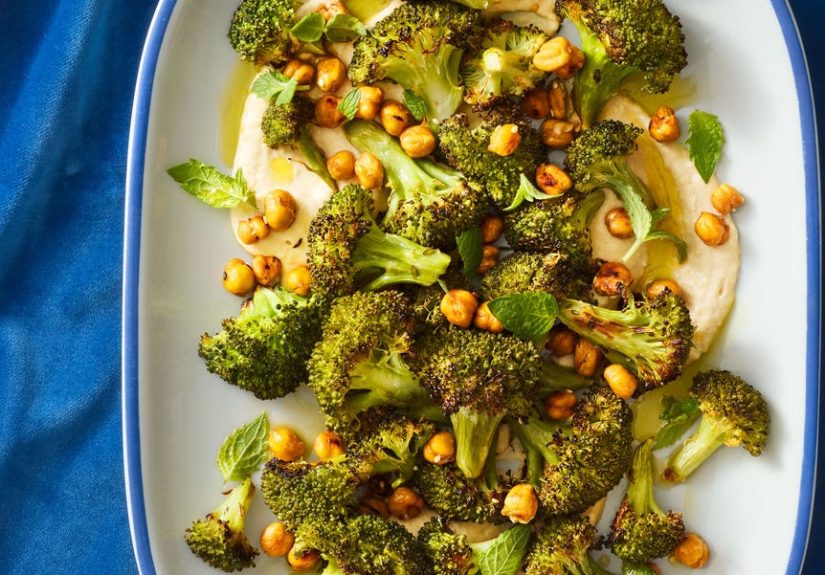
Also solid: Chickpea pasta with roasted broccoli, cherry tomatoes, garlic, olive oil, lemon, and grilled salmon.
Less helpful as a daily habit: Refined pasta with Alfredo, sausage, bacon, extra cheese, and garlic bread.
The point is not perfection. It is direction. If most of your pasta meals move toward more fiber and less saturated fat, you are likely heading the right way.
What about pasta, triglycerides, and blood sugar?
This is where the conversation gets a little more layered. Cholesterol is not the only marker that matters. If you also have high triglycerides, insulin resistance, prediabetes, or diabetes, portion size and carbohydrate quality deserve extra attention. Pasta is still possible, but balance becomes even more important.
Pairing pasta with fiber, protein, and healthy fats can help slow the meal down, nutritionally speaking. Whole-grain or legume-based pasta may also be useful because they often provide more fiber and can be more filling. A bowl of plain refined pasta by itself is easier to overeat and may not keep you full for long. Add vegetables and protein, and suddenly the meal acts more like dinner and less like a carb cannon.
Simple rules for ordering pasta at a restaurant
If you eat out often, cholesterol-friendly pasta choices are still possible. Use these common-sense rules:
Pick tomato-based or olive-oil-based sauces more often than cream sauces. Ask for extra vegetables. Choose grilled chicken, shrimp, or seafood over fatty sausage when possible. Request cheese on the side. Split the entree or save half for later. And if the server says the portion is “normal,” remember that restaurant normal and nutrition normal are not always on speaking terms.
Practical pasta swaps that actually feel realistic
You do not need to become a totally different person to make pasta work better for cholesterol. Small swaps add up:
Use whole-wheat spaghetti instead of refined spaghetti a few nights a week. Stir lentils into marinara for a richer, more filling sauce. Add spinach or zucchini to the pan before the pasta goes in. Swap half the sausage for mushrooms. Use olive oil and garlic instead of butter as the flavor base. Mix pasta with beans so the bowl feels hearty without needing extra meat or cream.
Those kinds of changes are usually more sustainable than dramatic food rules. People do not stick with rigid diets because a blog told them to fear penne. They stick with habits that still taste good on a Wednesday night.
Everyday experiences with pasta and cholesterol
In real life, the pasta-and-cholesterol conversation usually does not happen in a doctor’s office alone. It happens in kitchens, grocery aisles, and at restaurants when people start paying attention to what their favorite meals are made of. One very common experience is simple surprise. Many people assume pasta itself is the problem, then realize their usual bowl is carrying a lot more saturated fat from cream, butter, sausage, and cheese than from the noodles. That moment changes everything, because it shifts the goal from “I can never eat pasta again” to “I need to rebuild my usual pasta meal.”
A lot of people discover that the easiest win is not removing pasta, but changing the sauce. Someone who used to eat a rich Alfredo every week may switch to a robust marinara with garlic, onion, mushrooms, and spinach and find the meal still feels comforting. Another person may start using olive oil, lemon, white beans, and roasted vegetables instead of butter and cream. The funny part is that once the meal has enough texture and flavor, the missing heavy sauce is often less missed than expected.
Another common experience is learning what a serving looks like. At home, it is easy to pour pasta into boiling water with the confidence of a person feeding a soccer team. Then dinner arrives, and what was supposed to be two servings becomes four. People trying to improve cholesterol often find that when they plate a more moderate portion and fill the rest of the bowl with vegetables and lean protein, they still leave the table satisfied. The meal looks more colorful, feels less heavy, and does not come with the post-dinner slump that sometimes follows a giant plate of noodles.
There is also the grocery-store learning curve. Many people start reading labels for the first time and notice big differences among pasta types and sauces. One jar of sauce may be mostly tomatoes, herbs, and olive oil, while another turns out to be a creamy, sodium-heavy ambush. Some people end up liking whole-wheat pasta right away; others decide it is fine in certain dishes but not all. Bean-based pasta gets especially mixed reviews. For some households, it becomes a weekly staple. For others, it is more of a “nice try, but let’s save that for cold pasta salad” situation. That is normal. Heart-healthy eating works better when it adapts to real preferences.
People also notice how much toppings matter. Replacing sausage with lentils, turkey, grilled chicken, tuna, or salmon can make a meal feel lighter while still offering protein. Using a small amount of sharp cheese instead of a blanket of shredded cheese often gives enough flavor without overwhelming the dish. These are the kinds of practical changes that feel manageable, which is why they tend to last.
Perhaps the most useful experience people report is this: once they stop treating pasta as forbidden, they stop bouncing between restriction and overdoing it. Pasta becomes just another food they know how to handle. That mindset is often more powerful than any single ingredient swap. A sustainable cholesterol-friendly diet is not built on fear. It is built on better patterns, repeated often enough that they start to feel normal.
Conclusion
Pasta does not deserve all the blame it gets. If you are watching cholesterol, the smarter move is to focus on the whole meal: choose more fiber-rich pasta when you can, keep portions reasonable, load up on vegetables, lean into beans and lean proteins, and treat creamy, meat-heavy add-ons like occasional extras instead of everyday defaults. Pasta can absolutely fit into a heart-healthy lifestyle. It just works best when the bowl has good company.