Table of Contents >> Show >> Hide
Note: This article is for educational purposes only and is not a substitute for medical advice, diagnosis, or treatment.
Menstrual cups used to sound like one of those “cool in theory, mildly terrifying in practice” period products. Now they’re firmly in the mainstream. You can find them in pharmacies, big-box stores, online shops, and probably in at least one group chat where somebody swears it “changed their life.” That is a bold claim for a tiny silicone cup, but in many cases, it’s not hype.
A menstrual cup is a reusable period product that sits inside the vagina and collects menstrual fluid instead of absorbing it the way tampons do. That simple difference explains a lot of the buzz. Many users like menstrual cups because they can last for years, reduce monthly spending, hold more fluid than some disposable products, and create less waste. On the flip side, they also have a learning curve, and yes, there may be a little trial, error, and bathroom acrobatics at first.
If you’re wondering how menstrual cups work, whether they’re safe, and whether the pros outweigh the cons, here’s the full breakdown in plain English. No fearmongering. No fake miracle claims. Just real, practical information with enough detail to help readers decide whether a period cup belongs in their routine.
What Is a Menstrual Cup?
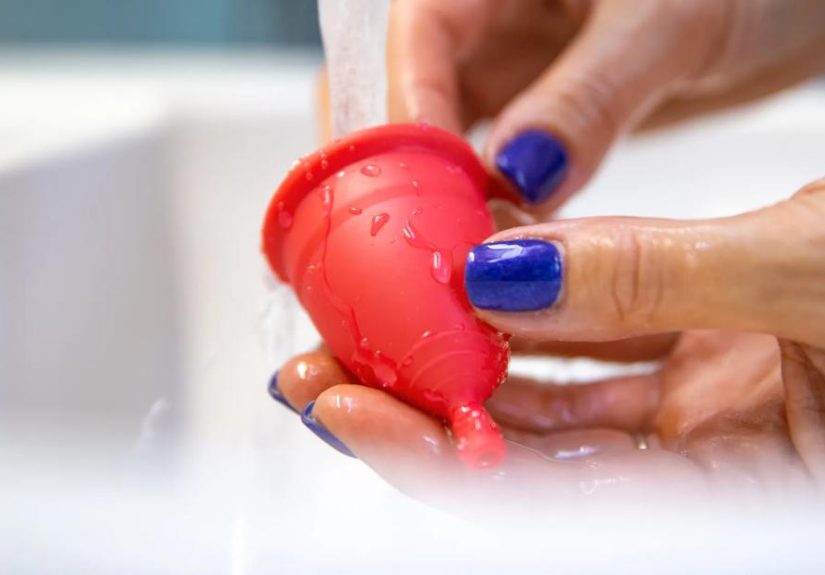
A menstrual cup is a small, flexible cup, usually made from medical-grade silicone, rubber, or latex, that is folded and inserted into the vagina during a period. Once inside, it opens and forms a seal with the vaginal walls. Instead of soaking up blood, it collects menstrual fluid until the user removes, empties, rinses, and reinserts it.
Most menstrual cups are bell-shaped and have a short stem, ring, or grip at the bottom to help with removal. They usually come in different sizes or firmness levels. Some brands market options based on age, flow level, pelvic floor tone, or whether someone has given birth, but the “right” fit often comes down to anatomy, comfort, and trial and error rather than a single perfect rule.
Reusable menstrual cups are the most common type, though disposable cups and menstrual discs also exist. The important distinction is this: a classic menstrual cup sits in the vaginal canal and creates a seal to collect period blood.
How Menstrual Cups Work
Insertion
To use a menstrual cup, you fold it so it becomes smaller and easier to insert. Common folding methods include the C-fold, punch-down fold, and 7-fold. Once the cup is inside, it should open fully and sit lower than a tampon, but still comfortably inside the body.
The cup works best when it seals properly. If the seal is off, the cup may leak, feel uncomfortable, or seem to shift. A light twist, a gentle nudge, or running a finger around the base can help check whether it has opened.
Wear Time
One of the biggest selling points of menstrual cups is wear time. Many brands and health sources say a cup can often be worn for up to 12 hours, depending on the product and how heavy the flow is. On a lighter day, that can feel gloriously low-maintenance. On a heavy day, it may need to be emptied sooner.
In other words, a menstrual cup is not a “set it and forget it forever” gadget. It’s more like a practical teammate that needs occasional attention. The better you understand your flow, the better the cup works for you.
Removal
To remove the cup, you should not yank on the stem like you’re starting a lawn mower. The seal must be broken first. Most users do this by pinching the base of the cup and gently wiggling it downward. Once removed, the fluid is emptied into the toilet, the cup is rinsed or washed, and then it can be reinserted.
This is the part that causes the most anxiety for first-time users, but it usually gets easier with practice. The first cycle can feel clumsy. The second cycle is often better. By the third, many people start acting like they’ve joined a secret society of reusable period product veterans.
Are Menstrual Cups Safe?
For most users, menstrual cups are generally considered safe when they’re used and cleaned properly. Research reviews and guidance from major health organizations suggest that menstrual cups can be an effective and acceptable option for menstrual care. They are widely used by teens and adults and can be a reasonable choice even for people who are new to internal period products.
That said, “generally safe” does not mean “zero risk.” Like tampons and other internal products, menstrual cups still require hygiene, correct wear time, and attention to symptoms that don’t seem normal.
Cleaning Matters
Good menstrual cup safety starts with clean hands and a clean cup. Before first use, many products recommend boiling the cup to sanitize it. During a period, the cup should be emptied on schedule, washed according to product instructions, and reinserted. Between cycles, it should be cleaned and stored properly in a breathable pouch or container recommended by the manufacturer.
Skipping the cleaning routine is a bad bargain. A menstrual cup saves money over time, but not if it’s treated like a forgotten coffee mug at the back of a desk.
Toxic Shock Syndrome: Rare but Serious
Menstrual cup safety conversations almost always include toxic shock syndrome, or TSS. This is a rare but serious condition linked to toxins produced by certain bacteria. TSS has historically been associated more strongly with high-absorbency tampons, but rare cases have also been reported with menstrual cup use.
The key point is balance: the risk appears to be low, but it is not imaginary. That’s why proper hygiene, following wear-time instructions, and paying attention to warning signs matter. Symptoms that need urgent medical attention can include sudden fever, vomiting, diarrhea, dizziness, faintness, low blood pressure, confusion, or a rash that looks like a sunburn.
Can You Use a Menstrual Cup With an IUD?
Sometimes, yes, but with caution. Some clinicians note that there have been infrequent reports of people accidentally pulling on IUD strings while removing a menstrual cup, which may dislodge the device. That doesn’t mean everyone with an IUD must avoid cups, but it does mean cup removal technique matters. If someone has an IUD and wants to use a menstrual cup, it’s smart to ask a clinician for individualized guidance.
When to Check In With a Doctor
- Severe pain during insertion or removal
- A cup that repeatedly leaks despite correct placement attempts
- Unusual odor, itching, or irritation that doesn’t go away
- Inability to remove the cup
- Fever, rash, dizziness, vomiting, or faintness while using it
Pros of Menstrual Cups
1. They Can Save Money
This is one of the biggest reasons people switch. Instead of buying pads or tampons every month, a reusable menstrual cup may last for years if it’s cared for correctly. The upfront cost is higher than a box of disposables, but the long-term math is often very friendly.
2. They Create Less Waste
If sustainability is a priority, reusable period products have obvious appeal. A menstrual cup can replace a large amount of disposable period waste over its lifespan. For people trying to cut back on single-use products, this is a meaningful advantage.
3. Longer Wear Time Can Feel Convenient
A product that may last up to 12 hours, depending on flow, can make school, work, travel, sports, and overnight use much easier. Many users like not having to think about their period every few hours.
4. It May Hold More Fluid Than Some Disposable Products
Because a menstrual cup collects rather than absorbs, it can be especially appealing to people who want fewer changes during the day. That does not mean it’s leak-proof for everyone, but it often offers a strong capacity advantage.
5. Some Users Find It Comfortable
Once inserted correctly, a menstrual cup should not feel like much of anything. Many users report that after they get the fit right, they can exercise, swim, walk around all day, and even forget it’s there. That is probably the highest compliment any period product can receive.
6. Less Last-Minute Panic Shopping
With a reusable cup, there’s no monthly “surprise, we’re out of tampons” moment. If the cup is clean and stored properly, it’s ready when the period shows up uninvited, which it often does with suspiciously bad timing.
Cons of Menstrual Cups
1. There’s a Learning Curve
Let’s be honest: few people become a menstrual cup expert in five minutes. It can take time to learn how to fold it, insert it, get the seal right, remove it without spilling, and figure out how often it needs emptying. That adjustment period is normal.
2. Removal Can Be Messy
This is not the product’s best PR moment. If removal happens in a public restroom stall with no sink nearby, things can feel less elegant than the marketing photos suggest. Many beginners prefer to practice at home or in the shower.
3. Finding the Right Fit Can Take Trial and Error
Some cups are softer, some are firmer, some are shorter, and some are better for heavier flow. If the cup is not a good fit, it may leak, feel uncomfortable, or be harder to remove. Sometimes the first cup works beautifully. Sometimes it becomes an expensive lesson in personal anatomy.
4. Cleaning Is Not Optional
Reusable products come with reusable-product responsibilities. A menstrual cup has to be washed after use and sanitized between cycles. People who want a completely hands-off period product may find that annoying.
5. It’s Not Everyone’s Favorite Option
Some people simply prefer pads, tampons, or period underwear. That’s not failure. It’s called having preferences. The best period product is the one that feels safe, practical, and comfortable for the individual using it.
How to Use a Menstrual Cup More Successfully
Practice on a Low-Stress Day
Trying a menstrual cup for the first time while rushing out the door is a terrible audition. It’s easier to learn when there’s time to relax, read the instructions, and not panic just because the bathroom clock is judging you.
Use Water or a Water-Based Lubricant if Needed
A little moisture can make insertion easier, especially for beginners. This can reduce frustration and help the cup slide into place more comfortably.
Track Your Flow
If you know your heavier and lighter days, you can plan when to empty the cup more often. This helps prevent leaks and makes the whole routine feel more predictable.
Wear a Backup Product at First
Many beginners pair a menstrual cup with a liner or period underwear during the first few cycles. That takes the pressure off while they learn fit and timing.
Read the Manufacturer’s Instructions
Not all cups are identical. Some have slightly different cleaning guidance, replacement timelines, or design tips. Period products are one of those categories where the instructions are not just decorative literature.
Who Might Like Menstrual Cups the Most?
Menstrual cups may be especially appealing to:
- People who want a reusable period product
- Shoppers trying to lower long-term period costs
- Users who want longer wear time than many disposables offer
- Athletes, swimmers, travelers, and anyone who prefers fewer product changes
- People who don’t mind a more hands-on routine
They may be less appealing to people who dislike insertion, want the simplest possible cleanup, or feel stressed by the idea of folding, sealing, and removing an internal device.
Final Verdict: Are Menstrual Cups Worth Trying?
For many people, yes. Menstrual cups can be cost-effective, lower-waste, comfortable, and surprisingly convenient once the technique clicks. They are not magic, and they are not universally loved. But they are a legitimate, research-supported period care option with clear benefits.
The biggest thing to know is that first impressions can be misleading. A clumsy first attempt does not mean menstrual cups are a bad product. It may just mean the user is still learning. On the other hand, if someone gives menstrual cups an honest try and decides they’d rather never negotiate with a silicone bell again, that is also a perfectly respectable conclusion.
Period care is personal. The best choice is not the trendiest product, the most eco-friendly product, or the product with the loudest online fan club. It’s the one that fits real life, real comfort, and real health needs.
Real-World Experiences With Menstrual Cups
Many people who switch to menstrual cups describe the first month as awkward, the second month as educational, and the third month as the point where everything suddenly makes sense. That pattern shows up again and again in conversations about reusable period products. The early challenge usually is not whether the cup works at all. It’s learning how your body wants it to work.
A common first experience is insertion taking longer than expected. A beginner may stand in the bathroom wondering why a small folded cup suddenly feels like advanced engineering. Then they discover that angle matters, relaxation matters, and the right fold matters even more than confidence. Once they find a method that works, the process often becomes much faster and less intimidating.
Leakage is another common part of the learning phase. Someone may insert the cup, feel certain they have mastered it, and then discover a small leak a few hours later. Usually, that turns into a practical lesson rather than a disaster. They learn the cup was not fully opened, the seal was incomplete, or the cup needed to sit slightly differently. This is why many experienced users recommend pairing the cup with period underwear or a liner during the first few cycles.
People with active schedules often talk about the convenience factor once they get comfortable using a cup. Students like not having to carry around multiple disposable products. Travelers like packing one small reusable item instead of a bulky stash of supplies. Swimmers and athletes often appreciate a product that stays internal and can handle movement more easily than a pad. For these users, the cup starts to feel less like a trendy alternative and more like a practical daily tool.
Overnight use is another experience people often mention. Many users like the idea of going to bed and not worrying as much about changing products in the middle of the night. That peace of mind can be a major reason they stick with the cup. Still, heavy-flow users often say they had to learn their limits and empty it before bed and right after waking.
Public restrooms get mixed reviews. Some users are completely unfazed and manage cup changes with the efficiency of seasoned pros. Others absolutely hate dealing with rinsing or wiping the cup in a stall with no sink nearby. That is often the moment when a cup user becomes either extremely adaptable or deeply opinionated.
Fit can shape the whole experience too. One person may love a softer cup because it feels more comfortable. Another may need a firmer cup that opens more easily. Someone with an IUD may feel comfortable using a cup only after learning careful removal techniques and talking to a clinician. These details explain why menstrual cup reviews can seem wildly different from one person to another.
What most successful cup users have in common is patience. They treat the first cycles as practice, not proof of failure. And once the cup routine becomes familiar, many say the payoff is worth it: fewer store runs, lower long-term cost, less waste, and a period product that eventually feels ordinary instead of complicated. That may be the most realistic menstrual cup experience of all: not instant perfection, but steady improvement until it becomes part of normal life.