Table of Contents >> Show >> Hide
- What is the microbiome, exactly?
- What is microbiome testing?
- Why microbiome testing is exciting
- Why doctors are cautious about at-home microbiome tests
- What microbiome tests can and can’t tell you
- Microbiome testing vs. medical stool tests
- How labs analyze microbiome samples
- Regulation and quality: why it matters
- What to do if you’re thinking about buying a microbiome test
- Can you improve your microbiome without testing?
- When to skip the at-home test and call a doctor instead
- Real-world experiences people report with microbiome testing (expanded section)
- Final takeaway
Your gut microbiome is having a moment. It’s in podcasts, wellness ads, supplement labels, and probably in a group chat where someone swears a stool test changed their life. And to be fair, the microbiome is fascinating: trillions of microbes living in and on your body, helping with digestion, immunity, and more.
But here’s the plot twist: microbiome science is moving fast, while microbiome testing for everyday consumers is still catching up. That doesn’t mean all testing is useless. It does mean you should know what these tests can do, what they can’t do, and when a regular medical stool test is the better choice.
In this guide, we’ll break down how microbiome testing works, what the reports really mean, why doctors are cautious, and how to make smarter decisions if you’re curious about your gut health. Think of this as your “read before swabbing” guide.
What is the microbiome, exactly?
The microbiome is the collection of microorganisms (like bacteria, fungi, and viruses) and their genes that naturally live in and on your body. Your gut microbiome gets the most attention because it plays a big role in digestion, immune function, and how your body interacts with food and the environment.
Scientists have learned a lot from large research efforts, including the Human Microbiome Project. That research helped map microbial communities and showed just how complex human microbial ecosystems really are. Translation: there is no single “perfect” gut profile that everyone should match.
In fact, one of the biggest lessons from microbiome research is variability. Two healthy people can have very different microbial patterns. So when a test report says your microbiome is “out of balance,” the obvious follow-up question is: compared with whom?
What is microbiome testing?
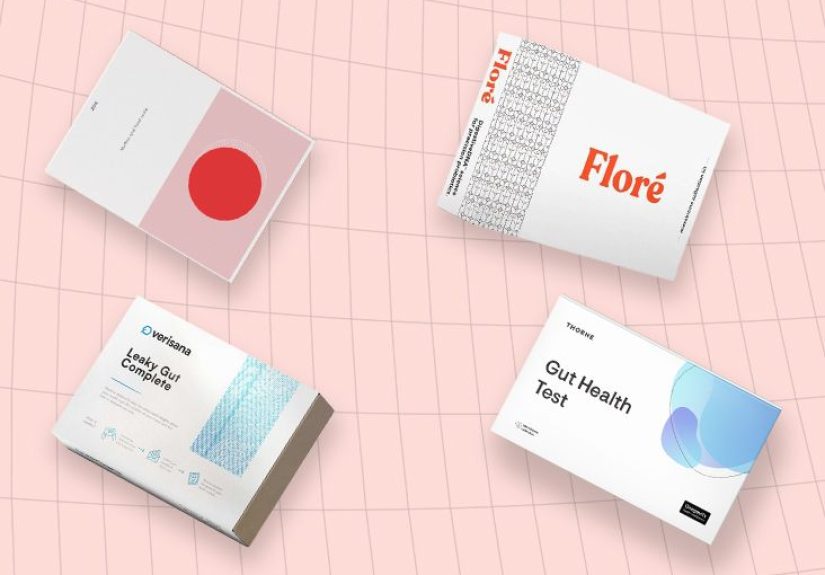
Most consumer microbiome testing is an at-home stool test. You collect a sample (usually with a swab, wipe, or collection kit), mail it to a lab, and receive a report that estimates which microbes are present and in what relative amounts.
Some reports also include:
- “Diversity” scores
- Comparisons to the company’s internal reference population
- Food recommendations
- Supplement suggestions (sometimes conveniently sold by the same company)
- Trend tracking if you repeat the test
On paper, it sounds amazing. In practice, it’s more like getting a very detailed weather report for a climate system scientists are still learning to predict.
Why microbiome testing is exciting
Let’s give credit where it’s due: microbiome testing is built on a real and important area of science. Researchers continue to find links between the gut microbiome and conditions such as inflammatory bowel disease, metabolic disease, liver disease, and some gut-brain disorders.
Testing also appeals to people because it feels proactive. Instead of waiting until you’re sick, you’re trying to understand your body earlier. That’s not a bad instinct. Curiosity about health is often the first step toward better habits.
There’s also a practical benefit for research and future medicine. Stool is relatively easy to collect, which makes it useful in studies and helps researchers track changes over time. That accessibility is one reason microbiome science has grown so quickly.
Why doctors are cautious about at-home microbiome tests
Here’s the key point: many healthcare providers do not currently use or recommend consumer microbiome tests for routine care. Not because they hate innovation. Because the science needed to turn these reports into accurate, personalized medical advice is still limited.
1) We still don’t know what “normal” means for everyone
Healthy microbiomes vary a lot from person to person. Diet, age, lifestyle, medications, geography, and even recent illness can change the microbiome. So a single snapshot may not tell you whether something is actually wrong.
In other words, your gut microbiome is not a standardized school uniform. It’s more like a neighborhood with different residents, shifting traffic, and occasional construction.
2) Different tests may use different methods
Not all microbiome tests are built the same. Labs may use different sampling instructions, storage methods, sequencing techniques, databases, and algorithms. Those differences can affect your results.
Researchers have shown that technical choicessuch as which sequencing primers are used or whether the lab uses 16S sequencing vs. shotgun metagenomicscan change what the test “sees.” That makes comparison across companies tricky, and it’s one reason doctors often hesitate to make medical decisions from direct-to-consumer reports alone.
3) Stool is useful, but it has limitations
Stool is the most convenient sample for gut microbiome testing, but it doesn’t perfectly represent every part of your gastrointestinal tract. Microbes attached to the gut lining or living in other regions may be underrepresented in stool-based testing.
That means a stool test can be informative for some questions, but it’s not a full map of your entire digestive ecosystem.
4) A report is not the same as a diagnosis
This is a big one. A consumer microbiome report might flag “low diversity” or “high abundance” of certain bacteria, but that does not automatically diagnose a disease. Medical diagnosis usually requires symptoms, clinical history, physical exam, and sometimes targeted testing.
A growing international consensus in the medical literature has emphasized that evidence for routine clinical use of microbiome diagnostics is still limited, and that standards for regulation, reporting, and clinical value need to be stronger.
5) Some reports come with sales pitches
Many people are surprised by this: some companies that sell microbiome tests also sell probiotics or supplements recommended in the results. That doesn’t automatically make the recommendations wrong, but it does create a built-in conflict of interest.
If your test report ends with “You need these 11 products,” take a breath. Maybe your gut needs support. Maybe your shopping cart does not.
What microbiome tests can and can’t tell you
What they can sometimes do
- Show a broad overview of microbial composition in your stool sample
- Track changes over time (within the same company and method)
- Encourage useful lifestyle conversations about diet, sleep, and antibiotics
- Help you ask better questions when talking with a healthcare provider
What they usually can’t do (at least not reliably yet)
- Diagnose IBS, IBD, infections, or food intolerances on their own
- Prove that a microbial pattern is causing your symptoms
- Tell you the “perfect” probiotic for your body with medical certainty
- Replace clinical testing when you have red-flag symptoms
The most common mistake people make is treating a microbiome report like a lab diagnosis. It’s more accurate to think of it as an emerging wellness data pointnot a final medical answer.
Microbiome testing vs. medical stool tests
This is where confusion happens all the time. “Stool test” is a broad term, and not all stool tests are microbiome tests.
Healthcare providers commonly order stool tests for specific, evidence-based reasons, including:
- C. diff testing (to check for Clostridioides difficile infection)
- Fecal culture (to look for organisms causing GI symptoms)
- Ova and parasite (O&P) test (to check for intestinal parasites)
- Fecal calprotectin (to check for intestinal inflammation)
- Other stool tests for blood, digestive markers, or infections
These are targeted diagnostic tests used to answer specific clinical questions. If you have persistent diarrhea, fever, blood in stool, severe abdominal pain, unexplained weight loss, or symptoms after antibiotic use, a regular medical stool test may be far more useful than a consumer microbiome panel.
In fact, doctors often care less about your “microbial diversity score” and more about whether you have an infection, active inflammation, or another urgent issue that needs treatment now.
How labs analyze microbiome samples
Most microbiome testing relies on DNA sequencing. The two most common approaches are:
16S rRNA sequencing
This method targets a bacterial gene used like a barcode. It’s commonly used because it’s relatively established and cost-effective. It can provide a general bacterial profile, often at the genus level, but may have limited resolution for species or strain-level analysis.
Shotgun metagenomic sequencing
This method sequences much more of the genetic material in a sample, which can provide more detailed information and potentially capture more types of microbes. It can offer deeper insights, but it’s also more technically demanding and still affected by sample handling and analysis differences.
Bottom line: fancier sequencing does not automatically equal clinically actionable results. The method matters, but so do the reference data, interpretation standards, and whether there’s proven evidence linking the findings to a treatment decision.
Regulation and quality: why it matters
Consumer microbiome testing exists in a gray zone that many people don’t realize is gray. Some products are marketed as wellness tools rather than diagnostic medical tests, which can affect how they’re regulated and what claims they make.
Researchers and public health experts have raised concerns about gaps in oversight, including questions about analytical validity (does the test measure what it claims?) and clinical validity (do the results meaningfully predict health outcomes?). That doesn’t mean every company is carelessbut it does mean consumers should read the fine print and keep expectations realistic.
Also important: microbiome testing is not the same as microbiome treatment. The FDA does oversee certain fecal microbiota products used in medicine, including FDA-approved products for preventing recurrent C. difficile infection in specific patients. That’s a clinical use case with different standards, evidence, and risk management than a mail-in wellness test.
What to do if you’re thinking about buying a microbiome test
Ask these 8 smart questions first
- What question am I trying to answer? Curiosity is fine. Diagnosing chronic symptoms is a different goal.
- Is the company clear about limitations? Trust companies that admit uncertainty.
- Do they explain the method? Look for plain-language info on sampling, sequencing, and analysis.
- Do they use their own “ideal microbiome” benchmark? If yes, remember that “ideal” may be company-specific.
- Do they sell supplements tied to the report? If yes, read recommendations extra carefully.
- Will I repeat the test using the same provider? Trend tracking is more useful when the method stays consistent.
- Am I ignoring symptoms that need medical care? Never use a wellness test to delay care for red-flag symptoms.
- Can I discuss results with a clinician? A GI doctor or primary care provider can help separate signal from noise.
Red flags in marketing language
- “Diagnose your gut condition at home”
- “Scientifically proven personalized cure”
- “One test explains all your symptoms”
- “Doctor-level results without a doctor”
If a company sounds like it discovered the secret to human biology between lunch and a product launch, proceed with caution.
Can you improve your microbiome without testing?
In many cases, yesand this is the funny part. Some of the most evidence-supported ways to support gut health are the same boring-but-effective habits your future self keeps begging you to do:
- Eat more fiber-rich foods (beans, vegetables, fruits, whole grains)
- Include a variety of plant foods
- Limit ultra-processed foods when possible
- Use antibiotics only when medically necessary
- Sleep, move, hydrate, repeat
Research from U.S. institutes continues to show that diet can change the microbiome and affect metabolism. That doesn’t mean one “microbiome diet” fits everyone, but it supports the idea that everyday habits matter a lotsometimes more than a glossy report card from your poop.
Probiotics may help in some situations, but they’re not universally effective and they’re not risk-free for everyone. Probiotic effects can vary by strain, product, and condition. If you have a serious illness, a weakened immune system, or you’re choosing products for an infant, talk with a healthcare professional first.
When to skip the at-home test and call a doctor instead
If you have any of the following, prioritize medical care over consumer microbiome testing:
- Blood in your stool
- Severe or persistent diarrhea
- Fever with GI symptoms
- Unintentional weight loss
- Nighttime symptoms that wake you up
- Ongoing symptoms after antibiotics
- Signs of dehydration
- Severe abdominal pain
These symptoms may require targeted stool testing, blood work, imaging, or GI evaluation. A microbiome wellness test is not designed to rule out serious disease.
Real-world experiences people report with microbiome testing (expanded section)
To make this practical, let’s talk about common experiences people have with microbiome testing. These are not one person’s medical recordsthey’re patterns clinicians and health writers hear again and again.
Experience #1: “The report was interesting, but I didn’t know what to do next.”
This is probably the most common reaction. People receive a beautiful dashboard with charts, percentages, and color-coded warnings, then realize the report doesn’t clearly explain what changes are realistic, urgent, or even meaningful. They may get advice like “eat more polyphenols” or “support diversity,” which is not bad advice, but it’s also not very different from mainstream nutrition guidance.
Experience #2: “My results changed a lot after a second test.”
Sometimes people retest after a few weeks and the report looks different. That can happen for several reasons: diet changes, illness, travel, medications, stress, or normal microbiome fluctuation. It can also happen because sample collection and lab processing vary. This can be educational if you understand the limitsbut frustrating if you expected a stable “identity card” for your gut.
Experience #3: “It pushed me to improve my habits.”
Not all outcomes are disappointing. For some people, microbiome testing becomes a motivation tool. They start eating more fiber, cooking more at home, and paying attention to how antibiotics affect their digestion. Even if the report itself isn’t a medical diagnosis, the behavior change can still be valuable. Sometimes the best result of a fancy test is that it reminds you to buy groceries with colors other than beige.
Experience #4: “I spent a lot on supplements and didn’t feel better.”
This one comes up often too. People get a report, buy several recommended supplements, and expect symptom relief. When symptoms continue, they feel discouragedor worse, they delay seeing a doctor. This is exactly why clinicians warn that microbiome reports are not a substitute for diagnosis. Persistent symptoms need proper evaluation, especially if they’re severe, worsening, or accompanied by red-flag signs.
Experience #5: “My doctor wasn’t impressed.”
Some patients bring microbiome reports to a medical appointment expecting immediate answers. Many doctors are supportive of the curiosity but cautious about the interpretation. A GI specialist might say, “This is interesting, but I can’t diagnose you from this,” and then order a fecal calprotectin test, a C. diff test, or another targeted workup based on your actual symptoms. It can feel anticlimactic, but it’s usually the right move.
Experience #6: “It helped me ask better questions.”
This is the sweet spot. People who benefit most from microbiome testing often use it as a conversation starter, not a final answer. They ask smarter questions about diet, antibiotics, probiotics, bowel habits, and what tests are actually evidence-based for their symptoms. In that role, microbiome testing can be usefulless like a diagnosis machine, more like a curiosity engine.
The takeaway from these experiences is simple: microbiome testing is best used with humility. It can be informative, motivating, and sometimes genuinely helpful. But it works best when paired with critical thinking, symptom awareness, and real medical care when needed.
Final takeaway
Microbiome testing is one of the most exciting areas in modern health scienceand one of the easiest to overhype. The gut microbiome matters. Research is real. But today’s consumer tests often provide more possibility than certainty.
If you want to try a microbiome test, go in with smart expectations: treat it as an educational wellness tool, not a diagnostic verdict. If you have symptoms, especially serious or persistent ones, work with a healthcare professional and use targeted medical testing when appropriate.
Your gut may be complicated, but your strategy doesn’t have to be: stay curious, be skeptical of miracle claims, and let sciencenot marketingdrive the next step.