Table of Contents >> Show >> Hide
- Why Pickles Sound So Good During Pregnancy
- Are Pickles Safe During Pregnancy?
- Nutritional Pros and Cons of Pickles During Pregnancy
- How to Enjoy Pickles During Pregnancy Without Overdoing It
- When a Pickle Craving Is Worth Bringing Up to Your Provider
- How to Choose the Best Pickles During Pregnancy
- Myths About Pickles and Pregnancy
- Real-Life Pickles and Pregnancy Experiences
- Conclusion
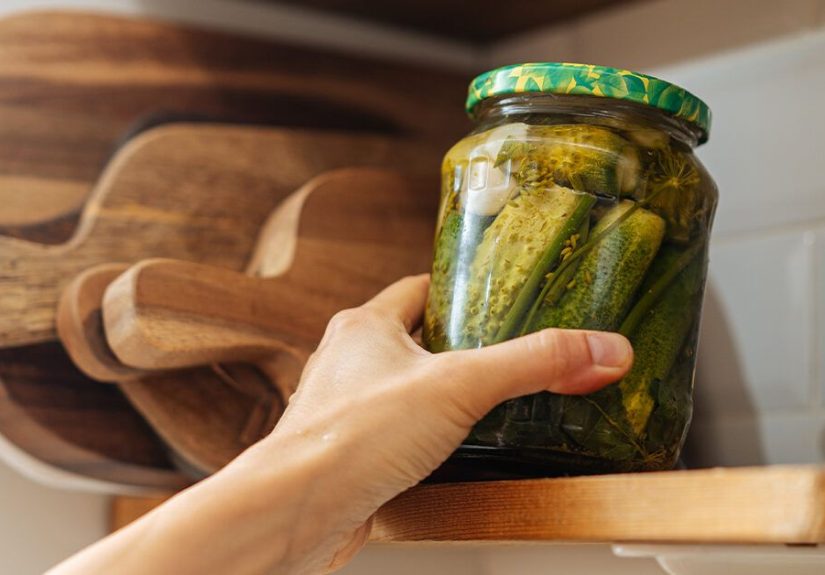
Pregnancy cravings have a way of turning ordinary foods into headline news. One day you are a reasonable person. The next day you are standing in the kitchen at 10:14 p.m., holding a jar of dill pickles like it contains the secrets of the universe. If that sounds familiar, welcome to the club. Pickles and pregnancy have become a pop-culture pairing for a reason, but the real story is a little more interesting than the old joke.
Yes, pickles can absolutely fit into a healthy pregnancy diet. They are usually low in calories, crunchy enough to satisfy a texture craving, and bold enough to break through nausea, a metallic taste, or a suddenly dramatic sense of smell. But they are not a nutritional superstar just because they are green and cucumber-adjacent. The biggest issue is usually sodium, while the biggest practical concern is food safety and overall diet balance.
This guide breaks down why pickle cravings happen, what pickles actually offer nutritionally, when they are safe during pregnancy, and how to enjoy them without turning your daily salt intake into a full-contact sport.
Why Pickles Sound So Good During Pregnancy
Hormones, taste changes, and the craving circus
Pregnancy can change the way food smells, tastes, and feels. Foods you once loved may suddenly seem suspicious, while sharper flavors can become oddly appealing. Pickles check a lot of boxes at once: sour, salty, cold, crunchy, and easy to grab. That combination can feel especially satisfying when your stomach is finicky and your taste buds are behaving like unpaid interns.
For many pregnant people, cravings and aversions show up early and then evolve over time. Sometimes the appeal of pickles is simple comfort. Sometimes it is about texture. Sometimes it is because plain foods taste boring, but a crisp dill spear still feels exciting. Pregnancy can be glamorous like that.
Do pickle cravings mean your body needs something?
Maybe a little, but not always in the dramatic way people imagine. Some cravings may relate to appetite shifts, nausea management, changing taste preferences, hydration habits, or the body’s increased nutritional demands during pregnancy. But a craving does not automatically mean your body is sending a precise memo that reads, “Please consume three kosher dill spears immediately for sodium restoration.”
In other words, craving pickles does not necessarily mean you are deficient in salt, minerals, or anything else. It usually means they sound good. Pregnancy is complicated, but it is not always mysterious.
Are Pickles Safe During Pregnancy?
The short answer
Yes, pickles are generally safe during pregnancy when they are properly prepared, stored, and eaten in reasonable portions. Pickles are not usually listed among the major foods pregnant people are told to avoid, such as raw seafood, undercooked meat, unpasteurized dairy, or refrigerated deli meats that have not been heated.
That said, “safe” depends on the whole situation, not just the jar. A commercially prepared pickle from a sealed jar is one thing. A mystery pickle from an unlabeled container in the back of the fridge is another. Pregnancy is not the season for culinary gambling.
Where safety problems can actually show up
The real pregnancy food-safety concerns tend to involve contamination, poor refrigeration, recalled products, or ingredients that are riskier in general. Keep these points in mind:
- Check recalls: Any ready-to-eat food can become a problem if it is recalled. If a product has been flagged for contamination, skip it.
- Store opened jars correctly: Once opened, pickles should be refrigerated if the label says so. Use clean utensils instead of fishing around with your fingers like a raccoon in a snack drawer.
- Be careful with homemade pickles: Home canning and fermentation can be wonderful, but pregnancy is a good time to be extra cautious about foods that may not have been processed or stored safely.
- Watch the extras: A pickle on its own may be fine, but a deli sandwich with cold meats, soft unpasteurized cheese, or other higher-risk ingredients changes the equation.
If you ever eat a recalled food or develop symptoms like fever, muscle aches, or stomach illness after a suspected exposure, contact your healthcare provider promptly. That is especially important during pregnancy because foodborne illness can be more serious for both parent and baby.
Nutritional Pros and Cons of Pickles During Pregnancy
What pickles can offer
Pickles do have a few things going for them. They are usually low in calories, easy to portion, and often satisfying enough that a small serving feels like a real snack instead of a sad compromise. If you are struggling with food aversions, that matters.
Depending on the type, pickles may provide small amounts of vitamin K and other trace nutrients. Fermented pickles can also contain live microorganisms, but that depends on how they were made and whether the product still contains active cultures. Not every pickle deserves the probiotic crown. Vinegar pickles and shelf-stable pickles often do not provide the same live cultures as naturally fermented refrigerated varieties.
Pickles may also help some people eat more when nausea is getting in the way. A few bites of something salty and sour can occasionally be easier to tolerate than a larger meal. That does not make pickles a cure for morning sickness, but they can be a useful supporting character.
What pickles do not offer much of
Here is the less romantic truth: pickles are not a major source of the nutrients pregnancy needs most. They do not provide meaningful amounts of folate, iron, choline, calcium, protein, or omega-3 fats. Those nutrients matter far more than your pickle loyalty. A cucumber that took a long briny bath is still not a prenatal vitamin.
So while pickles can absolutely have a place in a pregnancy diet, they work best as a sidekick, not the lead performer. Think of them as flavor support, not nutritional infrastructure.
The sodium issue
This is the big one. Many pickles are high in sodium, and that can add up quickly if the craving turns into a daily marathon. During pregnancy, you still want an overall eating pattern that supports healthy blood pressure, good hydration, and balanced nutrition. Very salty foods can also leave you feeling thirstier or puffier, especially if the rest of your day is full of packaged or restaurant foods.
That does not mean you need to panic over a pickle spear. It means label reading is your friend. Some brands are much saltier than others, and reduced-sodium options can make a real difference if pickles are a frequent craving.
How to Enjoy Pickles During Pregnancy Without Overdoing It
Make the craving work for you
The easiest way to keep pickles in the “smart craving” category is to pair them with foods that bring more pregnancy nutrition to the table. Good examples include:
- Pickles with a turkey sandwich made with thoroughly heated meat and whole-grain bread
- Pickles next to eggs, avocado toast, or hummus
- Pickles with a grain bowl, bean salad, or a protein-rich lunch plate
- Pickle slices chopped into tuna salad, chicken salad, or yogurt-based dips
This approach gives you the flavor hit you want while helping you get protein, fiber, healthy fats, iron, or other important nutrients in the same meal.
Drink water like it is part of the recipe
If you are eating salty foods, hydration matters. Pregnancy increases fluid needs, and nausea or vomiting can make that even more important. If pickles are one of your regular cravings, balance them with plenty of water across the day. Not glamorous, but very effective.
Pay attention to heartburn
Some pregnant people love acidic foods until acid starts loving them back. If pickles seem to worsen heartburn, reflux, or stomach irritation, scale back the portion, avoid eating them late at night, or pair them with a full meal instead of eating them solo. Your throat may appreciate the truce.
When a Pickle Craving Is Worth Bringing Up to Your Provider
Most pickle cravings are harmless. Still, there are a few situations where it makes sense to mention them at a prenatal visit:
- You have high blood pressure, gestational hypertension, or a history of preeclampsia: Your clinician may want you to be more careful about very salty foods overall.
- You are vomiting often or feel dehydrated: Salt alone is not the answer if you cannot keep fluids down.
- You are craving non-food items: Cravings for ice, dirt, clay, laundry products, or other non-food substances can be a sign of pica and deserve medical attention.
- Your diet feels very limited: If nausea and aversions mean you are surviving mostly on pickles, crackers, and vibes, it is time for help.
A craving is usually just a craving. A pattern that interferes with nutrition, hydration, or blood-pressure management is a different story.
How to Choose the Best Pickles During Pregnancy
Smart shopping tips
If you want to keep things simple, use this mental checklist:
- Read the sodium line: Compare brands. The difference can be surprisingly dramatic.
- Look for shorter ingredient lists: Cucumbers, water, vinegar or brine, spices, and salt are a solid start.
- Choose reputable brands: Pregnancy is a good time to avoid sketchy packaging and mystery-market refrigeration.
- Know what kind you are buying: Fermented refrigerated pickles are different from standard vinegar pickles. Buy based on taste, tolerance, and what your stomach likes best.
- Check the jar: Avoid damaged seals, leaks, bulging lids, or off smells.
What about pickle juice?
Pickle juice has a reputation as a miracle tonic, but during pregnancy it is usually best treated as a condiment, not a beverage. A little is one thing. Regularly drinking large amounts is an easy way to rack up sodium fast. If what you really need is hydration, water is still the MVP.
Myths About Pickles and Pregnancy
“If you crave pickles, you must be having a boy.”
Fun theory. Zero reliable proof. Cravings are not a crystal ball.
“Pickles are healthy because they are vegetables.”
Technically based on a cucumber, yes. Nutritionally identical to fresh cucumbers, not even a little. Processing changes the sodium content and does not magically boost all the nutrients you need during pregnancy.
“Pickles cure morning sickness.”
They may help some people because sour or salty foods can feel easier to manage, especially in small amounts. But there is no universal anti-nausea pickle law. If nausea is severe, persistent, or causing weight loss or dehydration, talk with your provider.
Real-Life Pickles and Pregnancy Experiences
The experiences below are composite examples based on common patterns many pregnant people describe. They are included to make the topic more practical and relatable, not to replace medical advice.
One common experience is the “pickle rescue snack.” A pregnant person wakes up queasy, cannot imagine eating eggs, toast sounds boring, and the smell of coffee is suddenly offensive. But a cold pickle spear? Somehow that works. The crunch feels clean, the sourness cuts through the weird metallic taste, and a few bites make it possible to move on to a more substantial breakfast. In that situation, the pickle is not the whole meal. It is the opening act that helps the rest of breakfast happen.
Another familiar experience is the “I only wanted one, and then the jar got involved” moment. Pickles can be so easy to eat that portion size quietly disappears. Later, there is thirst, maybe some bloating, and the realization that several servings vanished during one standing-up-in-the-kitchen snack. This is where label awareness matters. Many pregnant people find that moving pickles from the jar onto a small plate helps them enjoy the craving without turning snack time into a sodium festival.
Then there is the person who loves pickles all afternoon but regrets them at bedtime. Acidic, salty foods may sit just fine earlier in the day, yet feel much less charming when reflux and heartburn show up at night. A practical adjustment is to eat pickles with lunch instead of as a late-evening snack, or to pair them with more filling foods so they are not hitting an already irritated stomach all by themselves.
Some people discover that pregnancy changes not only what they crave, but which pickles they can tolerate. The super-garlicky deli pickle that once felt exciting may suddenly seem aggressive, while a milder bread-and-butter pickle or a lower-acid variety becomes easier to handle. Others experience the exact opposite and want bold flavor only. This is a good reminder that pregnancy nutrition does not have to be perfect to be effective. Sometimes the best meal is the one you can actually eat.
There are also people who become more thoughtful shoppers because of a pickle craving. They start comparing sodium levels, choosing lower-sodium brands, checking recall notices, and reading ingredient lists more closely than ever before. What begins as a funny craving turns into a surprisingly useful nutrition habit. That is not the most glamorous pregnancy plot twist, but it is a helpful one.
And finally, there is the balanced-craving success story: the person who stops trying to “fight” the craving and instead builds it into meals that are genuinely nourishing. Pickles go into grain bowls, sit beside eggs, add zip to sandwiches, or get chopped into yogurt dips and chicken salad. They become part of a bigger strategy rather than the main event. In real life, that is often the most sustainable approach. You do not need to fear the pickle jar. You just do not need to treat it like a food group either.
Conclusion
Pickles during pregnancy are usually safe, often satisfying, and occasionally heroic when nausea, cravings, and food aversions make meals more difficult than expected. Their strengths are flavor, convenience, and the ability to make bland days less bland. Their weakness is sodium, plus the fact that they are not a major source of the nutrients pregnancy needs most.
The healthiest approach is simple: enjoy pickles in moderate portions, choose safe and well-stored products, pair them with nutrient-dense foods, drink enough water, and keep an eye on how your body responds. If you have high blood pressure, severe swelling, persistent vomiting, or non-food cravings, bring it up with your healthcare provider. Otherwise, go ahead and let the pickle have its moment. Pregnancy is already full of surprises. A crunchy one in a jar is among the more manageable ones.