Table of Contents >> Show >> Hide
- Cholesterol 101 (The Short Version That Won’t Bore You)
- The 10 Healthy Cholesterol Foods (And How to Actually Eat Them)
- 1) Oats (Oatmeal, Overnight Oats, Oat Bran)
- 2) Barley (The Underrated MVP of Whole Grains)
- 3) Beans and Lentils (Fiber + Plant Protein in a Budget-Friendly Package)
- 4) Nuts (Almonds, Walnuts, Pistachios, Pecans)
- 5) Fatty Fish (Salmon, Sardines, Trout, Herring, Mackerel)
- 6) Extra-Virgin Olive Oil (The “Swap” That Actually Feels Like an Upgrade)
- 7) Avocados (Creamy, Satisfying, and Rich in Unsaturated Fats)
- 8) Apples, Citrus, and Berries (Fruit That Pulls Its Weight)
- 9) Soy Foods (Tofu, Edamame, Tempeh, Unsweetened Soy Milk)
- 10) Plant Sterol/Stanols-Fortified Foods (Certain Spreads, Yogurt Drinks, and More)
- How to Put These Foods on Autopilot (Without Becoming a Meal-Prep Influencer)
- of Real-Life “Experience” (What People Often Notice When They Eat This Way)
Cholesterol gets a bad rap, but it’s not the villain twirling a mustache in your bloodstream. Your body actually
needs cholesterol to build cells and make certain hormones. The real drama starts when there’s too much LDL
(“bad” cholesterol) floating around, or when triglycerides are high, or when the overall mix isn’t doing your
heart any favors. The good news: your grocery cart can do a lot of heavy lifting.
This guide breaks down 10 healthy cholesterol foodsthe ones that show up again and again in
reputable heart-health guidanceplus easy, real-life ways to eat them without turning every meal into a lecture.
Expect practical tips, quick “why it works” explanations, and a few friendly reminders that you don’t have to eat
like a monk to support your numbers.
Cholesterol 101 (The Short Version That Won’t Bore You)
Think of cholesterol like passengers on a highway. LDL tends to drop off “cargo” that can build up in artery
walls over time. HDL helps move cholesterol away from arteries and back to the liver. Your food choices can tilt
that balanceespecially by lowering LDL.
How foods can help your cholesterol levels
-
Soluble (viscous) fiber forms a gel that binds bile acids in your gut. Because bile is made
from cholesterol, your body pulls more cholesterol from your blood to replace it. -
Unsaturated fats (mono- and polyunsaturated) can help when they replace saturated fats in the
dietthink olive oil instead of butter, nuts instead of chips. - Omega-3 fats (especially from fish) support heart health and can help with triglycerides.
- Plant sterols/stanols can reduce how much cholesterol your digestive tract absorbs.
One more thing before we eat our way through the list: cholesterol can be influenced by genetics, age, medical
conditions, and medications. Food matters a lotbut it’s one piece of the puzzle. If you’ve been told you have
high cholesterol, it’s smart to talk with a clinician (and if you’re a teen, involve a parent/guardian).
The 10 Healthy Cholesterol Foods (And How to Actually Eat Them)
1) Oats (Oatmeal, Overnight Oats, Oat Bran)
Oats are famous for a reason: they’re rich in beta-glucan, a type of soluble fiber that helps
lower LDL. Translation: oats are a breakfast that can actually multitask.
Make it real:
- Overnight oats with berries and cinnamon (dessert vibes, weekday effort).
- Savory oats with an egg, spinach, and a little olive oil (yes, it works).
- Use oat bran to boost fiber in pancakes or smoothies.
2) Barley (The Underrated MVP of Whole Grains)
Barley is another whole grain loaded with soluble fiberalso including beta-glucan. It’s great if you want the
cholesterol-friendly perks of oats but don’t want to eat oatmeal forever.
Make it real:
- Swap barley for rice in soup, chili, or veggie bowls.
- Try a barley “risotto” with mushrooms and parmesan (comfort food with a halo).
- Toss cooked, cooled barley into salads for chew and staying power.
3) Beans and Lentils (Fiber + Plant Protein in a Budget-Friendly Package)
Beans bring a one-two punch: soluble fiber plus plant-based protein. They’re
also naturally low in saturated fat, which is helpful when you’re trying to support LDL levels.
Make it real:
- Build a “lazy” burrito bowl: black beans, salsa, avocado, greens, and brown rice.
- Blend white beans into soup for creamy texture without heavy cream.
- Snack upgrade: roasted chickpeas instead of crackers.
4) Nuts (Almonds, Walnuts, Pistachios, Pecans)
Nuts combine unsaturated fats, fiber, and other beneficial plant compounds. They’re easy to overdo (hello, handful
turns into “why is the bag empty?”), but in sensible portions they’re a heart-smart swap for refined snacks.
Make it real:
- Keep single-serve packs (or DIY zip bags) to avoid “accidental nut dinner.”
- Add chopped walnuts to oatmeal or yogurt for crunch and staying power.
- Use slivered almonds on salads instead of croutons.
5) Fatty Fish (Salmon, Sardines, Trout, Herring, Mackerel)
Fatty fish provide omega-3 fats (EPA and DHA), which are linked to heart benefits and are especially known for
supporting triglyceride levels. Food-first wins herefish brings more than just one nutrient.
Make it real:
- Sheet-pan salmon with lemon, garlic, and green beans (minimal dishes, maximum payoff).
- Mix canned salmon or sardines into a salad with olive oil and vinegar.
- Try fish tacos: cabbage slaw + avocado + salsa = “restaurant” at home.
6) Extra-Virgin Olive Oil (The “Swap” That Actually Feels Like an Upgrade)
Olive oil is rich in monounsaturated fats and fits beautifully into heart-healthy eating patternsespecially when
it replaces saturated fats like butter. If you do nothing else, swapping the fat you cook with is a big deal.
Make it real:
- Use olive oil + herbs for a quick salad dressing (skip the sugary bottled stuff).
- Roast vegetables in olive oil instead of butter.
- Dip whole-grain bread in olive oil with pepper and a pinch of salt.
7) Avocados (Creamy, Satisfying, and Rich in Unsaturated Fats)
Avocados bring monounsaturated fats and fiber, which makes them a strong “replacement food”meaning they shine
when they take the place of higher-saturated-fat options.
Make it real:
- Avocado toast on whole-grain bread with tomato and everything seasoning.
- Use avocado slices in sandwiches instead of cheese some days.
- Blend avocado into a smoothie for creaminess (and no, it won’t taste like guacamole).
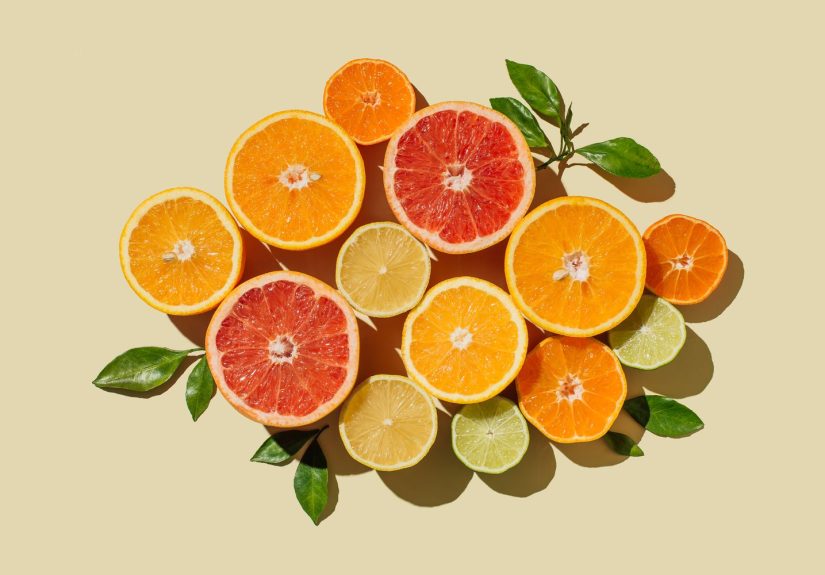
8) Apples, Citrus, and Berries (Fruit That Pulls Its Weight)
Certain fruits are particularly helpful because they’re rich in soluble fiber (like pectin) and plant compounds.
Apples and citrus are classic examples, and berries bring fiber plus antioxidants.
Make it real:
- Apple slices with a tablespoon of nut butter (sweet + satisfying).
- Berry “dessert”: frozen berries warmed with cinnamon over Greek yogurt.
- Orange segments in a salad with walnuts and a simple olive-oil vinaigrette.
9) Soy Foods (Tofu, Edamame, Tempeh, Unsweetened Soy Milk)
Soy is a practical cholesterol-friendly protein optionespecially when it replaces higher-saturated-fat meats.
It’s also incredibly flexible: tofu takes on flavors like a culinary sponge with a gym membership.
Make it real:
- Edamame with a little salt and chili flakes (snack that feels fancy).
- Stir-fry tofu with veggies in a ginger-garlic sauce.
- Use unsweetened soy milk in smoothies or oatmeal.
10) Plant Sterol/Stanols-Fortified Foods (Certain Spreads, Yogurt Drinks, and More)
Plant sterols and stanols are naturally present in small amounts in many plant foods, but some products are
fortified to provide meaningful amounts. They work by reducing cholesterol absorption in the digestive tract.
If you’re aiming for targeted LDL support, this is one of the most “direct” food strategies.
Make it real:
- Use a fortified spread on whole-grain toast (instead of butter).
- Pair fortified foods with other habits (fiber + healthy fats) for a team approach.
- Check labels for serving sizesthis is a “specific dose” type of food.
How to Put These Foods on Autopilot (Without Becoming a Meal-Prep Influencer)
The secret isn’t perfection. It’s repetition. The “cholesterol-friendly” pattern tends to look like: more plant
foods, more fiber, more unsaturated fats, and fewer sources of saturated and trans fats.
Simple swaps that add up
- Breakfast: Oats a few days a week instead of sugary cereal.
- Lunch: Add beans to salads, soups, or bowls for fiber + protein.
- Dinner: Fish twice a week; tofu or beans on another night.
- Snacks: Nuts or fruit instead of pastries or chips most days.
- Cooking fat: Olive oil more often than butter.
Quick caution that’s actually helpful
If you increase fiber fast, your stomach may protest (bloating, gasvery glamorous). Build up gradually and drink
enough water. Your gut adjusts, and then it’s smooth sailing.
of Real-Life “Experience” (What People Often Notice When They Eat This Way)
You don’t need a dramatic “new me” montage to make cholesterol-friendly eating work. In real life, it’s usually
quieter than thatmore like a series of tiny wins that stack up. One common experience people report is that the
first week feels surprisingly normal. Oatmeal doesn’t magically turn you into a superhero, and that’s the point:
the best habits are the ones you can repeat without needing a pep talk.
Many people notice the biggest change when they focus on replacements, not “restrictions.”
Swapping butter for olive oil often feels like an upgrade because food still tastes richjust differently rich.
Adding avocado to sandwiches is another one: it gives that creamy satisfaction that people used to get from
heavier spreads. In that sense, the experience is less “diet” and more “I found a better default.”
Another real-world pattern: fiber foods can change how your day feels. People often describe being fuller for
longer when breakfast includes oats or when lunch includes beans. That doesn’t mean you’ll never want snacks, but
it can make the 3 p.m. “snack emergency” less intense. A bowl of lentil soup or a bean-based chili has this
quietly powerful effect: it’s hearty without being heavy, and it tends to crowd out less helpful choices without
you having to fight yourself.
There’s also the “social life” part of eating, which is where a lot of plans go to die. A helpful experience
many people share is learning a few go-to orders or easy home meals that don’t feel like punishment. Examples:
a salmon bowl, tacos with black beans and avocado, or a tofu stir-fry that tastes like takeout. When food still
feels fun, it’s easier to stick with it long enough to matter.
Some people try plant-sterol-fortified foods because it feels like a clear, measurable strategyalmost like a
“nutritional tool.” The experience there is often about consistency: it works best when it becomes routine,
like using a particular spread on toast or choosing a specific fortified product regularly. People who like
structure tend to enjoy that approach, while others prefer the “whole foods first” path. Either way, the bigger
lesson is the same: cholesterol-friendly eating is a pattern you practice, not a rule you memorize.
Finally, a very human moment: lots of people realize they don’t need to do all ten foods perfectly. They pick
three or four favoritesoats, beans, olive oil, nutsand make those their anchors. The experience becomes less
about chasing a perfect plan and more about building a personal “short list” of foods that support heart health
and still make you happy to eat dinner.