Table of Contents >> Show >> Hide
- 1. Singapore
- 2. Hong Kong
- 3. Helsinki, Finland
- 4. Bhutan
- 5. Monteverde, Costa Rica
- 6. The Pantanal, Brazil
- 7. Hilton Head Island, South Carolina
- 8. Palau
- 9. Ljubljana, Slovenia
- 10. Sweden
- What These Places Get Right
- Extra Experiences: What It Feels Like to Visit Places Where People and Nature Live in Balance
- Conclusion
Some destinations feel like they were designed after a long, thoughtful meeting between urban planners, local communities, and a very persuasive tree. These are the places where wildlife is not treated like an inconvenient extra, green space is not an afterthought, and daily life unfolds with nature still firmly in the picture. No place is literally perfect, of course. Humans are messy, weather is dramatic, and somebody somewhere is still building an unnecessarily shiny parking lot. But a few corners of the world come impressively close.
From futuristic skylines wrapped in gardens to cloud forests protected by people who actually understand that a healthy ecosystem is better than a sad one, these destinations show what balance can look like in real life. Some are cities. Some are island nations. Some are landscapes where tourism, tradition, and conservation have learned to sit at the same table without flipping it over. If you are searching for the best places where people and nature coexist, these ten examples prove that sustainable living is not just a buzzword with reusable straws attached. It can be a way of life.
1. Singapore
A city that refuses to choose between steel and leaves
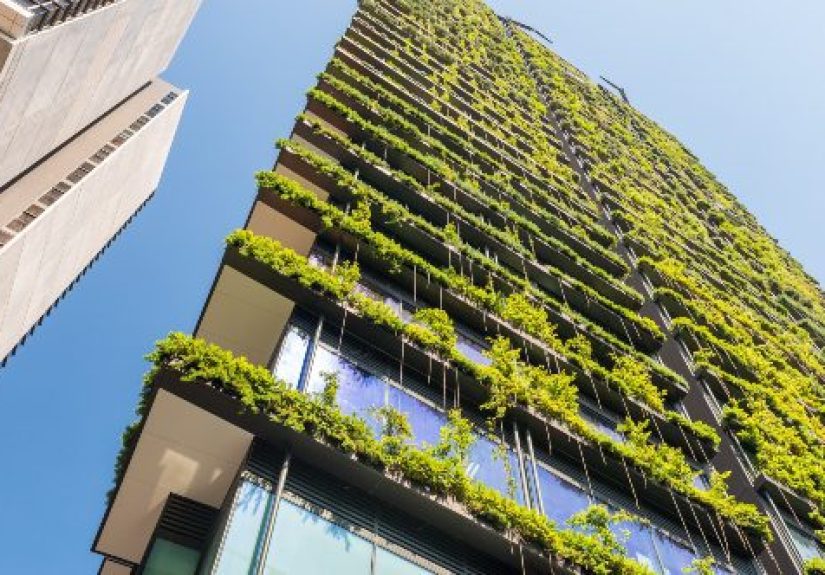
Singapore has become the poster child for urban nature done with confidence. This is a place where skyscrapers do not merely tolerate plants; they practically accessorize with them. Vertical gardens, green roofs, park connectors, waterfront promenades, and biodiverse public spaces make the city feel less like a concrete machine and more like a tropical experiment that actually worked.
What makes Singapore so compelling is that its greenery is not decorative fluff. It is part of the city’s identity and planning culture. Nature is woven into housing, transport, architecture, and recreation. You can spend the morning in a business district, the afternoon in a botanic garden, and the evening under Supertrees that somehow make “futuristic jungle” seem like a perfectly normal urban design choice.
Singapore shows that dense living does not have to mean sterile living. It proves that a modern city can still breathe, shade, cool, and delight the people who live in it. That is not magic. That is intention.
2. Hong Kong
The skyscraper city with a wild side
Hong Kong is famous for towers, neon, density, and a skyline that looks like it was assembled by ambitious giants. But step back from that image and a surprising truth appears: huge portions of Hong Kong are protected landscapes, country parks, wetlands, islands, beaches, and hiking terrain. In other words, the city has a split personality, and it works.
This coexistence feels dramatic because the contrast is so sharp. One moment you are surrounded by glass towers and tramlines. The next, you are on a trail with macaques, forested ridgelines, reservoirs, or a coastal view that makes the skyline look like it accidentally wandered into a nature documentary.
Hong Kong’s success lies in accessibility. Nature is not hidden away behind a seven-hour drive and a vague promise of “getting off the grid.” It is astonishingly close to daily life. Residents can work in a fast-paced urban core and still reach beaches, wetlands, and mountains without turning the trip into a full expedition. That kind of proximity changes how people think about the environment. It becomes part of routine, not just a special occasion.
3. Helsinki, Finland
Where city living comes with sea air and sauna steam
Helsinki has a calm confidence that many larger capitals would love to borrow. It sits among forested islands and Baltic waters, and instead of walling nature off, it lets it seep into everyday life. The result is a capital city where public saunas, waterfront swims, ferries, parks, and outdoor rituals are all woven into the urban rhythm.
In Helsinki, nature is not marketed as a separate attraction. It is simply part of how people live. Locals move between art museums, design districts, seaside walking paths, and island escapes with very little ceremony. The experience feels refreshingly unforced. No one is yelling about “disconnecting to reconnect.” They are just getting on with it.
This is one of the strongest examples of people and nature coexistence because the relationship feels mature. Helsinki does not perform sustainability like a stage trick. It practices it quietly through public access, smart planning, and cultural habits that value fresh air, water, and green space as part of a good life rather than as luxury add-ons.
4. Bhutan
A whole country built around the idea that enough is enough
Bhutan has long stood out as a rare destination where environmental protection is baked into national identity. Its reputation for forest conservation, low-impact tourism, and carbon-negative status is not just good branding. It reflects a deeper belief that development should not bulldoze beauty or culture in the process.
What makes Bhutan remarkable is the way it balances protection with lived tradition. Monasteries cling to mountainsides, farming communities remain deeply tied to the land, and tourism is shaped with far more restraint than in many bucket-list destinations. The country’s model is not about inviting endless crowds and hoping the scenery survives. It is about creating value without sacrificing the landscape that makes the place meaningful in the first place.
Bhutan feels like a reminder from a wiser relative: you do not actually need to wreck a place to make it prosperous. You can keep forests standing, culture intact, and visitor numbers intentional. Revolutionary, really.
5. Monteverde, Costa Rica
Cloud forest magic with a conservation backbone
Monteverde has the kind of scenery that makes people whisper even when no sign asks them to. Mist drifts through the canopy, suspension bridges disappear into greenery, and every branch seems to have its own tiny ecosystem. But the real story here is not just beauty. It is stewardship.
This region became a model for ecotourism by treating biodiversity as something worth protecting, not simply packaging. Reserves, research, eco-lodges, and local businesses help create an economy that depends on the forest staying alive and healthy. That changes everything. When conservation supports livelihoods, the relationship between people and nature becomes practical as well as philosophical.
Monteverde also demonstrates how scale matters. It is not trying to be the loudest destination in Central America. Its appeal comes from texture, patience, and awe. Visitors come to hike, bird-watch, learn, and slow down. In a travel world that often confuses noise with value, Monteverde’s quieter approach feels refreshingly intelligent.
6. The Pantanal, Brazil
Wildlife tourism that can protect what it celebrates
The Pantanal is one of the world’s great wetland systems, and it is also one of the strongest examples of how human communities and wildlife can shape each other’s future. This is jaguar country, bird paradise, ranchland, river network, and ecological powerhouse all at once.
For years, places like the Pantanal were often discussed through a false choice: people or wildlife. But conservation-minded tourism is helping challenge that logic. In some areas, the presence of jaguars and other charismatic species has created economic incentives for protection rather than elimination. That does not solve every conflict, but it changes the conversation in meaningful ways.
The Pantanal matters because it shows coexistence at a grand scale. Nature here is not a tidy urban park or a curated botanical display. It is big, alive, unpredictable, and economically relevant. When local livelihoods begin aligning with habitat protection, coexistence stops being a sentimental phrase and becomes a survival strategy.
7. Hilton Head Island, South Carolina
A beach destination that remembered the trees
Many resort communities treat nature like a backdrop for real estate. Hilton Head Island chose a more disciplined path. Its long-standing planning ethos centered on preserving the landscape rather than flattening it into generic beachfront sprawl. The result is a destination where boardwalks, marshes, bike paths, maritime forests, and low-profile development create a noticeably gentler relationship with the environment.
What stands out about Hilton Head is not flashy eco branding. It is the feeling that someone made a series of smart decisions and kept making them. Roads do not dominate the experience. Trees matter. Wetlands matter. Shade matters. Even simple design choices influence whether a place feels harmonious or hostile, and Hilton Head often lands on the right side of that line.
It is proof that people and nature can coexist beautifully in mainstream vacation destinations too. The lesson is encouraging: sustainability does not need to look remote, rugged, or expensive to work.
8. Palau
An island nation taking the ocean personally
Palau has earned global attention for treating marine conservation not as a side project but as national policy. Its protected waters, shark sanctuary leadership, and traveler responsibility messaging all reflect a country that understands an obvious truth many others still dodge: when your environment is your future, you protect it like you mean it.
What makes Palau especially fascinating is that it links tourism with accountability. Visitors are not just welcomed; they are asked to behave like temporary guests in a fragile home. That framing matters. It shifts the mood from consumption to respect.
Palau’s reefs, lagoons, and seascapes are breathtaking, but the real beauty is philosophical. The country has built an identity around conservation without pretending people have to disappear from the picture. Instead, it argues that responsible tourism, local culture, and ecological protection can reinforce each other. That is a much better story than paradise-for-sale.
9. Ljubljana, Slovenia
The green capital that made the car less important
Ljubljana may not be the first city that jumps into every traveler’s mind, but it is one of Europe’s most appealing examples of urban coexistence with nature. Its pedestrian-friendly center, bike culture, leafy riverbanks, and generous park access create a city that feels human in scale and refreshingly breathable.
The charm of Ljubljana is that it does not treat green living like an elite hobby. It feels practical. Walkable streets encourage slower movement. Public spaces invite people outdoors. The river is not hidden behind infrastructure; it is part of the city’s social life. Nearby landscapes remain easy to reach, so the boundary between urban and natural feels soft rather than severe.
In a time when many cities are trying to retrofit humanity back into traffic-heavy design, Ljubljana offers a simple but powerful example: reduce friction, prioritize people, keep nature visible, and daily life starts to feel better almost immediately.
10. Sweden
A culture that treats nature as part of ordinary life
Sweden earns its place on this list not because of one single postcard location, but because of a national attitude. The cultural idea that nature should remain accessible has shaped how many Swedes experience the outdoors. Forests, lakes, islands, and trails are not reserved for rare escapes. They are part of a normal week.
This mindset changes the relationship between people and the environment in subtle but powerful ways. When nature is familiar rather than distant, stewardship becomes less abstract. Outdoor time is not framed as conquest or performance. It is woven into family life, wellness, movement, and seasonal routine.
Sweden’s example matters because coexistence is not only about infrastructure or protected areas. It is also about culture. You can build parks and trails, but if people do not grow up seeing nature as something shared, nearby, and worth caring for, the deeper balance never quite happens. Sweden gets that part right.
What These Places Get Right
Although these destinations are wildly different, they share a few traits. First, they make nature visible. Not hidden. Not fenced off as a premium add-on. Visible. Second, they create systems that reward protection, whether through conservation-minded tourism, thoughtful planning, public access, or cultural habits. Third, they accept that coexistence is not passive. It requires maintenance, policy, education, restraint, and sometimes the radical act of not overbuilding everything in sight.
The best places where people and nature coexist do not stumble into balance by accident. They choose it repeatedly. That is what makes them worth celebrating and worth learning from.
Extra Experiences: What It Feels Like to Visit Places Where People and Nature Live in Balance
There is a special kind of relief that hits when you arrive somewhere and realize the place still has a pulse outside of traffic. You notice it in small ways first. The air feels less exhausted. Streets invite walking instead of daring you to try it. Birds are not a rare surprise. Water is not hidden behind concrete, fencing, and a parking deck the size of a minor kingdom.
In Singapore, that feeling might arrive when you look up and see greenery spilling from buildings that should have been cold and severe. In Hong Kong, it shows up when a subway ride turns into a mountain trail and suddenly the city is behind you, glittering and far away. In Helsinki, it appears in the rhythm of the day itself, where people move from urban life to sea, sauna, and islands as though that blend is the most natural thing in the world. Because there, it is.
In Bhutan, the experience feels quieter and deeper. The roads curve through valleys where the landscape still seems to set the rules. In Monteverde, you hear the forest before you fully see it. Drips, rustles, wingbeats, a breeze moving through leaves that look almost prehistoric. The experience is less about spectacle and more about humility. You are not the headline; the ecosystem is.
The Pantanal offers a different sensation altogether. It is wilder, more spacious, and more alive with possibility. You understand quickly that coexistence does not always mean tidy harmony. Sometimes it means tension managed with intelligence. It means respecting animals powerful enough to ignore your opinions completely. There is something healthy about that.
Then there are places like Hilton Head and Ljubljana, where balance feels effortless even though it absolutely is not. You bike, walk, pause, look around, and realize thoughtful planning has a texture. It feels shaded. It feels breathable. It feels like a place built for actual humans rather than for maximum asphalt enthusiasm.
And in Sweden, perhaps more than anywhere else on this list, the experience becomes personal. Nature is not staged for you. It is simply there, folded into daily life, waiting without fanfare. That may be the biggest lesson of all. True coexistence does not always announce itself with grand slogans. Sometimes it just feels normal in the best possible way.
Conclusion
The world does not need more places that choose between development and the environment as if those are the only two settings on the dial. It needs more places that plan better, build smarter, and respect the ecosystems that make life richer in the first place. These ten destinations show that coexistence is possible in cities, islands, forests, wetlands, and coastal communities alike.
If there is a common thread running through all of them, it is this: nature thrives when people stop treating it as scenery and start treating it as a partner. That shift changes architecture, tourism, transportation, policy, and daily behavior. It also creates places that are not only more beautiful, but more livable. And honestly, that seems like a much better long-term strategy than paving paradise and then trying to market the remaining shrubbery.