Table of Contents >> Show >> Hide
- 10 Plumbing Mistakes DIYers Always Make
- 1. Overtightening Connections (a.k.a. “Just a Little More… Crack!”)
- 2. Using Teflon Tape Incorrectly (or the Wrong Sealant Entirely)
- 3. Forgetting to Shut Off and Drain the Water
- 4. Relying on Chemical Drain Cleaners for Every Clog
- 5. Flushing “Flushable” Wipes and Other Wrong Things
- 6. Ignoring Small Leaks and “Barely Noticeable” Drips
- 7. Using the Wrong Tools or Cheap, Off-Brand Materials
- 8. Poor Venting, Traps, and Pipe Slope
- 9. Ignoring Plumbing Codes and Mixing the Wrong Materials
- 10. Tackling Jobs Beyond Your Skill Level (Then Calling the Pro Late)
- How to Think Like a Plumber (So You Avoid These Mistakes)
- Real-World Experiences: What DIYers Learn the Hard Way
- Conclusion: Fix Like a Pro, Even If You’re Not One
There are two types of DIYers: the ones who admit they’re guessing, and the ones who swear,
“I totally know what I’m doing,” right before they turn the shut-off valve the wrong way and
redecorate the ceiling with water.
Plumbing projects look simple. A few pipes, a couple of fittings, a roll of Teflon tape
how hard can it be? Professional plumbers will tell you: it’s not the big, obvious mistakes that
cause the most damage, but the tiny errors hidden in your connections, tape wraps, and “Eh,
that’s probably fine” moments. Common DIY plumbing mistakes like overtightening fittings,
misusing thread tape, using harsh chemical drain cleaners, or forgetting to shut off the water
can turn a $20 repair into a four-figure insurance claim.
Based on what working plumbers, home repair experts, and reputable plumbing companies see
every day, here are 10 plumbing mistakes DIYers always makeplus how to fix them the pro way
so you keep your floors dry, your budget intact, and your pride mostly unbruised.
10 Plumbing Mistakes DIYers Always Make
1. Overtightening Connections (a.k.a. “Just a Little More… Crack!”)
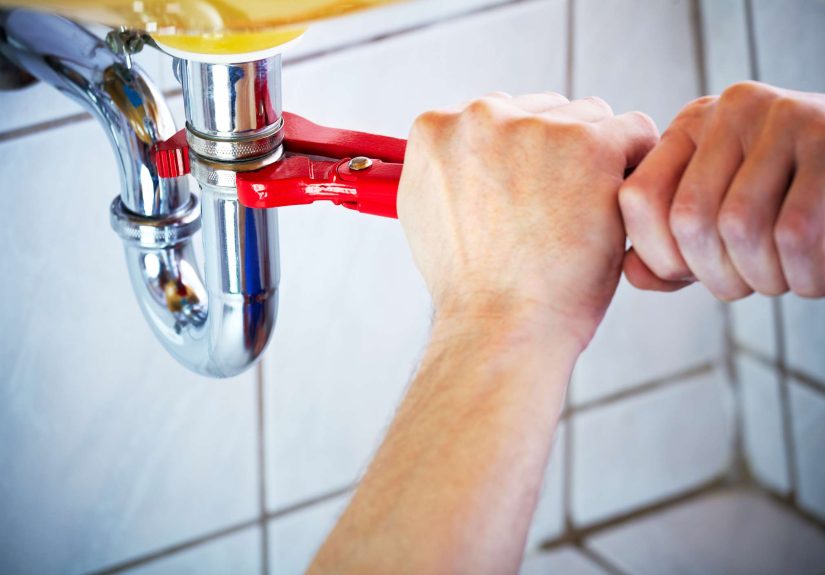
If there were a single winner for “Most Common DIY Plumbing Mistake,” it would be
overtightening. Many homeowners assume tighter is always better, especially on threaded
fittings, faucet connections, and toilet bolts. In reality, cranking too hard on elbows, tees,
galvanized pipes, couplings, or closet bolts can create hairline cracks in fittings or in
porcelain. Those cracks often don’t leak immediatelythey wait until 2 a.m. on a holiday
weekend.
Pros tighten to “snug plus a touch,” not “white-knuckle gym PR.” Many plumbing manufacturers
explicitly warn against overtightening in their instructions. Slow, steady pressure with the
right wrench is safer than putting your whole bodyweight behind the handle.
Pro tip: If you’re using a big wrench and you feel the fitting suddenly give,
stop. That “give” might be the threads or fitting starting to fail, not the connection seating
better.
2. Using Teflon Tape Incorrectly (or the Wrong Sealant Entirely)
Thread seal tape (often called Teflon tape) is a wonderful thingwhen used correctly. DIYers
commonly:
- Wrap the tape in the wrong direction (so it unwinds as you tighten).
- Use the wrong type of tape for gas vs. water lines.
- Wrap over the very end of the threads, which can shred and clog valves.
- Use tape where a rubber gasket or pipe dope is actually required.
Pros generally wrap tape clockwise (as you face the threaded end) so tightening the fitting
cinches the tape in place, not off the threads. Many plumbers also recommend 2–3 wraps, kept
back from the very tip of the fitting, and they choose tape rated for the specific
application.
Pro tip: If a fitting has a built-in rubber gasket (like many flex supply
lines), you often don’t need any tape at all. Adding tape on top can actually prevent a good
seal.
3. Forgetting to Shut Off and Drain the Water
This one sounds too obvious to include… and yet plumbers see it constantly. Homeowners loosen
a supply line or crack open a joint, only to discovertoo latethat the shut-off valve they
“thought” was closed either doesn’t fully work or wasn’t the right valve at all.
Professional plumbers habitually:
- Turn off the main or fixture shut-off valve.
- Open nearby faucets to relieve pressure and drain remaining water.
- Keep a bucket and towels ready before they loosen anything.
Not turning off the water properly is one of the fastest ways to go from “tiny leak” to “small
indoor waterfall and warped flooring.” Several plumbing companies list this as a top DIY
mistake that leads to flooded rooms and expensive repairs.
4. Relying on Chemical Drain Cleaners for Every Clog
Store-bought chemical drain cleaners promise miracles on the label. In reality, they often:
- Fail to clear tougher clogs (like wipes, grease buildup, or foreign objects).
- Corrode older pipes over time.
- Leave caustic chemicals in the line that can burn skin or eyes when a plumber later opens the system.
Plumbing pros and home-improvement sites consistently warn against using chemical drain
cleaners as a first line of defense.
A plunger, drain snake, or a mechanical auger is usually safer and more effective. Enzyme-based
cleaners are sometimes recommended for maintenance, but even those should be used according to
directions, not as a daily “just in case” treatment.
Pro tip: If a drain clogs repeatedly, it’s a symptom, not the disease. You
may have a vent issue, a deeper blockage, tree roots, or a pipe that’s sagging or broken.
5. Flushing “Flushable” Wipes and Other Wrong Things
Plumbers everywhere are united on this: so-called “flushable” wipes are not your toilet’s
friend. While they may technically make it through the trap, they don’t break down like toilet
paper. In real-world plumbing systems, they snag on rough spots, combine with grease, and build
massive clogs.
Other usual suspects include:
- Paper towels and tissues.
- Cotton balls, dental floss, and feminine hygiene products.
- Grease and oil poured down kitchen sinks.
That hot grease you pour down the sink? It cools, solidifies, and coats your pipes like bacon
fat wallpaper.
Pro tip: The plumber rule of thumb is: toilets are for human waste and toilet
paper only. Everything else belongs in the trash.
6. Ignoring Small Leaks and “Barely Noticeable” Drips
A slow drip under the sink or a tiny stain on the ceiling doesn’t feel like an emergency, so
many DIYers put it on their “someday” list. Plumbers, however, see the end game: long-term
moisture damage, mold, warped cabinets, ruined subfloors, and bigger repairs later.
Many plumbing service companies specifically list “ignoring small leaks” as one of the most
expensive mistakes homeowners make.
Water rarely stays small. If it’s wet now, it’s planning something.
Pro tip: Put a paper towel or dry tissue around a suspected leak and check it
after a few hours or a day. Any moisture means you have a real issue, even if you can’t see
water actively dripping.
7. Using the Wrong Tools or Cheap, Off-Brand Materials
There’s a reason plumbers own things like basin wrenches, tubing cutters, and high-quality
PEX tools. DIYers often try to improvise with whatever’s in their toolboxchannel locks for
everything, hacksaws on copper, or generic no-name fittings that “kinda sorta fit.”
Industry pros repeatedly warn that:
- Using the wrong tools can deform fittings, strip nuts, and damage seals.
- Cheap or off-brand fixtures are more likely to leak and often don’t have reliable support or replacement parts.
One plumbing expert notes that off-brand faucets and fixtures often use lower-quality internal
components, which can fail faster and are harder to service than name-brand options.
Pro tip: Renting a specialty tool for a day (or borrowing from a tool library)
is often cheaper than fixing the damage from improvising with the wrong one.
8. Poor Venting, Traps, and Pipe Slope
Plumbing isn’t just about getting water in and out. It also has to breathe.
DIYers tackling new sinks, showers, or relocated drains sometimes:
- Skip proper venting entirely.
- Use the wrong trap configuration (like S-traps instead of P-traps).
- Install horizontal drains without enough slope, so water and waste don’t flow properly.
Professional resources stress that improper or missing venting can cause slow drains, gurgling
sounds, siphoned traps, and sewer gas entering the home.
A shower floor without enough slope may let water pool and seep into grout and subflooring,
leading to mold and structural damage.
Pro tip: If you’re moving or adding fixtures, check your local plumbing code
for required trap types, vent sizes, and minimum slopesor have a plumber design the layout
and then you do the labor.
9. Ignoring Plumbing Codes and Mixing the Wrong Materials
Plumbing codes exist for a reason: safety, sanitation, and durability. DIYers, however, often
don’t realize their “creative” setup violates code until they try to sell the house or have a
serious problem.
Common issues include:
- Using the wrong pipe type in the wrong place (for example, non-rated pipe for hot water or outdoors).
- Mixing metals (like copper and galvanized steel) without proper dielectric unions, which can cause corrosion.
- Running supply lines or drains too close to electrical components.
Many plumbing experts emphasize that knowing your local codeor at least its basic
requirementsis essential before moving fixtures, changing pipe sizes, or adding new lines.
Pro tip: Most municipalities publish plumbing code summaries online, and some
even provide homeowner guides. When in doubt, ask your local building department what’s
allowed for DIY work.
10. Tackling Jobs Beyond Your Skill Level (Then Calling the Pro Late)
There’s a sweet spot of DIY plumbing: replacing a faucet, swapping a shut-off valve, installing
a new showerhead, or changing a P-trap. Past that, things get complicated quicklythink main
sewer lines, whole-home re-piping, or cutting into structural elements to add drains and vents.
Many plumbers mention that by the time they’re called, a DIYer has already:
- Cut out more pipe than necessary.
- Used incompatible fittings or glued themselves into a corner.
- Partially fixed one problem while creating two more behind the walls.
Plumbing companies consistently say that fixing a botched DIY job can cost more than doing it
right the first time.
Pro tip: If a project affects main drains, gas lines, multiple fixtures, or
structural elements, get a quote from a licensed plumber. You can still do cosmetic work
yourself and let them handle the high-risk pieces.
How to Think Like a Plumber (So You Avoid These Mistakes)
Professional plumbers don’t just follow stepsthey follow a mindset:
- Plan the job before you touch anything. Know where the shut-offs are, what tools you need, and what parts you’ll replace.
- Respect water pressure. Even a small supply line can move a surprising amount of water very quickly.
- Test as you go. Pressurize and check for leaks before you close up walls, reinstall panels, or put tools away.
- Leave access. Don’t bury junctions, valves, or cleanouts where no one can reach them later.
Combine that mindset with basic plumbing safetyturning off water, using the proper tools,
wearing gloves and eye protectionand most DIY plumbing jobs become far less scary and far less
expensive.
Real-World Experiences: What DIYers Learn the Hard Way
Ask a room full of plumbers about DIY plumbing mistakes and you’ll get storieslots of them.
You’ll also hear the same patterns over and over again. Here are some lived-in lessons that
seasoned pros and experienced homeowners wish every DIYer knew before picking up the wrench.
Turning a “Simple” Project into a Weekend Marathon
A common story goes like this: someone decides to replace a bathroom faucet. They shut off the
valves (good start), remove the old faucet, and realize the supply lines are corroded. A quick
trip to the store fixes thatuntil they discover the new faucet uses different connections.
Back to the store. Then they find the shut-off valves themselves are seeping when turned back
on, so now those need replacement too.
What should’ve been a one-hour upgrade stretches into an all-day project because of hidden
issues that surface only after you start. Pros see this constantly. Their “secret” is that they
already plan for surprises: they bring extra fittings, flexible connectors, and replacement
valves to every job so they don’t have to stop mid-repair.
Underestimating Old Houses
Older homes love to test your confidence. You loosen one fitting and discover the pipe behind
it is paper-thin from age. You cut into a wall expecting modern PVC and find a mix of cast
iron, galvanized steel, and copper joined in ways no modern code would approve.
That doesn’t mean you shouldn’t attempt any plumbing work in an older home, but you should:
- Assume parts may be fragile or non-standard.
- Budget extra time and money for adapters, unions, and possible surprises.
- Stop if you uncover something that looks unsafe, heavily corroded, or questionably installed.
Experienced DIYers learn to draw a line: they’ll handle visible fixtures, traps, and
straightforward supply linesbut if they uncover mystery pipes or strange materials, they call
a pro.
The “I’ll Fix It Later” Trap
Many people finish a DIY plumbing job that is “almost” right: the faucet works but drips a
little, the P-trap is at a slightly odd angle, or the toilet rocks just a bit when you sit
down. The intention is good: “I’ll come back and tweak that later.”
In practice, “later” often means “never,” and those small imperfections turn into real
problemsloose toilets can damage wax rings, tiny leaks can destroy cabinets, and misaligned
traps can clog more easily. Pros test their work and don’t leave until it’s functioning the way
it should. That mindset is worth borrowing.
Why Pros Charge What They Charge
It’s tempting to look at a plumber’s quote and think, “I’m paying how much for a
couple of fittings and an hour of work?” But that hour is backed by years of experience, the
right tools, licensing, insurance, and an understanding of how your whole system fits
togethernot just the one part that’s leaking.
Many DIYers who’ve been through one or two disaster repairs end up with a new philosophy:
- They DIY small, low-risk jobs they understand.
- They consult or hire pros for big changes, code-heavy projects, or anything involving gas lines or main drains.
- They view a plumber’s bill as insurance against future damage, not just a fee for “tightening something.”
Building Better DIY Habits
Over time, careful DIYers start to adopt pro-style habits:
- They keep a small plumbing kit on hand (quality plunger, basin wrench, P-trap, supply lines, thread tape, and a couple of shut-off valves).
- They read manufacturer instructions instead of guessing.
- They take pictures before disassembling anything so they can put it back correctly.
- They respect plumbing codes and understand when to stop and ask questions.
The result? Fewer emergencies, fewer panicked midnight calls, and a home that quietly works
the way it should.
Conclusion: Fix Like a Pro, Even If You’re Not One
DIY plumbing isn’t about pretending to be a licensed proit’s about understanding your limits,
respecting water, and avoiding the most common mistakes that cause hidden damage. If you use
thread tape correctly, avoid overtightening, shut off and drain your lines, skip the harsh
drain chemicals, and know when a job is above your pay grade, you’re already ahead of most
weekend warriors.
The goal isn’t perfection. It’s dry floors, healthy pipes, and a home that doesn’t surprise you
with mystery stains on the ceiling. Learn from what the pros see every day, and your plumbing
projects will start feeling less like a gamble and more like a solid, money-saving skill.
SEO Summary
sapo:
Thinking about fixing that leaky faucet or clogged drain yourself? Before you grab the wrench,
learn the 10 most common plumbing mistakes DIYers make, according to professional plumbers.
From overtightening fittings and misusing Teflon tape to flushing “flushable” wipes and relying
on harsh chemical drain cleaners, this in-depth guide walks you through what can go wrong, why
it happens, and how to do it right. You’ll get practical tips, real-world examples, and pro-
level advice so you can tackle small plumbing projects with confidenceand know exactly when to
call in the experts.