Table of Contents >> Show >> Hide
- Why Dark Rooms Feel So Stubborn
- 1. Start With Paint That Reflects Light Instead of Eating It
- 2. Do Not Ignore the Ceiling
- 3. Choose Window Treatments That Invite Light In
- 4. Use Mirrors Like a Designer, Not Like a Gym Lobby
- 5. Layer Your Lighting Instead of Relying on One Overhead Fixture
- 6. Pick the Right Bulbs and Lampshades
- 7. Bring In Light-Colored Rugs, Furniture, and Textiles
- 8. Add Reflective Finishes and Materials
- 9. Clear the Path for Natural Light
- 10. If You Love Moody Elements, Balance Them Instead of Fighting Them
- Final Thoughts
- Experiences From Real Homes: What These Brightening Tips Actually Feel Like
Note: SEO tags are included in JSON format at the end of this body content.
Some rooms are blessed with sunshine. Others feel like they were designed by a very dramatic bat. If you have a living room, bedroom, hallway, basement, or office that always seems gloomy, you are not stuck with cave vibes forever. Designers have plenty of smart ways to brighten a dark room without tearing down walls or moving to a glass house in California.
The trick is understanding that brightness is not just about adding one sad lamp in the corner and hoping for the best. It is about how paint reflects light, how window treatments frame daylight, how mirrors bounce brightness around, and how furniture, rugs, and finishes affect what your eye sees. In other words, this is a full-room strategy, not a one-bulb miracle.
Below are 10 designer-inspired tips to help any dark room feel lighter, larger, and more welcoming. Some are budget-friendly weekend upgrades. Others are slightly bigger changes. All of them can make a noticeable difference when used thoughtfully.
Why Dark Rooms Feel So Stubborn
A dark room usually has one or more of these problems: limited natural light, small or poorly placed windows, heavy curtains, dark finishes that absorb light, bulky furniture that blocks daylight, or lighting that comes from only one source. The good news is that designers tackle these exact issues all the time. The even better news is that you do not need to turn your home into an operating room. You just need a room that feels fresh, balanced, and easy to live in.
1. Start With Paint That Reflects Light Instead of Eating It
If your walls are deep charcoal, espresso brown, or a mysterious shade best described as “storm cloud at midnight,” paint is often your first fix. Lighter colors reflect more light, which helps a dim room feel brighter and more open. Soft whites, creamy beiges, pale grays, warm greiges, and muted pastels are common designer favorites because they create an airy base without feeling sterile.
Before you commit, look at paint samples in the actual room throughout the day. A color that looks crisp in a bright store can turn chilly in a north-facing room. Many designers also pay attention to LRV, or Light Reflectance Value. In plain English, that means how much light a paint color reflects. Higher-LRV colors generally help dark rooms feel less heavy.
If bright white feels too stark, go for warmer off-whites or soft neutrals. They still lift the room, but they do it with better manners.
2. Do Not Ignore the Ceiling
The ceiling is often the most forgotten light booster in the room, which is a shame because it is basically a giant fifth wall waiting to help. Painting the ceiling a light shade can make the whole room feel taller and brighter. In many dark spaces, a ceiling painted to match or closely coordinate with light walls creates a seamless effect that keeps the eye moving.
If you want a little personality, a very pale sky blue or whisper-soft tint can work beautifully. It adds lift without making the room feel busy. Think of it as visual caffeine, but for architecture.
If your room already has dark walls you love, a light ceiling becomes even more important. That contrast can prevent the space from feeling weighed down and help available light spread farther.
3. Choose Window Treatments That Invite Light In
Heavy, dark drapes can make a dim room feel downright theatrical, and not in a good way. Designers often recommend lighter window treatments, such as white, cream, soft gray, or pale linen panels, because they reflect more light and feel less visually dense.
The way you hang curtains matters too. Mount rods a little higher than the top of the window and extend them wider than the frame. This makes windows look larger and allows more glass to stay uncovered when the curtains are open. It is one of those small moves that makes you feel oddly proud of yourself every time you walk in the room.
Sheer panels can be especially helpful when privacy is still a concern. If you need flexibility, layer curtains with shades or blinds so you can control glare, privacy, and softness without blocking every scrap of daylight.
4. Use Mirrors Like a Designer, Not Like a Gym Lobby
Mirrors are classic for a reason: they bounce light and visually expand a room. But placement is everything. A mirror across from or near a window can reflect daylight deeper into the space. A mirror near a lamp can also amplify artificial light at night.
That does not mean every wall needs to sparkle like a disco ball. One large mirror usually works better than several tiny ones, especially in small rooms. If a full mirror feels too obvious, try mirrored trays, glossy frames, glass tables, or metallic accents that add reflection in quieter ways.
The goal is to multiply light, not create the unsettling sensation that your hallway has opinions.
5. Layer Your Lighting Instead of Relying on One Overhead Fixture
One overhead light in the middle of the ceiling is rarely enough to make a dark room feel inviting. Designers usually layer lighting in three ways: ambient lighting for overall illumination, task lighting for function, and accent lighting for mood.
In practice, that can mean a ceiling fixture, a floor lamp by the sofa, a table lamp near a chair, and maybe a small accent light on a console or shelf. This approach spreads brightness more evenly and gets rid of shadowy corners that make a room feel smaller.
Dimmers are a smart addition, too. They let you adjust brightness throughout the day instead of forcing the room to live in one permanent setting. For task-heavy areas like offices or reading nooks, choose bulbs with enough lumens to actually do the job. For living rooms and bedrooms, balance brightness with warmth so the room feels cozy rather than clinical.
6. Pick the Right Bulbs and Lampshades
Not all light bulbs are created equal. If your room still feels dull after adding lamps, the bulbs may be the issue. LEDs are usually the easiest upgrade because they are efficient, long-lasting, and available in a range of color temperatures.
For a bright, clean feel, many people prefer neutral or daylight-style bulbs in darker rooms, especially in offices, kitchens, and bathrooms. In relaxing spaces, warm bulbs can still work beautifully if you layer them well. The key is not to under-light the room.
Lampshades also matter more than most people think. White or ivory shades typically throw off brighter, clearer light than dark or heavily colored shades. If your lamp has a moody black shade and your room is already dim, congratulations: your lamp is working for the darkness.
7. Bring In Light-Colored Rugs, Furniture, and Textiles
Dark floors, oversized brown furniture, and heavy textiles can absorb light and make a room feel grounded in the wrong way. One of the fastest fixes is contrast. A light-colored area rug can brighten dark flooring and reflect light upward. Cream, sand, oat, soft gray, and natural jute are all popular choices because they lighten the visual weight of the room without looking too precious.
The same logic applies to furniture and fabrics. If repainting walls is not an option, lighter upholstery, pale throw pillows, ivory drapery, and soft neutral bedding can still shift the room dramatically. Designers often use this trick in rentals or older homes where permanent changes are limited.
You do not need everything to match. In fact, that can feel flat. Mix textures like linen, bouclé, cotton, washed wood, and woven fibers so the room feels bright but still layered and interesting.
8. Add Reflective Finishes and Materials
Brightness is not only about color. Finish matters too. Slightly glossier or more reflective surfaces can help bounce light around the room more effectively than flat, light-absorbing finishes. That does not mean you need shiny walls everywhere. A little reflection goes a long way.
Think glossy trim, satin-finish paint, lacquered side tables, glass lamps, polished metal hardware, mirrored decor, or a coffee table with a glass top. These details catch light and keep a room from feeling visually heavy.
This is especially helpful in dark entryways, powder rooms, and basements, where every bit of reflected light earns its paycheck.
9. Clear the Path for Natural Light
Sometimes a room feels dark because the light it does get is being blocked by your own stuff. Bulky furniture placed in front of windows, tall plants crowding the glass, cluttered sills, and overgrown landscaping outside can all reduce how much daylight enters the room.
Take a hard look at the layout. Could a tall bookcase move to a different wall? Could a deep sofa stop camping out in front of the only decent window? Could the giant ficus stop auditioning as a blackout curtain?
Cleaning the windows helps too. It sounds boring because it is boring, but it works. Dust and grime dull incoming light more than people realize. Even a well-designed room will struggle if the windows are filtering sunlight through a fine layer of neglect.
10. If You Love Moody Elements, Balance Them Instead of Fighting Them
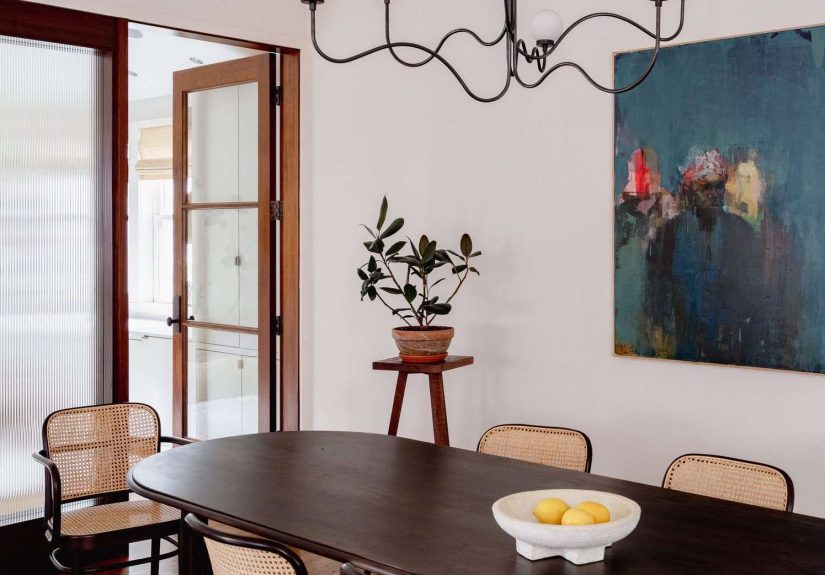
Here is the truth designers know: not every dark room needs to become white and beachy. Sometimes the smartest move is to keep the moody paint, paneling, or dark wood you love and brighten the room around it. That means adding contrast with light drapery, lighter furniture, reflective finishes, layered lighting, and simpler patterns.
This approach works especially well in bedrooms, libraries, offices, and older homes with rich architectural character. Instead of trying to erase the mood, you shape it. A dark room can feel dramatic and cozy without feeling gloomy. The difference is balance.
So if you adore your deep navy walls, keep them. Just stop asking them to do all the emotional labor alone.
Final Thoughts
Brightening a dark room is part science, part styling, and part knowing when to put down the heavy drapes. Start with the biggest impact moves first: paint, window treatments, mirrors, and layered lighting. Then refine the space with rugs, textiles, finishes, and layout changes.
The best results usually come from combining several small improvements instead of betting everything on one dramatic makeover. A lighter rug plus better bulbs plus a better curtain rod placement may not sound thrilling on paper, but together they can make a room feel entirely different.
Most of all, remember that a brighter room does not have to feel cold or generic. The goal is not to erase your style. It is to help the room feel more open, comfortable, and alive. And if that means your formerly gloomy den finally stops looking like it is plotting something, even better.
Experiences From Real Homes: What These Brightening Tips Actually Feel Like
One of the most common experiences homeowners describe is that a dark room feels smaller than it really is. A narrow living room with one window can seem cramped and tired even when it is perfectly functional. Once the walls are repainted in a soft warm white and the curtains are rehung higher and wider, that same room often feels noticeably taller and calmer. People are usually surprised by how much the mood changes before they even buy new furniture. The room is still the same size, but it stops feeling like it is closing in.
Another familiar experience happens in rentals. A lot of renters live with dark flooring, limited overhead lighting, and window treatments they did not choose. In that situation, permanent upgrades may not be possible, so smaller design moves do the heavy lifting. A large light-colored rug, a standing lamp in the darkest corner, an oversized mirror leaning against the wall, and pale bedding or throw pillows can make the space feel transformed without touching the paint. Renters often say this is the moment their apartment finally starts to feel styled instead of merely survived.
Home offices are another interesting case. A dark office can drain energy fast, especially if the room gets weak morning light or sits in a basement. People often assume the answer is just a brighter desk lamp, but the better experience usually comes from layering. Add a strong task light for work, a softer lamp for the background, and a lighter paint or rug to reduce contrast. Suddenly the room feels more focused during the day and less cave-like at 4 p.m. That change matters more than people expect when they spend hours in the space.
Bedrooms tell a slightly different story. Not everyone wants a bedroom to feel bright like a kitchen, and that is where balance becomes important. Many people actually enjoy deeper wall colors in a bedroom because they feel restful. The positive experience comes when those darker walls are paired with ivory drapes, lighter bedding, warm lamps, and a mirror that picks up whatever daylight is available. Instead of gloomy, the room feels cocoon-like in the best way.
Then there are the older homes with dark wood trim, small windows, and lots of personality. Owners of these homes often worry that brightening the room means stripping out all the charm. Usually, it does not. Keeping the original character while changing the surrounding elements is often the smartest path. A lighter ceiling, updated bulbs, simpler furniture, and reflective accents can freshen the room while preserving what made it special in the first place. In many cases, the experience is less about making the room bright-white and more about making it feel awake.
The biggest takeaway from real-world experience is that brightening a dark room rarely comes from one magic fix. It comes from a series of thoughtful adjustments that work together. Once that happens, the room does not just look better in photos. It feels better to walk into, sit in, work in, and actually live in every day.