Table of Contents >> Show >> Hide
- How to Use This Checklist Without Emptying Your Wallet
- 113 Essential Items Every Home Should Have
- Safety and Emergency Basics (1–16)
- Tools and Home Maintenance Must-Haves (17–34)
- Cleaning and Laundry Essentials (35–52)
- Kitchen and Food-Safety Essentials (53–79)
- Bathroom and Personal-Care Basics (80–93)
- Bedroom and Linen Essentials (94–103)
- Living, Lighting, Power, and Home Admin Essentials (104–113)
- What People Forget Most Often (and Regret Later)
- How to Build This List on a Budget
- Experience Notes: on What This Looks Like in Real Life
- Conclusion
- SEO Tags
Every home starts the same way: with big dreams and one missing screwdriver.
Whether you just moved in, you’re upgrading your family setup, or you’re tired of discovering you own five spatulas but zero flashlights, this guide is your practical reset. These 113 essential items cover the stuff that makes a home safe, functional, clean, comfortable, and way less chaotic on a Tuesday night.
This isn’t a “buy everything in one weekend” list. It’s a smart, room-by-room checklist built for real life. Think of it as your home’s starter pack plus a few “future you will thank you” upgrades. We’ll focus on the things you actually use: emergency supplies, home tools, cleaning basics, kitchen must-haves, bedding, bathroom staples, and a few boring-but-important admin items that save stress later.
How to Use This Checklist Without Emptying Your Wallet
Before we jump into the list, here’s the best strategy: buy in layers.
Layer 1: Safety and Daily Use
Start with safety equipment, basic cleaning supplies, and kitchen essentials. These are the items that affect your day-to-day comfort and your ability to handle small emergencies.
Layer 2: Maintenance and Prevention
Next, build your tool kit and home maintenance supplies. The goal is to fix little problems before they turn into expensive ones (looking at you, mystery drip under the sink).
Layer 3: Comfort and Organization
Then finish strong with comfort upgrades, better storage, and document organization. This is where your home starts feeling less like a temporary setup and more like your place.
113 Essential Items Every Home Should Have
Safety and Emergency Basics (1–16)
- Smoke alarms
- Carbon monoxide alarms
- Fire extinguisher
- First-aid kit
- Flashlights
- Extra batteries
- Battery-powered or hand-crank weather radio
- Emergency drinking water supply
- Nonperishable emergency food
- Manual can opener
- Multi-purpose tool
- Emergency blankets
- Phone power bank
- Waterproof document pouch
- Emergency hygiene supplies
- Spare house keys
This category is the “you never need it until you really need it” category. The goal is simple: if the power goes out, someone gets a cut, or you need to evacuate quickly, you’re not sprinting through the house like a game show contestant.
Keep these items grouped in one easy-to-grab spot. A small shelf, closet bin, or dedicated emergency tote works great. Bonus points if everyone in the house knows where it is.
Tools and Home Maintenance Must-Haves (17–34)
- Claw hammer
- Screwdriver set (flathead and Phillips)
- Adjustable wrench
- Tongue-and-groove pliers
- Needle-nose pliers
- Tape measure
- Utility knife
- Level
- Cordless drill/driver
- Drill and driver bit set
- Hex key set (Allen keys)
- Socket set
- Stud finder
- Duct tape
- Painter’s tape
- Wall patch kit (spackle + putty knife)
- Step ladder
- LED work light or headlamp
A basic tool kit saves money faster than almost anything else in your home. Tightening a cabinet hinge, hanging curtains, patching a small wall ding, or assembling furniture becomes a 10-minute job instead of a “let me call someone” problem.
The cordless drill is the MVP here. If you’ve ever assembled a bed frame with a tiny included wrench, you already know why.
Cleaning and Laundry Essentials (35–52)
- All-purpose cleaner
- EPA-registered disinfectant
- Dish soap
- Glass cleaner
- Degreaser
- Microfiber cloths
- Sponges and scrub pads
- Scrub brush
- Broom and dustpan
- Mop
- Vacuum cleaner
- Toilet brush
- Toilet cleaner
- Tub and tile cleaner
- Laundry detergent
- Stain remover
- Laundry hamper
- Cleaning caddy
Cleaning supplies are easy to overbuy. You do not need a different spray for every square inch of your home. Start with a compact set that covers the basics, then add specialty products only when you actually need them.
One smart move: keep a small cleaning caddy for quick jobs. When spills happen (and they always happen right before guests arrive), you can grab everything in one trip instead of making six dramatic walks back to the closet.
Kitchen and Food-Safety Essentials (53–79)
- Chef’s knife
- Paring knife
- Cutting board
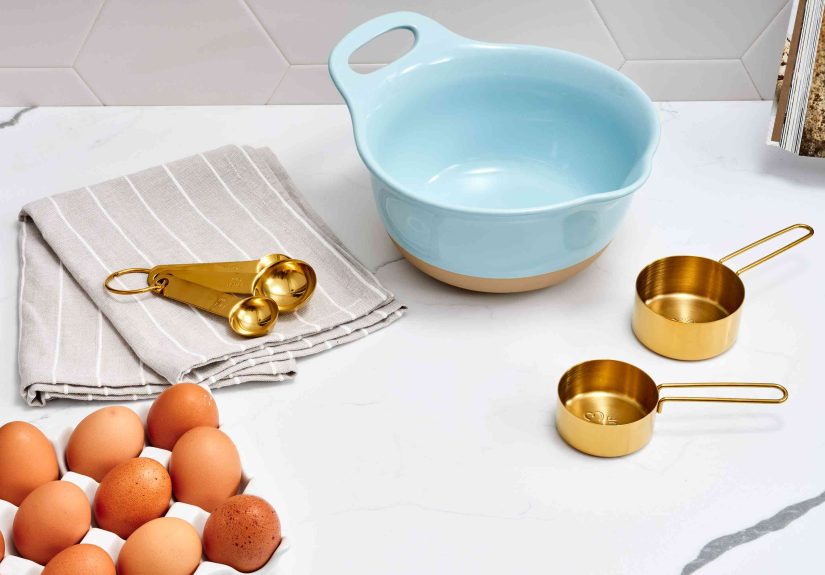
- Measuring cups and spoons
- Mixing bowls
- Colander
- Sheet pan
- Skillet
- Saucepan
- Stockpot or Dutch oven
- Spatula/turner
- Tongs
- Whisk
- Wooden or silicone spoon
- Food storage containers
- Aluminum foil
- Parchment paper
- Dish towels
- Oven mitts
- Plates and bowls set
- Glasses and mugs set
- Flatware set
- Instant-read food thermometer
- Refrigerator thermometer
- Freezer thermometer
- Kitchen trash can and liners
- Reusable water pitcher or filter pitcher
A kitchen doesn’t need to be fancy to be excellent. A few reliable tools beat a drawer full of random gadgets every time. If you can chop, sauté, boil, roast, and store leftovers safely, your kitchen is already winning.
The most overlooked items in this section are the thermometers. A food thermometer helps you cook safely and avoid dry, overcooked meals. Refrigerator and freezer thermometers help you confirm your appliances are actually holding safe temperaturesbecause “cold-ish” is not a food safety strategy.
Bathroom and Personal-Care Basics (80–93)
- Bath towels
- Hand towels
- Washcloths
- Shower curtain and liner
- Bath mat
- Toilet plunger
- Drain hair catcher or drain-cleaning tool
- Toilet paper
- Hand soap
- Bathroom trash can and liners
- Toothbrushes
- Toothpaste and floss
- Nail clipper and tweezers set
- Digital body thermometer
The bathroom is where small missing items become daily annoyances. A bath mat prevents slips. A plunger prevents panic. A drain hair catcher prevents that “why is the tub turning into a swamp?” moment.
Keep this space stocked like a calm adult lives thereeven if your actual lifestyle is more “coffee first, decisions later.”
Bedroom and Linen Essentials (94–103)
- Mattress protector
- Pillows
- Pillow protectors
- Two sheet sets
- Comforter or duvet
- Extra blanket
- Bedside lamp
- Blackout or privacy curtains
- Clothes hangers
- Closet or under-bed storage bins
Good sleep is a home essential, not a luxury. A mattress protector and pillow protectors are boring until they save you from spills, sweat, or allergies. Two sheet sets is also a power move: one on the bed, one in the wash, zero excuses.
Living, Lighting, Power, and Home Admin Essentials (104–113)
- Comfortable seating (sofa or chairs)
- Dining table or eating surface
- Dining chairs
- HVAC air filters (correct size for your system)
- LED light bulbs
- Surge protectors
- Extension cords
- Fire-resistant lockbox
- Important-documents file folder system
- Chargers and charging cables
This final group is where homes become truly functional. Comfortable seating makes your living room usable. Air filters help your HVAC system run better and your home feel fresher. Surge protectors and extra charging cables prevent the modern crisis known as “Why is everybody at 3%?”
And yes, a fire-resistant lockbox and document folders count as essentials. When you need your insurance papers, IDs, or medical records, you want them in one placenot scattered across drawers like a scavenger hunt.
What People Forget Most Often (and Regret Later)
1) A Fire Extinguisher That’s Easy to Reach
People remember to buy one, then hide it behind a pile of reusable grocery bags. Keep it visible and accessible. Same rule for the first-aid kit.
2) Appliance Thermometers
Refrigerator dials are often vague. “Colder” is not a temperature. A small appliance thermometer gives you real numbers and helps prevent food waste.
3) A Document System
Important papers are easy to ignore until you need them fast. Set up a simple system for IDs, insurance, lease/mortgage info, warranties, and emergency contacts.
4) Backup Power for Phones
A fully charged power bank is one of the cheapest ways to make your home feel prepared during outages, storms, or random neighborhood power issues.
5) The “Small” Cleaning Tools
Microfiber cloths, a toilet brush, and a decent scrub brush don’t look exciting in a shopping cart, but they do most of the real work.
How to Build This List on a Budget
You absolutely do not need premium versions of everything. Here’s where to spend a little more and where to save:
Spend More On
Chef’s knife, mattress and bedding basics, vacuum (if you have pets or rugs), cordless drill, and safety gear. These items get heavy use and pay you back in comfort or reliability.
Save On
Cleaning caddies, storage bins, measuring cups, dish towels, extra chargers, and many basic hand tools (especially if you buy a starter set).
Buy in Phases
Use this order if you’re starting from scratch:
Week 1: Safety + bathroom + basic kitchen tools
Week 2: Cleaning + laundry + food storage
Week 3: Tools + maintenance items
Week 4: Comfort, lighting, and organization
Also: keep a running “home essentials” note on your phone. Every time you think, “We really need one of those,” add it. That note becomes your smartest shopping list.
Experience Notes: on What This Looks Like in Real Life
The biggest lesson I’ve seen with home essentials is that the “important stuff” almost never feels urgent until the exact moment it becomes urgent. A lot of people move into a new place and focus on the fun items firstthrow pillows, wall art, maybe a cool lampand that makes sense. You want your home to feel like home. But then real life starts showing up. A light bulb burns out. A sink clogs. A storm knocks the power out. Someone cuts a finger while opening a box. Suddenly, the glamorous décor budget doesn’t help much if you don’t have a flashlight, a plunger, or a first-aid kit.
One of the most common situations is the “first apartment confidence phase.” It starts with, “I don’t need much,” and ends with using a butter knife as a screwdriver and a beach towel as a bath mat. That phase is character-building, sure, but it’s also a great way to learn what actually matters. The essentials list above exists because most households repeat the same mistakes: not enough storage containers, no backup batteries, no fire extinguisher, no drain tool, no extra sheet set, and no system for important papers. These aren’t dramatic problems on their own, but they create constant little stress points.
I’ve also noticed that the best homes are not the ones with the most stuffthey’re the ones with the right stuff in the right places. For example, a small cleaning caddy can save more time than an expensive gadget because it makes quick cleaning realistic. A fire-resistant lockbox sounds boring, but when someone needs insurance paperwork or medical records fast, it suddenly becomes the smartest purchase in the house. The same goes for a power bank: tiny item, huge peace of mind.
Kitchen essentials are another area where people learn by experience. It’s easy to buy trendy tools and skip the basics, but the homes that function well usually have a simple core setup: one good knife, one skillet, one pot, a sheet pan, mixing bowls, food storage containers, and thermometers. That setup handles most meals, keeps food safer, and makes cleanup easier. Once that foundation is in place, you can add specialty gadgets later if you really use them.
Safety items are the least exciting to buy and the most comforting to own. Smoke alarms, CO alarms, flashlights, and a stocked first-aid kit don’t make your home look better, but they make it feel secure. And that matters. A home should not just look nice on a good dayit should work well on a messy day, a rushed day, and a bad-weather day too.
In the end, the real value of home essentials is not the objects themselves. It’s the way they reduce friction. They make everyday tasks easier, small problems manageable, and emergencies less chaotic. That’s what turns a house or apartment into a home that actually supports your life instead of constantly interrupting it.
Conclusion
The best home essentials are the ones you use without thinking: the flashlight that works, the plunger you can find, the sheet set already folded, the charger that’s actually where it should be, and the kitchen tools that make dinner easy instead of annoying.
If you start with safety, build a reliable tool and cleaning setup, and then layer in comfort and organization, your home becomes easier to manageand a lot more enjoyable to live in. You don’t need perfection. You just need a solid system, a practical checklist, and fewer mystery drawers.