Table of Contents >> Show >> Hide
- What “high-fiber” really means (and why your body cares)
- How to add fiber without feeling like a human balloon
- 14 Easy (and Delicious) High-Fiber Meals
- 1) Berry-Chia Overnight Oats (5 minutes tonight, zero effort tomorrow)
- 2) Savory Oat Bowl with Spinach, Egg, and Salsa
- 3) Avocado-Bean Breakfast Tostada
- 4) “Everything Bagel” Yogurt Bowl with Berries and Seeds
- 5) Lentil Veggie Soup (stovetop or “I own a slow cooker” edition)
- 6) Chickpea Salad Sandwich (the “tuna salad” vibe, minus the fish)
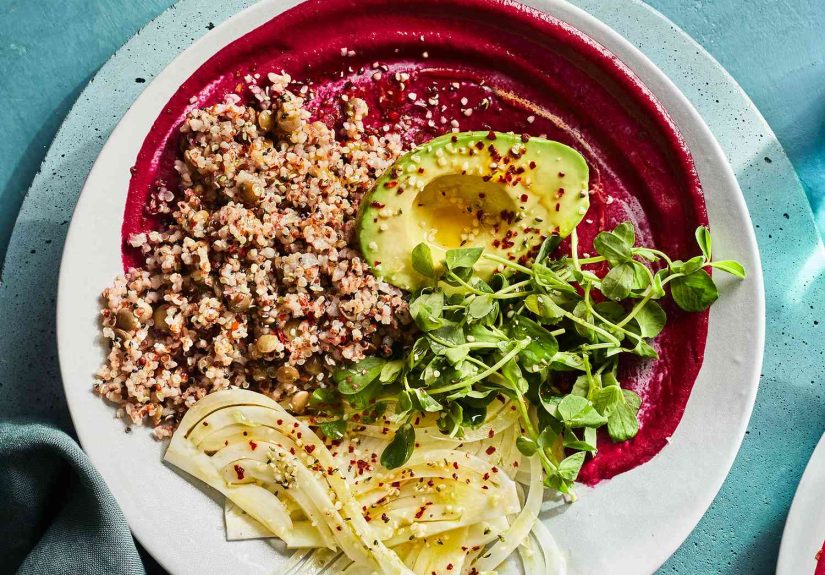
- 7) Mediterranean Grain Bowl with Hummus
- 8) Big Crunchy Salad with “Two-Bean Upgrade”
- 9) Sweet Potato + Black Bean Chili (weeknight hero)
- 10) Whole-Wheat Pasta Primavera with White Beans
- 11) Sheet-Pan Salmon (or Tofu) with Broccoli and Barley
- 12) Veggie Stir-Fry with Edamame and Brown Rice
- 13) Taco Bowl with Beans, Corn, and Avocado
- 14) “Kitchen Sink” Baked Potato with Broccoli and Lentil Marinara
- Simple ways to make any meal more fiber-friendly
- When to take it slower (or check with a pro)
- “Fiber, but make it normal”: 500-ish words of real-life experiences
- Conclusion
If “eat more fiber” is advice you’ve heard roughly 4,000 times (usually while holding a sad-looking salad), you’re not alone.
The good news: high-fiber eating doesn’t have to taste like cardboard, look like birdseed, or require a weeknight-level NASA launch plan.
It can be simple, cozy, and genuinely craveablethink beans and spices, berries and oats, crunchy veggies, whole grains, and sauces you actually want to drizzle on everything.
This guide gives you 14 easy high-fiber meals (breakfast, lunch, and dinner) plus practical tips to increase fiber without
turning your digestive system into a dramatic reality show. You’ll also find “fiber boosters” to dial meals up or down depending on your appetite,
schedule, and how brave you’re feeling today.
What “high-fiber” really means (and why your body cares)
Dietary fiber is the part of plant foods your body doesn’t fully digest. It moves through your gut doing helpful thingssupporting regularity,
helping you feel full, and playing a role in heart and metabolic health. Fiber comes in two main “personalities”:
soluble fiber (turns gel-like in the gut and can slow digestion) and insoluble fiber (adds bulk and helps keep things moving).
Most fiber-rich foods contain a mix, which is great because your body likes teamwork.
The commonly cited goal is around 14 grams of fiber per 1,000 calories (so about 28 grams on a 2,000-calorie pattern),
and many adults are encouraged to aim roughly around the mid-20s to 30s grams per day depending on age and sex.
The bigger takeaway: most people fall short, and closing the “fiber gap” usually means eating more plants and more whole foodsnot just buying one trendy bar with added chicory root.
How to add fiber without feeling like a human balloon
1) Go gradual (your gut bacteria need a warm-up)
Jumping from “not much fiber” to “I’m basically a lentil now” can cause gas, bloating, or cramping. Increase fiber over a couple of weeks,
not overnight. Start by adding one high-fiber choice per day, then build.
2) Hydration isn’t optional
Fiber works best with water. If you increase fiber without increasing fluids, you may feel worsenot better. Keep a water bottle nearby,
and consider soups, produce, and smoothies as “hydration that tastes like food.”
3) Let fiber ride with protein + healthy fats
A fiber-rich meal feels more satisfying when it includes protein and some fatthink beans + avocado, oats + nut butter, quinoa + salmon, or tofu + sesame.
This combo tends to keep energy steadier and cravings quieter.
4) A quick “fiber math” cheat sheet
- Beans/lentils: adding 1/2 cup often gives a major fiber boost.
- Berries: a sweet, easy fiber upgrade (especially raspberries and blackberries).
- Chia/flax: small spoonful, big impactgreat in oats, yogurt, and smoothies.
- Whole grains: choose oats, brown rice, quinoa, barley, farro, or whole-wheat pasta instead of refined grains most days.
- Veggies: the “double veggie” move (salad + cooked veg, or veg in the bowl + veg on the side) adds fiber fast.
14 Easy (and Delicious) High-Fiber Meals
Note: Fiber counts vary by brand, portion size, and add-ins. The meals below are designed to be naturally fiber-forward,
and each includes optional “boosters” so you can customize.
1) Berry-Chia Overnight Oats (5 minutes tonight, zero effort tomorrow)
What you’ll do: Stir rolled oats, chia seeds, milk (or yogurt + milk), and a pinch of cinnamon in a jar. Refrigerate overnight.
In the morning, top with berries and a spoonful of nut butter.
Fiber boosters: Add raspberries + sliced pear, or mix in ground flax. If you want dessert vibes, add cocoa powder and banana.
2) Savory Oat Bowl with Spinach, Egg, and Salsa
Oats don’t have to be sweet. Cook oats in broth, then fold in spinach until wilted. Top with a fried or poached egg, salsa, and sliced avocado.
It’s like a breakfast grain bowl that forgot it was breakfast.
Fiber boosters: Add black beans (yes, at breakfast), or sprinkle pumpkin seeds on top.
3) Avocado-Bean Breakfast Tostada
Smash avocado with lime and a pinch of salt. Spread it on a corn tortilla or whole-grain toast, then pile on warmed pinto or black beans,
chopped tomatoes, and hot sauce. Optional: a quick fried egg.
Fiber boosters: Add shredded cabbage (crunch!) or serve with a side of berries.
4) “Everything Bagel” Yogurt Bowl with Berries and Seeds
Use plain Greek yogurt (or a plant-based yogurt), add berries, and top with chia, flax, and chopped walnuts.
If you like it less sweet, add a pinch of salt and a few cucumber slicestrust me, it’s oddly addictive.
Fiber boosters: Stir in oats or high-fiber cereal for extra crunch.
5) Lentil Veggie Soup (stovetop or “I own a slow cooker” edition)
Sauté onion, carrots, and celery. Add garlic, lentils, broth, diced tomatoes, and spices (cumin + smoked paprika is a winner).
Simmer until tender; add kale or spinach at the end.
Fiber boosters: Serve with whole-grain bread or add barley for extra chew.
6) Chickpea Salad Sandwich (the “tuna salad” vibe, minus the fish)
Mash chickpeas with a fork. Mix with Greek yogurt or mayo, diced celery, mustard, lemon, salt, pepperplus pickles if you’re feeling chaotic (in a good way).
Pile onto whole-grain bread with lettuce and tomato.
Fiber boosters: Add grated carrot or chopped apples for crunch and extra plant variety.
7) Mediterranean Grain Bowl with Hummus
Build a bowl: cooked quinoa or farro + cucumbers + tomatoes + olives + chickpeas + greens + feta (optional).
Dollop hummus on top and thin it with lemon juice + water to make an instant sauce.
Fiber boosters: Add roasted eggplant or artichoke hearts, or sprinkle sunflower seeds.
8) Big Crunchy Salad with “Two-Bean Upgrade”
Start with greens, then add crunchy veggies (bell pepper, cucumber, radish), a protein (chicken, tofu, or tuna), and two fiber helpers:
beans + another fiber-rich topping (corn, quinoa, or seeds). Dress with olive oil + vinegar, or your favorite bottled dressing.
Fiber boosters: Add roasted chickpeas for crunch, or toss in berries for sweet-salty magic.
9) Sweet Potato + Black Bean Chili (weeknight hero)
In a pot, sauté onion and garlic. Add diced sweet potato, canned tomatoes, black beans, chili powder, cumin, and broth.
Simmer until the sweet potato is tender. Top with cilantro, avocado, and plain yogurt.
Fiber boosters: Stir in frozen corn and serve with a side of brown rice if you’re extra hungry.
10) Whole-Wheat Pasta Primavera with White Beans
Cook whole-wheat pasta. Sauté zucchini, mushrooms, cherry tomatoes, and spinach in olive oil with garlic.
Toss everything together with white beans, lemon zest, and parmesan (optional).
Fiber boosters: Add a handful of peas, or swap in lentil pasta for a bigger punch.
11) Sheet-Pan Salmon (or Tofu) with Broccoli and Barley
Roast broccoli, onions, and peppers on a sheet pan with olive oil, salt, pepper, and smoked paprika.
Add salmon (or tofu) during the last part of roasting. Serve over cooked barley or brown rice with a squeeze of lemon.
Fiber boosters: Add chickpeas to the sheet pan so the veggies have a bean best friend.
12) Veggie Stir-Fry with Edamame and Brown Rice
Stir-fry a big mix of vegetables (broccoli, snap peas, carrots, mushrooms). Add shelled edamame and a quick sauce:
soy sauce + sesame oil + ginger + garlic + a little honey. Serve over brown rice.
Fiber boosters: Add cashews, or serve with a side of fruit for an easy “fiber dessert.”
13) Taco Bowl with Beans, Corn, and Avocado
Layer brown rice or quinoa, seasoned ground turkey (or sautéed tofu), pinto/black beans, corn, salsa, lettuce, and avocado.
Finish with lime, cilantro, and crushed tortilla chips for crunch.
Fiber boosters: Add sautéed peppers and onions, or a side of roasted Brussels sprouts if you’re on a veggie streak.
14) “Kitchen Sink” Baked Potato with Broccoli and Lentil Marinara
Bake a potato (or microwave itno judgment). Top with steamed broccoli, warm lentil marinara (lentils simmered in marinara sauce),
and a sprinkle of cheese or nutritional yeast. It’s comfort food with excellent credentials.
Fiber boosters: Add chopped scallions and a spoonful of Greek yogurt for a loaded-potato vibe.
Simple ways to make any meal more fiber-friendly
- Swap the base: use quinoa, barley, brown rice, or whole-wheat pasta instead of refined grains.
- Add a “bean sidecar”: toss beans into soups, salads, bowls, tacos, and pasta sauces.
- Snack smarter: apples + peanut butter, hummus + veggies, or berries + yogurt can raise daily fiber without effort.
- Keep frozen produce: frozen berries, spinach, broccoli, and edamame make fiber easy year-round.
When to take it slower (or check with a pro)
If you have digestive conditions (like IBD), recent GI surgery, or you’re dealing with severe constipation, fiber can be more complicated.
Some people need to increase fiber slowly, adjust the type of fiber, or temporarily follow a different plan based on medical guidance.
When in doubt, a registered dietitian or clinician can help you personalize what “more fiber” should look like for you.
“Fiber, but make it normal”: 500-ish words of real-life experiences
Here’s the honest part: most people don’t wake up one day and instantly become a high-fiber legend. What usually happens is more like a
small, slightly unglamorous series of wins. Someone swaps white toast for oatmeal twice a week. They start adding a can of beans to
taco night. They realize frozen berries are basically the cheat code of healthy eatingsweet, fast, and always ready.
A common experience when people begin eating more fiber is that hunger gets less dramatic.
Not “I never want snacks again” (let’s be realistic), but more like: the 3 p.m. craving monster gets downgraded from “raging dragon”
to “mildly annoyed housecat.” Meals with beans, whole grains, and produce tend to stick around longer, so you feel satisfied without
needing to constantly negotiate with your pantry.
Another very normal experience: the first week can be… chatty. Your gut is adjusting, and your microbiome is basically throwing a welcome party.
That’s why people who succeed usually don’t do the “fiber cannonball” into lentil soup, chia pudding, and broccoli all on the same day.
They build up gradually, drink more water, and notice that the uncomfortable stuff settles down as their body adapts.
(Translation: you can love fiber and still respect its power.)
Many people also find that high-fiber meals make grocery shopping easier, not harder. Once you have a few staples, you can mix-and-match forever:
oats, brown rice, quinoa, whole-wheat pasta, canned beans, lentils, frozen broccoli, frozen berries, spinach, salsa, and a couple sauces you love.
With those in the house, “I have nothing to eat” becomes “I can assemble a bowl in 8 minutes.”
The meals in this article are designed to work that wayrepeatable, flexible, and not dependent on obscure ingredients you’ll use once
and then guilt-stare at for six months.
A surprisingly motivating experience is the “small add-on” mindset. Instead of trying to overhaul your entire diet, you pick one tiny upgrade:
add chia to oats, toss chickpeas into a salad, choose berries over a cookie sometimes, switch to whole-grain bread.
These are small moves that stack up. Over time, people often report they start craving the texture of fibercrunchy veggies, hearty grains,
the creamy-meets-firm bite of beans. Food becomes more interesting, not less.
If you want a simple way to try this without overthinking it, here’s a low-drama approach many people find sustainable:
start with one high-fiber breakfast (like overnight oats) a few days a week, then add one bean-based lunch or dinner.
After that, build in a “fiber sidekick” snack (fruit, yogurt + seeds, hummus + veggies). It’s not flashy, but it’s effectiveand it still leaves room
for your actual life, including weekends, travel, and the occasional cookie that is 100% worth it.
Conclusion
High-fiber meals don’t need to be complicatedthey just need a few reliable building blocks:
beans or lentils, whole grains, fruits and vegetables, plus flavors you genuinely enjoy.
Use the 14 meals above as a rotation, steal the “fiber boosters” to customize them, and increase gradually with plenty of fluids.
Your future self (and your digestive system) will likely be very impressed.