Table of Contents >> Show >> Hide
- Why This Scenario Happens (And Why It’s So Common)
- Tampons 101: What They Are and How They Work
- How to Use a Tampon: A Calm, Step-by-Step Guide for First-Timers
- Swimming During Your Period: What Actually Works
- Tampon Safety: The Rules That Matter (Especially for Teens)
- So… Why Would a Parent “Go Ballistic” About Tampons?
- How the Sister Can Teach Without Making Things Worse
- A Mini “Pool Day” Checklist for Period Swimming
- When to Talk to a Doctor
- Experiences Related to This Topic: What Teens and Families Commonly Run Into (Extra )
- Conclusion: The Least Dramatic Takeaway Possible
Quick heads-up: This article is educational and health-focused, not medical advice. If you have symptoms that worry you (severe pain, fainting, fever, rash, unusually heavy bleeding), talk to a clinician right away.
Picture it: a teen finally gets invited to the pool (or has swim team practice), and her period shows up like an uninvited guest who insists on staying for 5–7 days. She asks, “Can I still swim?” Her older sister says, “Yeptampons exist.” And then… a parent finds out and the household thermostat jumps to “volcano.”
The internet loves this kind of family blow-up story because it hits three buttons at once: (1) adolescent independence, (2) awkward body stuff, and (3) grown-ups with very strong opinions. Under the drama, though, is a surprisingly practical question: How do tampons work, are they safe for teens, and how do you handle swimming during a period without turning your bathroom into a crime scene?
Why This Scenario Happens (And Why It’s So Common)
For teens, swimming isn’t just “fun in water.” It’s social life, sports commitment, summer camp, family vacations, and that one friend who treats the pool like a second address. Periods don’t schedule themselves around cannonballs.
For many parentsespecially in conservative or highly religious householdsthe conflict isn’t really about chlorinated water. It’s often about values (modesty, privacy), fear (misinformation about virginity and tampons), and control (who gets to teach what, and when). The mom in the headline may be described as “Christian,” but remember: beliefs vary widely, and plenty of faith-based families support accurate health education. The goal here isn’t to dunk on religionit’s to replace myths with facts and lower the household stress level to something below “emergency siren.”
Tampons 101: What They Are and How They Work
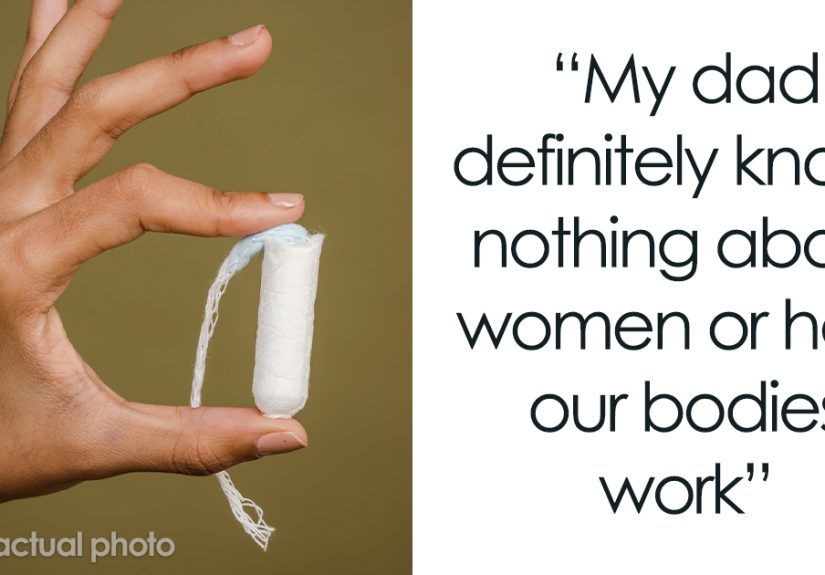
A tampon is a small, absorbent cylinder (usually cotton, rayon, or a blend) designed to be placed in the vagina to absorb menstrual blood before it exits the body. Most tampons come with a string so you can remove them easily.
Do tampons “stop” your period?
Notampons don’t stop bleeding. They simply absorb the flow internally. Your uterus is still doing its monthly “eviction notice,” and your body is still cycling normally.
Can a teen use tampons safely?
In general, yes. There isn’t a magical “tampon age.” What matters is comfort, hygiene, and using the product correctly. Many clinicians and teen health resources emphasize that tampons are an option for adolescents, including for sports like swimming.
Do tampons affect virginity?
“Virginity” is a social and cultural concept, not a medical switch that gets flipped by a menstrual product. Using a tampon doesn’t mean someone has had sex. The hymen (a thin piece of tissue at the vaginal opening) varies hugely from person to person and can stretch with normal activities. Bottom line: a tampon is a hygiene tool, not a relationship status update.
How to Use a Tampon: A Calm, Step-by-Step Guide for First-Timers
If you’re brand new to tampons, the learning curve is real. The first attempt can feel like trying to park a car in a space that suddenly looks smaller than it did online. That’s normal. Here’s a beginner-friendly approach.
Step 1: Choose the right tampon (smaller is your friend)
- Start with “light” or “regular” (lowest absorbency that fits your flow).
- If it’s hard to insert because it feels too dry, you may be trying on a very light-flow dayconsider waiting for a heavier day, or use a different product that day.
- Applicator tampons (plastic or cardboard) can feel easier at first; non-applicator tampons require a bit more comfort with placement.
Step 2: Wash your hands (seriouslythis is non-negotiable)
Handwashing before and after helps reduce infection risk and is standard tampon safety advice.
Step 3: Get into a comfortable position
- One foot up on the toilet seat or bathtub edge,
- a slight squat, or
- sitting on the toilet with knees apart.
The key is relaxing your pelvic muscles. Being tense makes insertion harder, like trying to push a drawer closed while someone’s holding it.
Step 4: Aim back, not up
The vaginal canal angles more toward your lower back than straight upward. A gentle “backward” angle often feels more natural. If it hurts sharply, stop and try again laterpain is not a required rite of passage.
Step 5: Insert until it’s comfortable
If a tampon is placed correctly, you usually shouldn’t feel it. If you do feel it (scratchy, pressure, “something’s there”), it may not be in far enoughremove it and try again with a fresh one. (Reusing an old one is a hard no.)
Step 6: Check the string
The string stays outside your body so removal is easy. That’s it. It’s not a secret antenna. It’s not “gross.” It’s functional engineering.
Step 7: Removal and disposal
- Wash hands.
- Relax and gently pull the string.
- Wrap in toilet paper and throw in the trash (don’t flush tampons).
Swimming During Your Period: What Actually Works
The simplest answer: Yes, you can swim on your period. Water pressure may reduce visible flow while you’re in the pool, but once you get out, gravity returns like an old frenemy. The goal is to use a product that manages flow while you’re active.
Option A: Tampons (the classic swim solution)
- Put in a fresh tampon right before swimming.
- Change it soon after you’re doneespecially if you’ll be out for hours.
- Use the lowest absorbency that works for your flow.
- Bring backups: tampons, a pad or liner for after, and a zip bag for wet suits/clothes.
Common worry: “Will pool water soak into the tampon?” A tampon can absorb some water, but in practice, most people do fine during typical swim sessions. Changing after you swim is a smart habit anywayboth for comfort and hygiene.
Option B: Menstrual cups or discs
Menstrual cups collect blood rather than absorbing it. Some teens love them; others find the learning curve too steep at 14. If you’re comfortable with insertion and removal, cups can be great for sports and longer wear timesjust follow the product instructions carefully.
Option C: Period swimwear (helpful, but know the limits)
Period swimwear can offer backup protection, especially for light flow days or as a “safety net” with a tampon or cup. For heavier flow, most people still pair it with an internal product for swimming laps or long pool time.
Tampon Safety: The Rules That Matter (Especially for Teens)
Most tampon use is straightforward and safebut there are a few safety principles that everyone should know, because they’re easy and they prevent rare but serious problems.
1) Change regularly
A widely recommended guideline is changing tampons every 4–8 hours (and more often if flow is heavy). Using a pad overnight can be a simpler option for some people, especially if they tend to sleep longer than 8 hours.
2) Use the lowest absorbency you need
Higher absorbency than necessary isn’t a “power move.” It can increase dryness and irritation, and it’s not recommended for safety reasons.
3) Know the signs of Toxic Shock Syndrome (TSS)
TSS is rare, but it’s serious and can worsen quickly. Symptoms can include sudden high fever, vomiting/diarrhea, dizziness or fainting, a sunburn-like rash, muscle aches, and feeling very ill. If these happen during a period or soon after, remove the tampon and seek urgent medical care.
4) One tampon at a time. Always.
Doubling up increases risk (and the risk of forgetting one). If bleeding is so heavy that one tampon isn’t enough, consider combining a tampon with a pad, or talk with a clinician about heavy periods.
So… Why Would a Parent “Go Ballistic” About Tampons?
When a parent explodes over a tampon, it can feel irrational (because, honestly, it is). But understanding the “why” can help families de-escalate instead of turning the bathroom cabinet into a battleground.
Common concerns behind the shouting
- Misinformation: “Tampons take virginity,” “tampons are dangerous,” or “tampons are only for adults.”
- Fear of growing up: A tampon can symbolize “my child is changing,” which is emotionally loaded.
- Religious/cultural modesty: Some parents worry about anything involving genital contacteven for hygienebecause they equate it with sexuality.
- Control and trust: “Why didn’t you ask me first?” can be the real issue, even if it comes out sideways.
It’s also worth saying plainly: teaching a teen how a period product works is not “corrupting” them. It’s basic body literacy. And body literacy is protectiveit helps teens recognize what’s normal, what’s not, and when to get help.
How the Sister Can Teach Without Making Things Worse
If you’re the older sister in this scenario, you’re doing something valuablehelping a younger teen navigate her body with less fear. You can also reduce family fallout with a few smart moves.
Keep it health-focused and practical
Skip the dramatic speeches. Stick to basics: how to insert, when to change, and what symptoms mean “get medical help.”
Offer choices, not pressure
A teen doesn’t have to use tampons if she doesn’t want to. Give options (pads, period swimwear as backup, menstrual cup later, etc.). Autonomy makes this feel less like a secret rebellion and more like normal self-care.
Encourage a trusted adult or clinician if there’s conflict
If a parent is upset, a calm third party can help: a pediatrician, school nurse, family doctor, or another trusted relative. Sometimes hearing “this is safe when used correctly” from a medical professional lowers the emotional temperature fast.
A Mini “Pool Day” Checklist for Period Swimming
- Regular or light tampon (or cup/disc if already comfortable)
- Backup pads/liners for after swimming
- Plastic bag for wet swimsuit
- Extra underwear and shorts
- Water bottle + snack (periods and dehydration are a rude combo)
- Any pain relief meds you already use safely (follow label directions and family guidance)
When to Talk to a Doctor
Periods can be weird at first, especially in the first couple years. But there are times when medical advice is important. Consider checking in with a clinician if:
- Bleeding is so heavy you soak through products very quickly or regularly need far more than typical daily changes.
- Severe cramps keep you from school or activities.
- You feel faint, extremely fatigued, or show signs of anemia.
- You have symptoms of infection or you think a tampon may be retained.
Experiences Related to This Topic: What Teens and Families Commonly Run Into (Extra )
If you ask a group of teens about “the first time I tried to swim on my period,” you’ll usually get a chaotic mix of determination, awkward logistics, and the universal truth that bathrooms at pools have the worst lighting in the history of electricity. Many first-timers describe the same three experiences: uncertainty (“Am I doing this right?”), hyper-awareness (“Is everyone staring at me?”), and relief (“Oh. It’s… fine. I’m fine.”).
A common early mistake is choosing a tampon that’s too absorbent “just in case.” That often backfires because it can feel dry or uncomfortable when removing it, especially on lighter-flow days. After a few cycles, many teens learn the surprisingly grown-up skill of matching absorbency to flow: lighter for light days, regular for most swim practices, and changing more often on heavier days instead of “upgrading to super and forgetting about it.” It’s not glamorous, but it’s the kind of routine competence that makes body confidence feel real.
Another shared experience is the “string panic.” Someone worries the string is visible, will float out like a tragic ribbon, or will somehow announce itself to the entire pool with jazz hands. In reality, swimsuit bottoms usually keep everything discreet. Some people tuck the string gently to the side for peace of mind. The biggest confidence boost tends to come from doing a short practice run at homeinsert, walk around, sit down, do a few squatsso the first time isn’t in a rush before a swim meet.
Then there’s the family dynamic. In families where periods are openly discussed, the “tampon talk” might be as casual as “there are extras under the sink.” In stricter households, it can feel like contraband. Teens in those environments often report not wanting to “cause trouble,” even when they’re just trying to participate in normal activities. Older siblings sometimes become the bridgeexplaining the basics, normalizing the body, and quietly reinforcing safety rules (handwashing, changing every few hours, using the lowest absorbency needed). When parents react strongly, it’s frequently rooted in fear or misinformation, not malice.
The families that navigate this best tend to do one thing consistently: they reframe the discussion from “morality” to “health and practicality.” A parent can maintain values about modesty while still acknowledging that a teen has a body that functions, and that she deserves safe tools to manage it. Some parents end up calmer once they hear clear, non-judgmental facts: tampons don’t equal sex; they’re commonly used in sports; and the safety rules are simple. Even if the first conversation is messy, many families report that a second, cooler conversationsometimes with a clinician involvedturns the conflict into a learning moment. And for the teen, that shift matters: it teaches her that her body isn’t an emergency, it’s a responsibility she can handle.
Conclusion: The Least Dramatic Takeaway Possible
A teen wanting to swim during her period is normal. Tampons (and other internal products) are widely used solutions, and with basic safety rules, they’re a reasonable option for many adolescents. The bigger “ballistic” moment usually comes from misunderstanding, not the tampon itself. With clear information, respectful conversation, and a focus on health, families can move from panic to practicalityso the kid can get back to what she actually cares about: swimming, friends, and not missing out.