Table of Contents >> Show >> Hide
- 1. Build a “quiet color palette” that doesn’t argue with itself
- 2. Layer your lighting like you layer your outfits
- 3. Let your windows do the heavy lifting (without sacrificing privacy)
- 4. Declutter the “eye-level chaos zones” first
- 5. Add texturebecause calm is also a physical feeling
- 6. Create a “landing strip” at the door
- 7. Make your bed the visual “anchor” of the bedroom
- 8. Carve out a micro “rest ritual” corner
- 9. Use scent in a subtle, “clean spa” way
- 10. Add plants (or realistic greenery) for a softer atmosphere
- 11. Reduce noise with “soft surfaces”
- 12. Choose art that feels like a deep breath
- 13. Embrace “closed storage” to hide the busy stuff
- 14. Make nighttime more restful by changing evening light habits
- 15. Add one “comfort signal” item in every main room
- A quick room-by-room calming checklist
- Wrap-up: calm isn’t a styleit’s a system
- Real-life experiences: what actually made my home feel calmer (500-word add-on)
Your home doesn’t need to look like a luxury spa brochure to feel calming. In real life, “relaxing home decor” is less about perfectly staged throw pillows
and more about setting up your space so your nervous system stops acting like it’s on call 24/7.
The best soothing decor ideas work on a few simple principles: reduce visual noise, soften sensory input (light, sound, texture), and make daily routines feel
easier. Below are 15 practical, designer-approved ways to create a calm, cozy, stress-friendly homewithout turning your living room into a beige museum.
1. Build a “quiet color palette” that doesn’t argue with itself
Calming colors don’t have to be boring. They just need to be low-drama. Think soft neutrals, warm whites, gentle blues/greens, and muted earthy tones.
The goal is a palette that feels cohesiveso your eyes aren’t bouncing around like a pinball.
Try this
- Pick 1 main neutral (warm white, cream, greige) and 1 soft accent (sage, dusty blue, clay).
- Repeat that accent 2–3 times (a pillow, a vase, a small artwork) so it feels intentional.
- Avoid super high-contrast combos in “rest zones” (bedroom, reading nook).
Example: Cream walls + oatmeal sofa + sage throw + natural wood + matte black hardware. Calm, modern, and not a snooze.
2. Layer your lighting like you layer your outfits
One overhead light blasting down from the ceiling is the decor equivalent of wearing a tuxedo to the grocery store. It’s harsh, it’s confusing, and nobody’s
truly comfortable. Mood lighting matters because it changes how a room feels instantly.
Try this
- Use at least two light sources per room (table lamp + floor lamp, or lamp + sconces).
- Add dimmers where possible, or use smart bulbs for evening wind-down settings.
- Choose shades that diffuse light (linen, frosted glass) instead of clear “spotlight” bulbs.
Example: In the living room, keep overhead lights for cleaning or guests. For daily life, rely on lamps at different heights to create a soft glow.
3. Let your windows do the heavy lifting (without sacrificing privacy)
Natural light can make spaces feel open, airy, and emotionally less cramped. But “relax and unwind at home” also requires comfort and privacyso the trick is
controlling daylight, not blocking it completely.
Try this
- Use sheer curtains to soften glare while keeping brightness.
- Add a second layer (blackout or lined drapes) for bedrooms.
- Keep window areas unclutteredvisual breathing room helps the whole room feel calmer.
4. Declutter the “eye-level chaos zones” first
If you only declutter one thing, declutter what you see constantly. Visual clutter creates mental frictionlike your brain is multitasking even when you’re
trying to relax. You don’t need minimalist perfection; you need fewer “tiny stress pings.”
Try this
- Clear countertops (kitchen, bathroom) down to a few daily-use items.
- Use trays to group essentials (soap + lotion + candle) so it reads as “styled,” not “stuff.”
- Give every frequent item a home (remote, chargers, mail).
Example: Put a small lidded box on the coffee table for remotes and earbuds. Your future self will feel weirdly cared for.
5. Add texturebecause calm is also a physical feeling
A soothing home isn’t just something you look at. It’s something you feel. Texture adds warmth and comfort without requiring bright colors or busy
patterns. It’s one of the easiest ways to make a room feel “safe to exhale” (yes, that’s a real vibe).
Try this
- Layer textiles: rug + throw + pillows in different weaves (linen, knit, bouclé, velvet).
- Choose natural materials when you can: cotton, wool, wood, stone, rattan.
- Keep patterns low-contrast (tone-on-tone stripes, subtle checks).
Example: A neutral sofa becomes instantly cozier with a chunky knit throw and two pillows in slightly different texturessame color family, different feel.
6. Create a “landing strip” at the door
If you walk into your home and immediately step on a shoe, trip over a bag, and get attacked by a pile of mail… congratulations, you’ve recreated a tiny
obstacle course. A calm entry makes your whole home feel calmer.
Try this
- Add hooks or a rack for bags and jackets.
- Use a bowl or tray for keys and sunglasses.
- Keep a small basket for incoming mailsort it once a week, not eight times a day.
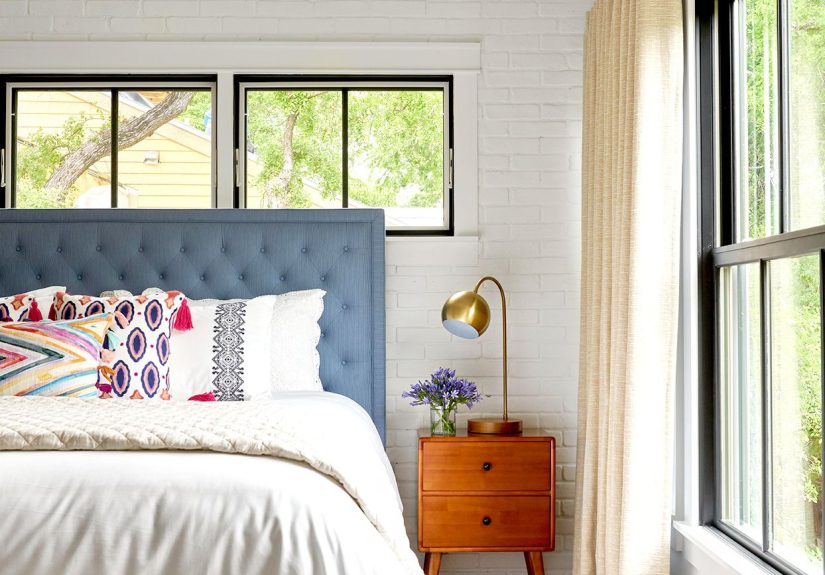
7. Make your bed the visual “anchor” of the bedroom
Bedrooms work best when they feel predictable and soft. Your bed is the biggest object in the room, so it should look invitingnot like a laundry-themed
art installation.
Try this
- Use layered bedding: sheets + quilt/comforter + throw (instant hotel energy).
- Stick to 2–3 colors max for a calmer look.
- Swap scratchy fabrics for soft cotton percale, jersey, or linen blends.
Example: White bedding + light gray quilt + sand-colored throw. Clean, soft, and quietly luxurious.
8. Carve out a micro “rest ritual” corner
You don’t need a full meditation room. You need one small spot that signals: “This is where we slow down.” A chair by a window. A cushion by a bookshelf.
A reading nook that doesn’t also store your taxes.
Try this
- Pick one seat that’s comfortable enough to actually use.
- Add a small side table for tea, a book, or a candle.
- Include a soft light (lamp or sconce) so it works at night too.
Example: A corner chair + small lamp + woven basket with a throw blanket = relaxation, preassembled.
9. Use scent in a subtle, “clean spa” way
Scent is emotional. One whiff can tell your brain “safe” or “stress.” The key is subtletyyour home should smell inviting, not like it’s trying to
aggressively sell you a candle.
Try this
- Choose calming scent families: lavender, chamomile, cedar, sandalwood, vanilla (lightly).
- Use one signature scent per season so it feels consistent, not chaotic.
- Start with “remove odors first” (trash, pet areas, damp towels) before adding fragrance.
10. Add plants (or realistic greenery) for a softer atmosphere
Plants bring life, color, and a gentle sense of “everything is okay, nature still exists.” If you’re not a plant person, that’s finestart with low
maintenance options or high-quality faux stems.
Try this
- Begin with beginner-friendly plants: pothos, snake plant, ZZ plant, philodendron.
- Group plants in odd numbers (3 looks styled, 2 looks accidental).
- If you go faux, keep it simple: one leafy branch in a ceramic vase beats a plastic jungle.
11. Reduce noise with “soft surfaces”
Sound is part of home comfort. Echo-y rooms feel unsettled. Soft surfaces absorb noise and make everything feel calmerlike your space is speaking in an
indoor voice.
Try this
- Add a rug (even a small one) to cut echo.
- Use curtains or fabric Roman shades instead of bare blinds in main rooms.
- Try upholstered furniture or pillows to soften hard lines and sound.
Example: If your living room has hard floors and lots of bare walls, a rug + curtains + two pillows can noticeably change the acoustics.
12. Choose art that feels like a deep breath
Art sets emotional tone. Busy, high-contrast pieces can energize (great for a gym, less great for a bedroom). For soothing decor, choose visuals that feel
spacious and gentle.
Try this
- Look for landscapes, soft abstracts, line drawings, or quiet photography.
- Stick to a consistent frame style for a calmer gallery wall (light wood, black, or white).
- Hang art at eye level so it feels groundednot like it’s floating in panic.
13. Embrace “closed storage” to hide the busy stuff
Open shelves look amazing in photos. In real life, they often become a public museum of random objects: cords, receipts, and that one mystery screwdriver.
Closed storage lowers visual clutter fast.
Try this
- Use baskets, bins, and boxes in shelving units to create calm blocks of space.
- Choose a sideboard or credenza in living/dining areas for hidden storage.
- Label bins inside closets so you don’t create “organized chaos” that still stresses you out.
14. Make nighttime more restful by changing evening light habits
If your evenings are bright and screen-heavy, your brain may stay in “day mode” longer than you’d like. Adjusting light cues is a decor-and-lifestyle win:
it’s easier to unwind when your environment cooperates.
Try this
- Switch to softer lamp lighting in the evening instead of overhead lights.
- Use warmer light settings at night if you have smart bulbs.
- Keep the bedroom lighting gentlereading sconces or bedside lamps beat ceiling glare.
Example: Put a lamp on a timer so the living room “automatically” shifts into wind-down mode around your usual relaxing time.
15. Add one “comfort signal” item in every main room
The most soothing homes have small cues that say: “You can rest here.” A throw blanket. A candle. A soft rug by the sink. A cozy stool by the tub.
These aren’t just decor itemsthey’re permission slips.
Try this
- Living room: throw blanket in a basket + soft lamp.
- Bedroom: plush bedside rug + a place to set a book/phone.
- Bathroom: fluffy towel + small tray for skincare basics.
- Kitchen: cushy mat by the sink + a plant or simple art.
A quick room-by-room calming checklist
Living room
- Two+ light sources, mostly lamps
- One rug, one throw, two textured pillows
- Closed storage for remotes, cords, and “tiny chaos”
Bedroom
- Limited color palette (2–3 colors)
- Layered bedding + soft bedside lighting
- Minimal clutter on nightstands
Kitchen
- Clear counters except daily essentials
- Tray for oils/utensils, mat by sink
- Simple art or plant for warmth
Bathroom
- Soft lighting if possible (even a small lamp on a safe surface)
- One tidy tray for daily products
- Fresh textiles (towels, bath mat) for instant comfort
Wrap-up: calm isn’t a styleit’s a system
The most relaxing home decor doesn’t rely on one perfect purchase. It’s a set of small choices that reduce friction and add comfort:
softer light, fewer clutter piles, gentler colors, better textures, and a couple of routines that make your space feel supportive.
Start with the easiest win: lighting and clutter. Then add one cozy layer at a time. Your home should feel like it’s on your teamespecially on the days
when your brain feels like it has 37 tabs open and one of them is playing music.
Real-life experiences: what actually made my home feel calmer (500-word add-on)
Here’s the honest version: when people talk about “wellness design,” it can sound like you need a giant budget and a neutral color swatch named something
like Whispered Oat Cloud. But the biggest calming shifts usually come from tiny, practical changes you feel immediatelyespecially after a long day
when your patience is running on fumes.
The first thing I noticed was lighting. I swapped the “interrogation beam” overhead habit for two warm lamps in the living room. That single change made
evenings feel less like I was still at work. It also nudged better routines: once the lamps were on, I naturally stopped bouncing around doing random tasks
and started sitting down. It sounds silly, but the room basically told me, “We’re done with productivity now. Please become a blanket burrito.”
Next was the entryway. I used to drop everything near the doorkeys, receipts, bags, whatever my hands were holding. I added two hooks and a small tray.
Suddenly, walking in felt cleaner and quieter. And weirdly, leaving the house became smoother too. No more “Where are my keys?” scavenger hunt that starts
at 7:58 a.m. and ends in emotional damage.
Then I tried the “one comfort signal per room” idea. A throw blanket in a basket near the sofa. A small rug by the bed so my feet didn’t hit a cold floor.
A soft mat by the kitchen sink. None of these cost much, but they changed how the house treated me. The space felt less like a showroom and more like a
supportive friendquiet, helpful, and not judging my life choices.
I also learned that decluttering is most effective when you target what you see all the time. I didn’t reorganize my entire closet. I cleared the kitchen
counters and my nightstand. That removed constant micro-stress. It’s the difference between “my home is fine” and “my home is actively calming me down.”
Finally, I experimented with scentlightly. I kept it simple: one clean, calming scent at a time. No scent layering Olympics. The result was subtle but real:
when the house smelled fresh and consistent, it felt more like a retreat. The important part was not covering bad odors, but preventing themtrash out, towels
dry, kitchen sink clean. Then the “nice scent” felt like a finishing touch, not a rescue mission.
The takeaway: soothing decor is less about having a perfect home and more about setting up your environment to be kind to your senses. Start small. Keep what
helps. Drop what doesn’t. Your nervous system will noticeeven if your to-do list pretends it won’t.