Table of Contents >> Show >> Hide
- How to Make Any Flower Arrangement Look Better
- 20 Classic Flower Arrangements for Stunning Bouquets at Home
- 1. The Round Hand-Tied Bouquet
- 2. The Posy Bouquet
- 3. The Nosegay Bouquet
- 4. The Monochromatic Bouquet
- 5. The Dome Centerpiece
- 6. The Low Compote Arrangement
- 7. The Triangular Arrangement
- 8. The Crescent Arrangement
- 9. The Line Arrangement
- 10. The Line-Mass Arrangement
- 11. The Asymmetrical Arrangement
- 12. The Ikebana-Inspired Arrangement
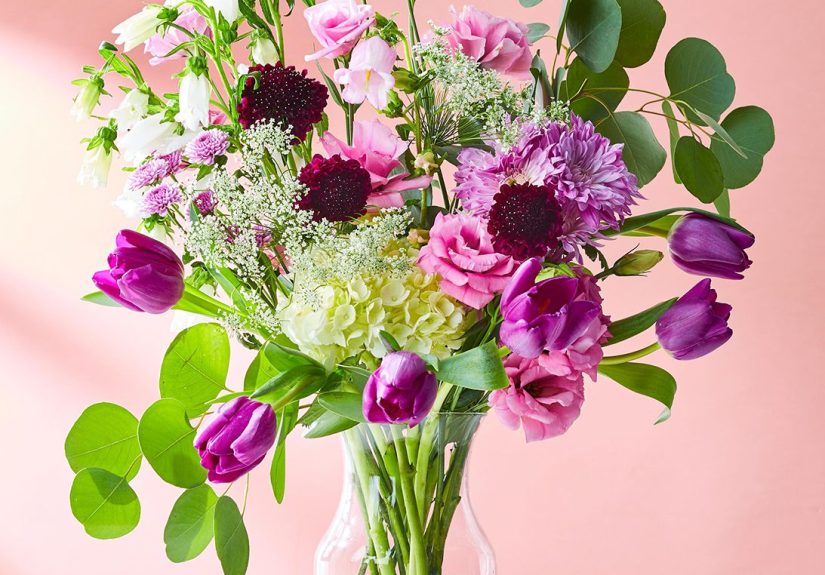
- 13. The Garden-Style Loose Bouquet
- 14. The Wildflower Mason Jar Bouquet
- 15. The Bud Vase Cluster
- 16. The Tall Branch-and-Bloom Arrangement
- 17. The Cascading Bouquet
- 18. The White-and-Green Classic
- 19. The Tropical Structured Arrangement
- 20. The Dried-and-Fresh Mixed Arrangement
- How to Choose the Right Arrangement for Your Space
- Simple Tips to Make Your Bouquets Last Longer
- Conclusion
- Extra Notes From Real-Life Bouquet Experience
- SEO Tags
Generated with GPT-5.2 Thinking
Fresh flowers have a magical way of making a room look more expensive, more cheerful, and far more put-together than it actually is. A single bouquet on the table can whisper, “Yes, I absolutely have my life together,” even if there are unfolded laundry mountains hiding in the next room. The good news? You do not need florist-level credentials, a flower shop cooler, or the patience of a saint to create beautiful bouquets at home.
The secret is not buying the fanciest blooms. It is understanding a few classic flower arrangements that have stood the test of time because they simply work. These bouquet styles are versatile, elegant, beginner-friendly, and easy to adapt with grocery-store flowers, garden clippings, or market stems. Once you know the structure behind them, arranging flowers at home becomes less mysterious and a lot more fun.
In this guide, you will find 20 classic flower arrangements for stunning bouquets at home, plus practical styling tips, flower pairings, and real-life advice for making your arrangements last longer. Whether you love romantic roses, airy wildflowers, or dramatic branches that look like they belong in a boutique hotel lobby, there is a bouquet style here with your name on it.
How to Make Any Flower Arrangement Look Better
Before we get to the classics, here is the cheat sheet. Start with a clean vase, trim stems before arranging, remove any leaves that would sit below the water line, and think about shape before you start stuffing flowers in like you are packing a carry-on five minutes before boarding. Use greenery first to create structure, then add focal blooms, then smaller filler flowers. If a wide vase feels impossible, make a simple tape grid across the opening or use a flower frog to keep stems in place. Your bouquet will stop flopping around like it just got bad news.
Also remember this: classic flower arrangements are not about rigid perfection. They are about balance, proportion, movement, and enough looseness to feel alive. A bouquet should look intentional, not like it was assembled by a panicked squirrel.
20 Classic Flower Arrangements for Stunning Bouquets at Home
1. The Round Hand-Tied Bouquet
This is the all-star of bouquet styles. The round hand-tied bouquet has an even, full silhouette and works beautifully with roses, ranunculus, carnations, tulips, or mixed garden flowers. Hold stems in one hand and rotate the bouquet as you add each stem to build a balanced dome. It is polished, giftable, and ideal for anyone who wants that “florist did this” look without florist prices.
2. The Posy Bouquet
Small, sweet, and charming, the posy bouquet is compact enough for a bedside table, powder room, or breakfast nook. Think short stems, rounded shape, and soft blooms like spray roses, sweet peas, mini carnations, or chamomile. A posy is proof that flower arrangement ideas do not need to be huge to make an impact. Sometimes tiny and tidy wins the day.
3. The Nosegay Bouquet
The nosegay is similar to a posy but slightly more formal and often wrapped with ribbon or foliage. It traditionally features a tight cluster of blooms in the center with a neat outer collar of greenery. If you want a classic bouquet that feels romantic and old-world, this is it. Roses, lisianthus, freesia, and eucalyptus make an especially pretty combination here.
4. The Monochromatic Bouquet
Choose one color and run with it. A monochromatic flower arrangement looks sophisticated because the drama comes from variation in shape and texture rather than a rainbow explosion. Try all-white roses, lisianthus, and stock for a timeless look, or layer pink peonies, carnations, and ranunculus for something softer. Same color, different forms, maximum elegance.
5. The Dome Centerpiece
This classic arrangement is lower and wider, making it perfect for dining tables where guests would like to see each other instead of peeking around a floral skyscraper. Build a rounded dome with focal flowers in the center and supporting flowers filling the sides. Hydrangeas, roses, mums, and alstroemeria are great picks. It is balanced, generous, and wonderfully dinner-party friendly.
6. The Low Compote Arrangement
If you love lush, romantic floral centerpieces, the low compote arrangement is your best friend. Arranged in a pedestal bowl or footed vessel, this style lets flowers spill outward with softness and movement. Peonies, garden roses, hellebores, and trailing greenery are gorgeous here. It feels luxurious without being stuffy, like a table setting that casually happens to be fabulous.
7. The Triangular Arrangement
The triangular shape is a floral design classic for a reason: it is stable, pleasing to the eye, and easy to build. The tallest blooms form the center peak, while side blooms create the lower points of the triangle. Use snapdragons, delphinium, lilies, and roses for a traditional interpretation. This style works especially well on mantels, entry tables, and formal dining spaces.
8. The Crescent Arrangement
Graceful and a little dramatic, the crescent arrangement curves gently to one side or both. This bouquet style looks best when it has clear movement, so use line flowers and airy foliage to create the arc. Jasmine vine, willow, delphinium, orchids, and roses can all work beautifully. It feels artistic, slightly vintage, and ideal when you want a bouquet with a little swagger.
9. The Line Arrangement
Minimalist, sculptural, and quietly confident, the line arrangement focuses on strong vertical or diagonal stems with lots of negative space. It is less about abundance and more about shape. Gladiolus, iris, snapdragons, or tall branches are excellent choices. If your design taste leans modern, this is one of the easiest ways to create a fresh flower arrangement that looks intentional rather than crowded.
10. The Line-Mass Arrangement
This style combines strong linear elements with fuller focal blooms, giving you the best of both worlds. Think tall branches or snapdragons guiding the eye upward, balanced by roses, hydrangeas, or lilies clustered lower down. A line-mass bouquet has structure and volume, which makes it perfect for entryways or larger rooms that need a little floral architecture.
11. The Asymmetrical Arrangement
Asymmetry can look modern, relaxed, and expensive when done well. The trick is balance, not sameness. One side may have more height, while the other has more fullness or visual weight. This is a great style for garden roses, cosmos, scabiosa, and wispy greens. It is especially useful when you are working with mixed stems that do not naturally behave like obedient little soldiers.
12. The Ikebana-Inspired Arrangement
Inspired by Japanese flower arranging traditions, this style uses fewer stems and places enormous importance on line, spacing, and intention. A couple of branches, one focal bloom, and one secondary stem can be enough. This arrangement works well in shallow bowls with flower frogs. It is calm, beautiful, and an excellent reminder that a bouquet does not need 47 stems to make a statement.
13. The Garden-Style Loose Bouquet
This arrangement looks like you wandered through a glorious cutting garden and came back with the best bits. It is airy, layered, and slightly wild in the best possible way. Mix focal flowers with filler and movement flowers, such as roses, zinnias, cosmos, feverfew, and herbs. The result is relaxed and abundant, as if nature herself had excellent taste in interior styling.
14. The Wildflower Mason Jar Bouquet
Rustic? Yes. Overdone when done badly? Also yes. But when done well, a mason jar wildflower bouquet is fresh, nostalgic, and full of personality. Use daisies, Queen Anne’s lace, yarrow, bachelor’s buttons, or chamomile, and keep the shape casual. This arrangement belongs on kitchen counters, picnic tables, and anywhere that benefits from cheerful, no-fuss charm.
15. The Bud Vase Cluster
Instead of forcing every flower into one heroic arrangement, break them into several small bud vases. Grouping three to seven tiny vases together creates rhythm, flexibility, and visual interest. This is a brilliant solution for leftover stems, delicate flowers, or minimalist spaces. It is also wonderfully forgiving. If one stem wilts, the whole arrangement does not collapse into emotional ruin.
16. The Tall Branch-and-Bloom Arrangement
For instant drama, combine flowering branches or foliage with a few substantial blooms. Quince, dogwood, curly willow, eucalyptus, or olive branches create height, while roses, tulips, or hydrangeas add body. This arrangement works best in an entryway, on a console, or anywhere you want people to pause and say, “Oh wow.” It is simple, sculptural, and very effective.
17. The Cascading Bouquet
Cascading arrangements are famous in weddings, but they can also look stunning at home when styled in a bowl or tall vase. The idea is to let some flowers and greenery trail downward in a controlled way. Orchids, ivy, jasmine vine, amaranthus, and roses are good choices. This bouquet style is elegant and dramatic, like wearing silk pajamas on purpose.
18. The White-and-Green Classic
If in doubt, go white and green. This timeless color palette looks clean, crisp, and appropriate in just about every room and season. Use white roses, lisianthus, hydrangeas, snapdragons, stock, and eucalyptus or ruscus. This is one of the safest flower arrangement ideas for beginners because the unified palette makes the whole bouquet look automatically refined.
19. The Tropical Structured Arrangement
Tropical designs are bold, graphic, and surprisingly classic in their own category. Birds of paradise, anthuriums, ginger, monstera leaves, and protea create strong shapes and rich color contrast. Keep the lines clear and the vase simple. This style is fantastic when you want a bouquet that feels energetic, modern, and completely uninterested in blending quietly into the background.
20. The Dried-and-Fresh Mixed Arrangement
Mixing dried elements with fresh flowers gives classic bouquets more texture and a longer visual life. Pair fresh roses or mums with preserved grasses, seed pods, bunny tails, or statice. The dried materials provide structure and movement, while fresh blooms keep the arrangement feeling alive. It is practical, stylish, and perfect for home floral design that leans warm and collected rather than overly polished.
How to Choose the Right Arrangement for Your Space
The best bouquet styles depend on where the arrangement will live. For dining tables, choose low centerpieces, compote designs, or bud vase clusters. For entryways and corners that need height, go for line arrangements, triangular bouquets, or branch-heavy designs. Bedrooms and bathrooms love posies and nosegays. Kitchens look great with mason jar bouquets or simple garden-style bunches.
Also think about your flower source. Grocery-store blooms often shine in round hand-tied bouquets, monochromatic arrangements, and dome centerpieces. Garden flowers are perfect for loose, asymmetrical, and wildflower-inspired styles. If you are clipping from your yard, prioritize flowers with sturdy stems and decent vase life, then harvest in the coolest part of the day for the freshest results.
Simple Tips to Make Your Bouquets Last Longer
Fresh flower arrangement care is not glamorous, but it matters. Recut stems before placing them in water, keep leaves out of the water line, and refresh the water regularly. Place your bouquet away from direct sun, heating vents, and ripening fruit. Yes, fruit. It is delicious, but it is not always a team player. If some stems fade early, remove them and let the stronger flowers keep going. A bouquet does not need to die as a group project.
Conclusion
Classic flower arrangements never go out of style because they solve the same challenge every flower lover faces: how to turn a handful of stems into something that feels beautiful, balanced, and alive. From the tidy charm of a posy bouquet to the drama of a cascading arrangement, these styles give you a framework that makes arranging flowers at home easier and more creative. Learn the shape, choose flowers that suit it, and let the bouquet do what great bouquets do best: make ordinary rooms feel a little extraordinary.
Extra Notes From Real-Life Bouquet Experience
One of the biggest lessons people learn when making bouquets at home is that flowers rarely behave the way they do in your imagination. In your head, you are a floral genius creating a masterpiece worthy of a magazine cover. In reality, one tulip leans left, one rose droops like it is going through something personal, and the eucalyptus suddenly takes over the entire vase like an uninvited houseguest. That is normal. In fact, that trial-and-error process is how most home flower arrangers actually improve.
A common experience is overstuffing the vase. Almost everyone does it at first. You buy a bunch of pretty flowers, get emotionally attached to every stem, and then force them all into one container like you are trying to beat a packing record. The result usually looks stiff, crowded, and oddly stressful. Once people learn to remove a few stems, use multiple vases, or build a loose shape with breathing room, their bouquets instantly look better. Less really can be more, which is annoying but true.
Another familiar experience is discovering that greenery is not “filler” in the insulting sense. Good greenery is the backbone of a stunning bouquet at home. Seeded eucalyptus, ruscus, fern, olive branch clippings, or even herbs from the garden can transform a random bunch of flowers into something intentional. Many home arrangers say the moment they started with greenery first was the moment their bouquets stopped looking flat and started looking layered.
Then there is the grocery-store bouquet experiment. It sounds simple, but it teaches a lot. Maybe you grab roses, carnations, alstroemeria, and a cheap bunch of filler flowers, then separate the bundle and rearrange it into two or three smaller designs. Suddenly your supermarket flowers look much more custom. This is the experience that convinces many people they do not need premium stems to make something beautiful. They just need better editing and a clearer shape.
Seasonal arranging also changes the experience in a huge way. Spring flowers often feel playful and loose, while summer bouquets can be bigger, brighter, and slightly wild. Fall arrangements invite branches, berries, and rich textures. Winter calls for cleaner palettes, evergreen accents, and strong structure. Once people start paying attention to seasons, their home floral design naturally gets more interesting because the bouquet feels connected to the moment instead of randomly assembled.
And perhaps the most relatable experience of all is realizing that flowers are temporary, and that is part of why we love them. A bouquet on day one looks crisp and energetic. By day four, it has softened. By day seven, it might be time to salvage a few stems for bud vases and say goodbye to the rest. That sounds sad, but it also teaches creativity, flexibility, and appreciation. Home bouquets are not supposed to last forever. They are supposed to make your week look better while they are here. Honestly, that is a pretty good life philosophy for a bunch of stems in a vase.