Table of Contents >> Show >> Hide
- What Makes a Basic Omelette Actually Good?
- Way 1: Classic Stovetop Omelette (American-Style Folded Omelet)
- Way 2: French-Style Omelette (Soft, Tender, and Fancy-Looking)
- Way 3: Microwave Mug Omelette (Fast, Dorm-Friendly, and Surprisingly Useful)
- How to Choose the Best Method
- Pro Tips for Fluffy, Tender Omelettes Every Time
- Food Safety Notes for Egg Dishes
- Conclusion
- Practical Kitchen Experiences and Lessons (Real-World Omelette Wins and Fails)
If you can make a good omelette, you can make breakfast, lunch, dinner, and a “I forgot to grocery shop” meal without breaking a sweat. A basic omelette is one of those kitchen skills that looks fancy from across the room but is actually built on a few simple habits: use the right pan, control the heat, and don’t panic when the eggs start setting faster than expected.
In this guide, you’ll learn three easy ways to cook a basic omelette: a classic American-style folded omelet on the stovetop, a soft French-style omelette, and a quick microwave mug omelette for busy mornings. I’ll also cover common mistakes, how to keep your omelet fluffy (without turning it into rubber), smart filling rules, and basic egg safety tips.
Whether you spell it omelet or omelette, the goal is the same: tender eggs, great texture, and a breakfast that makes you feel like you have your life together.
What Makes a Basic Omelette Actually Good?
Before we jump into the three methods, let’s define “basic.” A basic omelette is usually made with eggs, a little fat (butter or oil), salt, pepper, and optional fillings like cheese, herbs, or cooked vegetables. That’s it. No dramatic music required.
Best Egg-to-Pan Setup
- 2–3 eggs is the sweet spot for one serving.
- Use a small nonstick skillet (about 8 inches) for the easiest shape and fold.
- Keep a flexible spatula nearby.
- Prep fillings first because eggs cook fast.
One of the biggest beginner mistakes is using a huge pan for a tiny amount of egg. That makes the omelette too thin, harder to fold, and more likely to overcook. Another common mistake is overfilling it like a burrito. Omelettes have boundaries. Respect them.
Basic Ingredients for Most Omelettes
- 2 or 3 large eggs
- Pinch of salt
- Pinch of black pepper (optional)
- 1 teaspoon to 1 tablespoon butter or oil (depends on pan size and method)
- Optional fillings: shredded cheese, chopped herbs, cooked mushrooms, sautéed onions, spinach, ham, etc.
Way 1: Classic Stovetop Omelette (American-Style Folded Omelet)
This is the most practical and beginner-friendly method. The texture is tender and fluffy, the outside can be lightly golden, and it works beautifully with cheese, vegetables, or leftover bits from the fridge.
Why This Method Works
The American-style omelet uses gentle but active cooking: you let the eggs set, then pull cooked egg toward the center so uncooked egg can flow outward. This creates a soft, even omelette that folds neatly without tearing.
Ingredients (1 serving)
- 2–3 large eggs
- 1 tablespoon butter
- Salt and pepper
- 2–4 tablespoons filling (optional, and preferably already cooked)
How to Cook It (Step by Step)
- Beat the eggs: Crack eggs into a bowl. Add salt (and pepper if using). Beat with a fork until the yolks and whites are fully combined and no streaks remain. You want a smooth mixture, not a foam party.
- Heat the pan: Place an 8-inch nonstick skillet over medium to medium-high heat. Add butter and swirl to coat the pan. When it melts and foams (but before it browns too much), you’re ready.
- Add the eggs: Pour in the eggs. Let them sit for a few seconds so the bottom starts to set.
- Move the eggs gently: Use a rubber spatula to stir/pull the cooked egg toward the center while tilting the pan so uncooked egg runs into open spots. Keep going until the top is mostly set but still slightly glossy.
- Add fillings: Put fillings on one half (or in the center third). Don’t overstuff. A little goes a long way.
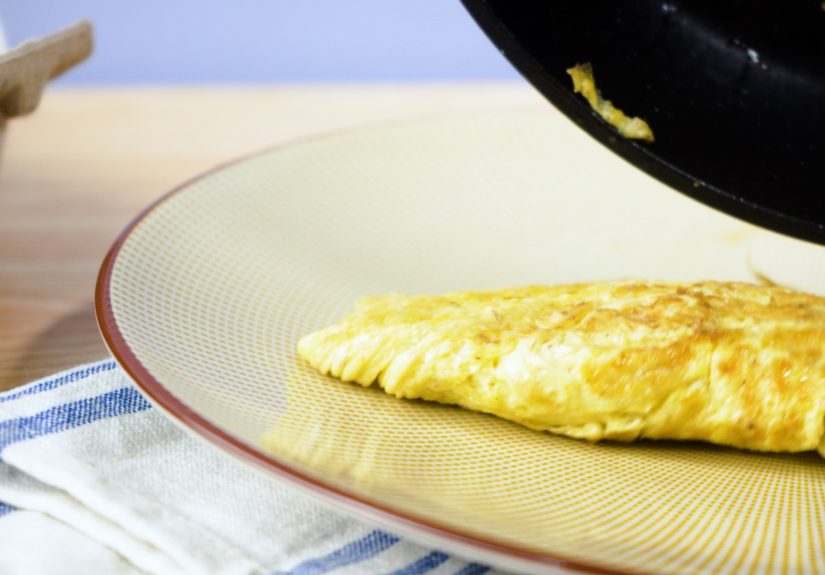
- Fold and finish: Fold the omelette in half (or into thirds) and slide onto a warm plate. The residual heat will finish cooking the inside.
Best Fillings for a Basic Omelet
- Cheddar + chives
- Mozzarella + tomato + basil
- Sautéed mushrooms + spinach + Swiss
- Ham + cheese
- Bell peppers + onions + Monterey Jack
Common Mistakes to Avoid
- High heat the whole time: This can brown the eggs too fast and make them tough.
- Cold fillings: They cool the eggs down and can make the omelet watery.
- Too much filling: It breaks the fold and turns your omelette into scrambled eggs with a roof.
Way 2: French-Style Omelette (Soft, Tender, and Fancy-Looking)
If the classic folded omelet is your favorite diner breakfast, the French omelette is its elegant cousin who owns linen napkins and somehow never spills coffee. It’s smooth on the outside, pale (little to no browning), and softly set inside.
How It Differs from an American Omelet
- Texture: Creamier, more delicate interior
- Appearance: Smooth exterior with minimal browning
- Technique: More continuous stirring/shaking at the beginning
- Fillings: Usually minimal and finely chopped (or none)
Ingredients (1 serving)
- 3 large eggs
- 1 tablespoon butter
- Salt and pepper (white pepper is common, but black pepper is fine)
- Optional: a little cheese or chopped herbs
How to Cook It (Step by Step)
- Beat eggs thoroughly: In a bowl, beat the eggs until fully combined. Season lightly.
- Heat butter in a nonstick pan: Use an 8-inch nonstick skillet over moderate heat. Melt butter until foamy but not browned.
- Add eggs and stir rapidly: Pour in eggs, then immediately stir rapidly with a fork or spatula while shaking the pan. This creates tiny curds and a creamy texture.
- Stop while still soft: When the eggs are softly scrambled but still loose enough to come together, stop stirring. Let the surface smooth out briefly.
- Add a small filling (optional): A little cheese or herbs is plenty.
- Fold/roll: Fold the omelette into a neat oval or roll it as you tilt the pan, then slide it onto a plate seam-side down.
French Omelette Tips for Beginners
- Use a pan with a good nonstick surfacethis is not the time to “see if your old pan still has it.”
- Keep fillings small and pre-cooked.
- A little practice is normal. French omelettes are delicious even when they look like abstract art.
- If the exterior browns deeply, the heat was likely too high.
Way 3: Microwave Mug Omelette (Fast, Dorm-Friendly, and Surprisingly Useful)
Is it the most romantic way to cook eggs? No. Is it incredibly convenient when you need breakfast in minutes and your skillet is buried under last night’s dishes? Absolutely. A microwave omelette (often made in a mug) is a real lifesaver for busy mornings, office breakfasts, and dorm cooking.
Why This Method Works
The microwave cooks the eggs quickly from all sides, and a mug keeps everything contained. You won’t get the same folded omelette shape as stovetop versions, but you do get a fluffy, hot, customizable egg breakfast in a hurry.
Ingredients (1 mug omelette)
- 2 large eggs
- 1 tablespoon milk (optional, for a softer texture)
- Pinch of salt and pepper
- 1 tablespoon shredded cheese (optional)
- 1–2 tablespoons finely chopped add-ins (bell pepper, herbs, cooked meat, etc.)
- Cooking spray or a little oil/butter for the mug
How to Cook It (Step by Step)
- Grease the mug: Lightly coat a large microwave-safe mug.
- Mix the eggs: Crack eggs into the mug. Add milk, salt, and pepper. Beat with a fork until combined.
- Add fillings: Stir in cheese and finely chopped add-ins (use cooked vegetables or cooked meat for best texture and food safety).
- Microwave in short bursts: Microwave on high in short intervals (for example, 30 seconds at a time), stirring between bursts, until the eggs are set and no liquid egg remains.
- Let it stand briefly: Rest for a minute before eating; microwaved eggs continue cooking from residual heat.
Microwave Omelette Tips
- Use a large mug so the eggs don’t overflow.
- Chop add-ins small so they heat evenly.
- Short bursts are better than one long blast (unless you enjoy egg rubber).
- Microwaves vary a lot, so timing is approximate.
How to Choose the Best Method
All three methods are valid. Yes, even the mug one.
Choose the Classic Stovetop Omelet If…
- You want the most balanced texture (tender + fluffy)
- You’re adding cheese or veggies
- You want a traditional breakfast omelet
Choose the French Omelette If…
- You care about technique and texture
- You like a soft, creamy interior
- You want to level up your egg game
Choose the Microwave Mug Omelette If…
- You need speed
- You have limited kitchen equipment
- You want a quick high-protein breakfast on a busy day
Pro Tips for Fluffy, Tender Omelettes Every Time
- Prep first, cook second: Fillings should be ready before the eggs hit the pan.
- Beat until uniform: No obvious streaks of white.
- Use the right pan size: Small pan, better thickness.
- Don’t overcook: Omelettes continue to set after leaving the heat.
- Use moderate heat: Too hot = browned and rubbery before the center is done.
- Warm fillings help: Cold fillings can cool the eggs and make folding harder.
- Don’t overload: For a basic omelette, restraint is a superpower.
Food Safety Notes for Egg Dishes
Eggs are nutritious and convenient, but they still need safe handling. Wash hands, utensils, and surfaces after contact with raw eggs. Keep eggs refrigerated, and cook omelettes until the eggs are thickened and there is no visible liquid egg remaining. If you’re cooking for young children, older adults, pregnant people, or anyone with a weakened immune system, a fully set omelette is the safer choice.
For microwave egg dishes, let the food stand briefly after cooking so heat can distribute more evenly. And as always, if your omelette looks suspiciously undercooked in the center, give it more time. Breakfast should be memorable for the flavor, not for the wrong reasons.
Conclusion
Learning 3 ways to cook a basic omelette gives you more than a breakfast recipeit gives you flexibility. The classic stovetop omelet is your everyday workhorse, the French omelette is your technique flex, and the microwave mug omelette is your emergency hero when time is tight. Start with the basic version, focus on heat control and timing, then experiment with fillings once your fold is reliable.
In other words: master the eggs first, then get fancy. Your future hungry self will thank you.
Practical Kitchen Experiences and Lessons (Real-World Omelette Wins and Fails)
One of the most common experiences people have with omelettes is assuming they’re “easy” because the ingredient list is short, then immediately discovering that eggs cook at the speed of gossip. The first attempt is often overcooked on the outside and undercooked in the middle, or folded so enthusiastically that the whole thing turns into scrambled eggs. That’s normal. Omelettes are less about complicated ingredients and more about timing, heat, and confidence.
A lot of home cooks also learn the hard way that fillings matter more than expected. Raw onions, watery tomatoes, and giant mushroom slices can ruin texture fast. Once you start pre-cooking vegetables and chopping everything smaller, omelettes become much easier to fold and much more enjoyable to eat. This is one of those “tiny changes, huge improvement” moments.
Another real-world lesson: the pan can make or break your results. People often blame themselves when the omelette sticks, tears, or refuses to slide. Sometimes it’s not the cookit’s the pan. A worn-out nonstick skillet or a pan that’s too big creates instant frustration. Using a small, reliable pan makes beginners feel like pros almost immediately. It’s one of the few kitchen upgrades that delivers results on day one.
Many cooks also go through a “fluffy omelette phase” where they try adding milk, cream, extra whisking, or even blending. Some versions work, some don’t, but the biggest improvement usually comes from controlling heat and pulling the omelette before it seems fully done. Residual heat finishes the job. Once people learn that, the texture improves dramatically.
The French omelette especially teaches patience. It’s common for early attempts to look messy, browned, or uneven. But even imperfect French omelettes often taste fantastic. That experience helps people stop chasing visual perfection and focus on texture and flavor. And strangely, that mindset shift usually leads to better-looking omelettes anyway.
The microwave mug omelette has its own learning curve too. Most people overcook it the first time by running the microwave too long in one burst. After that, they switch to short intervals, stir between rounds, and suddenly it becomes a reliable weekday breakfast. It may not be brunch-photo material, but it absolutely earns a spot in a real-life cooking routine.
In the end, omelette experience builds quickly. By the third or fourth try, most people can feel the difference between “still runny,” “perfectly set,” and “oops, this is now a breakfast frisbee.” That fast feedback is exactly why omelettes are such a great kitchen skill to practice. They reward attention, improve with repetition, and taste good even when they’re not prettywhich, honestly, is a very comforting kind of recipe.