Table of Contents >> Show >> Hide
- First: What Is Tart Cherry Juice (and Why Is Everyone Talking About It)?
- Benefit #1: Better Sleep (Without Begging Your Brain to Power Down)
- Benefit #2: Exercise Recovery (a.k.a. Fewer “Ow” Sounds When You Stand Up)
- Benefit #3: Gout Support and Uric Acid Management
- Benefit #4: Heart-Health Signals (Blood Pressure, Inflammation, and Oxidative Stress)
- How to Choose Tart Cherry Juice (So You Don’t Accidentally Buy Sugar Water)
- Who Should Be Cautious (Because Not Every “Healthy” Thing Is Universal)
- Quick FAQ
- Conclusion
- Real-Life Experiences: of “Okay, But What Does It Feel Like?”
Tart cherry juice has the kind of glow-up most of us can only dream of: it went from “grandma’s weird pantry staple” to “wellness world’s favorite deep-red flex.”
And unlike a lot of trendy sips, tart cherry juice actually has research behind itimperfect, evolving, but genuinely interesting.
This article breaks down four science-backed (and hype-resistant) tart cherry juice benefits, how to use it without turning your fridge into a juice bar,
and what to watch out for if your body tends to file complaints.
First: What Is Tart Cherry Juice (and Why Is Everyone Talking About It)?
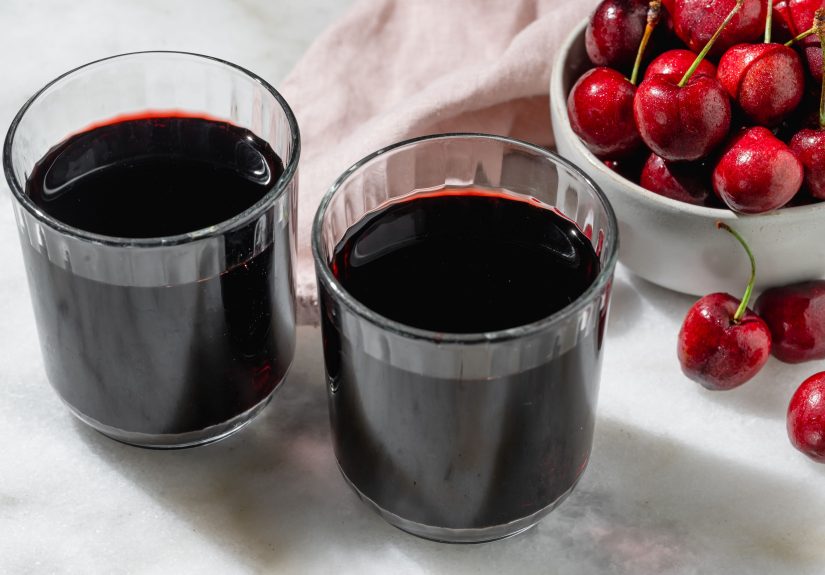
Tart cherry juice usually comes from Montmorency cherries (the sour ones). They’re naturally rich in plant compoundsespecially polyphenols like anthocyanins
that give the juice its dark ruby color and its “wake up, taste buds” personality.
When people Google tart cherry juice benefits, they’re usually looking for one of four things: better sleep, less muscle soreness, gout support,
or help with inflammation and heart-health markers. Conveniently, those are the four areas where the evidence is most talked about.
Benefit #1: Better Sleep (Without Begging Your Brain to Power Down)
If your nights involve doom-scrolling, clock-watching, and negotiating with your pillow like it’s a union contract, tart cherry juice might be worth a try.
It’s not a knockout punch like a prescription sleep aid, but it may help nudge sleep in the right direction.
Why it might work
Tart cherries contain small amounts of melatonin, the hormone that helps regulate your sleep-wake cycle. They also contain tryptophan
and other bioactive compounds that may support sleep indirectly by reducing inflammation and oxidative stresstwo things that can quietly mess with recovery at night.
What the research suggests (in plain English)
Clinical studies have reported improvements in sleep duration and/or sleep efficiency in some groupsespecially adults with insomnia symptoms.
But it’s not universal. Think “helpful for some,” not “guaranteed for everyone.”
The most honest summary is: the signal is promising, but the studies are generally small, and sleep is famously complicated.
Still, if you want a food-based option that’s relatively low-risk for most people, tart cherry juice is a reasonable experiment.
How to try it for sleep
- Timing: About 1–2 hours before bedtime is a common approach.
- Amount: Many sleep-focused protocols use around 8 ounces of 100% tart cherry juice, sometimes split into morning + evening servings.
- Give it a fair trial: Try it consistently for 1–2 weeks before you judge it.
Pro tip: If the flavor makes your face do that involuntary “lemon challenge” expression, dilute it with water or mix it with seltzer.
Your sleep routine shouldn’t feel like a dare.
Benefit #2: Exercise Recovery (a.k.a. Fewer “Ow” Sounds When You Stand Up)
Tart cherry juice is popular with runners, lifters, and anyone who’s ever tried to walk downstairs the day after leg day.
The core idea: its antioxidant and anti-inflammatory compounds may help reduce exercise-induced muscle damage and speed up recovery.
How it may help
Hard workouts create micro-tears in muscle and a burst of oxidative stress. That’s normalyour body rebuilds strongerbut the soreness and performance dip can be annoying.
Tart cherry juice’s polyphenols may help blunt some markers of inflammation and oxidative stress, which can translate to improved recovery in certain contexts.
Timing matters: it’s more “precovery” than recovery
One of the biggest misconceptions is treating tart cherry juice like a post-workout rescue potion. Research reviews suggest it often works best when taken
for several days before a big effortalmost like prepping your system ahead of time.
A practical protocol for active humans
- Start 4–7 days before your event or hardest training block.
- Use it daily through the event and for 1–2 days after.
- Typical dosing: Around 8–16 ounces of juice per day, or a smaller amount of concentrate diluted in water (follow label directions).
Important nuance: inflammation isn’t a villain; it’s part of adaptation. If you’re in a heavy training phase where you want maximal adaptation, some experts
suggest being strategic with high-antioxidant supplementation. In other words: use it when you need to recover fast, not necessarily every day forever.
Benefit #3: Gout Support and Uric Acid Management
Gout is basically what happens when uric acid crystals decide your joints are a fun place to throw a party. (Spoiler: it’s not fun.)
Cherriesespecially tart cherriesshow up again and again in gout-friendly diet discussions.
Why tart cherries are on so many “gout foods” lists
Several studies and reviews have found that cherry intake (including tart cherry juice or concentrate) is associated with
lower uric acid and/or fewer gout flares in some people. Anthocyanins may help by supporting anti-inflammatory pathways and possibly
affecting uric acid metabolism.
Reality check: helpful, but not a replacement
The evidence is encouraging, but not perfectly consistent. Some trials show clear improvements, others show smaller or no effects.
That’s normal in nutrition research, especially when dosing, products, and study populations vary.
If you have gout, treat tart cherry juice as a supportive habitalongside medical care, hydration, and a gout-smart eating pattern
not as a solo solution.
How to use it if gout is your concern
- Choose 100% tart cherry juice or a low-sugar concentrate (added sugar is not your gout’s best friend).
- Start small (like 4 ounces), then scale up if tolerated.
- Pair with basics that matter: water intake, sleep, weight management if needed, and medication adherence if prescribed.
Benefit #4: Heart-Health Signals (Blood Pressure, Inflammation, and Oxidative Stress)
Tart cherry juice isn’t a “heart medicine,” but research has explored its impact on cardiovascular risk markersparticularly
blood pressure, LDL cholesterol, and biomarkers of inflammation and oxidative stress.
Why it’s plausible
Anthocyanins (the compounds that make tart cherries dark red) are associated with vascular benefits in various foods.
They may support endothelial function (how well blood vessels relax and contract) and help modulate inflammatory responses.
What studies have found
Some longer-duration studies in adults (including older adults) have reported reductions in systolic blood pressure and improvements in certain lipid
or inflammatory markers after weeks of daily tart cherry juice intake. But results are mixed across the broader research landscape,
and effectswhen presenttend to be modest rather than dramatic.
Make it heart-friendly
- Watch the label: “Cherry juice cocktail” often means added sugar. You want 100% juice.
- Mind portions: Juice is concentrated fruit. You can get benefits without treating it like water.
- Don’t ignore the boring stuff: If blood pressure is a concern, overall diet patterns (like DASH-style eating), sleep, sodium intake,
and activity matter far more than any single beverage.
How to Choose Tart Cherry Juice (So You Don’t Accidentally Buy Sugar Water)
Look for these on the label
- “100% tart cherry juice” (ideally Montmorency/Prunus cerasus listed)
- No added sugar (or as little as possible)
- Short ingredient list: cherries (and maybe water, if reconstituted)
Juice vs. concentrate
Concentrate is basically tart cherry juice in a smaller, more intense package. It’s convenient and often easier to dose consistently.
The trade-off is that it can taste like a fruit punch that trained for a marathonso dilute it.
Flavor hacks that don’t ruin the point
- Mix with sparkling water + lime for a mocktail vibe.
- Blend into a smoothie with protein and frozen berries.
- Stir concentrate into plain yogurt for a “grown-up dessert” situation.
Who Should Be Cautious (Because Not Every “Healthy” Thing Is Universal)
Tart cherry juice is generally considered safe as a food, but a few groups should be more careful:
- People with diabetes or blood sugar concerns: Even unsweetened juice contains natural sugars.
- Anyone sensitive to sorbitol: Tart cherry juice can trigger bloating or GI upset in some people.
- People with kidney disease or on potassium restrictions: Some juices can contribute meaningful potassium.
- Those on medications: If you take blood pressure meds, blood thinners, or sleep aids, check with a clinicianespecially if you plan to use it daily.
- Allergies: Rare, but possible with any fruit product.
And if insomnia is severe, persistent, or paired with symptoms like snoring/gasping, morning headaches, or daytime sleepiness,
treat it like a health issuenot a “just drink this juice” moment.
Quick FAQ
How long does it take to notice tart cherry juice benefits?
For sleep, some people notice changes within 1–2 weeks of consistent use. For exercise recovery, timing around a hard event matters,
and the effect may show up as “less sore” or “back to normal faster” rather than a dramatic transformation.
Is tart cherry juice the same as black cherry juice?
Not exactly. “Tart” typically refers to sour varieties like Montmorency, which are commonly used in research and supplements.
Sweet cherries are delicious, but the juice products and polyphenol profiles can differ.
Can I just eat cherries instead?
Whole fruit is greatfiber, less sugar concentration, and your teeth won’t feel like they’re wearing juice as a sweater.
But tart cherries aren’t always easy to find fresh year-round, and studies often use juice or concentrate because dosing is simpler.
Conclusion
The best way to think about tart cherry juice is as a targeted tool. It may support sleep quality, ease the edge off post-workout soreness,
help some people manage uric acid and gout flares, and improve certain heart-health markersespecially when used consistently and realistically.
It’s not magic. But it’s also not just internet noise. If you choose a high-quality 100% tart cherry juice, mind your portion size,
and use it for a specific goal (sleep, recovery, gout support, or inflammation), it can be a smartand honestly pretty tastyaddition to your routine.
Real-Life Experiences: of “Okay, But What Does It Feel Like?”
Let’s talk about what people typically notice when they add tart cherry juice to real lifethe messy kind with meetings, workouts, and sleep that doesn’t
always cooperate. These are common patterns reported by everyday folks and wellness clients, not guarantees (because bodies are wonderfully inconsistent).
Experience #1: The “I just want to sleep like a normal person” phase.
People who try tart cherry juice for sleep often describe the first few nights as… underwhelming. Then, somewhere around day four to day ten,
a subtle shift: falling asleep feels less like wrestling a raccoon, and waking up happens fewer times per night. It’s rarely a dramatic “lights out” effect.
It’s more like your brain turns the volume down a notch. A common win is waking up and realizing, “Wait, I didn’t check the time at 2:17 a.m. That’s new.”
Experience #2: The workout recovery test.
The easiest way people “measure” recovery is stair trauma. Runners and lifters sometimes report that soreness is still therebecause biology
but the sharp edge is dulled. The day-after stiffness fades faster, and performance rebounds sooner. The biggest learning curve is timing:
many people try it after a brutal workout and feel nothing, then later try a week-long lead-in before a race or heavy training weekend and finally go,
“Oh. That’s what everyone was talking about.”
Experience #3: The gout-minded routine.
Folks using tart cherry juice for gout support often treat it like a daily habit during higher-risk periods (holidays, travel, stressful weeks)
rather than a forever rule. Some notice fewer “warning twinges” in familiar joints. Others mainly feel better when tart cherry juice is paired with
the basics: more water, fewer sugar-sweetened drinks, and consistent meds if prescribed. If someone expects tart cherry juice to erase gout while they
also run a steady diet of beer and burgers, reality tends to intervene quickly and rudely.
Experience #4: The “how do I make this taste less intense?” journey.
Tart cherry juice is… assertive. Many people start with it straight and immediately pivot to mixing. Seltzer is the popular choice,
and a squeeze of citrus makes it feel like an actual beverage rather than a wellness assignment. Concentrate users often find their sweet spot by
diluting more than the label suggests, then slowly adjusting upward.
The most consistent takeaway from these experiences is simple: tart cherry juice works best when you use it with a purpose, stick with it long enough to
judge it fairly, and keep expectations realistic. If you’re looking for a gentle, food-based nudgenot a miraclethis is one of the more evidence-friendly
nudges on the shelf.