Table of Contents >> Show >> Hide
- Why Dolly’s Photos Matter (Beyond the Hair, Which Also Matters)
- 40 Photo Moments: Dolly Parton Through the Years
- 1940s–Early 1960s: The Roots (Before the World Called Her Dolly)
- Mid-1960s: Nashville or Bust
- Late 1960s: National TV Breakthrough
- Early–Mid 1970s: The Solo Takeoff (And the Songs That Don’t Age)
- Late 1970s: Crossover Confidence (Sparkle, But Strategic)
- 1980s: Movie-Star Era and Pop-Culture Permanence
- 1990s: Legacy, Longevity, and a Heart That Scales
- 2000s: Honors, Tributes, and the Cultural Treasure Phase
- 2010s–2020s: Modern Dolly (Still Working, Still Winning)
- How to “Read” Rare Photos of Young Dolly Parton Like a Pro
- The Real Dolly Lesson Hidden in the Photos
- Extra : Experiences People Have While Falling Into a Dolly Photo Rabbit Hole
- Conclusion
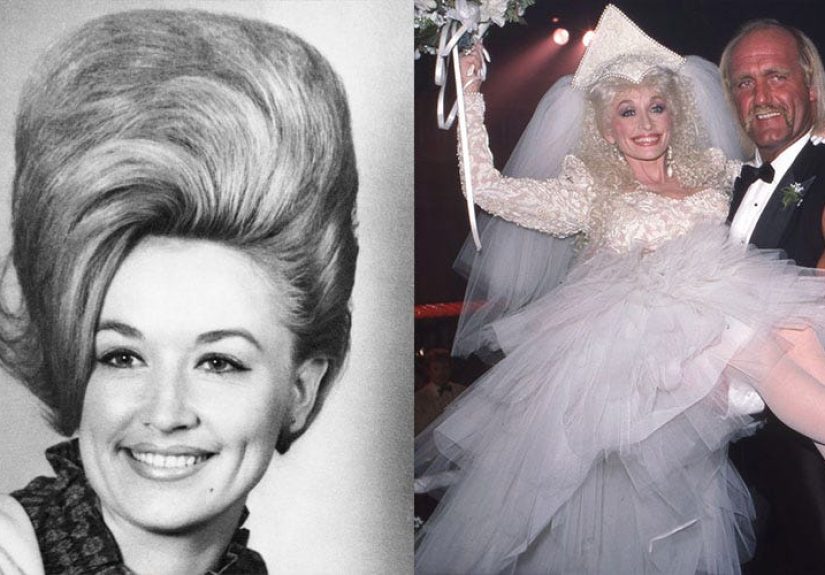
Some people have a “before coffee” face. Dolly Parton has a “before legend” eraand it’s every bit as fascinating as the rhinestone-sparkle, stadium-sized icon we know today. If you’ve ever gone looking for rare photos of young Dolly Parton, you already know the thrill: a black-and-white school portrait here, a tiny stage in East Tennessee there, a big-hair “I’m about to change my life” grin somewhere in between.
This article is a guided stroll through 40 photo momentsthe kinds of snapshots, press images, and candid behind-the-scenes frames that help explain how Dolly became Dolly. We’re not reproducing copyrighted photos here (the lawyers can unclench), but we are recreating the story those images tell: the ambition, the humor, the work ethic, the fashion bravery, and the emotional intelligence that made her a once-in-a-generation storyteller.
Along the way, you’ll notice something: Dolly’s look evolves, but her point of view stays steadyequal parts kindness, savvy, and a wink that says, “Yes, I know exactly what I’m doing.”
Why Dolly’s Photos Matter (Beyond the Hair, Which Also Matters)
Celebrity photos usually do one of two things: sell a moment or freeze a myth. Dolly’s best images do a third thingdocument a craft. Her career started with real-world hustle: a rural Tennessee childhood, early performing, and a leap to Nashville right after high school. Biographers consistently point to that early drive as the foundation of her later creative output and business instincts.
And because Dolly is a songwriter first, her “through the years” pictures aren’t just style markersthey’re timeline stamps for eras of songwriting, touring, and reinvention. You can practically watch her going from promising young performer to national TV presence (hello, late-1960s syndicated country television), then to 1970s solo stardom, 1980s crossover queen, and eventually a cultural figure whose philanthropy became as famous as her choruses.
40 Photo Moments: Dolly Parton Through the Years
Think of these as caption-ready prompts for the kind of “rare photos of young Dolly Parton” gallery you’d happily scroll at 1:00 a.m. while whispering, “Just one more.”
1940s–Early 1960s: The Roots (Before the World Called Her Dolly)
- A one-room-cabin childhood frame: A simple rural setting in East Tennesseeless “glam,” more “grit,” and the origin story she never tried to hide.
- School-day portrait with big-eyed confidence: The kind of photo where you can already tell she’s mentally writing a chorus.
- Family photo with siblings: A crowded, warm, slightly chaotic scene that explains her lifelong comfort with people and stories.
- Church performance snapshot: A small stage, a microphone that looks older than time, and a kid who sings like she means it.
- Teenage guitar moment: Not a propan instrument that signals she’s building a life, not just a hobby.
- Local radio/TV appearance still: The “I’m not waiting for permission” erayoung Dolly learning how cameras work.
Mid-1960s: Nashville or Bust
- Graduation-to-Nashville energy shot: The “bags packed” vibeoptimism with a side of stubborn determination.
- Early promo headshot: Classic industry lighting, careful hair, and a smile that says, “I’ll do the work. All of it.”
- First recording-era studio pic: A modest setup where the main luxury item is ambition.
- Early 1967 era publicity image: The styling starts to sharpenshe’s learning to be memorable on purpose.
Late 1960s: National TV Breakthrough
- First-season TV performance still: Dolly’s early appearances on The Porter Wagoner Show erabright stage lights and a new level of visibility.
- Backstage with musicians: A candid frame where you can feel the schedule: rehearsal, performance, travel, repeat.
- Duet-era publicity photo: The “I can harmonize with anyone” proof, plus the start of a major career partnership.
- Tour bus moment: Hair holding steady against the laws of physics; creativity happening between stops.
- Young Dolly laughing mid-interview: The earliest evidence of her secret weapon: humor as a superpower.
Early–Mid 1970s: The Solo Takeoff (And the Songs That Don’t Age)
- 1971 “Coat of Many Colors” era portrait: A photo that feels intimatebecause the song is.
- Onstage in a classic country dress: Not “costume,” not “trend”a statement of identity.
- 1973 “Jolene” era performance still: The kind of shot where the audience is smiling and also emotionally worried.
- 1974 “I Will Always Love You” era image: A softer, calmer visual that matches a grown-up goodbye song energy.
- Magazine cover from mid-’70s: The crossover spark beginscountry star, but not only.
- Studio photo with big headphones: A reminder that the voice is built in rooms like this, one take at a time.
Late 1970s: Crossover Confidence (Sparkle, But Strategic)
- Sequins-on-purpose portrait: Dolly leaning into glamour with the confidence of someone who knows it’s branding and joy.
- Variety-show performance still: The camera loves her because she understands how to perform for it.
- Fan interaction candid: A photo that proves her public warmth isn’t an actit’s a habit.
- Songwriting desk shot: Pen, paper, and the quiet part of fame: craft.
1980s: Movie-Star Era and Pop-Culture Permanence
- “9 to 5” film-era still: A working-woman, working-artist moment that helped cement her mainstream presence.
- Red-carpet event photo: The look is polished, but the grin is pure Dolly: approachable and unbothered.
- Concert arena wide shot: A scale changebigger rooms, same connection.
- Dollywood partnership-era image (mid-’80s): A photo that signals: she’s not just performing; she’s building institutions.
- Behind-the-scenes movie set candid: The “I’m learning a new craft and enjoying it” vibe.
- Classic ’80s hair-and-shoulder silhouette: Yes, it’s iconic. No, it’s not accidental.
1990s: Legacy, Longevity, and a Heart That Scales
- Country icon portrait with softer styling: The aesthetic relaxes; the authority grows.
- Songwriter recognition moment: A photo that communicates industry respectearned, not granted.
- Imagination Library-era philanthropic image: The “fame used as a tool” era, where giving becomes part of the brand.
- Casual candid with minimal stage makeup: A reminder that she’s always been comfortable with who she is.
2000s: Honors, Tributes, and the Cultural Treasure Phase
- Kennedy Center Honors tribute-night still: The kind of photo where the room looks emotionalbecause it is.
- National arts recognition era photo: A “this is bigger than charts” moment that honors her cultural impact.
- Duet-with-a-new-generation image: Dolly as connective tissue between eras of music.
2010s–2020s: Modern Dolly (Still Working, Still Winning)
- Contemporary portrait with classic Dolly signature: The look updates, but the sparkle stayslike punctuation.
- Recent milestone/honor image: A photo that captures the “elder stateswoman of joy” energystill creating, still giving, still showing up.
How to “Read” Rare Photos of Young Dolly Parton Like a Pro
1) Look for the work, not just the wardrobe
The rarest part of many “rare photos” isn’t that they’re hiddenit’s that they show process. Dolly learning television timing. Dolly adjusting to studio life. Dolly turning a personal memory into a universal lyric. Photos from early TV appearances, recording sessions, or small venues reveal how she built her confidence in public.
2) Notice the transition from performer to architect
By the 1980s, Dolly’s photos start telling a second story: she’s not only a singer and actress; she’s also a builder of projectsmost famously a major Tennessee theme-park partnership and later a literacy initiative that expanded far beyond her hometown. The images shift from “star” to “star + founder.”
3) Track the visual consistency
Here’s the secret: Dolly’s style changes, but it’s always anchored by three thingsclarity, warmth, and intention. Even in young Dolly Parton photos, you see a performer who understands what an audience needs: a strong silhouette, a readable expression, and a vibe that says, “You’re welcome here.”
The Real Dolly Lesson Hidden in the Photos
Dolly’s “through the years” photos don’t just chart famethey chart choices. She chose to be visible, even when the world tried to shrink women into tidy categories. She chose to treat glamour as a kind of art (and sometimes armor). She chose to write songs that made ordinary lives feel epic. And she chose to take the goodwill she earned and pour it into causes that matteredespecially literacy for kids.
That’s why looking at rare photos of young Dolly Parton can feel weirdly inspiring: you’re watching a person become a platform, without losing the person.
Extra : Experiences People Have While Falling Into a Dolly Photo Rabbit Hole
If you’ve ever searched “40 photos of Dolly Parton through the years” with the casual confidence of someone who thinks they’ll browse for five minutes, you already know how this ends: you resurface an hour later with fifty open tabs, a sudden urge to listen to old country records, and the firm belief that rhinestones are basically a personality trait.
One of the most common fan experiences is the timeline whiplash. You start with a young Dolly photofresh-faced, bright-eyed, holding a guitar like it’s a keyand then you jump to an image from a massive stage where she’s commanding a room the size of a small city. The emotional brain goes, “How did that happen?” The practical brain answers, “Work. A lot of it.” The third brain (the one that lives for drama) whispers, “And also… hair magic.”
Another experience: photo-to-song flashbacks, even if you weren’t alive when the photo was taken. A 1970s portrait can trigger the feeling of “Jolene” before a single note plays. A softer, more reflective image might pull “I Will Always Love You” into your head like it has a key to your emotions. That’s not an accident. Dolly’s visuals and songwriting share the same goal: to communicate fast, clearly, and honestly.
People also talk about the confidence effect. Seeing Dolly’s early career photosespecially the ones where she’s clearly still figuring things outcan be oddly comforting. She doesn’t look “perfect.” She looks determined. That’s a powerful message in a world that sells overnight success like it’s a limited-edition perfume. Young Dolly photos remind you that icons are built from ordinary days: rehearsals, travel, awkward interviews, off-angle snapshots, and relentless practice.
Then there’s the fashion archaeology: fans zoom in like detectives. They clock the evolution from sweet country styling to high-glam sparkle, and they debate the deeper meaning of every sleeve. Was it trend? Was it rebellion? Was it stage visibility strategy? (Often: yes.) The fun part is realizing Dolly’s style is both playful and purposeful. She’s never been “dressed up” by accidentshe’s been expressed on purpose.
Finally, many people describe a surprising sense of warmth while looking at these photos. Even when she’s in full performance mode, her expression tends to carry an open-door feelinglike she’s inviting you in on the joke, the story, the chorus, the whole thing. That’s why photo retrospectives don’t feel like distant celebrity worship. They feel like tracing the path of someone who kept her humanity visible while everything around her got bigger.
In other words: a Dolly photo journey is rarely just “look at the pictures.” It’s more like: watch a life become art, then watch that art become comfort for other people. And yes, sometimes it also becomes a reason to buy glitter. No judgment.
Conclusion
Dolly Parton’s story is one of the rarest things in entertainment: a career that expands without hardening. From young Dolly Parton photos that hint at big dreams to later images that capture an icon with real cultural influence, the through-the-years journey is a masterclass in craft, reinvention, and generosity.
If you’re building your own “40 photos” gallery, focus on moments that show more than glamour. Look for the frames that capture growth: early stages, first big breaks, creative pivots, and the projects that prove she’s always been more than a starshe’s been a maker of things that last.