Table of Contents >> Show >> Hide
- Quick cheat sheet
- 1) Mowing too short (a.k.a. “the weekend scalp”)
- 2) Watering the wrong way (too often, too little, or at the worst time)
- 3) Fertilizing (and liming) without a planor worse, with vibes
- 4) Fighting weeds at the wrong moment (late, stressed, or with a “blanket spray” habit)
- 5) Ignoring soil compaction and thatch (then “fixing” it at the wrong time)
- 6) Doing the right thing at the wrong season (especially seeding and feeding)
- Conclusion: your lawn doesn’t need perfectionjust fewer rookie moves
- Real-world lawn lessons: of beginner experiences
- SEO tags (JSON)
Starting lawn care can feel like trying to keep a tiny green pet aliveexcept it doesn’t come when you call, it judges your weekends, and it turns brown the
second you brag about it to your neighbor. The good news: most “my lawn hates me” moments come from a handful of common beginner mistakes, not bad luck.
Better news: once you avoid these missteps, your grass gets a whole lot easier to live with.
This guide focuses on practical, beginner-friendly fixes that work across the U.S. (with small tweaks for your region and grass type). You’ll learn what
usually goes wrong, why it matters, and what to do insteadwithout turning your garage into a turf science lab.
Quick cheat sheet
- Mow higher than you think (and don’t scalp).
- Water deeply, not daily sprinklespreferably early morning.
- Don’t “freestyle” fertilizer or limestart with a soil test and timing.
- Stop weeds before they start (and don’t spray during stress).
- Fix compaction and thatch at the right time, not whenever you feel motivated.
- Match your plan to your grass type and seasonespecially seeding and feeding.
1) Mowing too short (a.k.a. “the weekend scalp”)
If beginners had a lawn-care mascot, it would be a mower set on “lowest” because “short grass looks neat.” Unfortunately, scalping is one of the fastest
ways to stress your lawn and invite weeds.
Why it’s a problem
Grass is a solar-powered plant. When you cut it too low, you remove too much leaf area, which reduces photosynthesis and forces the plant to burn energy
rebuilding blades instead of strengthening roots. Short mowing also lets more sunlight hit the soil surfacehello, weed seedsand can make the lawn dry out
faster during heat.
Do this instead
- Raise the deck: For many home lawns, a taller cut (often around the 2.5–3.5 inch range) is healthier than a low cut.
- Follow the “one-third rule”: Try not to remove more than one-third of the grass blade length in a single mow.
- Mow more often during fast growth: That’s not punishmentit’s prevention. You’re avoiding the “too much at once” stress.
Beginner example
Your lawn “should” be 3 inches. You skip mowing for two weeks, it jumps to 6 inches, and you chop it back to 3. That’s a 50% haircutyour grass feels that.
Instead, mow to 4 inches, then a few days later go to 3 inches. Your lawn stays greener, and you don’t create a straw-colored “why did I do that” field.
Bonus mower tip that beginners forget
Dull blades tear grass instead of cutting it cleanly. Tearing leaves frayed tips that brown faster and can make the lawn look stressed even if your watering
is perfect. A clean cut is the difference between “freshly mowed” and “shredded salad.”
2) Watering the wrong way (too often, too little, or at the worst time)
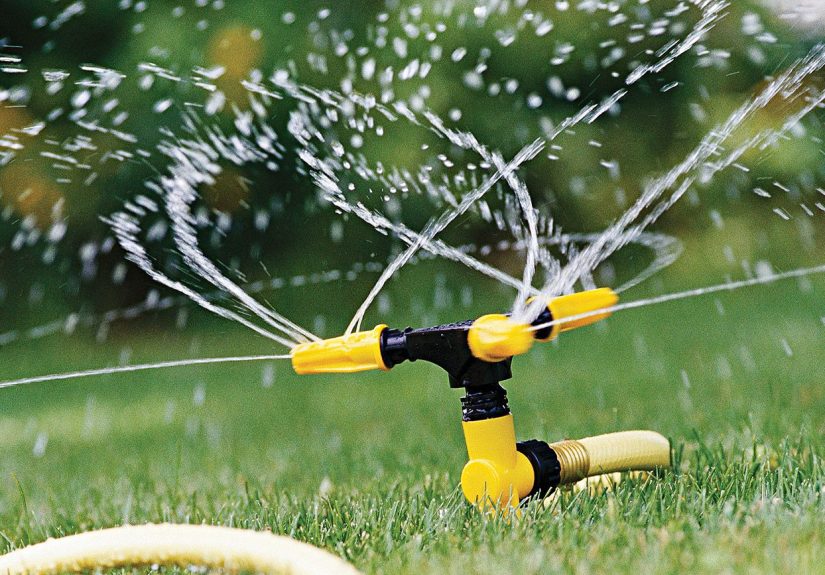
Most beginners water like they’re misting a houseplant: a little bit, often, whenever they remember. Lawns don’t want a daily sip. They want a deep drink
that teaches roots to grow down instead of hovering near the surface like nervous toddlers.
Why it’s a problem
Frequent shallow watering encourages shallow roots, which makes the lawn more vulnerable to heat, drought, and stress. Watering late in the day can also
keep blades wet longer overnight, which may increase disease risk depending on conditions.
Do this instead
- Water deeply and less often: Many lawns do best with fewer, longer sessions rather than daily sprinkling.
- Use a weekly “total” target: A common rule of thumb for many turfgrasses is roughly about an inch per week (rain + irrigation), though it varies by grass type, soil, and weather.
- Water early: Early morning is generally ideal because wind and evaporation are lower and the lawn can dry during the day.
- Measure, don’t guess: Use a rain gauge or the classic “tuna can” test to see how long your sprinklers take to deliver your target depth.
Beginner example
You run sprinklers for 7 minutes every evening because it “seems nice.” The lawn stays damp on top but dry below. In a heat wave, it browns anyway because the
root zone never got hydrated. A better move: water in the morning and run long enough to soak the root zone, then wait until the lawn actually needs it again.
One more reality check: brown doesn’t always mean dead. Many grasses go dormant in severe heat or drought as a survival strategy. If your area has watering
restrictions or you’re trying to conserve water, your “goal” might shift from “lush” to “alive and recovering.”
3) Fertilizing (and liming) without a planor worse, with vibes
Fertilizer is not hair gel. More is not “better hold.” Beginner lawns often get overfed, fed at the wrong time, fed the wrong product, or fed right before a
storm because someone on the internet said it “soaks in faster.” (Sometimes it does. Sometimes it washes away. Sometimes it burns your lawn and your ego.)
Why it’s a problem
Overfertilizing can stress grass, create excessive top growth (meaning more mowing), and increase the risk of burn. Underfertilizing can leave turf thin and
easily invaded by weeds. Applying lime “just because” can also backfireif your soil pH is already fine, extra lime can throw nutrients out of balance.
Do this instead
- Start with a soil test: It’s the fastest way to stop guessing. You’ll learn pH and nutrient needs before you spend money.
- Feed based on grass type and season: Cool-season grasses often benefit from targeted feeding in their active growth periods; warm-season grasses typically peak later. Timing matters.
- Use the label like it’s your lawn’s instruction manual: Apply the recommended rate and calibrate your spreader.
- Skip lime unless your soil test says you need it: Lime is a correction tool, not a “make it greener” shortcut.
Beginner example
You see pale grass and dump high-nitrogen fertilizer in midsummer heat. The lawn “greens up” briefly, then you get patchiness or burned spots. What happened?
Heat-stressed grass can’t use a big nitrogen hit efficiently. A soil test plus season-appropriate feeding would have been cheaper than your emergency reseeding.
4) Fighting weeds at the wrong moment (late, stressed, or with a “blanket spray” habit)
Beginners often treat weeds like whack-a-mole: they show up, you spray everything, repeat until you’re on a first-name basis with the garden center cashier.
The better strategy is prevention plus targeted action.
Why it’s a problem
Some weeds (like crabgrass) are best controlled before they germinate, using pre-emergent timing cues. Spraying herbicides during drought, extreme
heat, or when weeds are stressed can reduce effectiveness and increase the chance of damaging turf. Also, “spray the whole yard” can be unnecessary if the
problem is localized.
Do this instead
- Use prevention when it makes sense: Pre-emergent products are about stopping certain weeds from establishing, not curing an existing jungle.
- Time it smarter: Many regions use seasonal indicators or soil temperature trends for crabgrass prevention windows. Don’t wait until you see it everywhere.
- Spot-treat when possible: If weeds are scattered, targeted treatment can be more efficient than a full-yard broadcast approach.
- Fix the “why” behind weeds: Thin turf, scalping, and poor watering invite weeds. Healthier grass is the best long-term weed control.
Beginner example
You notice crabgrass in July and panic-spray the entire lawn. By then, prevention would have been earlier; now you need careful post-emergent management and,
more importantly, thicker turf next season. A better plan: prevent in spring, mow higher, and overseed bare spots so crabgrass has fewer openings.
5) Ignoring soil compaction and thatch (then “fixing” it at the wrong time)
Sometimes the lawn isn’t failing because you forgot to water. Sometimes it’s failing because the soil is packed down like an overstuffed suitcase and water
can’t move properly. Compaction and excessive thatch can quietly sabotage everything else you do.
Why it’s a problem
Compacted soil reduces oxygen in the root zone and limits water infiltration, which can lead to runoff, puddling, and weak root growth. Thatch (a layer of
dead stems/roots) becomes a problem when it gets too thick, acting like a sponge that holds moisture near the surface and makes it harder for water to reach
the soil evenly.
Do this instead
- Diagnose first: If water pools, the lawn feels hard, or high-traffic areas struggle, compaction may be part of the story.
- Aerate when your grass can recover: Aeration timing depends on grass typeaim for periods of active growth rather than extreme heat or cold.
- Dethatch only if needed: Not every lawn needs dethatching. Overdoing it can tear up turf and create more bare soil for weeds to move in.
- Reduce traffic during stress: Repeated foot traffic on wet soil compacts it fasteryes, your backyard party can have “root consequences.”
Beginner example
Your backyard gets used like a soccer field. You water and fertilize, but the grass still thins. The real issue is compaction. Aerating during the right
season (and then overseeding if appropriate) often improves results more than another round of “miracle green-up.”
6) Doing the right thing at the wrong season (especially seeding and feeding)
Lawn care is seasonal. Beginners often buy seed or fertilizer the moment motivation strikes (usually on a sunny Saturday) rather than when the lawn can
actually use it. Timing is a bigger deal than most people realize.
Why it’s a problem
Grass seed needs consistent moisture and favorable temperatures. If you seed into the wrong seasontoo hot, too cold, too dryyou’re essentially donating seed
to birds and the universe. Fertilizer timing also matters because growth cycles differ between cool-season and warm-season grasses.
Do this instead
- Know your grass type: Cool-season lawns (common in the northern U.S.) and warm-season lawns (common in the southern U.S.) peak at different times.
- Seed when conditions support germination and establishment: “Best time” varies, but it’s almost always when temperatures and moisture are reliable enough for young grass to survive.
- Match fertilizer timing to growth: Feed when grass is actively growing and can use nutrients efficiently.
- Fix bare spots fast: Thin turf becomes weed turf. Patch early, and address the cause (shade, compaction, pet spots, poor drainage).
Beginner example
You seed in midsummer because the lawn looks thin and you’re fed up. Then the heat hits, watering becomes a full-time job, and the seedlings struggle.
Seeding during a more favorable establishment window (and prepping soil properly) usually produces thicker results with less stress and less water.
Conclusion: your lawn doesn’t need perfectionjust fewer rookie moves
A beginner-friendly lawn strategy is surprisingly boring, which is exactly why it works: mow a little higher, water more intelligently, feed based on real
needs (not guesses), prevent weeds before they explode, fix compaction when the lawn can recover, and respect the season your grass actually lives in. Do that
consistently, and your lawn gets thicker, greener, and less dramatickind of like a teenager who finally started sleeping.
Pick one mistake to fix this week. Your lawn will notice. Your neighbors might too. (You can pretend it was talent.)
Real-world lawn lessons: of beginner experiences
Beginners don’t usually mess up lawn care because they’re lazy. They mess up because lawn care advice sounds simple until your yard adds “plot twists.”
Here are some common real-life scenarios new homeowners and first-time lawn caretakers run intoand what typically works when they adjust course.
Experience #1: The “I’ll mow it short so I don’t have to mow again” phase
This is a classic. Someone gets busy for two weeks, sees the lawn getting tall, and decides to “reset” it by mowing very low. For a few days it looks tidy,
then the lawn turns pale, the tips brown, and weeds suddenly appear like they were invited. The lesson most people learn the hard way: mowing is not just
haircutting; it’s plant management. When beginners switch to a higher mowing height and mow often enough to follow the one-third rule, the lawn usually looks
greener within a couple of weeks because the grass stops spending energy on emergency regrowth. It also shades out weeds betterso the yard starts improving
without constant spraying.
Experience #2: The “daily sprinkle” trap
Many beginners run sprinklers for a few minutes every day because it feels responsible. The yard still struggles in hot weather, and they assume they need
even more daily watering. What they’re missing is depth. Shallow watering keeps roots near the surface, where heat dries soil quickly. When beginners
try a deeper morning watering schedule (and measure how much water they’re actually applying), they often notice fewer dry patches and better resilience.
The “aha” moment usually comes after a hot week: the lawn that gets deep water holds up better than the lawn that gets daily misting.
Experience #3: Fertilizer roulette
A lot of people buy whatever bag looks most confident at the store (you know the one: giant numbers, lots of green, promises of glory). Sometimes it helps,
sometimes it backfires. The most common story is applying too much nitrogen at the wrong time, which causes a growth surgefollowed by stress, patchiness, or
the realization that you now have to mow twice as often. Beginners who take a breath, get a soil test, and feed based on actual needs usually end up spending
less money and getting more consistent color. The lawn becomes steadier, not “bright green for two weeks and moody for the next month.”
Experience #4: Weed panic and the “spray everything” response
Weeds appear and beginners go full action-movie mode: blanket spray, repeat. The lawn may look worse afterward, especially if it was already stressed. Over
time, most people discover that thick turf is the real weed strategy. When they mow higher, water smarter, and fill bare spots, weeds tend to lose ground.
Then weed control becomes a smaller, targeted job instead of a recurring chemical war.
Experience #5: The backyard traffic reality
Families with kids, dogs, or frequent gatherings often assume they just need “tougher grass.” But the real issue is compacted soil and constant wear. Many
beginners get better results when they aerate in the right season, overseed (if appropriate), and create a couple of intentional traffic laneslike stepping
stones, mulch paths, or a small patio area. The yard becomes more functional, and the “dead strip” in front of the gate finally stops reappearing.
If you recognize yourself in any of these, congratulations: you’re normal. The win is not never making mistakesit’s learning which adjustments give you the
biggest payoff, then repeating them until your lawn starts acting like it knows you’re in charge.