Table of Contents >> Show >> Hide
- Why “dishwasher Tetris” feels so ridiculously good
- The big risk: when “everything fits” turns into “nothing gets clean”
- Think like water: the real secret to fitting more (and cleaning better)
- “Scrape, don’t rinse”: the modern dishwasher truth that still feels wrong
- What NOT to put in the dishwasher (even if it technically fits)
- Detergent, rinse aid, and why your glasses look “meh”
- How to cram smart: “fit everything” tactics that don’t sabotage cleaning
- Maintenance: keep the dishwasher from turning into a mysterious swamp
- When you need extra peace of mind: sanitize cycles in plain English
- The 60-second “load like a legend” routine
- of Dishwasher Tetris Experiences (Because We’ve All Been There)
- Conclusion
There’s a very specific kind of victory that doesn’t come with a trophy, a medal, or even a polite round of applause.
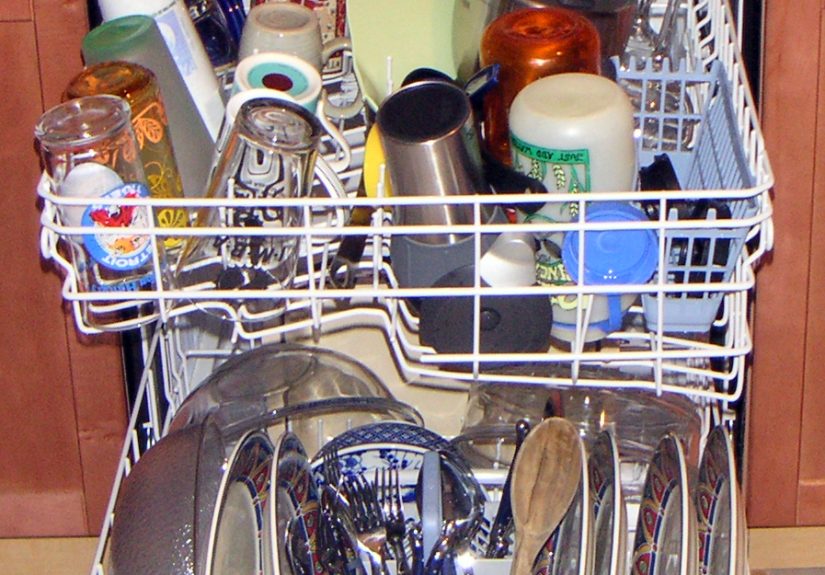
It comes with a soft clickthe sound of your dishwasher door shutting after you’ve pulled off a miracle of geometry:
every plate, every bowl, every mug, every last fork somehow fits. No second load. No sink pile. No “I’ll do it later”
(famous last words). Just one perfectly packed, stainless-steel game of Tetris that says, “Tonight, I am unstoppable.”
The folks behind 1000 Awesome Things nailed this tiny, oddly heroic moment: the satisfaction of squeezing in
“just one more thing” after the rack already looked full. And honestly? It’s relatable on a spiritual level.
But here’s the twist: the most satisfying load isn’t always the most effective load. The goal isn’t just to fit
everythingit’s to fit everything and have it come out clean, dry-ish, and not mysteriously coated in a
gritty film that feels like the dishwasher took a pottery class mid-cycle.
Why “dishwasher Tetris” feels so ridiculously good
Part of the joy is obvious: fewer loads means less time, less effort, and less arguing with a machine that beeps like it
pays rent. But there’s also something deeply satisfying about closing the loop on a task. A full dishwasher is visual
proof that dinner is officially overand the kitchen chaos is now somebody else’s problem (somebody else being your
appliance and a packet of detergent).
Plus, packing well feels like a skill. Not an “add it to your résumé” skill (unless you’re applying to be a cruise ship
steward), but still a legitimate talent. You’re making decisions about angles, spacing, and spray paths. You’re
engineering a tiny car wash for plates. That’s art. That’s science. That’s… avoiding hand-washing, which is basically the
American dream.
The big risk: when “everything fits” turns into “nothing gets clean”
Dishwashers don’t clean because they’re impressed by your ambition. They clean because water jets hit dirty surfaces,
detergent dissolves and does its chemistry thing, and food bits get carried away through filtration and drainage.
If you pack dishes so tightly that water can’t reach key surfacesor items “nest” together like spoons spooningyour
dishwasher can’t do its job.
Common overpacking fails (aka how the dishwasher humbles us)
- Blocked spray arms: One rogue cutting board can stop an arm from spinning, and suddenly the “wash” becomes “light misting.”
- Nesting: Bowls stacked like Russian dolls and utensils piled together create hidden dirty zones.
- Shadowing: Big items placed in front of smaller ones steal the spray and leave the small stuff gritty.
- Detergent door sabotage: A pan handle leaning against the dispenser can keep it from opening fully. Tragic, preventable drama.
Think like water: the real secret to fitting more (and cleaning better)
Here’s the mindset shift: don’t load for “space.” Load for “spray paths.” A well-packed dishwasher isn’t crammed;
it’s organized so water can hit everything that needs hitting. Once you load like that, you’ll often find you can
still fit a tonjust in a smarter way.
Bottom rack: plates, pots, and the heavy hitters
The bottom rack is typically where the strongest spray action happens, which makes it perfect for plates, serving
bowls, and cookware that can handle higher heat. The best rule of thumb is simple: aim dirty surfaces toward the center
where the spray is most effective, and keep items angled so water can drain instead of pooling.
- Plates: Stand them between the tines, slightly angled inward, so both sides get spray and rinse water can run off.
- Bowls: Place at a tiltopen side downso they don’t become little bathtubs of re-deposited gunk.
- Pots and pans: Keep them on the sides or back, open side down, and avoid stacking (stacking is basically asking for “still greasy”).
- Sheet pans and cutting boards: If your manual says they’re dishwasher-safe, place them on the outer edges so they don’t block the center spray.
Top rack: glasses, mugs, plastics, and “please don’t melt” items
The top rack is your gentler neighborhoodideal for cups, glasses, smaller bowls, and many dishwasher-safe plastics.
The goal is stability (no mid-cycle collisions) and exposure (water can actually reach the surfaces).
- Glasses and mugs: Place between tines, not balanced on top of them. Think “secure,” not “circus act.”
- Plastic containers: Use the top rack whenever possible, especially if your dishwasher has a heating element on the bottom.
- Lids: Angle them so water drains, and use clips or secure zones so they don’t flip and become tiny rain shields for everything else.
- Small bowls: Avoid overlapping. If water can’t get between them, it can’t clean between them.
Utensils: stop the spoon pile-up
Utensils are where good loads go to diemostly because forks love to cling to each other like they’re forming a union.
The fix is to keep them separated so spray can hit all surfaces.
- Avoid nesting: Mix forks and spoons instead of clustering identical pieces together.
- Handle up vs. handle down: A common compromise is handles down for better cleaning exposure, but place sharp knives handle up for unloading safetyor follow your manufacturer’s guidance and household preferences.
- Third rack win: If you have a flat third rack, use it. It separates utensils beautifully and helps drying.
“Scrape, don’t rinse”: the modern dishwasher truth that still feels wrong
If you grew up watching someone pre-rinse every dish like they were prepping it for surgery, you’re not alone. But
many modern dishwashers (especially ENERGY STAR certified models) and today’s detergents are designed to clean dishes
without pre-rinsing. Scrape off big chunks, yesbut running water over everything first usually wastes water and can
even work against you if your dishwasher uses soil sensors to adjust the cycle.
The practical middle ground: scrape thoroughly, don’t rinse, and load promptly. If dishes are going to sit
overnight, consider using a rinse/hold feature (if your dishwasher has it) rather than full-on pre-washing in the sink.
What NOT to put in the dishwasher (even if it technically fits)
Dishwasher Tetris gets extra tempting when you spot an empty corner and think, “Surely my cast iron can squeeze in there.”
Friend, no. Some things aren’t “dishwasher-safe” in the same way a white couch isn’t “toddler-safe.” It’s not a moral
judgment. It’s physics.
Items that often belong in the hand-wash lane
- Cast iron: Dishwasher cycles can strip seasoning and promote rust.
- Wooden utensils and cutting boards: Heat and prolonged moisture can warp, crack, and roughen wood fibers.
- Chef’s knives: Dishwashers can dull blades and damage handles over time.
- Nonstick cookware: High heat and harsh detergents can shorten the life of coatings.
- Aluminum and copper: Can discolor, tarnish, or react poorly with detergents.
- Fine china, crystal, and delicate finishes: Risk of chipping, clouding, or pattern damage.
- Insulated mugs and bottles: Only if clearly labeled dishwasher-safe; otherwise, seals and vacuum insulation can be affected.
Detergent, rinse aid, and why your glasses look “meh”
If your dishes come out clean but your glasses look cloudy or spotty, your dishwasher may be doing fineyour water and
drying chemistry might just need a boost. Many households get better results by using an appropriate detergent amount
(more is not always better) and adding rinse aid, which helps water sheet off instead of drying in droplets that leave
minerals behind.
When rinse aid is worth it
- You see water spots or a filmy look on glassware.
- Plastics come out wet even after heated drying.
- You have hard water and notice mineral buildup.
How to cram smart: “fit everything” tactics that don’t sabotage cleaning
Yes, you can often fit one more item. The trick is doing it in a way that respects spray paths, drainage, and basic
mechanical survival. Here are the “dishwasher Tetris” moves that actually work.
1) Use the edges for big, flat stuff
Large platters, baking sheets, and cutting boards (if dishwasher-safe) should usually ride the outer perimeter. Put them
toward the back or sides so they don’t block the center spray from reaching the rest of the rack.
2) Tilt and stagger bowls
Bowls stacked in a tight row tend to overlap and shield each other. Stagger them like shingles, leave breathing room,
and angle them so water doesn’t pool.
3) Adjust rack height (if your dishwasher lets you)
Many modern dishwashers allow upper rack height adjustments so you can fit tall glasses up top or create headroom for
larger items below. It’s like raising the ceiling in your dishwasher apartmentsuddenly everything feels possible.
4) Flip down tines strategically
Folding tines aren’t just fancy. They let you create stable zones for awkward items like mixing bowls, colanders, or
storage lidswithout stacking them into a wet, frustrating sandwich.
5) Do the “spin test” before you close the door
Give the spray arms a gentle turn (if accessible) and visually check for anything that might block movement.
One blocked arm can turn a full load into a full disappointment.
Maintenance: keep the dishwasher from turning into a mysterious swamp
If your dishwasher has ever smelled like a damp sock that lost a fight, it’s usually not because it’s “old.”
It’s because it’s dirty. Filters and spray arms need occasional cleaning to keep water flowing and food particles from
redecorating your dishes.
Quick maintenance habits that actually pay off
- Clean the filter periodically: Rinse it under running water and gently brush away debris.
- Check spray arms every few months: If holes are clogged, clear them carefully (a toothpick can help).
- Wipe the door edges and gasket: Grime loves corners. Don’t let it move in permanently.
- Run a cleaning cycle when needed: Follow your manufacturer’s guidance for dishwasher cleaners or deep-clean steps.
When you need extra peace of mind: sanitize cycles in plain English
Some dishwashers include a sanitizing cycle designed to reduce bacteria using higher temperatures during the final rinse.
For residential dishwashers, sanitization performance is commonly verified under standards such as NSF/ANSI 184, which
describes specific temperature and performance requirements when the sanitizing cycle is used.
Translation: if you’re washing baby bottles, cutting boards (dishwasher-safe ones), or you just want an extra boost after
someone in the house had a stomach bug, that sanitize option can be usefulassuming your items can handle the heat.
The 60-second “load like a legend” routine
If you want the #665 feeling and clean dishes, here’s a fast routine that keeps you from redoing the work later.
- Scrape: Remove chunks and bones (yes, it’s happened) into the trash or compost.
- Sort: Bottom rack for plates/pots, top rack for cups/plastics, third rack for flat stuff.
- Angle: Face dirty surfaces inward and tilt to drain.
- Separate utensils: Mix types to prevent nesting.
- Check the dispenser: Make sure nothing blocks it.
- Final glance: Nothing should stop spray arms from spinning.
of Dishwasher Tetris Experiences (Because We’ve All Been There)
You know that moment when you open the dishwasher and it looks full, but your brain refuses to accept defeat? The plates
are lined up like obedient soldiers. The bowls are stacked at a respectable angle. The glasses are upside down like they
attended a seminar on “how to be rinsed efficiently.” And yet, sitting on the counter, there’s one last cereal bowl and a
lonely spatula staring at you like, “So… we just live here now?”
That’s when Dishwasher Tetris begins. You start scanning for “micro-spaces”the little gaps between tines that feel too
small to matter until you convince yourself they’re basically an unused storage unit. You rotate a plate two degrees and
suddenly it’s like the universe expands. You shift one mug handle and gain enough room for a ladle. It feels illegal.
It feels powerful.
Then comes the classic move: the late-game fork bundle. You look at the utensil basket and realize it’s
already crowded, but you also know forks have a secret ability to teleport into any available slot. You slide in two more
like you’re sneaking extra passengers onto a lifeboat. You separate them just enough to avoid nesting (because you’ve been
burned before), and you whisper, “Behave,” as if the silverware can hear you.
Next up is the plastic container gamble. The container fits on the top rack, but the lid is a drama queen.
It wants to flip, float, and block water from reaching anything in a five-inch radius. So you wedge it into a corner
with the confidence of someone who has absolutely done this beforeand also the realism of someone who expects to find it
upside down later anyway. Bonus points if you manage to secure it so well that it comes out dry, which is basically a
miracle on par with a perfect soufflé.
Of course, the most elite Dishwasher Tetris moment is fitting in the last awkward item: a giant mixing bowl, a greasy
roasting pan, or a cutting board-shaped object that’s clearly trying to block the laws of fluid dynamics. You angle it,
you edge it to the side, and you do the “spray arm clearance stare” like an air traffic controller. This is the line
between victory and waking up to a dishwasher full of clean plates and one mysteriously untouched pan that looks like it
spent the whole cycle meditating.
And when the door finally closesno force, no knee-on-the-door maneuver, no suspicious crunching soundyou feel it:
that tiny, ridiculous joy. You didn’t just load a dishwasher. You solved a puzzle. You saved a future-you from
hand-washing. You earned the right to walk away and let the machine do its thing while you live your best “not doing
dishes” life.