Table of Contents >> Show >> Hide
- How to Build a Diabetes-Friendly Protein Smoothie (Without Making a Sugar Slushie)
- 8 Protein Shakes and Smoothies for People with Diabetes
- 1) Berry-Spinach Greek Yogurt Smoothie (Classic for a Reason)
- 2) Peanut Butter Cinnamon Oat Protein Shake (Tastes Like Breakfast)
- 3) Mocha Almond-Chia Protein Shake (Coffee People, Assemble)
- 4) Strawberry “Cheesecake” Cottage Cheese Smoothie
- 5) Avocado-Lime “Tropical, But Make It Balanced” Smoothie
- 6) Pumpkin Pie Protein Smoothie (No, It’s Not Just for Fall)
- 7) Chocolate-Cherry Silken Tofu Smoothie (Plant-Based and Creamy)
- 8) Savory Cucumber-Mint Protein Smoothie (Trust the Process)
- Store-Bought Protein Shakes: How to Pick One Without Getting Played by the Label
- Safety Notes and “Ask Your Clinician” Moments
- of Real-World Experience: What People With Diabetes Often Notice With Protein Smoothies
- Conclusion
Smoothies can be a diabetes-friendly breakfast, snack, or “I forgot lunch existed” rescue planif you build them like a balanced meal and not a fruit-flavored sugar rocket.
The good news: when you pair carbohydrates with protein, fiber, and healthy fat, digestion slows down and blood glucose tends to rise more gradually.
The less fun news: the blender has zero empathy and will happily turn three servings of fruit into a drinkable speedrun to a spike.
This article gives you eight protein shake and smoothie ideas designed to be lower in added sugar, higher in protein, and more realistic for everyday life.
(Standard disclaimer: diabetes is personal. If you use insulin or meds that can cause low blood sugar, or if you have kidney disease, talk with your clinician or dietitian about what’s right for you.)
How to Build a Diabetes-Friendly Protein Smoothie (Without Making a Sugar Slushie)
Think of a smoothie like a meal in a cup. The goal isn’t “zero carbs forever”it’s smart carbs in an amount that fits your plan, plus enough protein, fiber, and fat to keep you full and steady.
Here’s the simplest framework:
The “Steady-Glucose” Smoothie Formula
- Unsweetened liquid base (1–1.5 cups): water, unsweetened almond/soy milk, or plain dairy milk.
- Protein (aim ~20–30g): plain Greek yogurt, cottage cheese, silken tofu, or an unsweetened protein powder (whey or plant-based).
- Fiber + texture (1–2 add-ins): chia, ground flax, oats, or even a spoonful of psyllium (start small).
- Healthy fat (optional but helpful): avocado, nut butter, or a small handful of nuts.
- Fruit (usually ~1 serving total): berries are the MVP; higher-sugar fruit can still fitjust use smaller amounts.
- Non-starchy veggies (1–2 cups): spinach, cucumber, zucchini, or cauliflower rice blend surprisingly well.
Why this works (the quick, non-boring science)
Carbs raise blood glucoseno scandal there. But what you eat them with matters.
Pairing carbs with protein, fat, and fiber slows how fast glucose hits your bloodstream.
Fiber also helps slow sugar absorption and can improve blood sugar control over time. Meanwhile, choosing less processed carbs and focusing on glycemic load (not just glycemic index) can give you a more realistic picture of how a portion will affect you.
Two smoothie mistakes that cause the most drama
-
Using juice as the base. Juice is basically fruit’s “fast pass” to your bloodstream because most of the fiber is gone.
Use water or unsweetened milk instead. -
Accidentally adding three servings of carbs. A banana, plus mango, plus oats, plus sweetened yogurt can be delicious… and also a lot.
You can still include those ingredientsjust keep the total portion sensible and balance them with protein, fiber, and fat.
Label-reading: one tiny habit that pays off
If you use store-bought protein shakes, flavored yogurt, or protein powders, get familiar with the “Added Sugars” line on the Nutrition Facts label.
“Total sugars” includes naturally occurring sugars (like lactose in milk and sugars in fruit). “Added sugars” are what manufacturers addedthose are the ones that can sneak up fast.
8 Protein Shakes and Smoothies for People with Diabetes
Each recipe below is written as a balanced templatebecause your pantry is not a cooking show set, and your smoothie should work even if you’re missing exactly one ingredient (always).
Nutrition will vary by brand and portion size, so use these as practical, mix-and-match guides.
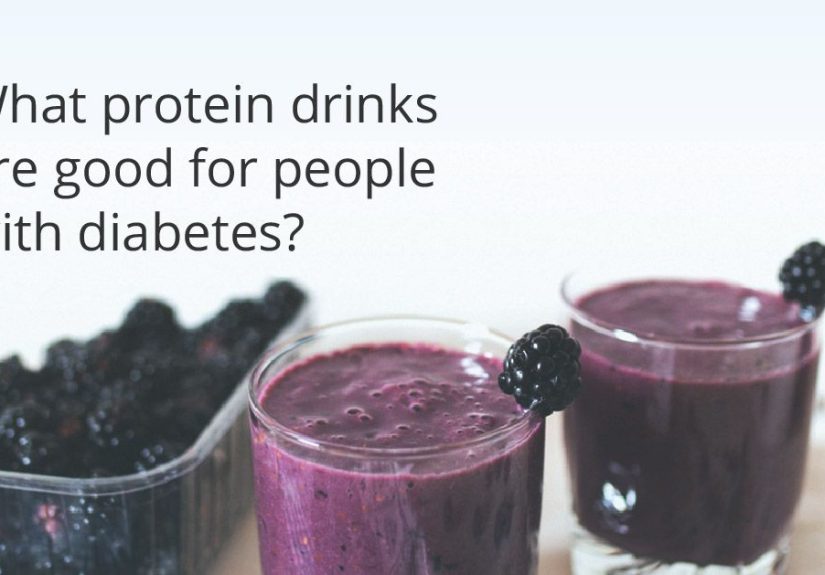
1) Berry-Spinach Greek Yogurt Smoothie (Classic for a Reason)
Flavor: bright, creamy, “I’m being healthy and it tastes like it.”
- 1 cup unsweetened almond milk (or water)
- 3/4 cup plain Greek yogurt (or skyr)
- 1/2 cup frozen mixed berries
- 1 cup spinach
- 1 tbsp chia seeds or ground flax
- Optional: 1/4–1/2 small banana for sweetness
- Ice + cinnamon/vanilla extract to taste
Blend tip: Blend liquid + spinach first, then add everything else. Your blender will thank you.
Why it’s diabetes-friendly: Berries bring flavor with less sugar than many fruits, spinach adds volume with minimal carbs,
and Greek yogurt boosts protein to make this feel like a real mealnot fruit soup.
2) Peanut Butter Cinnamon Oat Protein Shake (Tastes Like Breakfast)
Flavor: cozy, cinnamon-y, “I swear I’m not drinking dessert.”
- 1 cup unsweetened milk of choice
- 1 scoop unsweetened protein powder (or 3/4 cup Greek yogurt)
- 2 tbsp peanut butter (or almond butter)
- 1/4 cup rolled oats
- 1/2 tsp cinnamon + pinch of salt
- Ice
- Optional: 1/4 cup frozen cauliflower rice for thickness (no, you won’t taste it)
Why it’s diabetes-friendly: Oats add soluble fiber; nut butter adds fat and a little extra proteinboth help slow digestion.
Keep the oats at a modest portion, and this becomes a steady-energy smoothie instead of a carb-heavy surprise.
3) Mocha Almond-Chia Protein Shake (Coffee People, Assemble)
Flavor: cold brew meets chocolate puddingwithout the sugar rush.
- 3/4 cup cold brew coffee (or strongly brewed coffee, chilled)
- 3/4 cup unsweetened almond milk
- 1 scoop unsweetened protein powder
- 1 tbsp chia seeds
- 1 tbsp unsweetened cocoa powder
- Ice
- Optional: a few drops vanilla + a calorie-free sweetener if you use one
Why it’s diabetes-friendly: You’re getting flavor from cocoa and coffeenot from added sugar.
Chia thickens the shake and adds fiber, which helps blunt rapid absorption.
4) Strawberry “Cheesecake” Cottage Cheese Smoothie
Flavor: creamy, tangy, surprisingly legit.
- 1 cup unsweetened milk of choice
- 3/4 cup low-fat cottage cheese (or Greek yogurt)
- 1/2 cup frozen strawberries
- 1 tbsp ground flax or chia
- 1/2 tsp vanilla extract
- Optional: lemon zest (tiny amount) for “cheesecake vibes”
- Ice
Why it’s diabetes-friendly: Cottage cheese is an easy way to raise protein without adding sweetness.
Strawberries bring brightness, and the fiber add-ins slow the overall rise.
5) Avocado-Lime “Tropical, But Make It Balanced” Smoothie
Flavor: creamy, citrusy, vacation-adjacent.
- 1 cup unsweetened soy milk (or dairy milk)
- 1/2 avocado
- 1/2 cup spinach (or cucumber)
- 1/3 cup frozen pineapple (small portion on purpose)
- 1 scoop protein powder (or 3/4 cup Greek yogurt)
- Juice of 1/2 lime + ice
Why it’s diabetes-friendly: Avocado adds creaminess plus fat and fiber, which slows digestion.
You still get tropical flavor, just without dumping half a pineapple into the blender.
6) Pumpkin Pie Protein Smoothie (No, It’s Not Just for Fall)
Flavor: pumpkin spice, but with actual nutrition.
- 1 cup unsweetened milk of choice
- 1/2 cup canned pumpkin (plain, not pie filling)
- 3/4 cup plain Greek yogurt
- 1 tbsp chia or ground flax
- 1/2 tsp pumpkin pie spice (or cinnamon + ginger)
- Optional: 1/2 scoop protein powder if you want it higher-protein
- Ice
Why it’s diabetes-friendly: Pumpkin adds thickness and fiber with relatively modest sugar.
The protein from yogurt (and optional powder) makes this a true meal replacement.
7) Chocolate-Cherry Silken Tofu Smoothie (Plant-Based and Creamy)
Flavor: chocolatey with a tart cherry finish.
- 1 cup unsweetened soy milk (or almond milk)
- 1/2 block silken tofu
- 1/2 cup frozen tart cherries (or mixed berries)
- 1 tbsp cocoa powder
- 1 tbsp ground flax or chia
- Ice
- Optional: cinnamon or vanilla
Why it’s diabetes-friendly: Tofu provides protein and creaminess without added sugar.
Keep fruit to about one serving, add fiber, and you’ve got a balanced smoothie that doesn’t rely on sweetness to taste good.
8) Savory Cucumber-Mint Protein Smoothie (Trust the Process)
Flavor: refreshing, lightly tangy, “spa water grew up and got protein.”
- 1 cup water (or unsweetened kefir for extra tang)
- 1/2 cup plain Greek yogurt
- 1 cup chopped cucumber
- Handful of mint (or basil)
- 1 scoop unflavored or lightly flavored protein powder (optional)
- 1 tbsp lemon or lime juice
- Pinch of salt + optional ginger
- Ice
Why it’s diabetes-friendly: Minimal fruit means minimal sugar, yet it still feels satisfying because protein is doing the heavy lifting.
This one can be a great option if you notice that even “healthy” fruit smoothies spike you.
Store-Bought Protein Shakes: How to Pick One Without Getting Played by the Label
Pre-made shakes can be convenientespecially for travel, busy mornings, or the days when cooking feels like a personal attack.
If you buy them, use this quick checklist:
- Check “Added Sugars” first. Lower is usually better for glucose management.
- Aim for meaningful protein. Many people find ~20–30g protein per serving more satisfying than 10g.
- Fiber is a bonus. A few grams can help slow digestion.
- Watch the serving size. Some bottles are sneaky and contain two servings.
- Consider taste vs. sweetness. If it tastes like melted candy, it probably behaves like it.
Safety Notes and “Ask Your Clinician” Moments
-
If you have chronic kidney disease (CKD): Your ideal protein intake may be lower (or different) than someone without CKD.
Don’t assume “high-protein” automatically equals “healthy for me.” A renal dietitian is worth their weight in gold. -
If you take insulin or meds that can cause lows: A very low-carb, high-protein smoothie might require different timing or dosing than a higher-carb smoothie.
Track your response and adjust with your care team. - If you have gastroparesis or sensitive digestion: High-fiber add-ins (chia, flax, psyllium) may need to be introduced slowlyor avoided.
of Real-World Experience: What People With Diabetes Often Notice With Protein Smoothies
In the real world, smoothies tend to fall into two categories: the ones that make people feel energized and steady… and the ones that leave them wondering why their glucose monitor is yelling.
A common pattern many people report is that fruit-only smoothieseven when they’re made with “healthy” ingredientscan behave more like a sugary drink than a balanced meal.
It’s not because fruit is “bad.” It’s because blending makes it easier to consume a larger portion quickly, and liquid carbs are simply absorbed faster than whole foods you chew.
The “aha” moment often comes when someone adds a real protein anchorlike Greek yogurt, tofu, cottage cheese, or a truly unsweetened protein powderand suddenly the smoothie stops acting like a glucose roller coaster.
People who use a CGM frequently mention that the difference can be obvious: the curve becomes lower and wider instead of tall and sharp.
It’s not magic; it’s digestion. Protein and fat slow the pace, and fiber helps even moreespecially if it’s consistent day to day.
Another practical experience: prep beats motivation.
Many folks do best when they build “freezer smoothie packs” (berries + spinach + chia in a bag), then add liquid and protein in the morning.
It reduces decision fatigue and keeps portions consistent.
Consistency matters because diabetes management is basically applied mathbut with feelings.
If you’re always changing ingredients and portion sizes, it’s harder to predict blood sugar response and medication needs.
People also talk about the “sweetness reset.”
When someone switches from sweetened yogurt and juice to unsweetened bases, the first few smoothies can taste… underwhelming.
But after a week or two, taste buds usually recalibrate, and fruit starts tasting sweeter on its own.
A lot of people find that spices (cinnamon, nutmeg), vanilla extract, cocoa powder, citrus zest, and even a pinch of salt do more for flavor than extra sweeteners ever did.
Finally, there’s a surprisingly emotional piece: smoothies can feel like a “safe” food when eating is stressful.
They’re measurable, repeatable, and easy to digest on busy days.
That’s a winuntil the smoothie becomes a meal replacement for every meal.
Many people find their best balance is using smoothies strategically: breakfast a few times a week, a post-workout option, or a reliable snackwhile still keeping plenty of whole, chewable foods in the rotation for fullness and nutrition.
Conclusion
Protein shakes and smoothies can absolutely fit into diabetes-friendly eatingwhen you build them like a balanced plate in a cup:
choose an unsweetened base, keep fruit portions sensible, add a solid protein source, and don’t be shy with fiber and non-starchy veggies.
Pick one of the eight recipes above, try it for a few days, and pay attention to your body (and your glucose data).
The best smoothie is the one that tastes good, fits your routine, and keeps your blood sugar as calm as your morning coffee says you are.