Table of Contents >> Show >> Hide
- Why This Greek Yogurt Bagel Recipe Works
- Best Greek Yogurt Bagel Recipe
- What Makes This the Best Greek Yogurt Bagel Recipe?
- Tips for Perfect Greek Yogurt Bagels
- Flavor Variations
- Best Ways to Serve Greek Yogurt Bagels
- Common Mistakes to Avoid
- Storage and Reheating
- Frequently Asked Questions
- Real-Life Experiences with the Best Greek Yogurt Bagel Recipe
- Final Thoughts
- SEO Tags
If your breakfast goals include “something warm, chewy, satisfying, and not wildly annoying to make before coffee,” this is your moment. The best Greek yogurt bagel recipe delivers homemade bagels without yeast, without a long rise, and without the full deli-bagel production schedule. In other words, it is bagel gratification for normal humans.
These bagels are not trying to cosplay as a legendary New York shop bagel that took two days, a boiling bath, and a baker named Sal. They are their own excellent thing: soft inside, golden outside, pleasantly chewy, easy to customize, and shockingly doable on a weekday. The secret is simple but smart. Greek yogurt adds moisture, tang, and structure, while flour and baking powder create a quick dough that bakes up beautifully.
After comparing the most reliable approaches from major U.S. recipe publishers and baking experts, one thing becomes clear: the best version uses thick plain Greek yogurt, a dough that is just tacky rather than wet, and enough seasoning on top to make your kitchen smell like a bagel shop had a very productive morning. Let’s make the kind of breakfast that makes toast feel underdressed.
Why This Greek Yogurt Bagel Recipe Works
This recipe hits the sweet spot between convenience and texture. Some versions use only self-rising flour and yogurt, which absolutely works. But the most dependable homemade result for everyday bakers comes from using all-purpose flour plus baking powder and salt. That gives you more control over flavor and consistency, especially if your yogurt brand runs thicker or tangier than average.
- No yeast: No proofing, no waiting around wondering whether your dough is alive.
- Easy pantry ingredients: Flour, baking powder, salt, Greek yogurt, egg wash, and toppings.
- Fast enough for real life: You can have fresh bagels in about 30 minutes.
- Customizable: Go everything bagel, sesame, poppy seed, cinnamon sugar, or plain.
- Great texture: Tender crumb, lightly chewy bite, golden top, and a sturdy enough structure for sandwiches.
The biggest advantage of this Greek yogurt bagel recipe is that it feels forgiving. Even if your shaping looks a little rustic, they still bake up delicious. Frankly, “handmade” is just a classy way of saying “slightly uneven but full of personality.”
Best Greek Yogurt Bagel Recipe
Ingredients
- 1 cup all-purpose flour
- 2 teaspoons baking powder
- 3/4 teaspoon kosher salt
- 1 cup plain Greek yogurt, preferably whole-milk or 2%, and very thick
- 1 egg, beaten, for brushing
- 1 to 2 tablespoons everything bagel seasoning, sesame seeds, poppy seeds, or another topping you like
Optional shortcut: If you want the classic two-ingredient style, replace the flour, baking powder, and salt with 1 cup self-rising flour. Keep the Greek yogurt, egg wash, and toppings the same.
Instructions
- Preheat the oven. Heat your oven to 375°F. Line a baking sheet with parchment paper. A light mist of oil on the parchment helps prevent sticking.
- Mix the dry ingredients. In a medium bowl, whisk together the flour, baking powder, and salt.
- Add the yogurt. Stir in the Greek yogurt with a fork or spatula until the mixture looks shaggy and crumbly. This is normal. It is dough, not a cry for help.
- Knead briefly. Turn the dough onto a lightly floured surface and knead for 2 to 4 minutes, until it becomes mostly smooth and slightly tacky but not wet. If the dough is sticky, dust with a little extra flour. If it feels dry and crumbly, add a small spoonful of yogurt.
- Shape the bagels. Divide the dough into 4 equal pieces. Roll each piece into a rope about 7 to 9 inches long, then pinch the ends together to form a ring. You can also shape each piece into a ball and poke a hole through the middle, then stretch gently.
- Brush and top. Arrange the bagels on the prepared baking sheet. Brush the tops with beaten egg, then sprinkle generously with your topping of choice.
- Bake. Bake for 22 to 26 minutes, or until puffed and golden. For extra color, you can broil them for 1 to 2 minutes at the end, watching closely.
- Cool slightly. Let the bagels rest for at least 10 to 15 minutes before slicing. Fresh-from-the-oven bagels smell amazing, but slicing too early can make the interior gummy.
What Makes This the Best Greek Yogurt Bagel Recipe?
The word “best” gets thrown around the internet like confetti at a parade, so let’s define it properly. The best Greek yogurt bagel recipe is the one that consistently turns out well in a home kitchen, uses accessible ingredients, and produces a bagel you actually want to eat again. This version does all three.
It wins because it balances convenience with texture. The dough is easy to mix by hand. The shaping is beginner-friendly. The egg wash gives the top a more polished finish. And the flavor is pleasantly tangy without drifting into “Why does my bread taste like yogurt?” territory.
It also avoids one of the biggest traps in quick bagel recipes: excess moisture. Regular yogurt is too loose for this job. Thick Greek yogurt is the hero here. It gives you a sturdy dough, better chew, and a crumb that feels bagel-adjacent instead of biscuit-adjacent.
Tips for Perfect Greek Yogurt Bagels
1. Use Thick Greek Yogurt
This is the number-one rule. If your yogurt is runny, your dough will be sticky and frustrating. Choose plain Greek yogurt with a dense, strained texture. Whole-milk and 2% versions often feel richer and easier to work with, though nonfat can work if it is very thick.
2. Do Not Overwork the Dough
Knead just until the dough comes together and looks smooth enough to shape. Overmixing can make the dough sticky again and lead to tougher bagels. This dough likes a firm hand, not a dramatic one.
3. Flour the Surface, Not the Dough Into Oblivion
A light dusting helps. Dumping in too much extra flour creates dry, dense bagels. The dough should feel slightly tacky, like it still remembers being yogurt five minutes ago.
4. Make the Center Hole Bigger Than You Think
Bagels puff as they bake, so the hole shrinks. If you want a real bagel shape instead of a puffy dinner roll with ambitions, stretch the center a little more than feels necessary.
5. Season Generously
Everything bagel seasoning is a natural favorite, but sesame seeds, poppy seeds, flaky salt, dried onion, dried garlic, or cinnamon sugar all work well. This dough is mild, which means toppings matter.
Flavor Variations
Everything Bagel
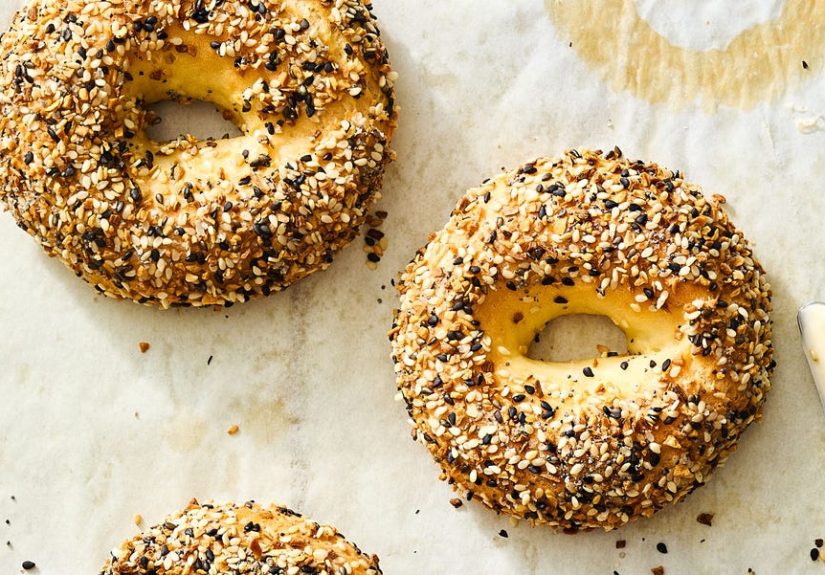
Brush with egg wash and coat with everything bagel seasoning. This is the classic move and, honestly, the easiest way to make your kitchen smell like competence.
Sesame or Poppy Seed
Simple, clean, and excellent with cream cheese or smoked salmon.
Cinnamon Raisin
Mix a tablespoon of sugar, a teaspoon of cinnamon, and a handful of raisins into the dough. Top with cinnamon sugar before baking.
Cheddar Jalapeño
Fold a little shredded sharp cheddar and finely diced jalapeño into the dough. This one tastes like breakfast had a rebellious phase.
Plain
Do not underestimate the plain bagel. It is the little black dress of breakfast carbs.
Best Ways to Serve Greek Yogurt Bagels
These bagels are extremely versatile, which is code for “you can justify making them all the time.” Try them in any of these ways:
- Toasted with cream cheese and jam
- With smoked salmon, cucumber, red onion, and dill
- As an egg-and-cheese breakfast sandwich
- With peanut butter and banana slices
- Spread with labneh or whipped Greek yogurt and topped with herbs
- With turkey, tomato, and arugula for lunch
- With avocado, lemon, and chili flakes
If you want a slightly lighter spread, thick Greek yogurt or labneh can stand in for part of the cream cheese situation. That adds extra tang and keeps the whole thing feeling bright rather than heavy.
Common Mistakes to Avoid
Using Regular Yogurt
Too loose. Too wet. Too chaotic. Stick with thick Greek yogurt.
Skipping the Egg Wash
Can you skip it? Yes. Should you? Not if you want a prettier, more golden finish and toppings that actually stay put.
Underseasoning
The dough itself is mild, so toppings and spreads do a lot of the flavor work. Be bold.
Slicing Too Soon
Freshly baked bagels need a little time to set. Let them cool before cutting or the texture may seem gummy inside.
Expecting a Deli Clone
A Greek yogurt bagel is not a perfect replacement for a traditional boiled bagel. It is faster, softer, and easier. Judge it on its own strengths and you will be much happier.
Storage and Reheating
Store cooled bagels in an airtight container at room temperature for up to 2 days, or refrigerate for up to 5 days. For the best texture, slice them before freezing so you can toast them straight from the freezer. They freeze well for up to 2 months.
To reheat, toast as usual. If they have firmed up a bit, a quick warm-up in the toaster oven brings them back nicely. Avoid microwaving unless you enjoy the fleeting magic of bread turning soft and then weird.
Frequently Asked Questions
Can I make Greek yogurt bagels with self-rising flour?
Yes. That is one of the most common versions. It is fast, simple, and works well. If you do not have self-rising flour, the all-purpose flour, baking powder, and salt version in this recipe gives you more control.
Can I use nonfat Greek yogurt?
Yes, as long as it is thick. Whole-milk or 2% yogurt often gives a richer texture, but nonfat can still work if it is strained and sturdy.
Do I need to boil these bagels?
No. Traditional bagels are boiled, but Greek yogurt bagels are a shortcut style. That is what makes them fast and beginner-friendly.
Why is my dough too sticky?
Your yogurt may be too loose, or your flour may need a slight adjustment. Add a small amount of flour to the surface and knead gently until the dough is workable.
Can I make them in the air fryer?
Yes, many home cooks do. But oven baking is the easiest place to start because it gives you more even browning and enough room for the bagels to puff without crowding.
Real-Life Experiences with the Best Greek Yogurt Bagel Recipe
The first time I made Greek yogurt bagels, I approached the bowl with deep suspicion. Two ingredients? No yeast? No boiling? It felt like one of those internet promises that ends with a smoke alarm and a backup breakfast. But then the dough came together, a little shaggy at first, then surprisingly cooperative after a short knead. That was the first clue that this recipe had real staying power.
The next surprise was emotional. There is something weirdly satisfying about shaping dough into bagels. You roll each piece into a rope, connect the ends, and suddenly you feel like the sort of person who owns linen aprons and remembers to water herbs. Even if your first batch comes out slightly lopsided, it still feels charming. Rustic is a gift. Rustic says, “I made this,” instead of “A factory did its best.”
One batch taught me the importance of yogurt texture the hard way. I used a thinner yogurt once and got a sticky dough that clung to my fingers like it had abandonment issues. The bagels still tasted good, but shaping them was less “cozy baking session” and more “wrestling a dairy-based life form.” After that, I switched back to thick Greek yogurt and never looked back. That one small change made the recipe feel almost foolproof.
I have also learned that topping strategy matters. The first time I used everything bagel seasoning, I was far too polite about it. The result was fine, but not bagel-shop fine. The second time, I went in with confidence and a heavy hand. Much better. Sesame seeds gave me a more classic bagel flavor, while cinnamon sugar turned the same dough into something that felt halfway between breakfast and a reward for surviving Tuesday.
Another memorable experience came from serving these to people without telling them the ingredient trick first. That is always fun. They bite in, nod approvingly, maybe toast a second half, and then ask what bakery they are from. When you say they are homemade and built around Greek yogurt, the reaction is usually a mix of curiosity and mild betrayal. A bagel made with yogurt sounds suspicious until it is sitting on a plate next to cream cheese, smoked salmon, sliced tomato, and red onion. Then suddenly nobody has any objections.
These bagels also fit beautifully into real routines. They are the kind of thing you can make on a Sunday and feel smug about all week. Slice and freeze them, toast one on a rushed morning, and breakfast instantly improves. They have become one of those recipes that quietly earns a permanent place in the rotation because they solve a genuine problem: wanting homemade bread without turning your day into a bread project.
Most of all, the experience of making Greek yogurt bagels is a reminder that “easy” and “good” are not enemies. Sometimes the best recipe is not the one with the most traditional technique. It is the one that gets made again. The one that works when you are hungry, half-awake, and out of patience for complicated instructions. The one that makes your kitchen smell fantastic and your breakfast feel a little more intentional. That is why this recipe sticks. It delivers comfort, usefulness, and just enough chew to keep things interesting.
Final Thoughts
If you want a reliable homemade bagel without a long ingredient list or bakery-level commitment, this is the best Greek yogurt bagel recipe to keep in your back pocket. It is fast, flexible, beginner-friendly, and genuinely delicious. Thick Greek yogurt does the heavy lifting, the dough comes together quickly, and the toppings let you swing classic, savory, or sweet depending on your mood.
Will it replace the iconic boiled bagel from your favorite deli? Probably not. Will it make a fantastic breakfast, meal-prep staple, or last-minute brunch hero? Absolutely. And unlike some ambitious baking projects, this one will not take over your entire weekend or your entire personality.