Table of Contents >> Show >> Hide
- What is a smashed finger, exactly?
- Common smashed finger symptoms
- First aid for a smashed finger
- When should you seek medical help?
- How doctors diagnose a smashed finger
- Smashed finger treatment options
- How long does a smashed finger take to heal?
- What recovery usually involves
- Can a smashed fingernail fall off?
- What people often experience during recovery
- Common real-life recovery experiences after a smashed finger
- Conclusion
A smashed finger is one of those injuries that can make a grown adult question every life choice that led to “door met hand” or “hammer met thumbnail.” One second you are living normally. The next, you are clutching your hand, seeing stars, and wondering whether your nail is planning an early retirement. The good news is that many smashed finger injuries heal well with prompt care. The less fun news is that some crush injuries involve the nail bed, fingertip bone, tendons, or nerves and should not be brushed off as “just a bruise.”
If you are dealing with a smashed finger, the smartest move is to understand what kind of injury you may have, what first aid actually helps, what treatment a clinician may recommend, and which warning signs mean it is time to stop guessing and get medical help. This guide walks through smashed finger treatment, recovery, when to seek urgent care, and what the healing process often feels like in real life.
What is a smashed finger, exactly?
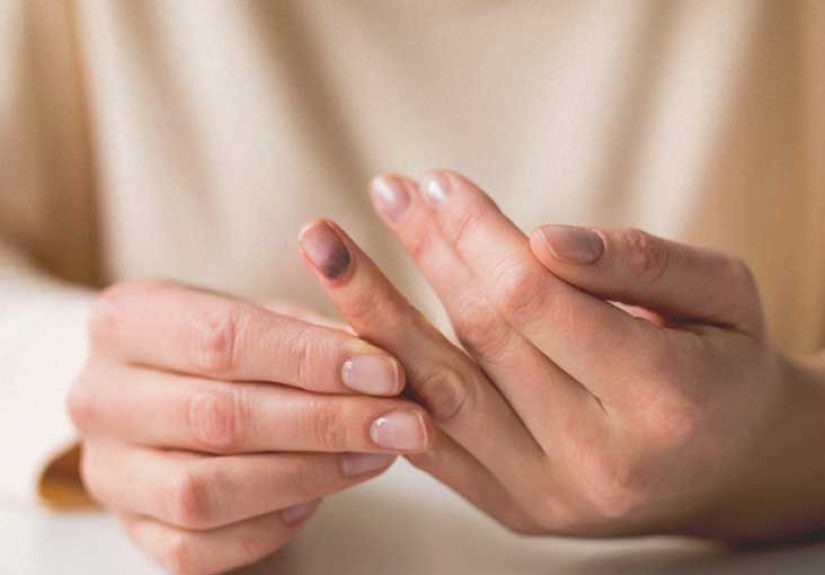
A smashed finger is a crush injury involving trauma to one or more fingers. It often happens when a finger gets caught in a door, hit with a hammer, pinched in a drawer, jammed during sports, or struck by a falling object. The damage can be surprisingly broad. In mild cases, the injury is mostly soft-tissue bruising. In more serious cases, a smashed finger may include a subungual hematoma (blood trapped under the nail), a nail-bed injury, a fingertip fracture, or even damage to tendons, nerves, or the skin around the fingertip.
That is why two smashed fingers can look similar at first but behave very differently over the next few hours. One might be sore and swollen for a few days. Another might become intensely throbbing, black under the nail, difficult to move, or visibly misshapen. Same injury category, very different sequel.
Common smashed finger symptoms
Most people notice symptoms right away. Typical signs of a smashed finger include:
- Pain, tenderness, or throbbing
- Swelling of the fingertip or entire finger
- Bruising or discoloration
- Black, blue, or purple discoloration under the nail
- Nail sensitivity or pressure under the nail
- Difficulty bending or straightening the finger
- Bleeding, cuts, or torn skin
- Nail lifting, cracking, or falling off
- Numbness, tingling, or reduced feeling
- A bent, shortened, or deformed finger
One especially common issue is a subungual hematoma, which is pooled blood trapped beneath the nail after a crush injury. This often causes severe throbbing pain because the pressure has nowhere to go. If the nail is split, partly detached, or sitting crooked on the nail bed, the injury may be more than a simple bruise.
First aid for a smashed finger
When the injury first happens, the goal is to reduce swelling, protect the finger, and avoid making the damage worse. Think of it as calm, boring, practical care. This is not the moment for internet cowboy medicine.
1. Remove rings immediately
If the injured hand has rings on it, take them off right away before swelling gets worse. A ring that seemed harmless five minutes ago can become a tiny metal prison by bedtime.
2. Apply ice the right way
Use a cold pack or ice wrapped in a clean cloth for about 15 to 20 minutes at a time. Never place ice directly on the skin. Repeat several times during the first day as needed.
3. Elevate the hand
Keep your hand raised above heart level when possible. Elevation can help reduce swelling and may ease the throbbing.
4. Clean any cut or scrape
If the skin is broken, gently wash the area with mild soap and water. Apply light pressure with a clean cloth or sterile gauze if it is bleeding.
5. Use over-the-counter pain relief carefully
Acetaminophen can help with pain. Ibuprofen or naproxen may help with pain and swelling for many adults. Follow label directions and avoid medicines that are not safe for your age or medical history.
6. Do not drill, poke, or “DIY drain” the nail
This deserves bold, flashing mental lights. Do not try to burn a hole in your nail, puncture it with a needle, or improvise a “home trephination” session. Clinicians sometimes drain a painful nail bruise, but doing it yourself raises the risk of infection, deeper injury, and delayed healing.
7. Do not force the finger straight
If the finger looks bent, will not move normally, or seems unstable, do not aggressively pull, twist, or straighten it. A fracture, tendon injury, or dislocation may be involved.
When should you seek medical help?
A mild smashed fingertip may improve with home care. But several signs mean you should seek urgent care, an emergency department, or prompt medical evaluation.
Get medical help right away if:
- The finger is bent, deformed, or you cannot straighten it
- You cannot move the fingertip normally
- You have numbness, loss of feeling, or poor color at the tip
- There is heavy bleeding or a deep cut
- Bone is exposed or the injury is an open wound
- The nail is torn off, split badly, or not sitting properly on the nail bed
- Blood under the nail is causing severe throbbing pain
- The injury involves a joint, the palm side structures, or possible tendon damage
- You suspect a fracture
- The fingertip is partially amputated
You should also contact a healthcare professional if redness, swelling, drainage, fever, or worsening pain develops after the injury. Those can point to infection. And if you have not had a tetanus shot in the recommended timeframe and the skin is broken, bring that up too.
How doctors diagnose a smashed finger
A clinician will usually ask how the injury happened, examine the nail and fingertip, and test movement, alignment, and sensation. If the mechanism was a crush injury or the finger is very painful, swollen, or deformed, an X-ray may be ordered to check for a fingertip fracture or another broken bone.
The exam may focus on several questions:
- Is there blood under the nail?
- Is the nail bed torn?
- Is the fingertip bone fractured?
- Are nearby tendons, nerves, or ligaments injured?
- Is there exposed bone or missing tissue?
That is important because treatment depends on the actual structure that was hurt. A small bruise, a painful subungual hematoma, and an open fracture are not treated the same way.
Smashed finger treatment options
Smashed finger treatment depends on the severity of the crush injury. Here is what care may involve.
Home treatment for a mild smashed finger
If the fingertip is bruised and sore but you can move it, the nail is intact, and there is no deformity or deep wound, treatment may be conservative:
- Ice and elevation
- Pain relief as directed
- A clean bandage for small skin injuries
- Activity modification for a few days
- Watching closely for worsening pain or loss of function
Treatment for blood under the nail
If a subungual hematoma is causing severe throbbing, a clinician may perform nail trephination. This is a quick procedure that creates a small hole in the nail plate so trapped blood can drain. It can relieve pressure fast, which is why people often go from “I cannot think” to “Oh wow, I can breathe again” in a short time.
If the hematoma is large, the nail is split, or there is a suspected nail-bed injury or fracture, the provider may recommend more extensive treatment instead of simple drainage.
Treatment for nail-bed injuries
If the nail bed is cut or crushed, part or all of the nail may need to be removed so the underlying tissue can be repaired with stitches or a special adhesive. This is important because untreated nail-bed injuries can lead to a permanently misshapen nail.
Treatment for a broken fingertip or finger fracture
Some fractures are treated with a protective dressing, splint, or immobilization. More serious fractures may need reduction, pinning, wires, or surgery if the bone pieces are misaligned or the injury is open. The right treatment depends on the location of the break, whether the nail bed is involved, and whether the joint or tendon structures are affected.
Treatment for open or severe crush injuries
Open wounds may need cleaning, debridement, dressings, antibiotics, and tetanus protection. Injuries with exposed bone, missing tissue, or partial fingertip amputation may require hand-surgery evaluation. In some cases, skin grafting or flap reconstruction is used to restore coverage and function.
How long does a smashed finger take to heal?
Smashed finger recovery depends on what was injured.
- Mild bruising and soft-tissue injuries: often improve over days to a couple of weeks.
- Fingertip soft-tissue injuries: complete healing commonly takes about 2 to 4 weeks, though stiffness or sensitivity may last longer.
- Finger fractures: some heal in roughly 4 weeks, while others require longer immobilization and follow-up.
- Nail-bed healing: often occurs in about 7 to 10 days if the nail is lost.
- New fingernail growth: usually takes about 4 to 6 months, sometimes longer.
That last part surprises many people. The pain may calm down far earlier than the cosmetic recovery. A bruised or partly detached nail can look dramatic for weeks, and the discolored portion usually has to grow out gradually. In other words, your finger may feel better long before it looks Instagram-ready.
What recovery usually involves
Recovery is not only about waiting. It is also about protecting function.
Protect the fingertip
Use the dressing, splint, or protective covering exactly as instructed. Keep the area clean and dry when advised. Do not remove dressings or supports earlier than recommended.
Expect tenderness and sensitivity
Even after the fracture or bruise starts healing, the fingertip may stay extra sensitive for a while. Cold air, typing, buttoning clothes, and accidentally bumping the finger into a table can all feel far ruder than they have any right to.
Watch for stiffness
Once your clinician says movement is safe, gentle range-of-motion exercises may help prevent stiffness. Fingers like to become dramatic when ignored too long.
Monitor for infection
Call your clinician if redness spreads, swelling worsens, pus appears, fever develops, or pain increases instead of improving.
Can a smashed fingernail fall off?
Yes. A badly bruised or injured nail may loosen and fall off in the weeks after a crush injury. That can happen even with appropriate treatment. A new nail often grows in to replace it, but it may take months. Sometimes the new nail grows back with ridges, a crease, or a slightly altered shape. Severe nail-bed damage increases the chance of long-term nail changes.
What people often experience during recovery
One reason smashed finger injuries are frustrating is that they interrupt tiny daily tasks you normally never think about. Zipping a jacket, using a phone, washing your hair, turning a key, opening a soda can, typing a password, or reaching into a pocket can all suddenly feel like elite-level hand gymnastics.
It is also common for the pain pattern to change. The first day may be all about throbbing and swelling. Then the pain becomes more localized and tender to touch. A week later, the major issue might be stiffness, sensitivity, or the unsettling look of the nail. This changing pattern often worries people, but it can be a normal part of healing as long as symptoms are gradually improving and there are no signs of infection or worsening damage.
Common real-life recovery experiences after a smashed finger
Many people describe a smashed finger as a small injury that somehow takes over their whole day. The first few hours are often the worst. The finger throbs in waves, the nail may darken surprisingly fast, and every accidental bump feels like the universe is personally offended by you. Sleep can be annoying the first night because the finger seems to remember it has a heartbeat. Elevation and ice usually help, but the finger may still pulse dramatically like it is auditioning for a medical drama.
By day two or three, people often notice that the injury becomes less shocking and more inconvenient. The severe “wow, that really hurts” phase may calm down, but now there is swelling, stiffness, and a very tender fingertip that suddenly makes basic tasks weirdly complicated. Typing can feel clumsy. Buttoning jeans becomes a negotiation. Grabbing a coffee mug the wrong way can spark a reminder that healing is not the same thing as healed.
If blood is trapped under the nail, the experience can be especially memorable. A lot of people report intense pressure rather than just soreness. It is not always the largest bruise that hurts the most. Sometimes a nail that looks only moderately dark can feel like it is storing a tiny thunderstorm underneath it. When a clinician drains a painful subungual hematoma, patients often say the relief is immediate and a little magical. Not glamorous, but magical.
Another common experience is emotional confusion over the nail itself. At first, many people hope the nail will stay put. Then it starts lifting at one corner, catches on fabric, and becomes the world’s most annoying accessory. Watching a damaged nail slowly loosen is not exactly fun, but it does not always mean something has gone wrong. A nail can fall off after a crush injury and still be followed by healthy regrowth, although the new nail may take months to fully return.
People are also often surprised by how long sensitivity can last. Even after a fracture or nail-bed injury is healing, the fingertip may stay tender in cold weather or when pressed against hard surfaces. Some describe the fingertip as “extra awake,” almost like the nerves are overreporting every touch. That usually improves with time, but it can outlast the swelling and bruising.
In the later recovery phase, frustration tends to shift from pain to patience. The finger may work reasonably well, but it still does not look normal. The nail remains discolored. The skin can feel tight. The finger may not bend or straighten quite as smoothly as before. This is the stage where people often worry they have plateaued, when in reality slow improvement is still happening. Finger injuries can be stubbornly gradual. Progress often shows up in small victories: better grip, less throbbing, fewer accidental winces, and one day realizing you opened a jar or tied your shoe without thinking about the finger first.
Conclusion
A smashed finger can range from a painful nuisance to an injury that needs urgent medical care. The difference often comes down to what is happening beneath the surface. Mild bruising may respond well to ice, elevation, and rest. But severe throbbing under the nail, deformity, numbness, inability to move the fingertip, torn nail, exposed bone, or signs of infection deserve prompt evaluation.
The best rule of thumb is simple, even if your thumb was not the one that got smashed: if the pain is severe, the nail is badly injured, or the finger does not look or work normally, get it checked. Fast treatment can improve pain, protect nail growth, reduce infection risk, and help you regain full use of the finger. That is a much better ending than pretending it is fine while your fingertip writes a formal complaint.