Table of Contents >> Show >> Hide
- Why Persian Kebab Flavors Work So Well in a Burger
- Persian Kebab Spice, Explained (Without a Lecture)
- Recipe: Persian Kebab-Spiced Burgers
- Ingredients (makes 4 large or 6 medium burgers)
- Quick toppings that make it “Persian kebab”
- Step 1: Bloom saffron (optional, but worth it)
- Step 2: Grate and drain the onion (do not skip)
- Step 3: Mix the flavor base, then add meat gently
- Step 4: Form patties and season smart
- Step 5: Cook (grill or skillet) and use a thermometer
- Step 6: Build the burger like you mean it
- Herby Yogurt Sauce (Fast, Bright, and Basically Mandatory)
- Pro Tips for Juicy, Tender Burgers (Without Turning Them Into Meatloaf)
- Flavor Variations (Because You’re the Boss of Your Burger)
- What to Serve With Persian Kebab-Spiced Burgers
- Make-Ahead, Storage, and Leftovers
- FAQ
- Conclusion
- Kitchen Stories: of Persian Kebab-Burger Experiences
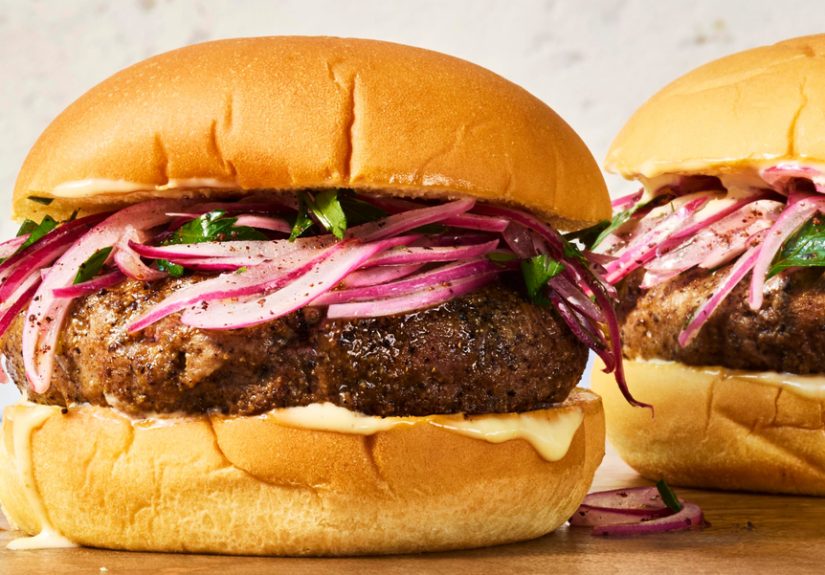
Picture this: the backyard burger you grew up with goes on vacation, falls in love with a Persian kebab, and comes back wearing sunglasses, smelling like saffron, and insisting everyone call it “chef.” That’s the vibe of these Persian kebab-spiced burgersjuicy patties inspired by koobideh-style flavors (hello grated onion, warm spices, and that tangy pop of sumac), stacked on a bun like it’s the most normal thing in the world.
The result is familiar-but-not-boring: a burger that tastes like it had a glow-up, learned a new language, and now texts you “u up?” at 10:43 p.m. with a photo of grilled tomatoes.
Why Persian Kebab Flavors Work So Well in a Burger
Persian ground-meat kebabs (often called koobideh) are famous for a reason: they’re intensely savory, deeply aromatic, and somehow still feel light enough to keep eating “just one more bite” until the plate is suspiciously empty. The classic flavor profile leans on grated onion (for moisture and tenderness), warm spices (like turmeric, cumin, and sometimes cardamom), and bright, tart accentsoften from sumac or grilled tomatoes.
A burger is basically the perfect vehicle for that idea. You get all the char and juiciness you want, plus the freedom to add toppings that make the kebab inspiration sing: sumac onions, herby yogurt sauce, and a quick tomato situation that tastes like summer even if it’s February and you’re wearing socks indoors.
Persian Kebab Spice, Explained (Without a Lecture)
The “core four” flavors
- Grated onion: Adds moisture and tenderness. Key move: squeeze out excess juice so your patties don’t turn into meat pudding.
- Turmeric: Warm, earthy, and goldenlike a cozy sweater, but edible.
- Sumac: Tart and lemony in a “dry acid” way. It brightens fatty meat without needing extra liquid.
- Saffron (optional but iconic): Floral, honeyed, and unmistakably Persian when used in small amounts.
The “supporting cast” (choose your favorites)
- Cumin + coriander: Warm, toasty backbone that feels right with beef or lamb.
- Black pepper: Adds bite and keeps things from tasting flat.
- Cardamom or cinnamon (tiny pinch): Not “dessert-y,” just quietly fragrant.
- Dried rose petals (optional): If you’ve ever wanted your burger to smell like a fancy garden party, this is your moment.
Recipe: Persian Kebab-Spiced Burgers
These are built for grilling, but they’re just as happy in a cast-iron skillet. The spice mix is bold but balanced, and the toppings do the heavy lifting to make them feel truly “kebab-inspired,” not just “burger with cumin.”
Ingredients (makes 4 large or 6 medium burgers)
- Meat: 1 1/2 pounds ground beef (80/20 is ideal) OR a 50/50 mix of beef and lamb
- 1 small yellow onion, grated on the large holes of a box grater
- 2 cloves garlic, finely grated or minced
- 1/3 cup chopped fresh parsley (or a mix of parsley + cilantro)
- 1 1/2 teaspoons kosher salt (see timing note below)
- 1 teaspoon ground cumin
- 1 teaspoon ground coriander
- 1 teaspoon ground sumac, plus more for serving
- 1 teaspoon turmeric
- 1/2 teaspoon black pepper
- Pinch of ground cardamom or cinnamon (optional, but excellent)
- Optional saffron: 1 small pinch saffron threads + 1 tablespoon hot water (to bloom)
- Neutral oil for the grill or pan
- Buns of choice (brioche is great; lavash or pita is even more “kebab-coded”)
Quick toppings that make it “Persian kebab”
- Sumac onions: 1 red onion, thinly sliced + 1 tablespoon sumac + 1/2 teaspoon salt + squeeze of lemon
- Herby yogurt sauce: Greek yogurt + grated cucumber + mint/dill + garlic + salt
- Tomatoes: grilled tomato slices or a quick chopped tomato-cucumber salad
- Fresh herbs (mint, basil, parsley), pickles, or peppery greens
Step 1: Bloom saffron (optional, but worth it)
If using saffron, crush the threads between your fingers (or with a mortar and pestle), then stir into 1 tablespoon hot water. Let it sit 5 minutes. This tiny step delivers maximum “wow.”
Step 2: Grate and drain the onion (do not skip)
Grate the onion into a bowl. Scoop it into a clean kitchen towel (or a few layers of paper towel) and squeeze like you’re trying to wring out bad decisions. You want the onion pulp, not the flood. Save the juice for marinades or salad dressingyour future self will thank you.
Step 3: Mix the flavor base, then add meat gently
In a large bowl, combine the drained onion pulp, garlic, herbs, cumin, coriander, sumac, turmeric, pepper, and optional cardamom/cinnamon. Stir in the bloomed saffron (if using).
Add the ground meat and mix with your hands just until the mixture looks evenly seasoned and begins to feel slightly tacky. Don’t knead it like breadoverworking ground meat can make burgers springy and dense (aka the “meatball trap”).
Step 4: Form patties and season smart
Form 4 large patties (about 6 ounces each) or 6 medium patties (about 4 ounces each). Make them a little wider than your buns. Press a shallow dimple in the center of each pattythis helps them cook flat instead of doming up like a tiny beef UFO.
Salt timing tip: If you’re ultra-sensitive about texture, you can hold back most of the salt and season the outside of the patties right before cooking. If you prefer convenience, mix it inthese are still delicious either way.
Step 5: Cook (grill or skillet) and use a thermometer
Grill method: Preheat to medium-high. Oil the grates. Cook patties 3–5 minutes per side, depending on thickness.
Skillet method: Heat a cast-iron skillet over medium-high. Add a thin film of oil. Sear patties 3–5 minutes per side.
For food safety, cook ground beef to 160°F internal temperature. Let the burgers rest 2–3 minutes before serving so juices redistribute and don’t immediately sprint out onto your plate.
Step 6: Build the burger like you mean it
- Toast buns (or warm lavash/pita) for better texture and less sog.
- Spread yogurt sauce on the bottom.
- Add burger, then sumac onions.
- Top with grilled tomatoes (or fresh chopped tomato-cucumber salad).
- Finish with extra herbs and a pinch of sumac. Optional: a dramatic pause before the first bite.
Herby Yogurt Sauce (Fast, Bright, and Basically Mandatory)
Ingredients
- 1 cup Greek yogurt
- 1/2 cup grated cucumber (squeeze out extra liquid)
- 1 small garlic clove, grated
- 2 tablespoons chopped mint and/or dill
- Salt to taste
- Optional: pinch of sumac, squeeze of lemon
Method
Stir everything together. Taste. Adjust salt and lemon. Try not to eat half of it standing at the counter.
Pro Tips for Juicy, Tender Burgers (Without Turning Them Into Meatloaf)
- Keep it cold: Cold fat = juicy burger. If your kitchen is warm, chill the patties 15–20 minutes before cooking.
- Don’t overmix: Mix just until combined. Overmixing can create a tight, bouncy texture.
- Handle less, flip with confidence: Use a thin metal spatula and avoid pressing down. Pressing is basically begging moisture to leave.
- Use the dimple trick: That center indentation helps the patty stay flat and bun-friendly.
- Don’t trust color alone: A burger can look brown and still not be safely cookedthermometer beats vibes every time.
Flavor Variations (Because You’re the Boss of Your Burger)
1) Koobideh-meets-smashburger
Make 2-ounce balls, season the outsides, and smash on a ripping-hot skillet. You’ll get an intense crust. Serve on a thinner bun with extra sumac onions and yogurt sauce.
2) Spicier, smokier version
Add 1/2 teaspoon smoked paprika and a pinch of Aleppo pepper or crushed red pepper. It’s not traditional, but it is extremely snackable.
3) Chicken or turkey kebab burgers
Use ground dark-meat turkey or chicken for juiciness. Increase herbs, add a tablespoon of olive oil, and cook to 165°F. The flavor profile still works beautifully.
4) “Advieh vibes” blend
If you have an advieh-style spice mix, swap in 1–2 teaspoons in place of the cumin/coriander/cardamom/cinnamon mix. Keep sumac in the lineup for brightness.
What to Serve With Persian Kebab-Spiced Burgers
- Shirazi-style salad: chopped cucumber + tomato + onion + herbs + lemon
- Grilled tomatoes: a classic kebab companion
- Crispy potatoes: fries, wedges, or smashed potatoes with sumac and salt
- Pickles and herbs: the crunchy, fresh contrast that makes rich meat feel lighter
- Rice option: If you skip buns, serve patties over saffron rice with yogurt sauce and tomatoes
Make-Ahead, Storage, and Leftovers
- Make-ahead: Form patties up to 24 hours ahead; keep covered in the fridge.
- Freeze: Freeze patties on a tray, then bag them. Cook from frozen over medium heat, a bit longer per side.
- Leftovers: Crumble cooked patties into scrambled eggs, wrap in lavash with herbs, or toss into a salad with yogurt dressing.
FAQ
Do I have to use saffron?
Nope. It’s a luxury, not a requirement. The burgers are still fantastic without it. If you want a similar “warm glow,” focus on turmeric + fresh herbs and go heavy on the toppings.
Why squeeze the onion?
Too much liquid can make patties loose and prone to falling apart. You want onion flavor and tenderness, not an onion smoothie destabilizing your dinner plans.
Can I cook these medium-rare?
For ground beef, the safest guidance is to cook to 160°F. If you choose otherwise, understand the risk and use the freshest, highest-quality meat you trust. A thermometer helps you cook intentionally, not accidentally.
Conclusion
Persian kebab-spiced burgers are what happens when comfort food gets a passport stamp. You keep the burger satisfaction juicy meat, charred edges, a bun that barely survives the experiencebut add kebab-style aromatics and that signature tang from sumac and tomatoes. Make them once, and you’ll start side-eyeing plain burgers like, “You’re nice, but you could be wearing saffron right now.”
Kitchen Stories: of Persian Kebab-Burger Experiences
The first time I made these, I thought I was being “casual.” You know, a low-key weeknight burger situation. Then I opened the spice cabinet, grabbed the turmeric, and suddenly I was acting like a movie montage chefblooming saffron in hot water like I owned a tiny bistro with questionable lighting and great playlists. It starts innocently. “I’ll just add a pinch.” Five minutes later you’re sniffing the cup like it’s fine perfume and whispering, “You’re coming with me.”
The real magic moment, though, is the onion. Grating it feels dramatic in the way only kitchen tasks can: you’re either a culinary genius or one slip away from adding your knuckles to the ingredient list. Then you squeeze the onion pulp in a towel and realize you’ve basically invented a new form of stress relief. It’s like wringing out the week. And when you mix that onion into the meat with herbs and spices, the whole bowl starts smelling like a kebab shop walked into your house and politely asked if it could stay awhile.
On the grill, these burgers announce themselves. Regular burgers smell goodthese smell like they have opinions. The turmeric and cumin get warm and toasty, and the edges pick up a little char that feels straight-up kebab-adjacent. The first time I served them to friends, nobody said “wow” right away. Not because they weren’t impressedbecause their mouths were busy. Then someone finally paused, pointed at the sumac onions, and asked, “What is this tangy sorcery?” That’s sumac’s whole personality: bright, tart, and just different enough to make your brain sit up in its chair.
I’ve also learned these burgers are social. They make people hover near the kitchen “just to help,” which is suspicious, but finehand them a bowl and tell them to slice onions thin and toss with sumac. It’s an easy task that looks fancy, and it makes the final burger feel intentional. Add yogurt sauce, grilled tomatoes, and herbs, and suddenly everyone’s building their own perfect bite: someone goes heavy on mint, someone else piles on onions, and there’s always one person who tries to eat the burger like a taco because they chose lavash and now they’re living their truth.
My favorite leftover move is crumbling a cold patty into warm flatbread with yogurt sauce and cucumbers. It’s the kind of lunch that makes you feel like you planned your life, even if you absolutely did not. And honestly, that’s the secret gift of a good recipe: it tastes like effort, but it cooks like you knew what you were doing all along.