Table of Contents >> Show >> Hide
- What Is a Heavy Weight Canvas Drop Cloth?
- Why Weight Matters More Than Most People Think
- Top Benefits of a Heavy Weight Canvas Drop Cloth
- Canvas vs. Plastic: Which One Wins?
- How to Choose the Right Heavy Weight Canvas Drop Cloth
- Best Uses for a Heavy Weight Canvas Drop Cloth
- Common Mistakes People Make
- How to Clean and Maintain a Canvas Drop Cloth
- Is a Heavy Weight Canvas Drop Cloth Worth It?
- Experiences With Heavy Weight Canvas Drop Cloths
- Final Thoughts
If you have ever painted a room and discovered that gravity is a loyal employee of chaos, you already understand the value of a good drop cloth. Not a flimsy, slippery, sneeze-and-it-moves sheet of plastic. A real one. A sturdy one. A heavy weight canvas drop cloth. The kind that lands on the floor with purpose, stays where you put it, and quietly saves your hardwood, tile, carpet, furniture, and dignity.
Heavyweight canvas drop cloths are a favorite in painting and remodeling for a simple reason: they work. The fabric is thick, absorbent, reusable, and much easier to manage than plastic in many indoor jobs. For homeowners, DIYers, and contractors alike, this makes canvas one of those rare tools that feels both practical and oddly satisfying. It is not glamorous, but neither is scrubbing dried paint off a baseboard while questioning your life choices.
This guide explains what a heavy weight canvas drop cloth is, why weight matters, when to choose it over plastic, how to shop smarter, and how people actually use these cloths in the real world. Spoiler: painting is only the beginning.
What Is a Heavy Weight Canvas Drop Cloth?
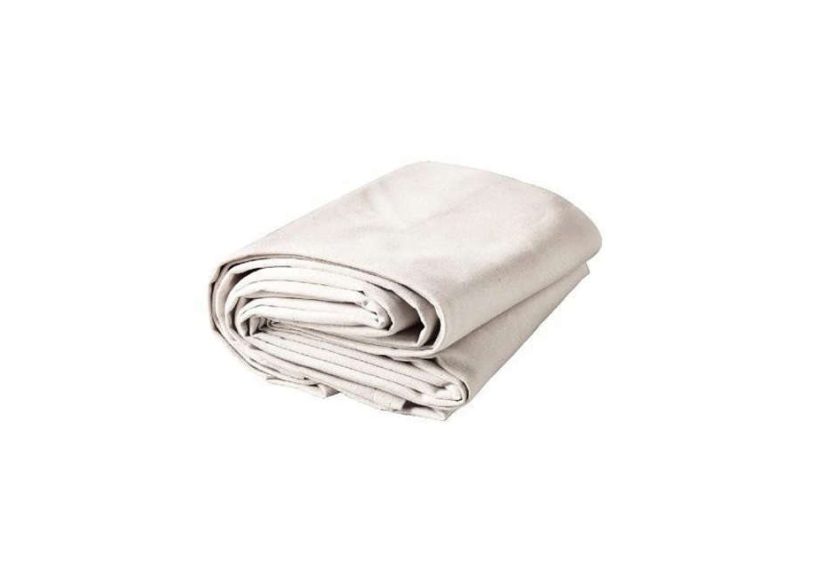
A heavy weight canvas drop cloth is a thick fabric cover designed to protect surfaces during painting, staining, cleaning, renovation, and messy DIY work. Most are made from cotton canvas and sold in different fabric weights, often measured in ounces. In general, the heavier the cloth, the more durable, absorbent, and stable it tends to be.
That “heavy weight” label matters because not all drop cloths are created equal. A lightweight option may be fine for dust or minor drips, but a heavier canvas cloth is better suited for real-world traffic, ladder movement, furniture legs, splatter, and repeated use. Think of it as the difference between a paper napkin and a bath towel. Both are technically cloth-adjacent. Only one inspires confidence.
Heavyweight versions often come with details that make them more jobsite-friendly, including double-stitched hems, full-panel construction, tighter weaves, and larger sizes for floors, hallways, furniture groupings, or outdoor work areas. Some are also built to reduce tracking, which means they help keep wet paint from traveling around the room on your shoes like an unwanted souvenir.
Why Weight Matters More Than Most People Think
When shoppers compare drop cloths, size gets the spotlight first. That makes sense, but fabric weight is just as important. The ounce rating usually gives you a rough sense of thickness and performance. Heavier fabric generally means more absorption, better durability, and less shifting underfoot.
Light to medium weight
Lower-weight canvas drop cloths can be useful for light painting, dust protection, or temporary coverage. They are easier to fold and carry, and they usually cost less. But they may not hold up as well on busy jobs, especially when ladders, shoes, or repeated movement are involved.
Heavy weight
A true heavy weight canvas drop cloth is built for more demanding work. It lies flatter, bunches less, and feels more secure when you walk across it. That matters indoors, where slippery footing is not just annoying but potentially dangerous. It also matters when you are working around expensive flooring or furniture and want something with enough body to stay put.
Extra-heavy options
Some products move into contractor-grade or extra-heavy territory, often around 10 oz or 12 oz. These are the workhorses. They are the ones people reach for when they are painting multiple rooms, protecting stairs, covering large furniture, or dealing with repeat renovation work. They cost more up front, but they often last longer and perform better over time.
Top Benefits of a Heavy Weight Canvas Drop Cloth
1. It absorbs drips instead of letting them skate around
One of the biggest advantages of canvas is absorbency. Small splatters and minor drips soak into the fabric instead of pooling on the surface. That makes cleanup easier and reduces the risk of stepping in wet paint and tracking it into another room like a very committed abstract artist.
2. It stays in place better than plastic
Plastic has its place, especially for dust control or covering vertical surfaces, but it can slide underfoot and often needs tape to stay where you want it. Heavyweight canvas usually grips the floor better and drapes well over objects, which means less slipping, less bunching, and less time fussing with edges.
3. It is reusable
A quality heavy weight canvas drop cloth can last through many projects if you take care of it. That makes it appealing for frequent DIYers and pros who want something more economical than disposable covers. Reusability also means less waste, which is good for your budget and a little kinder to the planet.
4. It protects more than just floors
These cloths are not only for flat surfaces. Because canvas drapes well, it can cover furniture, appliances, cabinets, countertops, outdoor items, and stacks of supplies. It is flexible enough for shaping around objects but sturdy enough to avoid feeling flimsy.
5. It pulls double duty for non-painting tasks
Heavyweight canvas drop cloths are also handy for wallpaper removal, debris collection, moving-day protection, gardening cleanup, garage projects, and sewing or home decor hacks. Once you own one, it has a suspicious tendency to become the household problem-solver no one expected.
Canvas vs. Plastic: Which One Wins?
The honest answer is that neither wins every single time. But for many indoor painting and remodeling jobs, heavyweight canvas is the smarter choice.
Choose canvas when:
You want absorbency, better footing, reusability, and a cloth that stays put with less taping. Canvas is especially useful on floors, stairs, carpets, and furnished rooms where movement matters.
Choose plastic when:
You need a waterproof barrier, you are covering walls or furniture from fine spray mist, or you want a disposable solution for a one-time messy project. Plastic is also useful for isolating dust or protecting items from moisture rather than absorbing it.
In some projects, the best answer is both. Many painters use plastic for vertical coverage and canvas on the floor. That combo handles splatter, overspray, drips, and foot traffic with fewer trade-offs.
How to Choose the Right Heavy Weight Canvas Drop Cloth
Match the weight to the mess
If you are doing a small accent wall or light touch-up, an 8 oz cloth may be enough. If you are painting several rooms, working around ladders, or protecting carpet and hardwood, 10 oz or 12 oz options are often worth the upgrade.
Pick the size that fits the room, not your optimism
Small runners are great for hallways, stair landings, and narrow work zones. Larger cloths are better for open rooms, furniture clusters, and broad floor coverage. It is usually smarter to use multiple correctly sized cloths than one giant sheet that folds, bunches, and becomes an obstacle course.
Look for good construction
Double-stitched hems, reinforced seams, and tightly woven canvas all help a drop cloth last longer. These features may sound boring, but this is exactly the kind of boring that saves money.
Think about floor type
On carpet, heavyweight canvas performs especially well because it stays put and handles ordinary drips nicely. On smooth floors, it still works well, but if you are worried about big spills or extra slip resistance, you may want a lined, coated, or specialty-backed option.
Do not forget storage
A 12 oz cloth is fantastic on the job. It is less fantastic when stuffed wet into a corner of the garage and forgotten until it evolves into a science project. Buy the size and number you can realistically clean, dry, fold, and store.
Best Uses for a Heavy Weight Canvas Drop Cloth
Painting walls and ceilings
This is the classic use. Heavy canvas protects floors from roller splatter, brush drips, and the inevitable moment when the tray wobbles and your soul briefly leaves your body.
Protecting furniture during renovation
Because canvas drapes nicely, it is ideal for covering sofas, tables, cabinets, and appliances while you sand, paint, patch drywall, or work on trim.
Wallpaper removal
Wallpaper jobs can create wet scraps, paste, and grime. A heavy canvas cloth catches the mess and keeps the cleanup zone more controlled.
Cleaning and maintenance
Use it under ladders, toolboxes, dusty shelves, or leaky cleaning jobs. It is also useful when deep-cleaning garages, utility rooms, or storage areas.
Outdoor projects
Many heavyweight canvas cloths can be used outdoors for patio painting, porch work, leaf and debris collection, or temporary surface protection. Just remember that standard canvas is not the same as a waterproof tarp, so do not expect it to behave like one in heavy rain.
DIY sewing and decor
Canvas drop cloths have become popular for rustic curtains, slipcovers, table runners, wall art backings, and other home projects. Their neutral look, wide widths, and sturdy feel make them useful raw material for people who enjoy turning practical supplies into decor with personality.
Common Mistakes People Make
Assuming heavier means spill-proof
Heavy canvas is absorbent, but that does not make it invincible. Normal drips and splatter are one thing. A full can of paint dumped and left sitting is another story. Large spills should be scooped or blotted quickly.
Using one cloth for everything
A giant drop cloth is not always the hero. In tight spaces, smaller runners are often safer and easier to manage. The goal is protection, not accidental interpretive dance around a pile of fabric.
Ignoring care instructions
Many cotton canvas drop cloths are washable, but not every version should be treated the same. Some specialty-backed or coated cloths need spot cleaning instead. Always check the product label before tossing it in the wash and hoping for the best.
Storing it damp
Canvas needs to dry fully before storage. Otherwise, you risk mildew, odor, and a future unpleasant surprise that smells like regret and wet basement memories.
How to Clean and Maintain a Canvas Drop Cloth
Start by shaking out dried debris, dust, and chips outdoors. For heavier messes, scrape off dried paint carefully and pre-treat stained areas if the manufacturer says washing is allowed. Many machine-washable cotton canvas cloths can be cleaned with mild detergent and then tumble-dried on low or air-dried. High heat is usually a bad idea because it can shrink fabric or wear it out faster.
If your cloth has a coated, slip-resistant, or specialty backing, spot cleaning may be the safer route. After cleaning, dry it thoroughly, fold it neatly, and store it in a dry place. That one little habit can significantly extend the life of the cloth and keep it ready for the next project.
Is a Heavy Weight Canvas Drop Cloth Worth It?
For occasional painters, a cheap disposable cover may seem tempting. But if you paint even semi-regularly, tackle DIY projects, or care about safer footing and better protection, a heavy weight canvas drop cloth is usually worth the cost. It is durable, multi-use, and dependable. And in the world of home improvement, “dependable” is a beautiful word.
It is also one of those rare tools that improves both performance and mood. The job feels more organized. The room feels more controlled. You spend less time taping, less time cleaning up, and less time muttering at the floor. That is not magic. It is just a better drop cloth.
Experiences With Heavy Weight Canvas Drop Cloths
The most telling reviews of heavy weight canvas drop cloths are not the polished product descriptions. They are the lived experiences that happen when a Saturday project gets real. Ask a homeowner repainting a living room with kids, pets, and exactly one cup of coffee left in the house, and you will hear the same thing again and again: heavyweight canvas feels calmer. That sounds dramatic for a fabric rectangle, but it is true.
One common experience is the relief of not fighting the material. Plastic tends to slide, wrinkle, and flap around like it has personal issues. Heavy canvas behaves better. People notice right away that it spreads flatter and stays put while they move ladders, rollers, trays, and furniture. That creates confidence, especially for beginners who already have enough to think about without skating across the room on a shiny tarp.
Another real-world benefit shows up on carpet. Many DIYers discover that canvas handles ordinary roller splatter beautifully. Instead of watching droplets bead up and travel like tiny paint marbles, they see the fabric absorb the mess and contain it. On hard floors, the experience is similar, though careful users still clean up major spills quickly. The cloth is strong, not supernatural.
People also tend to keep these cloths much longer than expected. A drop cloth bought for one bedroom often becomes the permanent helper for future jobs: painting trim, protecting a dining table during crafts, catching dust from shelf sanding, wrapping a bench during a move, or covering the floor during holiday decorating. It stops being “paint gear” and becomes “that useful cloth in the garage we somehow use for everything.” Every home has one object that accidentally earns honorary family-member status. This is a strong candidate.
Then there is the DIY decor crowd, which looked at canvas drop cloths and said, “You know what this needs? Curtain rods.” People have turned heavy canvas into rustic drapes, bench covers, table textiles, photography backdrops, and oversized art surfaces. The fabric’s neutral color, sturdy weave, and affordable size make it inviting for creative projects. It is practical enough for mess, but plain enough to reinvent.
There are also honest lessons in these experiences. Some users buy a heavy cloth expecting it to be fully waterproof and then learn the difference between absorbent and leak-proof. Others choose one huge size and regret wrestling it through a narrow hallway. The happiest users usually match the cloth to the job, keep a couple of sizes on hand, and clean them properly after use.
In everyday life, that is the real story of a heavy weight canvas drop cloth. It is not flashy. It will never be the star of your toolbox selfie. But it earns trust fast. It makes messy work feel more manageable, helps protect the surfaces you paid good money for, and sticks around long enough to prove its value again and again. Not bad for a humble slab of cotton doing its best behind the scenes.
Final Thoughts
A heavy weight canvas drop cloth is one of the smartest low-drama purchases for painting, remodeling, and messy home projects. It absorbs drips, improves footing, protects valuable surfaces, and keeps working long after cheaper options have been thrown away. Whether you are painting a bedroom, stripping wallpaper, shielding furniture during repairs, or turning a practical textile into a DIY curtain, this tool earns its place.
If you want the short version, here it is: buy enough weight for the mess, enough size for the space, and enough quality to reuse it. Your floors will thank you. Your cleanup routine will thank you. Your future self, standing in a room that looks great and is not covered in accidental paint footprints, will absolutely thank you.