Table of Contents >> Show >> Hide
- Before We Start: The “Keep It Safe” Fruit Rule
- 1) The Anti-Brown Bath: Keep Apples (and Pears) Looking Fresh
- 2) The Strawberry Straw Trick: Hull a Whole Bowl in Minutes
- 3) The Mango Hedgehog Cut: Fancy Cubes Without Fancy Tools
- 4) Peel (or Scoop) a Kiwi with a SpoonNo Sticky Mess
- 5) De-Seed a Pomegranate Underwater (and Save Your Shirt)
- 6) Juice Citrus Like a Pro: Warm It, Roll It, Then Squeeze
- 7) The Berry Survival Plan: Keep Berries Fresher, Longer
- 8) The “Quick Clean” Berry Upgrade: A Brief Warm-Water Dip
- 9) Freeze Fruit the Smart Way: Tray-Pack for “Pourable” Pieces
- 10) Keep Avocados (and Guacamole) Green: Press Wrap Directly on the Surface
- Real-Life Kitchen Experiences: Where These Hacks Shine (and Where They Save Your Sanity)
- Conclusion: The Secret Is Small Moves, Big Payoff
Fruit is supposed to be the easy part of eating well. You buy it, you eat it, you feel like a person who has their life together.
And then reality hits: strawberries fuzz up overnight, apples turn brown before you can blink, and a pomegranate explodes like a tiny
red crime scene.
Good news: you don’t need fancy gadgets or a culinary degree to win at fruit. You just need a few smart, science-backed tricks that
make fruit easier to prep, tastier to eat, and way less likely to end up in the back of your fridge doing a slow, sad compost audition.
Here are 10 fruit hacks that are practical, oddly satisfying, andyeskind of mind-blowing.
Before We Start: The “Keep It Safe” Fruit Rule
A quick safety note (because nobody wants “fruit hacks” to turn into “stomach regrets”): wash fruit under running water before eating or
cutting, skip soap or detergents, and refrigerate cut fruit promptly. If fruit has been sitting out for a long time, treat it like a
suspicious text from your ex: proceed with caution.
1) The Anti-Brown Bath: Keep Apples (and Pears) Looking Fresh
You slice an apple for a snack, turn around to grab peanut butter, and when you look back it’s already turning that
“I’ve made mistakes” shade of tan. That’s oxidationtotally normal, not dangerous, but not exactly lunchbox-photogenic.
How to do it
- Option A (lemon water): Mix 3 tablespoons of lemon juice into 1 quart of water. Soak slices for 3–5 minutes, then drain.
- Option B (salt water): Stir 1/2 teaspoon salt into 1 cup water. Dunk slices for a minute or two, then rinse quickly and pat dry.
- Option C (vitamin C boost): If you have ascorbic acid (vitamin C powder), add a small pinch to water for a powerful anti-browning dip.
Why it works
Acid (or vitamin C) slows the enzyme reaction that causes browning. Salt water can also reduce browning and is great in a pinchjust don’t
overdo it unless you want your apples to taste like they joined a pretzel support group.
Best uses
Fruit trays, school lunches, apple nachos, pear slices for cheese boards, and meal-prep containers that won’t look like a sepia-toned photo by day two.
2) The Strawberry Straw Trick: Hull a Whole Bowl in Minutes
If you’ve ever hulled strawberries one-by-one with a knife, you deserve compensation. This hack is faster, safer, and oddly fun.
How to do it
- Grab a sturdy straw (reusable plastic, silicone, or metal works best).
- Insert the straw at the pointy bottom of the strawberry.
- Push straight up through the center until the leafy top pops off with the core.
Why it works
The straw acts like a tiny coring tool, removing the stem and the firm center while keeping most of the sweet fruit intact.
Best uses
Strawberry shortcake prep, fruit salads, jam batches, or anytime you need a lot of strawberries ready without turning your cutting board into a battlefield.
3) The Mango Hedgehog Cut: Fancy Cubes Without Fancy Tools
Mangos intimidate people for no reason. They’re not hard; they’re just shaped like a slippery oval with a secret flat pit. Once you learn the “cheek” cut,
you’ll feel unstoppable.
How to do it
- Stand the mango upright (stem up/down). The pit is flat, so you want to cut along the sides of it.
- Slice off the two “cheeks” (the big fleshy sides) by cutting just off-center on each side.
- Score each cheek in a grid pattern (don’t cut through the skin).
- Press the skin side to invert ithello, hedgehog.
- Slice cubes off the skin or eat them right off like a confident fruit-loving raccoon.
Why it works
Scoring creates neat cubes quickly and keeps the slippery fruit from sliding everywhere.
Best uses
Smoothie bowls, salsa, yogurt toppers, salads, and any snack moment where you want to feel like you’re starring in a cooking show.
4) Peel (or Scoop) a Kiwi with a SpoonNo Sticky Mess
Kiwis taste like tropical candy with manners, but peeling them with a knife can waste a lot of fruit. The spoon method is clean, quick, and surprisingly elegant.
How to do it
- Slice off both ends of the kiwi.
- Slide the bowl of a spoon just under the skin.
- Rotate the spoon around the kiwi, keeping it close to the peel.
- Pop the fruit out, then slice or eat as-is.
Why it works
A spoon hugs the curve of the fruit and separates the skin from the flesh with minimal waste. It’s basically a peel-free shortcut disguised as cutlery.
Best uses
Snack prep, fruit salads, kiwi coins for oatmeal, or desk snacks when you want to feel fancy with zero effort.
5) De-Seed a Pomegranate Underwater (and Save Your Shirt)
Pomegranates are delicious, nutritious, and absolutely committed to staining everything you love. The water method keeps juice splatters down and makes cleanup easier.
How to do it
- Cut the pomegranate into sections (or score the skin and break it into chunks).
- Fill a large bowl with water.
- Submerge the sections and gently pull the seeds (arils) away from the membranes.
- Skim floating white pith; the seeds sink.
- Drain and pat seeds dry.
Why it works
Water slows splatter, and the pith floats while the seeds sinkso separation becomes a quick, satisfying “science trick.”
Best uses
Salads, yogurt, oatmeal, grain bowls, or snacking by the handful like you’re collecting tiny edible rubies.
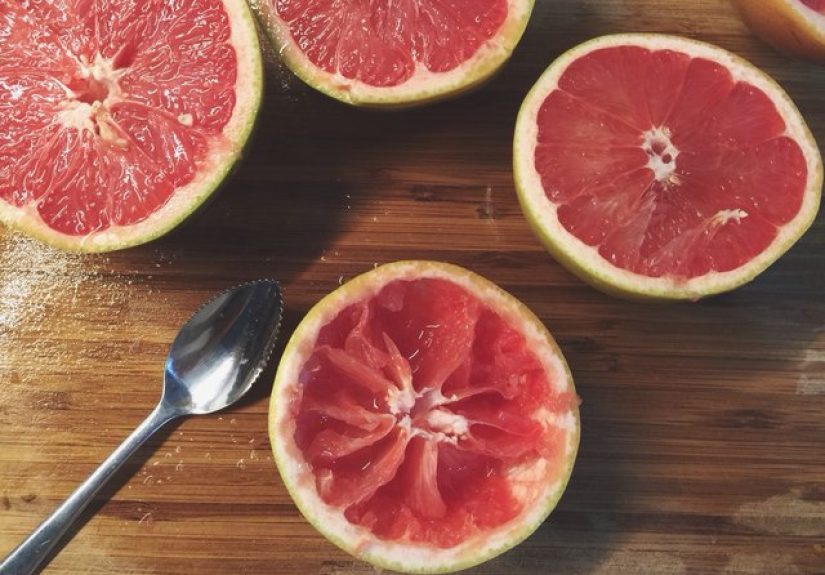
6) Juice Citrus Like a Pro: Warm It, Roll It, Then Squeeze
If your lemon feels stingy, it’s probably cold and stiff. A little warmth and pressure can help you get more juice with less effort.
How to do it
- Roll first: Press the citrus firmly on the counter and roll it back and forth for 10–15 seconds.
- Warm briefly: Microwave 10–20 seconds (just until slightly warm, not hot).
- Then cut and juice: Slice and squeeze using your hands, a fork twist, or a juicer.
Bonus micro-hack: Zest before you juice
If you need zest, do it first. Zesting a whole lemon is easy; zesting a floppy squeezed lemon is like trying to comb wet hair with a spoon.
Why it works
Warming softens the fruit’s internal structure and rolling helps rupture some juice sacs. Together, they make extraction easierespecially when you’re juicing by hand.
Best uses
Salad dressings, marinades, homemade lemonade, citrusy dips, and any recipe where you need juice without developing “forearm of steel.”
7) The Berry Survival Plan: Keep Berries Fresher, Longer
Berries are basically the divas of the produce drawer: delicate, dramatic, and prone to collapsing into mush if the vibes are even slightly off.
The trick is moisture control and gentle handling.
How to do it
- Sort first: Remove any squished or moldy berries immediately (one fuzzy berry can start a chain reaction).
- Store dry: Keep berries unwashed until you’re ready to eat, if you want maximum shelf life.
- Use a paper towel: Line a container with paper towels to absorb extra moisture.
- Don’t crush them: Store in a shallow layer when possible.
Why it works
Mold loves moisture. Less moisture + better airflow = more days of fresh berries and fewer tragic “why is it fuzzy?” moments.
Best uses
Weekly meal prep, school snacks, and anyone who’s tired of paying premium prices for berries that last 36 hours.
8) The “Quick Clean” Berry Upgrade: A Brief Warm-Water Dip
If you bought berries that seem like they’ll spoil fast, there’s a more advanced option: a short warm-water dip, followed by thorough drying.
It’s not mandatory. But it can help, especially when berries are on the brink.
How to do it
- Fill a bowl with hot tap water (warm/hot, not boiling).
- Dip berries for about 30 seconds.
- Drain gently.
- Dry completelythis part matters. Use paper towels, and be gentle.
- Store in the fridge in a breathable or towel-lined container.
Why it works
The brief warmth can reduce surface microbes and mold spores, but only if you dry them well afterward. If you leave them wet, you’re basically
rolling out a welcome mat for mold.
Best uses
Strawberries and raspberries that look a little too “ready to go,” or berries you want to stretch for a few more days.
9) Freeze Fruit the Smart Way: Tray-Pack for “Pourable” Pieces
Ever frozen fruit in a bag and ended up with one solid fruit boulder? Meet tray-packing: the method that keeps pieces separate so you can grab a handful at a time.
How to do it
- Prep fruit (slice bananas, hull strawberries, peel and cube mango, etc.).
- Spread in a single layer on a tray or baking sheet.
- Freeze until solid.
- Transfer to a freezer bag or container, squeeze out air, and label.
Why it works
Freezing pieces separately first prevents clumping and makes your freezer stash actually usable. It’s the difference between “grab and go” and
“chisel and pray.”
Best uses
Smoothies, oatmeal toppers, quick snacks, homemade sorbets, and emergency “I forgot to buy fruit this week” solutions.
10) Keep Avocados (and Guacamole) Green: Press Wrap Directly on the Surface
The fastest way to ruin an avocado vibe is to open the container and find a brown top layer. Oxidation strikes againbut you can slow it down.
How to do it
- For a cut avocado: press plastic wrap directly against the cut surface so there’s no air gap, then refrigerate.
- For guacamole: press plastic wrap flush against the surface of the guac, seal the container, and keep it cold.
- If your recipe already includes citrus juice, that can help toobut the airtight contact is the real hero.
Why it works
Oxygen is the main driver of browning. If air can’t touch the surface, browning slows way down. The “leave the pit in” trick is mostly overrated
unless it’s combined with an airtight barrier.
Best uses
Avocado toast prep, packed lunches, party dips, and anyone who’s emotionally attached to guacamole staying green.
Real-Life Kitchen Experiences: Where These Hacks Shine (and Where They Save Your Sanity)
Here’s what usually happens in real kitchens: you buy fruit with good intentions, then life starts lifing. A busy morning turns into a rushed afternoon.
Suddenly you’re staring into the fridge hoping the strawberries didn’t mutate overnight, and the bananas are all racing each other to become banana bread.
That’s exactly where these hacks earn their keep.
The anti-brown bath is the MVP when you’re trying to prep ahead without your fruit looking tired. If you’ve ever packed apple slices for later and opened the
container to find them looking like they time-traveled from yesterday, that quick dip is a game-changer. It’s especially helpful for fruit platters, toobecause
nobody wants to serve a snack tray that looks like it’s wearing a sepia filter.
Strawberry hulling with a straw is one of those tricks that feels almost silly until you do it oncethen you’ll never go back. It’s faster than a knife,
wastes less fruit, and makes “I’ll just prep a bunch of strawberries” a realistic plan instead of a weekend project. If you’re making fruit salad for a group,
it turns a tedious step into a quick assembly line. And if you’re cooking with kids (or just clumsy adults), it’s a safer way to help everyone participate.
The mango hedgehog cut is a confidence booster. Mango is delicious but notoriously slippery, and people either avoid it or buy pre-cut containers that cost
approximately the same as a small car payment. Once you learn to slice cheeks and score a grid, mango becomes a regular snack instead of a “special occasion fruit.”
Same with kiwi: the spoon peel feels like a secret shortcut, especially when you want a clean, no-mess snack at a desk or on the go.
Berries are where the practical hacks really pay off. In a perfect world, we’d eat berries the same day we buy them. In reality, a single busy day can turn your
“fresh berries” into “science experiment.” Sorting out a bad berry early, keeping them dry, and managing moisture with paper towels can add precious days to their
life. And when you buy berries that seem determined to spoil fast, that brief warm-water dipfollowed by truly thorough dryingcan be the difference between
enjoying them all week and throwing half the package away.
Tray-packing frozen fruit is the long-game strategy. When your bananas go ripe all at once or you’ve got extra berries, freezing them the smart way builds a stash
you’ll actually use. The best part is how it changes your weekday options: smoothies become instant, oatmeal becomes better, and “no fresh fruit in the house”
stops being a crisis. And for avocados, pressing wrap directly on the surface is a small move that prevents that sad brown layer from stealing your joy.
These aren’t just tricksthey’re tiny systems that make fruit fit into real life.
Conclusion: The Secret Is Small Moves, Big Payoff
The best fruit hacks don’t just save timethey save good intentions. They help you buy fruit and actually eat it, instead of watching it slowly degrade while you
pretend you don’t see it. Start with one or two (anti-brown apples and tray-packed frozen fruit are a power combo), then build your own fruit routine from there.
Your future self will thank youprobably while eating a perfectly juicy mango cube.