Table of Contents >> Show >> Hide
- What “workwear blue” really means (and why it’s different from navy)
- Why workwear blue works so well in the bedroom
- Pick your fabric: the feel matters as much as the color
- How to style workwear blue bed linen so it looks intentional
- Shopping checklist: what matters more than thread count
- How to care for workwear blue bed linen (so it stays rich, not washed-out)
- Who should buy workwear blue bed linen?
- Common mistakes (and how to avoid them)
- Bottom line
- Experiences: Living with Workwear Blue Bed Linen (the real-life version)
- SEO Tags
“Workwear blue” is the color equivalent of a perfectly broken-in chore coat: deep, confident, and somehow both rugged and refined. It reads like indigo denim, looks great with almost everything, and forgives a lot of real-life mess (coffee, pets, late-night snacks, existential dread). If you’ve ever wished your bed could feel a little more “cool boutique hotel” and a little less “I panic-bought whatever was on sale,” workwear blue bed linen is an easy upgrade.
This guide breaks down what the shade actually is, how to pick the right fabric (linen, percale, sateenyes, those words matter), how to style it so it looks intentional, and how to wash dark bedding without slowly turning it into “sad old jeans” blue. We’ll keep it practical, specific, and only mildly opinionated.
What “workwear blue” really means (and why it’s different from navy)
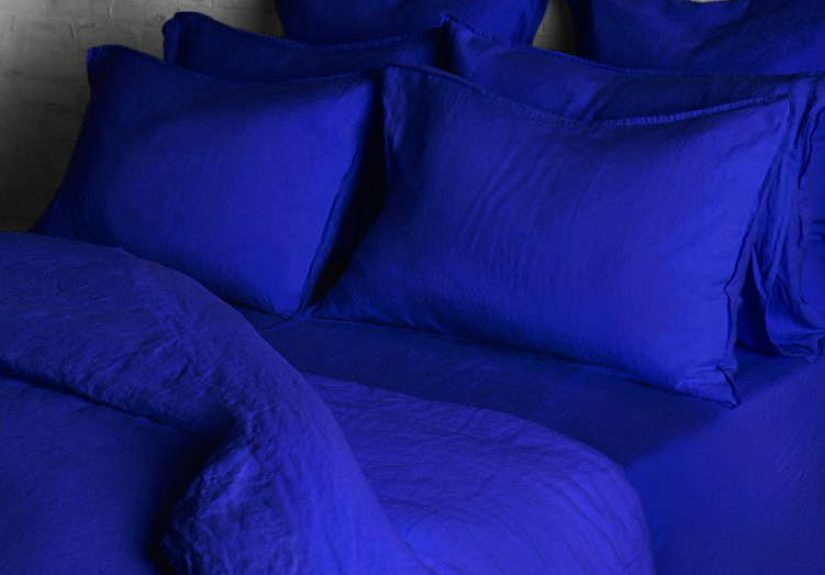
Workwear blue sits in the “rich indigo” familydarker than classic denim, usually less inky than navy, and often with a subtle gray or smoky undertone. Navy can feel preppy and formal (like a blazer that owns a boat). Indigo feels more casual, tactile, and vintage (like denim that’s seen a few good stories).
Indigo vs. navy vs. cobalt: a quick cheat sheet
- Indigo/workwear blue: denim-adjacent, grounded, slightly muted, cozy and modern.
- Navy: crisp, traditional, more “uniform” than “utility.”
- Cobalt/royal blue: bright, energetic, and not exactly whispering “sleep.”
In a bedroom, workwear blue behaves like a “new neutral.” It’s dark enough to add depth, but not so heavy that the room feels like it’s wearing a blackout curtain as a sweater.
Why workwear blue works so well in the bedroom
It creates calm without being boring
Many sleep and home experts point to blue as a calming color familyoften associated with relaxation and lower-stimulation environments. That doesn’t mean blue is a magic sleep potion (sadly), but it does tend to read “cool, steady, and quiet” compared with hot, high-energy colors.
It’s secretly practical
Real people sleep in real beds. Workwear blue helps hide minor stains, everyday wear, and that mysterious “where did this lint come from” situation. It also plays nicely with natural textureswood, leather, wool, and woven basketsso your room can look styled even if you folded exactly zero things today.
Pick your fabric: the feel matters as much as the color
Workwear blue looks great on almost any bedding material, but the vibe changes depending on the fabric. Think of it like the difference between denim, chambray, and a silky dress shirtall blue, totally different energy.
Linen: textured, breathable, and effortlessly “I live in a design magazine”
Linen bedding is made from flax fibers and is known for being breathable and moisture-friendlypopular for warm sleepers and humid climates. It also has that relaxed, rumpled look that feels intentional (like you meant to leave it un-ironed). Linen can feel a bit crisp or textured at first, then softens over time with washing and use. If you want workwear blue to lean artisanal and lived-in, linen is your move.
Best for: hot sleepers, fans of texture, minimalists who still want warmth and character.
Heads-up: linen wrinkles. That’s not a flawit’s the whole personality.
Cotton percale: crisp, cool, and hotel-clean
Percale is a plain weave (often described as a one-over/one-under structure) that tends to feel crisp, light, and breathable. In workwear blue, percale gives you a sharper, tailored looklike a freshly pressed work shirt. If you love that cool-to-the-touch “fresh bed” feeling, this is a strong contender.
Best for: hot sleepers, people who like a matte finish, anyone who loves a crisp sheet “snap.”
Heads-up: percale can wrinkle more than smoother weavesagain, not a crime.
Cotton sateen: smooth, slightly shiny, and cozy
Sateen uses a weave structure that creates more surface “float,” giving it a softer hand-feel and a subtle sheen. In workwear blue, sateen looks richer and moodieralmost like the color deepens as the light changes. It can also feel a bit warmer than percale, which some people love (and some people will complain about loudly at 2 a.m.).
Best for: cold sleepers, people who want a softer hand-feel, anyone who loves a “luxe” finish.
Heads-up: sateen can be more prone to pilling if the fiber quality is lower or if it’s washed with rough items.
Linen-cotton blends and other options
If you want linen’s relaxed look but prefer a smoother feel, blends can be a nice compromise. Jersey sheets (knit, like a T-shirt) can make workwear blue feel ultra-casual and cozygreat for winter or for people who want softness above all else. The main point: choose the fabric for how you sleep, not just how it photographs.
How to style workwear blue bed linen so it looks intentional
Workwear blue is flexible. You can make it modern, rustic, coastal, minimalist, or vintagedepending on what you pair it with. Here are a few reliable “recipes.”
1) The “work shirt + white tee” formula
Pair workwear blue with bright white. Think: blue duvet cover, white sheets, white pillows, then add one textured layer (a knit throw, a quilted blanket, or a waffle blanket). The contrast looks clean and classic, and it makes the blue feel even richer.
2) Indigo + warm neutrals (the easiest way to look expensive)
Bring in camel, tan, sand, or warm gray. A tan lumbar pillow, a honey-toned wood nightstand, or a leather bench at the foot of the bed makes the blue feel grounded and grown-up. Bonus: warm neutrals keep a dark blue bed from feeling too cool or sterile.
3) Monochrome blues without the “blueberry muffin” effect
Mix shades and textures: workwear blue duvet, lighter chambray pillowcases, a slate-blue throw, and maybe a striped accent. Keep at least one element light (white or oatmeal) so the bed doesn’t become a single dark rectangle. Your room should feel like a cozy retreatnot a portal to the deep sea.
4) Pattern play: stripes, checks, and subtle texture
Workwear blue loves classic patterns. A ticking stripe pillow, a small check blanket, or a textured matelassé coverlet adds visual interest without making your bed look like it’s auditioning for a circus. Stick to one or two patterns max, and let the blue do the heavy lifting.
Shopping checklist: what matters more than thread count
If bedding marketing has ever made you feel like you need a degree in textile math, you’re not alone. Here’s what actually helps you buy better.
Fiber quality and weave come first
Many product testers and textile experts emphasize that thread count alone doesn’t guarantee quality. Fiber quality (like long-staple cotton) and the weave (percale vs. sateen) often explain comfort and durability better than a giant number on a package.
Look for these practical build details
- Single-ply claims (when available): can be a good sign of a smoother, less gimmicky construction.
- Strong stitching and tidy seams: especially at corners and along hems.
- Pocket depth that matches your mattress: deep pockets and elastic that actually holds on (wild concept, right?).
- Color quality: deep blues should look saturated, not flat or “dusty” unless that’s the intended finish.
Certifications that can be worth paying attention to
If you care about chemical testing and organic standards, certifications can help cut through vague marketing language. OEKO-TEX Standard 100 indicates a product has been tested for harmful substances. GOTS (Global Organic Textile Standard) is a leading standard for organic textiles and includes environmental and social criteria across processing stages. Not everyone needs to shop by certifications, but they’re useful filters if you have sensitive skin or want more transparency.
How to care for workwear blue bed linen (so it stays rich, not washed-out)
Dark bedding is like dark denim: treat it well and it stays gorgeous; treat it like a bath mat and it will eventually look like a faded memory.
Wash smart, not harsh
- Read the care label: boring, yes. Helpful, also yes.
- Wash sheets mostly on their own: bulky towels can cause extra abrasion and lint transfer.
- Use cool or warm water (not scorching): cooler temps help reduce fading and are gentler on fibers.
- Choose a gentle detergent: harsh cleaners can dull dark dyes over time.
- Avoid chlorine bleach: it can permanently change color and weaken fibers.
- Dry low and don’t over-bake: high heat can speed up fading and wear.
A note on vinegar, “color locking,” and other laundry folklore
Some laundry guidance suggests vinegar in the rinse can help with odor and may support color care in certain situations. It’s not a miracle shield, but if your sheets hold onto smells or you’re trying to be gentle on dark colors, it’s a common, low-effort tactic many people use. If you try it, keep it modest, and avoid mixing it with bleach (not negotiable).
How often to wash?
Most cleaning and home experts recommend washing sheets about every one to two weeks for general hygiene, with more frequent washing if you sweat heavily, have allergies, or share the bed with pets. If you want workwear blue to stay crisp-looking, consistent gentle washing beats occasional harsh “laundry revenge” cycles.
Who should buy workwear blue bed linen?
- Minimalists who want color without chaos.
- People with pets who are tired of white sheets telling on them.
- Hot sleepers (choose linen or percale).
- Cold sleepers (choose sateen or layer with a quilt).
- Anyone redecorating on a budget who wants a high-impact change without painting walls.
Common mistakes (and how to avoid them)
Going too dark in a low-light room
If your bedroom doesn’t get much natural light, very deep blue can feel heavy. Fix it by adding contrast: white sheets, lighter pillows, or a warm-toned throw.
Expecting linen to behave like cotton
If wrinkles bother you, linen might drive you slightly feral. If you love texture and softness that improves over time, you’ll probably become a linen evangelist. Choose accordingly.
Overdoing the “matching set” look
Workwear blue shines when it’s layered. Mix textures (linen + knit throw), add a lighter neutral, and let the bed look collected, not showroom-staged.
Bottom line
Workwear blue bed linen is a rare combo: stylish, versatile, and forgiving. It can look crisp and tailored in percale, moody and smooth in sateen, or relaxed and textured in linen. Pick the fabric that matches how you sleep, style it with smart contrast, and care for it gently so the color stays rich. Your bed will look like it has its life togethereven if you’re still negotiating with your alarm clock every morning.
Experiences: Living with Workwear Blue Bed Linen (the real-life version)
The first time I tried workwear blue bed linen, I expected one of two outcomes: (1) “effortless cool,” or (2) “my bed looks like I lost a fight with a paint swatch.” Thankfully, it landed in the sweet spotlike denim, but for sleeping. The color immediately made my room feel more grounded. White bedding can look fresh, but it also has the emotional stability of a toddler near a juice box. Workwear blue felt calmer and more forgiving from day one.
What surprised me most was how much the fabric choice changed the personality of the color. In crisp cotton percale, workwear blue looked sharp and modernalmost architectural. The bed felt like it belonged in a hotel where the lobby smells expensive and nobody has ever eaten crackers in the sheets. But when I switched to linen in a similar indigo shade, the entire vibe softened. Linen’s natural texture gave the blue more dimension, like the color had layers instead of a flat “painted-on” look. The room felt less “polished set” and more “real home, but make it pretty.”
Then came the practical teststhe ones no product photo warns you about. Lint is real. If you have light-colored towels or you’re the kind of person who wears fuzzy socks like it’s a personality trait, you’ll notice it on deep blue bedding. The solution was boring but effective: wash sheets separately, skip throwing in random laundry “just because there’s room,” and shake them out before drying. Once I did that, the blue stopped collecting evidence like a detective.
Color care also became a small ritual. I learned quickly that dark bedding responds best to gentle treatment: cooler water, mild detergent, and avoiding the temptation to crank the heat on the dryer like I’m trying to launch the sheets into orbit. Air-drying a linen duvet cover isn’t always convenient, but doing a lower-heat dry (and pulling it out promptly) helped the blue stay deeper for longer. And yes, I tried the vinegar trick onceless because I’m a laundry wizard, more because someone’s aunt on the internet swore by it. The result: fresher-feeling sheets and zero salad smell, which counts as a win in my book.
Styling-wise, workwear blue made me more confident about mixing neutrals. I started with the classic blue-and-white combo, then got bolder: tan throw pillows, a cream knit blanket, even a warm rust accent pillow in fall. The blue handled it all without looking fussy. If anything, it made the accessories look more intentionallike the bed was a backdrop instead of the whole show.
My biggest takeaway after living with workwear blue bed linen: it’s the kind of choice that looks good on day one, but gets better once it becomes part of real life. It’s not precious. It doesn’t demand perfection. It just quietly upgrades the roomlike a great jacket you reach for again and again, because it always works.