Table of Contents >> Show >> Hide
Flea markets are basically museums where everything is for sale, nothing is labeled, and your willpower is tested
by a $12 brass duck that somehow feels emotionally important.
If you want a home with real character (not “I bought the entire showroom” vibes), flea market finds are the
cheat code. Vintage pieces bring patina, craftsmanship, and storiesplus they make your space look curated,
not copy-pasted. The trick is turning random treasures into a cohesive vintage aesthetic without making your
living room look like an attic had a yard sale.
Below are 23 specific, practical ways to style flea market decoralong with smart shopping habits, quality checks,
and a few “learned it the hard way” notesso your home looks timeless, not chaotic.
Before You Buy: The Game Plan
1) Bring measurements (and actually use them)
A vintage aesthetic is charming; a loveseat that blocks your hallway is not. Keep a note on your phone with
key dimensionssofa length, console depth, the space beside your bedand carry a small measuring tape. This one habit
saves you from “It looked smaller in the booth” heartbreak and makes secondhand furniture shopping way more confident.
2) Pay in cash, but shop with a “budget lane”
Cash helps you negotiate and keeps checkout fast. The key is choosing a budget lane before you enter:
“Today I’m hunting under-$25 accents” or “I’m open to one hero piece up to $200.” A lane prevents
impulse spending while still letting you pounce when the perfect vintage mirror appears and whispers, “Take me home.”
3) Practice the polite haggle (it’s a skill, not a crime)
Negotiation is normal at flea markets, but tone is everything. Lead with kindness, not combat:
“Would you take $40 if I grab it today?” Bundle multiple items for a better deal. And if the answer is no,
smile anywayyour goal is a great find, not a season finale.
4) Look for maker’s marks, labels, and construction clues
The fastest way to spot quality? Flip things over like you’re auditioning for a design detective show.
Check the underside for stamps, labels, or signatures. On wood furniture, look for solid wood, sturdy joinery
(like dovetail drawers), and hardware that can be tightened rather than “mysteriously dissolving” when touched.
5) Use the “sniff test” and the “wiggle test”
Smell matters. Musty textiles can be salvaged sometimes, but deep odor can be stubborn. For furniture, do the wiggle
test: gently shake the piece. A little movement is normal; dramatic wobbling is a negotiation momentor a pass.
Inspect for water damage, cracks, and veneer lifting so you know what you’re committing to (and what you’re not).
Furniture Foundations
6) Choose one “anchor” vintage piece per room
Want that effortless vintage aesthetic? Start with one statement: a mid-century credenza, an antique dresser,
a carved mirror, a farmhouse table. Let that item set the tone, then build around it with smaller flea market finds.
One anchor keeps your room “curated” instead of “I decorated by sprinting.”
7) Rehome a dresser as a bathroom vanity or entry console
Vintage dressers are the Swiss Army knife of thrifted decor. In an entry, one becomes a console for keys and mail.
In a bathroom, a sturdy dresser can be converted to a vanity (with proper sealing and plumbing planning).
The result: instant character, storage, and that “custom home” feelingwithout custom-home pricing.
8) Swap hardware for a quick era-shift
If a piece has good bones but awkward knobs, change them. Hardware is the easiest style dial:
glass pulls for a vintage cottage feel, brass for classic glam, matte black for a modern-vintage mix.
Keep the original hardware in a baggie inside the drawer (future-you will thank you).
9) Let patina staythen clean like a responsible adult
Patina is not “dirty,” it’s “earned.” Keep the age marks that add charm, but still clean and sanitize.
Dust first, wipe down with gentle cleaners, and avoid aggressive sanding unless you’re intentionally refinishing.
If the piece has old paint, treat it cautiouslyespecially if you suspect it’s from the pre-1978 era.
10) Reupholster strategically (or just “recover”)
Upholstery can be a money pitunless you’re strategic. If the frame is solid and the shape is timeless,
reupholstery can be worth it. If the fabric is merely ugly (not torn or stinky), you might only need a recover,
a slipcover, or a throw + pillows. Vintage style doesn’t require vintage dust.
11) Mix eras with an 80/20 balance
The easiest way to avoid a time-travel mess: pick your ratio. Many designers love an 80/20 approachmostly vintage
with a few modern pieces, or mostly modern with a few standout thrifted finds. The ratio keeps the room readable,
like a good outfit: statement jacket, simple jeans, excellent shoes.
Textiles & Soft Stuff
12) Use a vintage quilt as wall art (yes, really)
Vintage quilts are texture, color, and history in one piece. Hang one above a bed or sofa for an instant focal point.
It reads cozy and collectedperfect for cottagecore, farmhouse, or Americana-inspired rooms. Use a proper hanging method
(clips or a rod system) so you don’t damage delicate fabric.
13) Layer rugs for depth (and forgiveness)
Found a smaller vintage rug you love? Layer it over a larger neutral rug. Layering adds dimension, hides imperfections,
and makes a room feel designed rather than merely furnished. Bonus: it’s a great way to use a worn-but-beautiful rug
without making it do heavy-duty floor work.
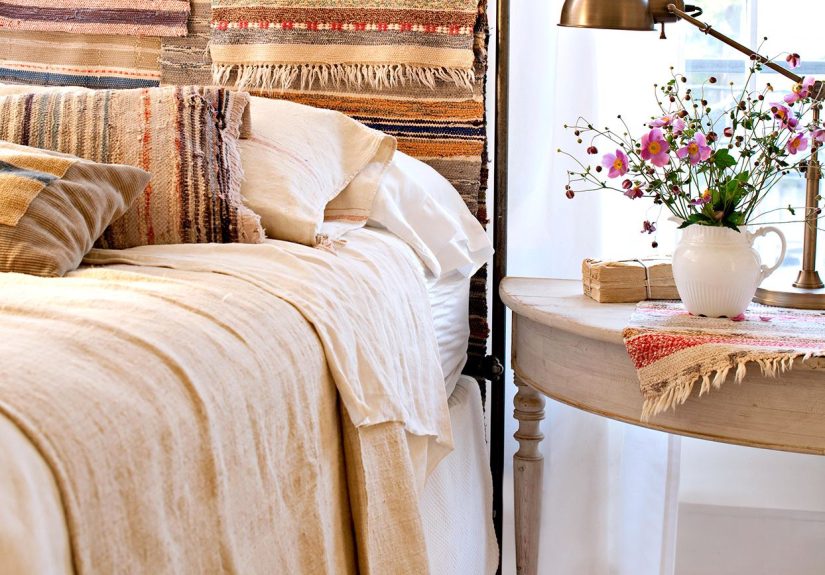
14) Turn linens into “soft vintage” styling
Look for linen napkins, embroidered tablecloths, and old tea towels. Fold them into a basket for open shelving,
use them under a tray, or drape one casually over a console. It’s a subtle way to add a vintage aesthetic without
screaming “I collect doilies now.”
15) Hunt for curtains with weight and texture
Vintage curtains (or even large vintage sheets) can become beautiful drapery. Prioritize substantial fabriccotton,
linen blends, or heavier weavesfor that relaxed, lived-in look. If you’re nervous about funk, stick to washable textiles
and launder promptly.
Walls, Shelves & Small Decor
16) Build a gallery wall from mismatched frames
Flea markets are frame heaven. Mix ornate gold frames with simple wood ones, then unify the look with either:
(a) consistent matting, (b) a limited color palette, or (c) a theme (family photos, botanicals, black-and-white prints).
The charm comes from variation; the polish comes from one repeating element.
17) Collect mirrorsthen place them like they’re working for rent
Vintage mirrors brighten rooms and add drama without taking up floor space. Use a gilded mirror over a mantel,
a leaning floor mirror in a bedroom, or a small convex mirror in a gallery wall. Place mirrors to bounce light from windows
or highlight something prettydon’t just hang them wherever the nail already exists.
18) Style shelves with “odd-number clusters”
Shelves look best when objects have a rhythm. Group flea market finds into clusters of three or five:
a small ceramic vase, a stack of old books, and a brass candlestick. Vary height and texture so the shelf feels layered,
not lined up like an awkward class photo.
19) Use vintage books as decor (and not just as personality props)
Old books add warmth and color. Stack them under a lamp, use them as risers for smaller objects, or shelve them by tone
(creams, browns, faded blues) for a subtle vintage palette. If you find coffee-table books, grab theminstant style upgrade,
and they’re actually fun to flip through when guests pretend they “don’t want anything to drink.”
20) Frame unexpected items: postcards, sheet music, menus
Flea markets are full of paper ephemerapostcards, theater programs, handwritten letters, old maps. Frame a set of postcards
from the same decade, or display sheet music for a romantic, old-world feel. It’s affordable vintage wall decor that doesn’t
require finding original art every time.
Kitchen & Tabletop Vintage
21) Create a “collected” table with mismatched dinnerware (with a safety note)
Mix-and-match plates and glassware can look effortlessly vintageespecially if you keep one unifier like a common rim color
or similar silhouette. Important: if you’re buying older ceramics or brightly colored vintage dishware,
consider using them for display or serving non-acidic, low-contact items unless you’re confident they’re food-safe.
When in doubt, let them be beautiful decor.
22) Use vintage glassware to add sparkle and color
Colored glass (goblets, pressed glass bowls, decanters) instantly elevates open shelving, bar carts, and dining tables.
A small set of mismatched glasses can look intentional when grouped together. Think of it as “grandma’s glamour,” but with
fewer hard candies and more good lighting.
23) Turn flea market baskets, trays, and tins into everyday organizers
The vintage aesthetic isn’t only about looking prettyit’s about living well. Use baskets to corral throw blankets, trays
for coffee-table clutter, and old tins for pantry storage. These small flea market finds add texture and function, and they’re
the easiest way to make a room feel thoughtfully styled without buying more furniture.
Lighting & Finishing Touches
Bonus styling moves that make everything look more “vintage”
You’ve got the piecesnow make them sing. Use warm bulbs (soft white), aim for layered lighting (overhead + lamps),
and repeat metals intentionally (a little brass in two or three places looks cohesive). If you refinish wood, start gently:
clean, condition, and test products in an inconspicuous spot. Vintage style is a slow burn, not a speed run.
Extra: Flea Market Field Notes (Experience)
After enough weekends spent wandering aisles at 8:00 a.m. with a coffee and the optimistic belief that I will “only buy one thing,”
you start collecting something more valuable than brass candlesticks: pattern recognition.
First lesson: the best finds rarely announce themselves. The most stunning vintage aesthetic pieces are often disguised as “meh” until you
picture them in the right context. A scratched-up wood chair? Add a linen cushion and it becomes European farmhouse chic. A lonely vase with
an unfortunate floral print? Fill it with branches and suddenly it’s sculptural. Flea market shopping is basically interior design with a side
quest: imagination.
Second lesson: your hands are your best tool. I used to shop with my eyes onlybig mistake. Now I pick things up. I feel the weight of glass,
I check the stability of a table, I open drawers and look at how they’re built. Quality has a physical presence. When something is solid wood,
you know. When something is particle board dressed up like a fancy adult, you also know.
Third lesson: the “almost perfect” item is usually the bargain. The pristine, Instagram-ready piece is often priced like it already has a ring light.
But the slightly scuffed mirror, the lamp that needs a new shade, or the frame with a weird print inside? Those are your sweet spots. A vintage aesthetic
thrives on pieces that look like they’ve livedjust not pieces that look like they’ve survived a minor flood.
Fourth lesson: you don’t need more stuffyou need a plan for the stuff you already bought. Early on, I brought home beautiful odds and ends with no
landing place, creating a “decor limbo” shelf that quietly judged me. Now I shop with a purpose: I’m hunting for a bedside lamp, a gallery wall frame,
or a basket for the entryway. The fun surprise still happens, but it has to earn its keep.
Fifth lesson: the best rooms aren’t the ones with the most vintage itemsthey’re the ones with the best editing. One antique dresser can do more for a room
than twelve random trinkets. Vintage decor looks intentional when it has breathing room. The negative space is what makes the patina pop.
Finally: flea markets are a practice in patience. Sometimes you leave with nothing but sunburn and a cinnamon pretzel. Other times you find a perfectly worn
leather chair that looks like it has a past and a personality. The point isn’t to “complete” your home in one tripit’s to build a space that feels personal,
layered, and real. And if you accidentally buy a brass duck along the way? Congratulations. You’re one of us now.
Conclusion
Creating a vintage aesthetic with flea market finds is equal parts strategy and play. Shop prepared (measurements, cash, patience),
prioritize quality and timeless shapes, and style with intentionanchors first, accents second. Mix eras thoughtfully, embrace patina,
and let your home look like it has stories, not just receipts.
If you want a space that feels warm, collected, and unmistakably yours, flea market decor is the most fun way to get thereone quirky treasure at a time.