Table of Contents >> Show >> Hide
- What Makes a Cucumber Sandwich “Right”?
- The Big Three: Bread, Spread, Cucumber
- How to Keep Cucumber Sandwiches From Getting Soggy
- The Classic Cucumber Tea Sandwich (Step-by-Step)
- Flavor Upgrades That Still Feel “Cucumber Sandwich”
- Make-Ahead Tips for Hosting Without Panic
- Common Mistakes (and How to Avoid Them)
- Serving Ideas: Where Cucumber Sandwiches Shine
- Quick Nutrition Notes and Dietary Swaps
- Conclusion: Crisp, Creamy, and Surprisingly Powerful
- Extra: Real-World “Cucumber Sandwich” Experiences (The Stuff That Actually Happens)
Cucumber sandwiches are proof that “simple” doesn’t mean “boring.” They’re crisp, cool, creamy, and just fancy enough
to make you sit up straightereven if you’re eating one over the sink in sweatpants. Traditionally served as dainty
finger sandwiches at afternoon tea, cucumber sandwiches have quietly evolved into an all-purpose snack: brunch tray
hero, baby-shower staple, picnic MVP, and the rare party food that won’t leave your guests needing a nap.
But here’s the catch: cucumbers are basically delicious water with confidence. If you build these sandwiches like you
build a normal turkey clubbig slices, zero prep, “we’ll see what happens”you’ll end up with soggy bread and a deep,
personal regret. The good news? With a few smart techniques (and a little cucumber respect), you can make cucumber
sandwiches that stay crisp, taste bright, and look like you totally meant to host a tea party.
What Makes a Cucumber Sandwich “Right”?
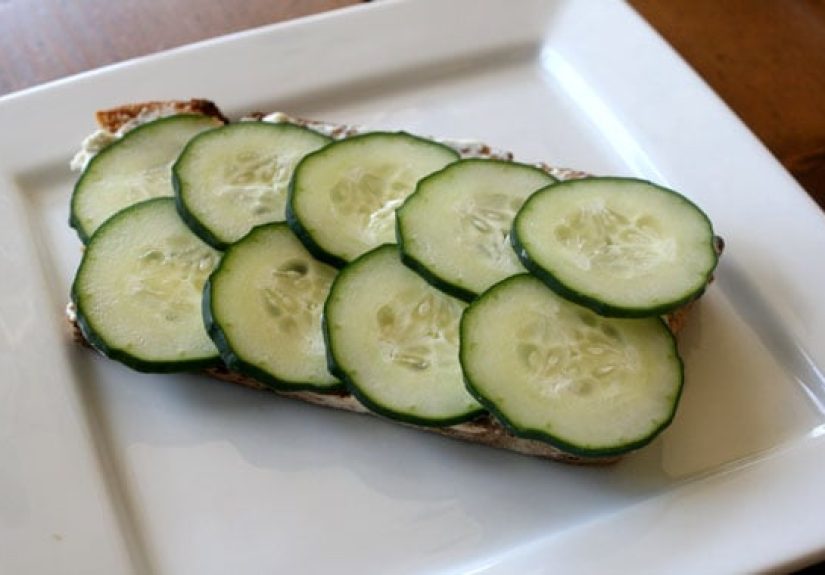
The classic version is intentionally minimalist: soft white bread, a thin layer of butter or a creamy spread, and
paper-thin cucumber slices. No towering layers, no messy dripsthis is a sandwich built for neat bites and clean
sleeves. It’s more about texture and balance than boldness: tender bread + rich spread + crunchy cucumber + a pinch of
salt to wake everything up.
Modern American versions often lean into flavor with herb-flecked cream cheese, lemon zest, black pepper, chives,
dill, and even spicy green chutney. The goal stays the same: keep it refreshing and light, but give it enough
personality that nobody calls it “the sad vegetable sandwich.”
The Big Three: Bread, Spread, Cucumber
1) Bread: Soft, thin, and politely dramatic
Choose a bread that’s soft and slices cleanlyclassic white sandwich bread is traditional for a reason. It compresses
gently, holds a thin layer of filling well, and feels “tea party” without trying too hard. Whole wheat works if you
like a nuttier flavor, and cocktail rye or pumpernickel can be great for party rounds (especially if you’re making
canapés or mini sandwiches).
Pro move: lightly chill your bread for 10 minutes before cutting shapes; it reduces tearing and keeps edges tidy.
Also, yesremoving crusts is optional, but it’s the fastest way to make your snack look like it has a dress code.
2) Spread: Flavor + moisture control (aka “the soggy insurance policy”)
The spread does two jobs: it adds richness and it creates a barrier between bread and cucumber moisture. Butter is the
most classicespecially salted butter. Cream cheese is the most popular American twist because it’s creamy, tangy,
and loves herbs. Whipped cream cheese spreads easily without tearing delicate bread, but softened block cream cheese
works fine if you give it time to relax at room temperature.
Flavor builders that play especially well here:
- Fresh herbs: dill, chives, parsley, tarragon, mint
- Citrus: lemon zest or a tiny squeeze of juice
- Seasoning: kosher salt, black pepper, a pinch of garlic powder
- Extra tang: a spoonful of sour cream or a tiny splash of vinegar (go easy)
3) Cucumbers: Thin slices, crisp texture, controlled water
English (seedless) cucumbers are the go-to because they’re less seedy and tend to be less watery than standard
slicing cucumbers. Persian cucumbers also work beautifully. The key is thin, even slicingso every bite feels crisp,
not chunky. A sharp knife works, but a mandolin makes it effortless and consistent (just please keep your fingertips;
they’re useful for future sandwiches).
How to Keep Cucumber Sandwiches From Getting Soggy
Sogginess isn’t a moral failureit’s physics. Cucumbers contain a lot of water, and salt draws water out through
osmosis. Meanwhile bread is basically a sponge wearing a bread costume. If you assemble everything and let it sit too
long, moisture migrates and your sandwich becomes a cucumber-flavored bath towel.
Use one (or combine two) of these methods depending on your timeline:
-
Quick drain: Lightly salt cucumber slices, let sit 5–10 minutes, then pat very dry with paper
towels. This pulls excess moisture and helps keep texture crisp. -
Barrier method: Spread butter or cream cheese all the way to the edges of both bread slices. This
“seals” the bread so the cucumber doesn’t soak in as fast. -
Timing: Assemble close to serving time when possible. If you need to prep ahead, keep cucumbers and
bread separate until the last moment, or use a thicker spread barrier.
The best approach depends on your spread and how long they’ll sit. If you’re using a thick cream cheese layer on both
sides, you can often skip salting and simply pat the cucumbers dry. If your spread is thinner (or you’re making a big
batch that must wait), a brief salt-and-dry step is your best friend.
The Classic Cucumber Tea Sandwich (Step-by-Step)
This is the “if you know, you know” versionsimple, elegant, and shockingly satisfying.
Ingredients (Makes 6–8 small finger sandwiches)
- 8 slices soft white sandwich bread (or thin-sliced bread of choice)
- 4–6 tablespoons salted butter or softened/whipped cream cheese
- 1 English cucumber, very thinly sliced
- Kosher salt and fresh black pepper
- Optional: fresh dill or chives, lemon zest
Method
-
Prep the cucumbers: Slice very thin. If you want extra insurance, lightly salt the slices for 5–10
minutes, then pat dry thoroughly. -
Spread the barrier: Coat each bread slice with a thin, even layer of butter or cream cheesego all
the way to the edges. -
Layer neatly: Overlap cucumber slices in a single layer (or slightly overlapped rows). Add a tiny
pinch of salt and a few grinds of pepper. -
Close + cut: Top with another slice. Trim crusts if desired, then cut into rectangles (“fingers”)
or triangles. -
Serve fresh: If holding for a short time, cover with a barely damp paper towel and wrap loosely to
prevent drying.
Flavor Upgrades That Still Feel “Cucumber Sandwich”
Once you’ve mastered the classic, you can riff without turning it into a totally different sandwich. Think of these as
upgrades, not plot twists.
Lemony Dill Cream Cheese
Mix cream cheese with chopped dill, lemon zest, a tiny squeeze of lemon juice, salt, and pepper. This version tastes
like summer decided to be helpful.
Herb Garden Cream Cheese (Chive + Parsley + Dill)
Stir chopped chives, parsley, and dill (or tarragon) into softened cream cheese. It looks speckled and fancy and makes
your kitchen smell like you own a windowsill herb collection you definitely don’t forget to water.
Mint Butter (Bright, Simple, Unexpectedly Addictive)
Mash softened butter with finely chopped mint and a pinch of salt. Add cucumbers and a whisper of lemon. It’s clean,
refreshing, and pairs beautifully with iced tea.
Green Chutney Kick (Cilantro, Lemon, Jalapeño)
Spread whipped cream cheese and add a thin layer of bright herb chutneythink cilantro (or mint/parsley), lemon, garlic,
and jalapeño. It’s still crisp and refreshing, but now it has a little swagger.
Party-Style Rounds and Canapés
Use cocktail rye/pumpernickel rounds or cut bread with a cookie cutter. Spread a tangy cream cheese mixture and top with
one cucumber slice plus a sprig of dill. These disappear fastmostly because people can “just grab one” approximately
twelve times.
Make-Ahead Tips for Hosting Without Panic
Cucumber sandwiches are at their best fresh, but you can prep smartly:
- Up to 24 hours ahead: Mix your spread and refrigerate. Slice herbs fresh if possible.
- Up to a few hours ahead: Slice cucumbers and store wrapped with paper towels to absorb moisture.
-
1–2 hours ahead (best compromise): Assemble, cut, and store in a single layer in an airtight
container with a slightly damp paper towel on top. Keep chilled.
If your event is outdoors or warm, keep the tray cool and refresh batches as needed. Nobody wants “lukewarm cucumber
water bread,” including the cucumbers.
Common Mistakes (and How to Avoid Them)
- Thick cucumber slices: They slide out and water out. Slice thinner than you think you need.
- Not seasoning cucumbers: A tiny pinch of salt makes the flavor pop.
- Skipping the barrier: Spread to the edges on both slicesthis matters.
- Assembling too early: If you must, drain/dry cucumbers well and store properly.
- Overloading flavors: Keep it bright and light; let the cucumber be the star.
Serving Ideas: Where Cucumber Sandwiches Shine
These sandwiches are “small but mighty.” Serve them with:
- Afternoon tea: with fruit, scones, and a pot of black tea or mint tea
- Brunch boards: alongside deviled eggs, berries, and sparkling water
- Light lunch: with tomato soup, a simple salad, or chips and pickles
- Summer picnics: as a refreshing option next to heartier mains
Quick Nutrition Notes and Dietary Swaps
Cucumber sandwiches can be a lighter option depending on the spread and bread. For easy modifications:
- Vegan: use plant-based cream cheese or a hummus-style spread; add herbs and lemon.
- Gluten-free: choose a soft GF sandwich bread and slice gently to avoid crumbling.
- Higher protein: add smoked salmon or a thin layer of turkey (still keep it delicate).
- Extra crunch: add thin radish slices or a few pickle slices for tang.
Conclusion: Crisp, Creamy, and Surprisingly Powerful
The magic of cucumber sandwiches isn’t just nostalgia or tea-party aestheticsit’s the way a handful of humble
ingredients can feel refreshing and special at the same time. When you slice thin, manage moisture, and season with a
light touch, you get a sandwich that tastes clean and bright, looks elegant, and disappears from the platter faster
than you can say, “I made extra.”
Whether you stick with the classic butter-and-cucumber version or go full flavor with lemon-dill cream cheese and green
chutney, cucumber sandwiches are an easy win: minimal cooking, maximum payoff, and just enough charm to make people
assume you own a teapot you actually use.
Extra: Real-World “Cucumber Sandwich” Experiences (The Stuff That Actually Happens)
If you’ve ever made cucumber sandwiches for the first time, you already know they have a personality. They look
innocentjust bread, spread, cucumbersthen they demand precision like a tiny edible performance review. The most common
experience? You slice the cucumber, build a beautiful sandwich, set it down for “just a minute,” and come back to bread
that feels like it’s been through something. That’s usually when people learn the two golden rules: dry the cucumbers,
and spread to the edges like you mean it.
Another classic moment: the “mandolin confidence arc.” At first, you’re slicing with a knife thinking, “How hard can it
be?” Then you realize your slices are all different thicknessessome are paper-thin, others are basically cucumber
coasters. When you switch to a mandolin, everything becomes instantly more uniform, faster, and (let’s be honest) more
impressive. The key experience here is restraint: go slow, use the guard, and don’t sacrifice a fingertip to the
sandwich gods. They are not accepting offerings today.
When cucumber sandwiches show up at gatheringsbridal showers, baby showers, brunches, book clubspeople tend to react
in two distinct ways. Group one says, “Oh! How cute!” and takes a polite bite. Group two secretly eats four and then
asks, “Wait… who made these?” The second group is usually responding to the balance: tangy cream cheese, bright herbs,
and cucumbers that still snap. That snap is the whole experience. If your cucumbers are floppy, the sandwich reads as
“wet salad.” If they’re crisp, it reads as “refreshing.”
Many home cooks also discover that cucumber sandwiches are a gateway to “tiny food enthusiasm.” Once you cut crusts off
and slice triangles, something changes in the room. People start hovering around the tray. Someone inevitably says,
“These are so elegant,” while holding a paper plate and wearing sneakers. Then the experimentation begins: a little dill
here, a little lemon there, a few radish slices for peppery crunch, or pickles for tang. The experience becomes less
about following one perfect recipe and more about dialing in your own version of crisp + creamy + bright.
And finally, there’s the practical experience that surprises everyone: cucumber sandwiches are incredibly useful.
They’re the rare make-ahead-friendly, budget-friendly option that still feels “special.” Once you figure out the moisture
strategy, they become a reliable standby for hot days when you want something cooling, not heavy. People often start
making them “for a party” and then quietly start making them for themselvesbecause it turns out a cucumber sandwich is a
genuinely satisfying lunch when you treat it like a craft instead of a shortcut.