Table of Contents >> Show >> Hide
- Table of Contents
- Who Is Sonia Yeo and What Is Corgiyolk?
- Why a Corgi Makes the Perfect Wholesome Hero
- How These Comics Deliver Comfort (Without Trying Too Hard)
- 26 Wholesome “Moments” That Feel Like Corgiyolk
- 1) The “Hello, New Friend” Approach
- 2) The Tiny Hero, Big Job Energy
- 3) The Play-Bow Peace Treaty
- 4) The “You Belong Here” Invite
- 5) The Snack That Becomes a Gift
- 6) The Accidental Compliment
- 7) The “Small Steps Count” Walk
- 8) The Cloud-Watching Reset
- 9) The Misunderstood Creature Reveal
- 10) The “Brave Doesn’t Mean Loud” Moment
- 11) The Silly Dance of Emotional Support
- 12) The Gentle Boundary Lesson
- 13) The “You’re Not Behind” Reminder
- 14) The Nature-Is-A-Teacher Panel
- 15) The “Oops, I’m Anxious” Honesty
- 16) The Buddy System for Hard Days
- 17) The Tiny Apology That Matters
- 18) The Surprise Teamwork Win
- 19) The “I See You Trying” Validation
- 20) The Gentle Joke About Being Small
- 21) The Cozy Blanket Physics
- 22) The “Let’s Try Again Tomorrow” Ending
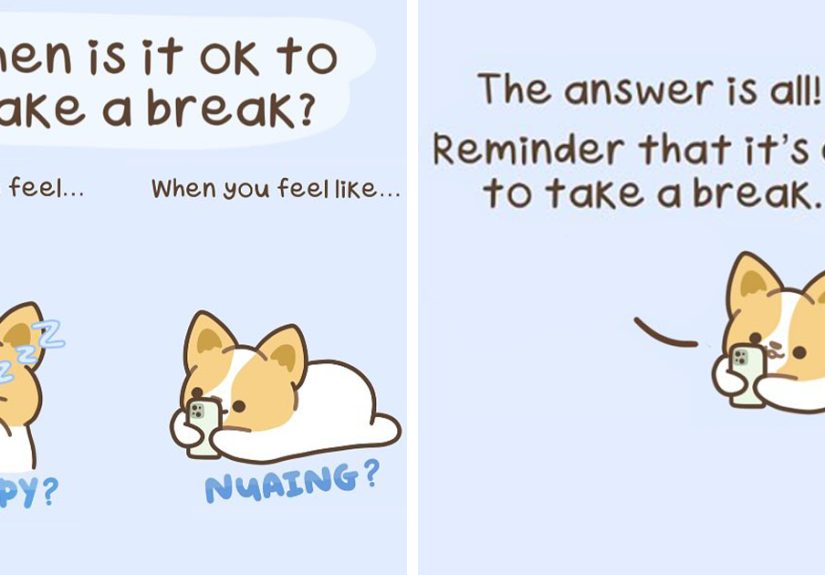
- 23) The “You’re Allowed to Rest” Permission Slip
- 24) The Small Celebration
- 25) The Friendship That Doesn’t Need Words
- 26) The Final “You’ve Got This” Look
- What You’ll Carry With You After the Last Panel
- of Reader-Like Experiences: Why This Series Sticks
- SEO Tags (JSON)
Some days you don’t need a motivational poster. You need a tiny corgi with a big heart, a round little body, and the emotional range of
“I would like to help you” to “I would like to nap on you.” That’s the magic of Corgiyolk, the heartwarming comic world
created by Singapore-based artist Sonia Yeo. Her playful corgi protagonist doesn’t just bounce through cute momentshe
collects small lessons the way dogs collect burrs: unintentionally, enthusiastically, and somehow with pride.
In a digital universe where doomscrolling has Olympic-level stamina, wholesome comics are the snack-sized antidote: quick to read, easy to share,
and surprisingly good at hitting you right in the feelings. Sonia Yeo’s comics lean into that comfort. They’re funny without being mean, sweet
without being syrupy, and thoughtful without wagging a finger. Think: a warm mug of cocoa, but in comic formand the cocoa is being guarded by a
corgi who believes every living thing deserves a little kindness (including the squirrel that definitely stole his snack).
Who Is Sonia Yeo and What Is Corgiyolk?
Sonia Yeo is the artist behind Corgiyolk, a cozy, feel-good comic series built around a lovable corgi character and the many
animal friends he meets. The tone is consistent: gentle humor, soft empathy, and those “oh no, why am I emotional about a cartoon dog?” moments.
While the art style stays approachable and cute, the themes are surprisingly groundedself-kindness, encouragement when you feel overwhelmed,
and the idea that being small doesn’t stop you from being brave (or from attempting to carry a stick that’s objectively three feet longer than you).
If you’re searching for wholesome comics, cute animal comics, or a corgi comic that doesn’t rely on sarcasm or shock,
Corgiyolk fits the bill. It’s the kind of webcomic you can share with your group chat, your sibling, your coworker, or your grandmaand nobody has
to ask, “Wait, is this secretly dark?” (It’s not. The darkest thing here is the corgi’s ability to disappear into a blanket and reappear as a burrito.)
Why a Corgi Makes the Perfect Wholesome Hero
Corgis are famously compact herding dogs: bright, lively, and built like a loaf of bread that decided it had places to be. That mixsmall body,
big confidenceis exactly why a corgi works so well in comics. The character can be adorable and determined in the same panel. He can sprint into a
situation like a tiny firefighter, then immediately get distracted by a leaf. Comedy gold.
Three reasons corgis “read” well on the page
- Expressive body language: From play-bows to wiggly excitement, dogs communicate in ways that translate beautifully into simple, readable drawings.
- Underdog energy: A small herder facing a big world is instantly relatableand instantly funny when the world includes a dramatic puddle.
- Built-in optimism: Even when they’re stubborn, corgis often feel like they’re trying their best. That “earnest effort” vibe is the foundation of wholesome humor.
How These Comics Deliver Comfort (Without Trying Too Hard)
A good wholesome webcomic doesn’t lecture you into feeling better. It simply offers a tiny window of reliefand lets your brain do the rest.
Sonia Yeo’s style works because it respects the reader’s day. The panels are clean and easy to scan. The jokes land quickly. The message is there
if you want it, but it doesn’t shout.
What the craft looks like in plain English
- Simple setups: A corgi meets an animal. Something small happens. You recognize the emotion immediately.
- Gentle punchlines: The “joke” is often a twist of kindnesssomeone gets included, forgiven, encouraged, or understood.
- Micro-lessons: Instead of big speeches, the comic leaves you with a small, usable thoughtlike a sticky note for your mood.
If you’ve ever wondered why feel-good cartoons can actually feel… good, it’s because they’re efficient. They deliver a short burst of
positive emotion (humor, warmth, recognition). And those little bursts are easier to absorb than a long pep talk when you’re tired.
26 Wholesome “Moments” That Feel Like Corgiyolk
Below are 26 wholesome comic-style moments inspired by the kinds of scenes Corgiyolk readers love: playful animal friendships, gentle humor, and
tiny reminders that you’re doing better than you think. Consider this a guided tour of the emotional neighborhood these comics live inno spoilers,
no copied panels, just the warm vibes and the storytelling patterns.
1) The “Hello, New Friend” Approach
The corgi meets a creature that looks totally differentbigger, stranger, maybe even a little intimidating. The corgi’s response? Curiosity first.
The wholesome punchline is that kindness is a universal language… even when the other animal’s face says, “I did not consent to social interaction.”
2) The Tiny Hero, Big Job Energy
The corgi decides to help. The task is clearly too large. The corgi tries anyway. The sweetness comes from effortnot perfection.
3) The Play-Bow Peace Treaty
When tension could happen, the corgi chooses play instead. The comic turns a potentially awkward moment into a gentle reset: “We can be okay.”
4) The “You Belong Here” Invite
An animal is left outtoo shy, too different, too slow, too anything. The corgi makes room without making a big deal. That’s the whole lesson.
5) The Snack That Becomes a Gift
The corgi has one snack. The corgi could eat the snack. The corgi shares the snack. Readers everywhere: emotionally compromised.
6) The Accidental Compliment
The corgi says something simple“You’re good at that”and it lands like a motivational speech because nobody expected it.
7) The “Small Steps Count” Walk
The corgi encourages a friend who’s struggling to keep up. Not with pressurejust with presence.
8) The Cloud-Watching Reset
Nothing big happens. That’s the point. The corgi models the radical act of noticing something peaceful and letting it be enough.
9) The Misunderstood Creature Reveal
The scary-looking animal turns out to be gentle. The corgi is like, “Yeah, I figured.” The reader: “I should stop judging people by their resting face.”
10) The “Brave Doesn’t Mean Loud” Moment
A quiet character does a hard thing. The corgi celebrates it like it’s hugebecause it is.
11) The Silly Dance of Emotional Support
When a friend is sad, the corgi does something ridiculous. Not to mockjust to lighten the air. It’s comedy as care.
12) The Gentle Boundary Lesson
The corgi learns (or reminds others) that “no” can be kind. Wholesome comics often show boundaries without turning anyone into a villain.
13) The “You’re Not Behind” Reminder
A friend compares themselves to others. The corgi reframes it: different paths, different paces, still worthy.
14) The Nature-Is-A-Teacher Panel
A small animal does a small thingresting, gathering, hiding, trying again. The corgi notices and learns. The reader does too.
15) The “Oops, I’m Anxious” Honesty
Someone admits they’re nervous. Nobody laughs at them. The corgi responds with warmth, not advice. That’s the medicine.
16) The Buddy System for Hard Days
The corgi doesn’t “fix” the day. He just stays nearby. Sometimes that’s the whole plotand it’s enough.
17) The Tiny Apology That Matters
A misunderstanding happens. The corgi owns it. The other character forgives. No dramatic villain arc, just emotional maturity in cartoon form.
18) The Surprise Teamwork Win
Different animals contribute different strengths. The corgi doesn’t need to be the star. Wholesome comics love shared victories.
19) The “I See You Trying” Validation
The corgi acknowledges effort that usually goes unnoticed. Readers tend to feel seen right along with the character.
20) The Gentle Joke About Being Small
The corgi gets teased (lightly), then turns it into pride. Short legs, big attitude, zero shame.
21) The Cozy Blanket Physics
A blanket becomes a cape, a cave, or a burrito wrapper. It’s comedy, yesbut also a tiny ritual of comfort.
22) The “Let’s Try Again Tomorrow” Ending
Some days don’t end perfectly. The comic doesn’t force a tidy bow; it offers hope and rest. That’s more believableand more helpful.
23) The “You’re Allowed to Rest” Permission Slip
The corgi models downtime as something earned by being alive, not by being productive. Wholesome, but also quietly revolutionary.
24) The Small Celebration
A tiny milestone gets a tiny party. The message: you don’t have to wait for huge achievements to feel proud.
25) The Friendship That Doesn’t Need Words
Two characters sit together in silence. The punchline is the absence of a punchlineand you realize how rarely the internet gives you that.
26) The Final “You’ve Got This” Look
The corgi offers encouragement that feels personal, even though it’s a drawing. That’s the power of a well-made wholesome comic:
it meets you where you are and leaves you a little lighter.
What You’ll Carry With You After the Last Panel
The best wholesome comics don’t just make you smile; they make it easier to be a person for the next five minutes. That’s a real
skill. Sonia Yeo’s Corgiyolk stylesoft humor, friendly animals, simple warmthworks because it’s practical. It doesn’t demand that you become a
brand-new version of yourself. It just offers small emotional tools:
- Kindness can be tiny: You don’t need a grand gesture. Sometimes “I’m here” is the whole gift.
- Play is not a waste of time: A little silliness can reset a heavy day.
- Different is not dangerous: Curiosity builds bridges faster than assumptions.
- Rest is part of living: Even corgis take breaks. Especially corgis.
- Encouragement matters: Simple words can land hard when someone needs them most.
If you came here because you love dog comics, you’ll leave with plenty of cozy inspiration. If you came because you needed something
gentle, you’ll likely leave with that too. And if you came because the internet told you “26 wholesome comics” and your brain went
“Yes, please,” then congratulations: your instincts are excellent.
of Reader-Like Experiences: Why This Series Sticks
Reading a set of wholesome Corgiyolk-style comics feels a little like stepping into a quiet room after being in a noisy crowd. You don’t realize
how tense you were until your shoulders drop. The panels are short, so your brain doesn’t have to “gear up” the way it does for a long article,
a serious video, or a complicated story. You get an instant sense of what’s happeningan animal encounter, a small emotion, a gentle twistand
your mind gets to exhale.
Many people end up saving these kinds of comics for specific moments: the five-minute break between tasks, the end of a long day, the “I can’t
focus and I don’t know why” slump, or the awkward in-between time when you’re waiting for something and your thoughts start doing backflips.
Wholesome animal comics are particularly good for those gaps because they don’t ask you to be smarter, faster, or more productive. They ask you
to be humanand maybe to laugh at a corgi who is extremely confident about a plan that will absolutely not work.
There’s also a strangely comforting feeling in watching kindness play out in miniature. Real life can be messy, and support doesn’t always show up
in a neat arc. In a small comic, the moment of care actually arrives: someone notices, someone includes, someone encourages, someone stays. That’s
not “fake.” It’s more like a rehearsal. You read it, you feel it, and later you’re a little more likely to offer the same gentleness to someone
elseor to yourself. Even if it’s just choosing a softer inner voice when you mess up.
Another experience people often have with series like this is the impulse to share. You’ll see a panel that matches a friend’s moodstressed,
lonely, overworked, doubting themselvesand instead of writing a big message (which can feel hard), you send a comic. It says “I’m thinking of you”
without making it heavy. It’s emotional shorthand, but in a good way: warm, simple, and safe.
And then there’s the corgi factor. A playful corgi character is basically a walking reminder not to take everything so seriously. Corgis look like
they’re built for joy: short legs, determined trot, a face that says “I’m here to help” even when they’re just here to snack. That kind of mascot
turns the whole comic world into a friendly place. When you return to it, you’re not bracing for drama. You’re expecting comfortand it delivers.
That reliability is part of why readers stick around: the comics become a tiny routine, like a daily stretch or a warm drink, except your warm drink
has paws and strong opinions about nap locations.