Table of Contents >> Show >> Hide
- Meet the Outlaw Schmitz Dutch Oven: art object, working pot
- Why cast iron makes food taste like you tried harder than you did
- The “by way of SF” origin story: Workshop Residence to an Oakland foundry
- What makes it “the most beautiful” (besides the obvious bragging rights)
- How to season it without turning your kitchen into a smoke-themed art installation
- What to cook first: recipes that flatter a 3-quart cast-iron Dutch oven
- How it compares to the famous enameled Dutch ovens (Le Creuset, Staub, and friends)
- Care tips that keep it beautiful (and keep you from learning regret)
- So… is it worth chasing the “world’s most beautiful” Dutch oven?
- Experiences: living with a truly beautiful Dutch oven (500-ish words of real-life vibes)
Most Dutch ovens are gorgeous in the way a boulder is gorgeous: elemental, dependable, and quietly judging your weak
forearms. But every once in a while, one shows up that looks less like “kitchen equipment” and more like “museum
piece that also makes chili.”
Enter the Outlaw Schmitz cast-iron Dutch ovena small-batch, Bay Area–made pot that emerged from
a San Francisco creative incubator and was cast across the bridge in Oakland. It’s the kind of object that makes
you want to cook slower, plate prettier, and casually leave it on the stove at all times like it’s a sculpture
that happens to braise.
In this piece, we’ll look at what makes this Dutch oven so visually arresting, what its raw-cast-iron design means
for real-world cooking, how it compares to the big enameled icons, and how to care for it so it stays beautiful
long after your “I’ll just make a quick stew” turns into a three-hour lifestyle choice.
Meet the Outlaw Schmitz Dutch Oven: art object, working pot
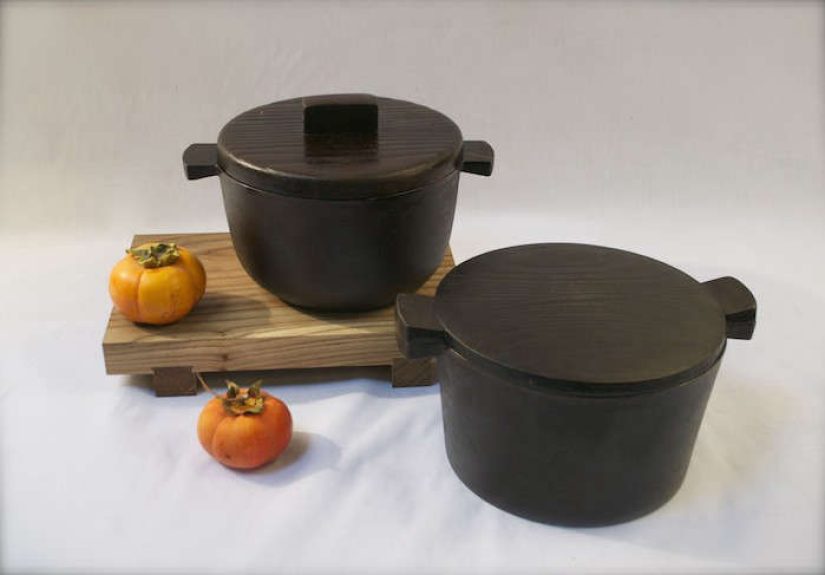
The Outlaw Schmitz Dutch ovens were created by sculptor Gay Outlaw and woodworker
Bob Schmitz through Workshop Residence, a San Francisco space known for pairing
artists/designers with local fabricators to create functional objects that still feel like design statements.
The result is a Dutch oven that sits comfortably between utility and gallery-worthy form.
Here are the details that matter most for cooks (and the friends you’ll corner at dinner parties):
- Capacity: 3 quartsperfect for smaller households, sides, beans, rice, sauces, or a compact braise.
- Shapes: available with a rounded or squared bottom (and matching lid styles).
- Lid detail: a cast-iron lid with a wood-grain patterna tactile surprise you notice every time you pick it up.
- Material story: cast in sand in small batches at AB&I Foundry in Oakland using 99% recycled iron.
- Finish: shipped lightly oiled (canola) and meant to be seasoned before you cook.
- Price (at the time it was featured): positioned as a premium, small-batch piece rather than a mass-market workhorse.
Translation: this isn’t an enameled “wipe-clean and move on” cocotte. It’s raw cast ironmeant to build patina,
develop seasoning, and get better with use. In other words, it’s not just pretty; it’s the kind of pretty that
ages like leather boots, not like a white sofa.
Why cast iron makes food taste like you tried harder than you did
A Dutch oven’s magic isn’t mysterious; it’s physics with a side of aromatics. Cast iron holds heat well and stays
steady, which helps with:
- Searing: stable heat encourages browning and fond (a.k.a. the flavor bits you pretend were intentional).
- Braising: gentle, even heat plus a lid that traps moisture turns tough cuts into tender ones.
- One-pot meals: you can brown, sweat aromatics, simmer, and finish in the oven in the same vessel.
- Bread baking: the heavy pot mimics a steam-injected oven, helping loaves rise and crisp.
Food publications that test cookware over and over tend to agree on the broad hierarchy: premium enameled cast iron
(think the French icons) performs beautifully and lasts for decades when cared for, while more affordable enameled
options can cook well but may be more prone to chipping over time. Raw cast iron, meanwhile, rewards people who
enjoy a little maintenance (and the smug satisfaction of saying, “Oh, it’s seasoned”).
The “by way of SF” origin story: Workshop Residence to an Oakland foundry
Plenty of cookware is “designed somewhere” and “made somewhere else.” The Outlaw Schmitz story is refreshingly
local and hands-on. Workshop Residence in San Francisco exists to turn collaborations into objects you can use
every day, and this Dutch oven is a perfect example: two makers working in a new material, learning foundry
constraints, and landing on forms that look intentional from every angle.
The casting took place at AB&I Foundry in Oaklandan industrial anchor with deep Bay Area roots. That matters
aesthetically as much as practically: sand casting leaves a sense of “made-ness” you don’t get from ultra-slick
factory finishes. It’s not rough; it’s honest. Like seeing brush strokes in a painting and realizing the artist
is a real person, not a printing press.
What makes it “the most beautiful” (besides the obvious bragging rights)
1) The lid that looks like wood, but isn’t
The wood-grain pattern on the cast-iron lid is the detail that stops people mid-sentence. It’s a wink from a
woodworker working in metal, and it gives the piece a tactile quality most cookware ignores. You don’t just hold
the lid; you notice it.
2) A silhouette that feels architectural
The choice between round and squared bottoms isn’t just quirkyit changes the visual language of the pot.
Round reads classic and soft; squared reads modern and slightly bold. Either way, it’s composed. It looks like it
belongs in a well-designed kitchen even when your counters are covered in “I swear this is mise en place.”
3) A finish that invites patina, not perfectionism
Enameled Dutch ovens can feel like you’re babysitting a glossy sports car. Raw cast iron is more like owning a
vintage truck: it can take a beating, it improves with care, and every mark tells a story. Beauty here isn’t
pristinebeauty is lived-in.
How to season it without turning your kitchen into a smoke-themed art installation
Because the Outlaw Schmitz Dutch oven is raw cast iron, seasoning is the deal. It arrives lightly oiled and is
meant to be pre-seasoned before cookingthink of it as the pot’s “calibration.” The original guidance calls for a
long, low bake to set that first layer.
A practical preseasoning approach
-
Wash and dry thoroughly: Use warm water and a little soap if needed, then dry completely
(towel + a brief warm-up on the stove helps chase off moisture). -
Apply a thin coat of oil: Neutral oils work well. The key is thinwipe until it looks
like you wiped it all off. (You didn’t. That’s the point.) -
Bake: Place it in the oven for an extended bake to polymerize the oil into a protective layer.
Ventilate your kitchen and be patient. -
Cool slowly: Let it cool in the oven or on the stove. Sudden temperature swings are a recurring
villain in cast iron lore.
After that first round, regular cooking becomes your seasoning routine. Sauté onions, roast chicken thighs, fry
potatoesfat plus heat plus repetition is how cast iron earns its reputation.
What to cook first: recipes that flatter a 3-quart cast-iron Dutch oven
Three quarts is a sweet spot for “small but serious.” You won’t make soup for a whole soccer team, but you will
make dinner that feels intentional. A few ideas:
Beans that taste like you read a book about beans
Start with dried beans, aromatics, and a glug of olive oil. Gentle, steady heat makes them creamy without turning
them into bean confetti.
Short braises for weeknights
Chicken legs with lemon and herbs, pork shoulder chunks with chiles, or a small pot roast for two. Brown first,
deglaze, add liquid, lid on, oven finish. The Dutch oven is built for this exact plotline.
Stovetop-to-oven mac and cheese
Make your béchamel and pasta on the stove, then top and bake. Cast iron gives you steady heat and a gratifying
browned edge without fuss.
Shakshuka for people who like drama before noon
Simmer spiced tomato sauce, crack in eggs, cover briefly, and serve with bread. (If your seasoning is new, keep
acidic cooks shorter at first so the finish can build strength.)
A small, crusty loaf
The heavy lid and walls help trap steam, which is why Dutch-oven bread has that “bakery” crust. A 3-quart pot is
ideal for smaller boules that won’t overwhelm your counteror your ego.
How it compares to the famous enameled Dutch ovens (Le Creuset, Staub, and friends)
If you’ve ever gone Dutch-oven shopping, you know the landscape: iconic enameled cast iron in a rainbow of colors,
serious performance testing by food publications, and a price range that can swing from “reasonable splurge” to
“should I finance this?”
Enameled cast iron: the low-maintenance superstar
Enameled Dutch ovens (like the French heavyweights) don’t require seasoning and handle acidic foods easily. They’re
a go-to for tomato-based braises, soups, and stews, and they clean up with less ritual. Many are also designed for
oven-to-table serving, and some are rated to high oven temperatures.
Raw cast iron: the heirloom that wants a relationship
Raw cast iron is tougher in certain waysno enamel to chipbut it asks you to participate. You’ll think about
drying it, oiling it lightly, and avoiding long acidic simmers while the seasoning is young. In return, you get a
surface that improves with use and a look that becomes uniquely yours.
Performance reality check
In cookware tests, the best enameled Dutch ovens consistently win on even heating, durability, and user-friendly
design details (wide handles, snug lids, resilient enamel). But “best in test” isn’t the same thing as “best for
you.” The Outlaw Schmitz Dutch oven is smaller, more sculptural, and more artisanalless about mass-optimized
ergonomics and more about owning something with a point of view.
Think of it this way: if an enameled Dutch oven is a luxury sedan engineered to make everything easy, the Outlaw
Schmitz is a beautifully restored classiccapable, distinctive, and guaranteed to start conversations.
Care tips that keep it beautiful (and keep you from learning regret)
Whether you’re Team Enameled or Team Seasoned, Dutch ovens reward steady, sensible care. Here’s what matters most,
especially if you want your pot to outlive your current kitchen trend cycle:
1) Avoid extreme temperature swings
Sudden changeslike taking a hot pot and introducing cold watercan cause cracking in enamel and can be generally
unkind to heavy cookware. Let it cool a bit before washing, and warm it gradually when heating.
2) Use reasonable heat
Cast iron retains heat so well that “high” is often unnecessary. Low-to-medium preheating is typically the move,
with higher heat used deliberately for searing rather than habit.
3) Dry thoroughly and protect the surface
For raw cast iron: dry it completely and apply a whisper-thin coat of oil now and then, especially if you’re in a
humid climate or storing it for a while.
4) Treat seasoning like a living thing
Early on, avoid long, acidic braises. Once the seasoning is established, your range expands. If something sticks,
don’t panicclean gently, dry, oil lightly, and keep cooking.
So… is it worth chasing the “world’s most beautiful” Dutch oven?
If your main goal is a one-and-done, low-maintenance pot that aces every test and shrugs off tomato sauce for the
next 30 years, the best enameled Dutch ovens are tough to beat. They’re famous for a reason.
But if you want a Dutch oven that feels like a piece of Bay Area design historyborn from a San Francisco
collaboration, cast in Oakland from mostly recycled iron, and finished in a way that invites patinathen the Outlaw
Schmitz is in a different category. It’s not merely cookware; it’s cookware with provenance.
And that’s the secret sauce: you’re not just buying a pot. You’re buying the story you get to tell every time you
lift the lid. Preferably while something delicious is happening underneath.
Experiences: living with a truly beautiful Dutch oven (500-ish words of real-life vibes)
The first experience with a Dutch oven like this isn’t even cookingit’s the moment you realize you’ve been
treating cookware like it should be invisible. A sculptural pot flips that script. You set it on the stove “just
for now,” and two days later it’s still there, because it makes the whole kitchen look more intentional. It’s the
same energy as keeping fresh flowers on the table, except these flowers weigh several pounds and can braise lamb.
Then comes seasoning, which feels a little like adopting a very quiet pet. You clean, dry, oil, wipe, and wonder
if you’ve wiped too much. (You haven’t. Probably.) The oven warms up, the oil bakes in, and the kitchen smells
faintly like “old-school diner” in the best way. There’s a low-level satisfaction in doing a small ritual that
pays you back laterlike sharpening a knife, but with more dramatic results.
Cooking in a smaller, 3-quart Dutch oven changes how you plan meals. You stop thinking in bulk and start thinking
in “just enough to be excellent.” A pot of beans becomes a deliberate weeknight luxury. A half-recipe braise feels
like a secret restaurant trick. You’ll also notice how often you reach for it as a default tool: blooming spices,
sweating onions, toasting rice before adding broth. The weight encourages you to slow down, and weirdly, that makes
dinner feel fasterless frantic, more inevitable.
The beauty part sneaks into the food, too. When cookware looks special, you’re more likely to do the small steps
that elevate a dish: browning properly instead of rushing, reducing a sauce until it clings, finishing with herbs
instead of shrugging and calling it “rustic.” Even cleanup becomes less annoying because it feels like caring for a
thing you chose on purpose, not a disposable tool you tolerate. A quick scrub, a thorough dry, a touch of oiland
you’re done.
And yes, there’s a social experience: people ask about it. They pick up the lid, feel the wood-grain texture, and
suddenly you’re talking about foundries and recycled iron like you have a minor in industrial design. The pot
becomes a conversation starter that doesn’t require you to bring up your sourdough starter (unless you want to).
It’s rare for a kitchen object to be both deeply practical and genuinely charismatic, but when it happens, you
don’t just cook moreyou host more, share more, and keep the pot out where it can keep doing its quiet work.