Table of Contents >> Show >> Hide
- Spider Veins 101: What They Are (and What They Aren’t)
- When to See a Professional (Even If You Mostly Care About Looks)
- Professional Treatments That Actually Remove or Fade Spider Veins
- Home Treatment: What Helps (and What Doesn’t)
- How to Choose the Right Treatment Plan
- Keeping Your Results: Prevention Without Becoming a Monk
- FAQ: Quick Answers to Common Spider Vein Questions
- Real-World Experiences (What It’s Like to Deal With Spider Veins)
- Experience #1: “I Thought It Was Just Cosmetic…Until My Legs Felt Heavy Every Day”
- Experience #2: “Post-Pregnancy Spider Veins and the ‘When Do I Have Time for This?’ Problem”
- Experience #3: “Facial Spider Veins and the Laser Learning Curve”
- Experience #4: “I Did the Procedure…Then Went Back to My Old Habits”
Spider veins are the body’s way of doodling tiny purple road maps on your skinusually on the legs, sometimes on the facewithout asking your permission.
The good news: they’re common, usually harmless, and modern treatments can fade or remove many of them. The “reality check” news: creams and hacks won’t
erase established spider veins like a magic whiteboard marker. But a smart combo of professional treatment plus home habits
can significantly improve how they look and help prevent new ones from popping up.
This guide breaks down what actually works (and what’s mostly wishful thinking), how to choose the right option, what to expect during and after treatment,
and how to protect your resultswithout turning your life into a compression-stocking reality show.
Spider Veins 101: What They Are (and What They Aren’t)
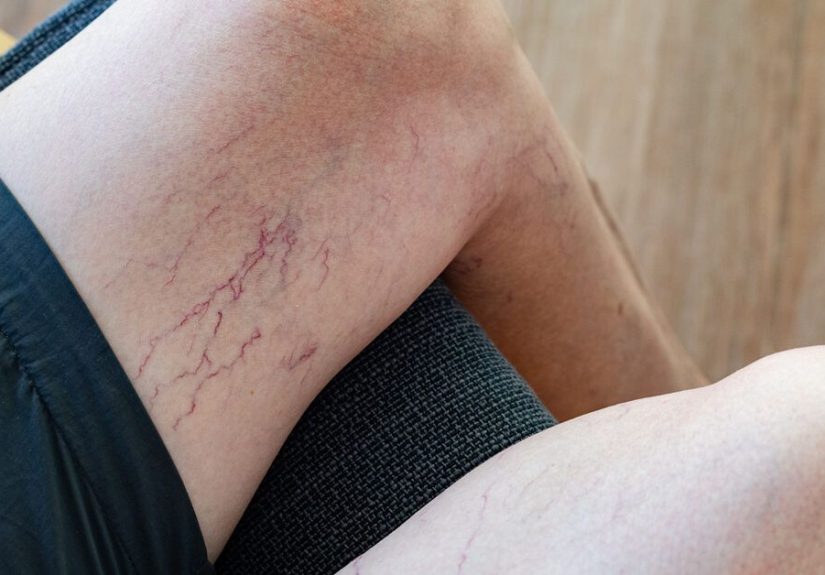
Spider veins (often called telangiectasias) are small, widened blood vessels close to the skin’s surface.
They can look red, blue, or purple and may branch like a web or a tiny tree. They’re different from varicose veins, which are typically larger,
bulging, and more likely to be tied to valve problems in deeper veins.
Why do spider veins show up?
Think of your veins like a one-way escalator for blood traveling back to your heart. When circulation is challengedby genetics, hormones, pregnancy,
long hours standing or sitting, aging, weight changes, or sun damage (especially on the face)those small surface vessels can become more visible.
Sometimes spider veins are mostly cosmetic; other times, they can be a clue that there’s an underlying circulation issue (like venous insufficiency) that
deserves a proper medical look.
When to See a Professional (Even If You Mostly Care About Looks)
Many spider veins are a cosmetic concern only. But it’s worth getting evaluatedespecially by a dermatologist, vascular specialist, or vein clinic with medical
credentialsif you have symptoms or signs that suggest a deeper vein problem.
Make an appointment sooner if you notice:
- Leg aching, heaviness, burning, or cramping that worsens after standing
- Swelling in the ankles or lower legs
- Skin color changes, itching, thickening, or slow-healing sores near the ankles
- Bleeding from a vein, or veins that become hard, tender, or inflamed
- Sudden one-leg swelling or pain (urgentrule out a clot)
A professional exam may include a history, physical exam, and sometimes a duplex ultrasound to check blood flow and valve function.
This matters because treating the visible veins without addressing an underlying reflux problem can lead to disappointing “whack-a-mole” recurrence.
Professional Treatments That Actually Remove or Fade Spider Veins
If you want spider veins gone (not merely “less annoying”), professional treatment is the main path. Your best choice depends on where the veins are,
their size, your skin tone, whether you have underlying venous disease, and your tolerance for needles, lasers, and the occasional dramatic compression sock.
Sclerotherapy (the go-to for leg spider veins)
Sclerotherapy is often considered the first-line treatment for many spider veins on the legs. A clinician injects a solution (the “sclerosant”)
into the targeted veins. The solution irritates the vein lining so it collapses, seals, and eventually fades as the body reabsorbs it.
What it’s like: It’s usually an in-office procedure. Sessions are relatively quick, and you typically walk out afterward.
Many people need multiple treatments, especially if they have lots of veins or larger clusters.
How fast you see results: You may notice improvement within weeks, but full results can take longer. Many providers recommend spacing sessions out,
because veins keep fading over time after treatment.
Common aftercare tips (often recommended)
- Wear compression stockings for a set period after treatment (your clinician will specify).
- Keep movingwalking is usually encouraged to support circulation.
- Avoid heavy workouts and hot baths/saunas for a short window if your provider advises it.
- Expect mild bruising, tenderness, or temporary discoloration in treated areas.
Potential side effects: Mild swelling, bruising, redness, and temporary skin discoloration can happen. Rare complications are possible,
which is one reason it’s smart to choose a qualified medical professional and follow instructions closely.
Laser or Light Therapy (great for small veins and facial spider veins)
Laser therapy uses focused light to heat and damage the targeted vessel so it collapses and fades. This is often used for smaller spider veins,
especially on the face, or for veins that are too tiny to inject easily.
What it’s like: No injections into the vein itself, which is a win for needle-avoiders. You may feel quick snaps or a warming sensation.
Some veins fade quickly; others need multiple sessions over several weeks.
Skin tone considerations: Laser settings and device choice matter. People with darker skin tones may have a higher risk of temporary pigment changes
from certain lasers if not properly selected and performedanother reason to choose a clinician experienced with a range of skin tones.
What if spider veins are a sign of deeper vein trouble?
If you also have varicose veins, significant symptoms, or ultrasound-confirmed reflux, the plan may start with treating the underlying problem.
Depending on your situation, options may include endovenous thermal ablation (laser or radiofrequency techniques), or other procedures designed
to close malfunctioning veins so blood reroutes through healthier pathways. Once the “root cause” is managed, surface spider vein treatment often works better
and lasts longer.
What about “vein removal” procedures?
For larger problem veins (more in varicose territory), clinicians may use minimally invasive techniques that remove or close segments of vein through tiny
incisions or catheter-based methods. If your veins are truly spider-sized, you usually won’t need anything that dramaticbut it’s useful to know the menu exists
when the diagnosis is more complex than it looks in the mirror.
Home Treatment: What Helps (and What Doesn’t)
Here’s the honest truth: home care usually won’t erase spider veins that already exist. But home strategies can:
(1) reduce symptoms like heaviness or swelling, (2) slow progression, and (3) support better results
after professional treatment.
Compression stockings (the unglamorous MVP)
Compression stockings gently squeeze the legs to help blood flow upward. They can reduce swelling and discomfort and may be recommended both for everyday symptom
management and after procedures. The key is proper fit and consistent use“I wore them once during laundry day” doesn’t count as a regimen.
Move more, sit/stand less
If your day involves long stretches at a desk or on your feet, set a simple rule: change position regularly.
Short walking breaks help calf muscles pump blood upward. Even ankle circles and heel raises can help when you’re stuck in one place (meetings, flights,
and the eternal line at the coffee shop).
Elevate your legs
Elevating your legs above heart level (when possible) can reduce pooling and pressure. You don’t need to live upside down like a batjust give your legs a
gravity-assisted break when you can.
Weight management, footwear, and heat
- Weight changes: Maintaining a healthy weight may reduce pressure on leg veins.
- Footwear: Shoes that allow your calves to work naturally (and not just suffer fashion bravely) can help support circulation.
- Heat: Prolonged hot baths/saunas can dilate vessels temporarily. If you’re prone to vein issues, moderation helps.
Sun protection (especially for facial spider veins)
Sun exposure can make facial blood vessels more visible over time. Daily sunscreen and gentle skin care won’t remove existing facial spider veins, but it can
help prevent additional damage and new visible vessels.
Topical creams, supplements, and “miracle hacks”: proceed with caution
Many creams claim to “erase spider veins,” but topical products generally can’t reach and remodel the actual vessel structure the way medical treatments do.
Some ingredients may temporarily reduce redness or improve skin appearance, but they’re not the same as removing the vein.
Supplements marketed for “vein health” vary in evidence and safetycheck with a clinician before starting them, especially if you take medications or have
clotting risks.
Cosmetic camouflage (because life is busy)
If you’re not ready for procedures, body makeup or self-tanner can reduce contrast and make veins less noticeable. It’s not a medical fix, but it can be a
confidence fixsometimes that’s worth something, too.
How to Choose the Right Treatment Plan
A good plan matches the vein type to the right tool:
- Leg spider veins (most common): often sclerotherapy first; laser may be used for very fine veins or specific cases.
- Facial spider veins: often laser/light therapy.
- Spider veins + symptoms or varicose veins: consider an evaluation for venous insufficiency and treat underlying reflux if present.
Questions to ask at your appointment
- Do you think I need an ultrasound to check for underlying venous insufficiency?
- Which option do you recommend for my veins, and why?
- How many sessions do people like me usually need?
- What side effects are most common, and what would be considered urgent?
- What aftercare do you recommendespecially compression and activity?
- What are the total costs (per session and overall), and is any part covered by insurance?
Insurance note: Spider vein treatment is often considered cosmetic and may not be covered. But if you have medically significant symptoms,
skin changes, ulcers, or documented venous disease, some treatments may be considered medically necessary. Documentation and ultrasound results can matter.
Keeping Your Results: Prevention Without Becoming a Monk
Even after successful treatment, new spider veins can developbecause your genetics and daily habits don’t retire just because you had a procedure.
The goal is to reduce pressure and support circulation:
- Use compression when you’ll be standing or sitting for long periods (work shifts, travel days).
- Walk regularly; strengthen calves and legs to support the “muscle pump.”
- Elevate legs when you can.
- Manage weight and prioritize movement breaks.
- Protect facial skin from sun exposure.
FAQ: Quick Answers to Common Spider Vein Questions
Do spider veins go away on their own?
Usually, established spider veins don’t fully disappear without treatment. Some may fade slightly over time, but most persist once they’ve formed.
Is sclerotherapy or laser better?
It depends on the vein location and size. Sclerotherapy is commonly used for leg spider veins, while laser/light therapy is often used for facial spider veins
and very tiny vessels that are difficult to inject. A qualified clinician can match the method to your specific veins.
Is treatment painful?
Most people describe mild discomfort: small needle pricks for sclerotherapy and brief snapping/warm sensations for lasers. Pain tolerance varies, but these are
generally outpatient procedures with quick recovery.
Will they come back?
Treated veins often fade significantly, but new spider veins can develop over timeespecially if risk factors remain. Maintenance habits and addressing any
underlying venous insufficiency can reduce recurrence.
Real-World Experiences (What It’s Like to Deal With Spider Veins)
To make this more than a list of treatments, here are a few real-world-style experiences people commonly report (names and details generalized to protect privacy).
If you’ve been staring at your legs in harsh bathroom lighting thinking, “Is this new? Was it always there? Did my mirror just get meaner?”you’re not alone.
Experience #1: “I Thought It Was Just Cosmetic…Until My Legs Felt Heavy Every Day”
One common story starts with appearancethin purple lines near the ankles or calvesbut shifts when symptoms show up. People who stand all day (teachers,
nurses, retail workers, event staff) often describe a heavy, achy feeling by late afternoon. They try the usual first: more water, stretching, rubbing lotion
on their legs like that will convince the veins to behave. When symptoms stick around, the best turning point is typically a proper evaluation.
In many cases, the clinician checks for underlying venous issues and recommends a plan: compression for daily comfort, walking breaks at work, and then
sclerotherapy sessions for visible spider veins. A frequent “surprise” is how much compression helps day-to-dayno, it’s not glamorous, but neither is feeling
like your calves are made of wet sand at 6 p.m.
Experience #2: “Post-Pregnancy Spider Veins and the ‘When Do I Have Time for This?’ Problem”
Pregnancy and postpartum life can bring spider veins on the legs (thanks, hormones and circulation changes), and many people don’t prioritize treatment until
months laterbecause sleep is a myth and free time is a conspiracy. A common path is starting with home strategies: short walks with the stroller, elevating
legs whenever the baby finally naps, and wearing compression on long days. When they do pursue treatment, sclerotherapy is often chosen for leg veins,
with the realistic expectation that multiple sessions may be needed. The most consistent feedback is that the procedure itself is quicker than anticipated,
but the follow-through (wearing compression as instructed, showing up for follow-ups) is what separates “nice improvement” from “why did I even do this?”
Experience #3: “Facial Spider Veins and the Laser Learning Curve”
Facial spider veins can feel extra unfair because they’re right therefront and centeron video calls and selfies. People often try makeup tricks first,
then realize certain vessels always peek through. Laser therapy is a common choice here. The experience tends to be: quick appointments, a sensation like
tiny rubber-band snaps, mild redness afterward, and then gradual fading. The biggest “aha” moment is learning that one session may help, but multiple sessions
are sometimes needed. The second “aha” is sunscreendailybecause protecting the skin helps prevent more visible vessels from developing over time.
Experience #4: “I Did the Procedure…Then Went Back to My Old Habits”
This is the cautionary tale, and it’s extremely normal. Someone gets sclerotherapy, sees improvement, celebrates, and then returns to eight-hour desk days
without movement breaks, long hot baths, and zero compression on travel days. Months later, new veins appear. The lesson isn’t “treatment doesn’t work.”
It’s that veins respond to pressure and time. People who keep results longest usually do a few boring-but-effective things: walk regularly, take quick breaks,
elevate legs when they can, and use compression strategically (work shifts, flights, long events). It’s not about perfection. It’s about not making your veins
do endurance sports every day while you give them no support.
If you take anything from these experiences, let it be this: spider vein treatment works best when you treat it like a plan, not a one-time wish.
The procedures can fade the veins you seeand lifestyle habits help reduce the odds of new ones joining the party uninvited.