Table of Contents >> Show >> Hide
- Why Stories Like This Resonate So Deeply
- What Scar Tissue Actually Means for Tattoo Decisions
- Can Tattoos and Scar Tissue Mix Safely?
- A Tattoo Is Not Therapy But Meaning Still Matters
- Better Questions to Ask Before Body Art
- Alternatives That May Help Before Making a Permanent Decision
- The Real Takeaway
- Additional Experiences and Perspectives Related to the Topic
- Conclusion
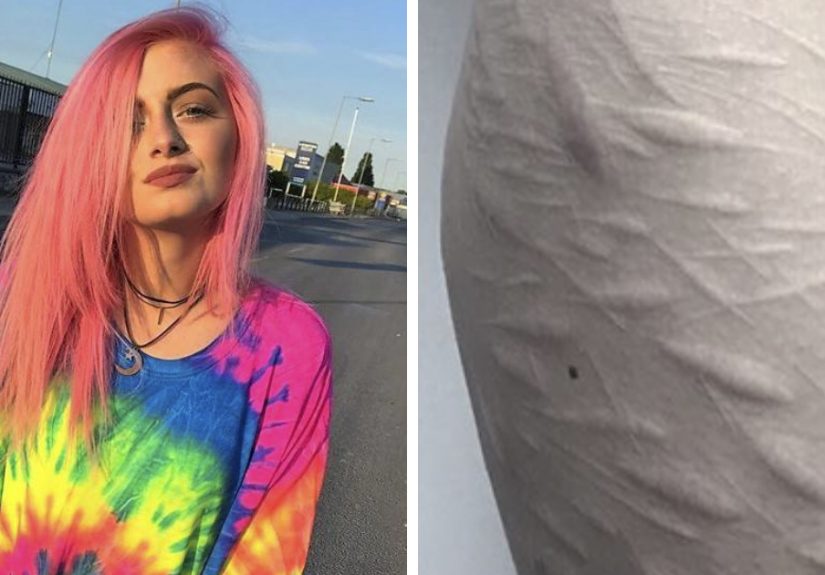
Sometimes a headline sounds like the ending of a movie: a young adult meets a talented tattoo artist, books a consultation, and finally feels hopeful about their skin again. That kind of story gets clicks because it feels neat, visual, and emotionally satisfying. But real life is usually messier and more important than a neat before-and-after moment.
When someone with old scars starts thinking about tattoos, the conversation should not begin with aesthetics alone. It should begin with healing, timing, safety, and emotional readiness. A tattoo can be meaningful. It can mark a chapter change. It can help a person feel more at home in their body. But it is not a magic eraser, not a therapy substitute, and definitely not something to rush just because the internet loves a dramatic transformation story.
This is the bigger truth behind headlines like this one: the real story is not about hiding the past. It is about deciding what kind of future feels healthy, safe, and honest. That decision deserves more than a viral caption and a ring light. It deserves nuance.
Why Stories Like This Resonate So Deeply
Scar-related stories strike a nerve because scars are never just physical. They can carry memory, shame, resilience, grief, survival, and sometimes all of those things before lunch. For many people, visible scars become part of how they imagine others see them. Even when no one says a word, a person may still feel watched, judged, or reduced to their hardest chapter.
That is why body art can seem powerful. Tattoos are intentional. Scars are usually not. A tattoo may represent choice, authorship, and design. For someone who has spent years feeling disconnected from a part of their body, the idea of replacing randomness with meaning can feel deeply personal.
And yet, the emotional appeal of a tattoo can sometimes outrun the practical reality. Scar tissue behaves differently than unscarred skin. Results may vary. Ink may settle unevenly. Raised or textured areas may heal differently. People who are prone to keloids or other abnormal scar patterns may face added risk. In other words, skin does not always read the inspirational script the internet wrote for it.
What Scar Tissue Actually Means for Tattoo Decisions
Scar tissue is the body’s repair material. It forms when deeper layers of skin heal after injury or inflammation. Some scars end up flat and pale over time. Others stay thick, raised, itchy, tender, or darker than the surrounding skin. That variety matters because tattooing is not happening on a blank canvas. It is happening on skin that may still be changing.
In practical terms, that means a scar should be fully healed and mature before anyone even thinks seriously about tattooing in that area. Mature scars are generally more stable in texture and color than newer scars. If a scar is still changing, the final tattoo result can be unpredictable. Even worse, the process may irritate skin that is not ready for more trauma.
That is one reason dermatologists and plastic surgery experts often emphasize patience around scar treatment. Scar appearance can continue evolving for many months, sometimes longer than people expect. Waiting may not be glamorous, but neither is paying for art on skin that is still rewriting its own chemistry.
Can Tattoos and Scar Tissue Mix Safely?
The careful answer is: sometimes, but not casually. A licensed tattoo artist may be comfortable working near or on certain mature scars, but that does not mean every scar is a good candidate. Raised scars, unstable scars, painful scars, or areas with a history of keloids deserve extra caution. In some cases, a dermatologist or other qualified medical professional should weigh in before the tattoo appointment ever gets booked.
There are also standard tattoo risks that matter even more when the skin is already vulnerable. Infection is one concern. Allergic reactions to ink are another. Some skin reactions happen right away, while others can appear later. Poor aftercare can complicate healing, but even perfect aftercare cannot guarantee that the body will cooperate like a polite customer in a spa commercial.
Then there is the visibility problem nobody talks about enough: tattoos can make skin changes harder to track. That matters for long-term skin monitoring. If a tattoo sits over an area that changes color, texture, or shape, it may be more difficult to notice what is going on. A good artist knows their lane. A great artist also knows when to say, “This needs a medical opinion first.”
Green Flags in a Responsible Tattoo Conversation
A thoughtful conversation sounds less like “Don’t worry, I can fix that” and more like “Let’s slow down and see whether this skin is ready.” Responsible professionals do not promise identical results to a photo online. They do not pressure someone who seems emotionally overwhelmed. They do not treat a deeply personal decision like a same-day sale on sneakers.
Good signs include clear hygiene standards, licensing where required, honest talk about uncertainty, and a willingness to decline work that does not feel safe. That may not be the most cinematic part of the story, but it is usually the smartest.
A Tattoo Is Not Therapy But Meaning Still Matters
Here is where the conversation needs both compassion and honesty. Tattoos can absolutely carry healing meaning. A person may choose art that reflects survival, growth, faith, identity, family, or simply beauty. That meaning is real. But a meaningful tattoo and emotional recovery are not the same thing.
If someone is still actively struggling, still feeling intense urges to harm themselves, or still using body change as a way to manage emotional pain in the moment, a tattoo decision may need to wait. Not forever. Just until the choice feels grounded rather than urgent.
That pause is not punishment. It is protection.
Real recovery usually looks less dramatic than social media suggests. It may involve therapy, support groups, medication, better coping strategies, trusted adults, or slow improvements in daily routines. It may also involve setbacks. The most hopeful version of this story is not “a tattoo erased everything.” It is “a person got support, became steadier, and made a body-art decision from a healthier place.”
Better Questions to Ask Before Body Art
Instead of asking, “How fast can I transform this?” a more useful question is, “Why do I want this, and why now?” Motivation matters. Some people want a tattoo because they love art and feel ready to reclaim a part of their body. Others are chasing immediate relief from shame, panic, or self-consciousness. Those are not the same emotional starting points.
Helpful questions include:
- Has this area been fully healed and stable for a long time?
- Do I have a history of raised scars or keloids?
- Have I talked with a medical professional if the scar tissue is unusual, painful, or changing?
- Would I still want this design six months from now?
- Am I making this choice from self-respect, or from distress?
That last question may be the hardest one, but it is often the most revealing. Bodies remember urgency. Recovery learns patience.
Alternatives That May Help Before Making a Permanent Decision
Not everyone who is uncertain needs to jump straight to a tattoo consultation. Some people benefit from a different first step. Scar care under medical guidance may improve appearance or texture. Some may explore body-neutral styling choices, temporary art, or simply learning to tolerate visibility without changing the skin right away. Others may realize the most urgent need is not cosmetic at all it is emotional support.
For anyone who feels distressed about old scars or worried about current urges, talking to a licensed mental health professional can be far more useful than chasing an aesthetic fix. Support from a trusted adult, doctor, therapist, or crisis resource can help address the underlying pain rather than just the surface story. That may sound less Instagram-friendly, but it is usually far more life-friendly.
And yes, sometimes the bravest move is not booking the appointment. Sometimes it is canceling it. Sometimes it is waiting. Sometimes it is choosing art later, after the harder healing work has already begun.
The Real Takeaway
The phrase “a young adult found a tattoo artist” sounds like the ending of the story, but it is usually just one scene. The more meaningful story is about agency, support, and making decisions that do not put short-term relief ahead of long-term well-being.
A tattoo can be beautiful. It can be symbolic. It can become part of a person’s next chapter. But the healthiest version of that decision happens when the skin is ready, the mind is steadier, and the choice is made from care rather than desperation.
That is the version worth publishing. Not the fantasy that body art can erase pain, but the truth that healing deserves time, honesty, and expert guidance. Recovery may not always look dramatic, but it is still the most powerful transformation in the room.
Additional Experiences and Perspectives Related to the Topic
People who talk publicly about scars and tattoos often describe a surprisingly similar emotional arc. First comes hyper-awareness. They notice the area in mirrors, in changing rooms, in family photos, in summer clothes, and in every casual moment when someone glances a little too long. That awareness can become exhausting. It can make the body feel less like home and more like a place under observation.
Then comes the idea phase. Sometimes it starts with browsing tattoo portfolios late at night. Sometimes it begins after seeing another person talk openly about reclaiming part of their body. Sometimes it starts because a friend says, “You know, you could turn that into something beautiful.” For some, that suggestion feels hopeful. For others, it feels complicated. Beauty is appealing, but being told to transform pain into something decorative can also feel like a lot of pressure.
In many real-life experiences, the most helpful tattoo artists are not the ones who promise miracles. They are the ones who slow the conversation down. They ask how old the scar is. They ask whether the skin has changed recently. They talk honestly about texture, ink spread, and the possibility that scar tissue may not hold detail like untouched skin. That honesty can actually be healing in its own way. It tells the client they are not being sold a fantasy.
Some people ultimately choose a tattoo and feel relieved. Not because the past vanished, but because the area no longer feels accidental. They may describe the new artwork as a marker of ownership rather than concealment. Others decide against a tattoo after consultation and still feel good about the process, because they learned their skin needed more time or that another option made more sense. A postponed decision is not a failed decision.
There are also people who discover that the tattoo question was really an emotional question in disguise. They thought they needed new ink, but what they actually needed was a therapist, a support plan, or permission to stop hating their own reflection. That realization can be uncomfortable, but it can also be a turning point.
Friends and family play a role here too. The best reactions are usually calm, nonjudgmental, and curious. Not “Why would you do that?” and not “You should definitely cover it.” Better responses sound like: “How are you feeling about it?” “Do you want help thinking it through?” “Have you talked to someone qualified?” Support works best when it makes room for both emotion and caution.
What makes these experiences powerful is not the ink alone. It is the shift from secrecy and shame toward thoughtfulness and self-respect. For some people, that shift ends in a tattoo. For others, it ends in better scar care, more self-acceptance, or a decision to leave the skin exactly as it is. All of those outcomes can be valid.
That is why this topic deserves more than sensational storytelling. It deserves a wider lens. A tattoo may become part of a recovery narrative, but it should never be confused for the whole narrative. The strongest stories are rarely about “fixing” a body. They are about learning to treat that body with more steadiness, more honesty, and a little more grace than before.
Conclusion
A story about a young adult, scars, and a tattoo artist can easily be told as a dramatic makeover. But the more useful version is quieter and smarter. It is about knowing when skin is ready, when emotions are ready, and when expert guidance matters more than instant transformation. Tattoos can carry meaning, but healing still comes first. That is the message readers need especially in a culture that loves quick fixes and forgets that real recovery is usually built one steady decision at a time.