Table of Contents >> Show >> Hide
- Why Spiders and Scorpions Keep Showing Up
- The Core Strategy: Natural IPM (The “No Vacancy” Method)
- Step 1: Seal Your Home Like It Owes You Money
- Step 2: Remove the Buffet (Because Predators Follow Prey)
- Step 3: Natural Repellents (Helpful, Not Harry Potter)
- Step 4: Make the Yard a Bad Neighborhood for Scorpions (and a Meh One for Spiders)
- Step 5: Removal and “Proof of Life” Checks (Without the Panic Dancing)
- When Natural Methods Need Backup
- Conclusion: Your House, But Make It Boring (for Pests)
- Real-World Experiences and Lessons Learned (So You Don’t Learn the Hard Way)
Spiders and scorpions have one job: eat other bugs and mind their business. Unfortunately, sometimes they decide
your home is the perfect place to “work remotely.” And while I respect the hustle, I don’t want eight-legged
freelancers setting up shop behind my laundry basket.
The good news: you can dramatically cut spider and scorpion sightings without fogging your house like a low-budget
sci-fi movie. The best approach is simple, science-backed, and surprisingly boring (in the best way): Integrated
Pest Managementaka “make your house a terrible place for pests to enter, hide, and find food.” Then we add a
few natural products for extra insurance, not as magical pixie dust.
This guide walks you through realistic, natural strategiessealing entry points, removing hiding spots, reducing
the insect buffet, and using natural products like peppermint oil and diatomaceous earth safely. You’ll get a plan
you can actually do, even if your DIY experience starts and ends with owning a screwdriver.
Why Spiders and Scorpions Keep Showing Up
Before we talk remedies, let’s talk motives. Spiders and scorpions typically come inside for the same reasons
humans do: food, shelter, and comfort (minus streaming subscriptions).
1) Your house has snacks
Spiders follow insects. Scorpions follow insects tooand they especially love the kinds of insects many of us would
rather not name at dinner (crickets, cockroaches, and friends). If your home is feeding their prey, it’s basically
advertising “open kitchen.”
2) Your house has hotels
Clutter, storage boxes, wood piles near the wall, thick mulch, loose stonesthese are cozy hideouts. Scorpions are
masters at squeezing into sheltered spots. Spiders love undisturbed corners where humans rarely redecorate.
3) Your house has entrances you didn’t know existed
Tiny gaps under doors, loose screens, cracks around plumbing, weep holes, and expansion joints can become a VIP
entrance. If light can get in, a determined critter might, too.
4) Your outdoor lights run an all-night diner
Bright exterior lighting attracts insects, which attracts predators. If you keep a porch light blazing like a
stadium, you’re basically hosting a bug tailgate. Less insects outside often means fewer spiders and scorpions
nearby.
The Core Strategy: Natural IPM (The “No Vacancy” Method)
The most effective “natural product” is honestly a tube of caulk and a door sweep.
Integrated Pest Management (IPM) prioritizes prevention and least-toxic controls. Translation: stop the problem at
the doorliterallythen use low-risk tools to mop up what remains.
- Exclude: seal and screen entry points so pests can’t get in.
- Remove food: reduce insects indoors and near the foundation.
- Remove hiding spots: indoors (clutter) and outdoors (debris, woodpiles, thick mulch).
- Monitor: use simple traps and regular checks so surprises are rare.
- Target naturally: use natural products carefully where they actually help.
Step 1: Seal Your Home Like It Owes You Money
If you do only one thing, do this. Exclusion is the highest-return, lowest-drama solution for both spiders and
scorpions.
Door sweeps: the red carpet you didn’t mean to roll out
Check exterior doors for daylight underneath. If you see it, so can a scorpion. Install or replace door sweeps and
weather stripping so doors close snugly. Pay attention to garage side doors and the door from the garage into the
housethose are common “pest highways.”
Caulk the weird gaps (all of them)
Use quality silicone or elastomeric caulk around window frames, baseboards where they meet the wall, and exterior
penetrations (pipes, cable lines, HVAC lines). For larger gaps, use a pest-resistant filler (like copper mesh or
similar exclusion material) before sealing.
Screens, vents, and weep holesscreen them, don’t smother them
Repair damaged window screens. Add fine mesh where appropriate for vents. If you have weep holes in brick veneer,
don’t seal them shut (they’re there for a reason). Instead, screen them with suitable mesh so air can move but pests
can’t.
Weekend “No Vacancy” checklist
- Replace door sweeps and add weather stripping on exterior doors.
- Repair window screens; confirm they fit tightly.
- Seal cracks in foundation and around utility entry points.
- Screen vents and appropriate openings with pest-resistant mesh.
- Reduce gaps at thresholds (including garage side doors).
Step 2: Remove the Buffet (Because Predators Follow Prey)
Spiders and scorpions are not usually freeloaders; they’re hunters. If you reduce insects, you reduce the reason
they’re hanging around.
Dry it out and clean it up
Fix leaks, especially under sinks and around HVAC condensate lines. Keep storage areas tidy. Vacuum crumbs and
pet-food dust (yes, that’s a thing). Take out trash regularly and keep outdoor bins clean and slightly away from
the house when possible.
Change the lighting (less bug party, fewer guests)
If scorpions are common in your area, consider switching bright white exterior bulbs near doors to bulbs that are
less attractive to insects (often described as “yellow” bug lights). Also, position lights away from doors when
feasible and aim them toward the entry rather than mounting them right above it.
Natural product: diatomaceous earth (DE) for crawling insects
Diatomaceous earth can help control crawling insects (the prey) when used correctly. It works
mechanicallytiny particles damage the waxy layer of many insects, leading to dehydration. That’s handy for
cockroaches, crickets, and other crawlers that may be luring scorpions inside.
Practical tips for DE:
- Use a product labeled for pest control use (not mystery powder in an unmarked bag).
- Apply a thin, barely visible layer in cracks/voids where insects travelthick piles are less effective and messier.
- Avoid creating airborne dust; wear a mask if you’re sensitive and keep kids/pets away during application.
- Reapply after cleaning or moistureDE doesn’t like getting wet.
DE isn’t a “sprinkle once and forget forever” solution. Think of it as a helpful supporting actor, not the star of
the movie.
Monitor with sticky traps (low-tech, high-truth)
Glue boards/sticky traps are not glamorous, but they’re great at answering: “Where are they coming from?” Place
them along baseboards in garages, utility rooms, behind appliances, and near suspected entry points. If traps fill
quickly, you’ve got a bigger prey/hiding-place issue to solve.
Step 3: Natural Repellents (Helpful, Not Harry Potter)
Let’s be honest about natural repellents: some can help, but none can replace sealing gaps and reducing prey. Used
smartly, they can discourage spiders from hanging around key entry areas.
Peppermint oil: the “spa day” scent spiders may hate
Peppermint oil gets recommended constantly, and there’s at least some research suggesting mint oil can repel
certain spider species in controlled tests. Real-world results varyspiders are not a single monolithic villain with
one user manual.
Simple peppermint spray (for surfaces, not for pets):
- Water: 2 cups
- Unscented liquid soap: a tiny drop (helps disperse oil)
- Peppermint essential oil: 10–15 drops
Shake well before each use. Lightly spray around window frames, door thresholds, and baseboards (test a hidden
spot first to avoid staining). Reapply weekly or after heavy cleaning.
Safety note: essential oils can irritate skin, cause reactions, and be harmful if misusedespecially
around children and pets. Keep oils out of reach, avoid over-applying, and skip diffusing strong oils in small,
poorly ventilated areas where pets (especially cats) can’t escape the smell.
Citrus and vinegar: good for wiping “roads,” not building force fields
Spiders rely on chemical cues and vibrations more than you’d think. Cleaning corners, baseboards, and window sills
removes dust, webs, and prey remains (all of which scream “great neighborhood!”). A vinegar-and-water wipe can be a
simple, low-tox way to clean surfaces. Citrus peels or a light citrus-scented wipe can be a pleasant add-onjust
don’t expect lemon to single-handedly negotiate a peace treaty with your local arachnid population.
Cedar and other botanicals: helpful in storage zones
Cedar blocks or sachets can make storage areas less inviting and keep things smelling fresh. Put them in closets,
storage bins, or garage cabinets where you’re trying to discourage “quiet corner residents.” If you use essential
oils like cedarwood or lavender, treat them like a strong cleaning product: small amounts, good ventilation, and
keep away from pets that may be sensitive.
Step 4: Make the Yard a Bad Neighborhood for Scorpions (and a Meh One for Spiders)
You can seal your house perfectly and still see scorpions if your yard is basically a scorpion resort with
complimentary mulch and free rocks.
Remove harborage: rocks, boards, thick mulch, and “mystery piles”
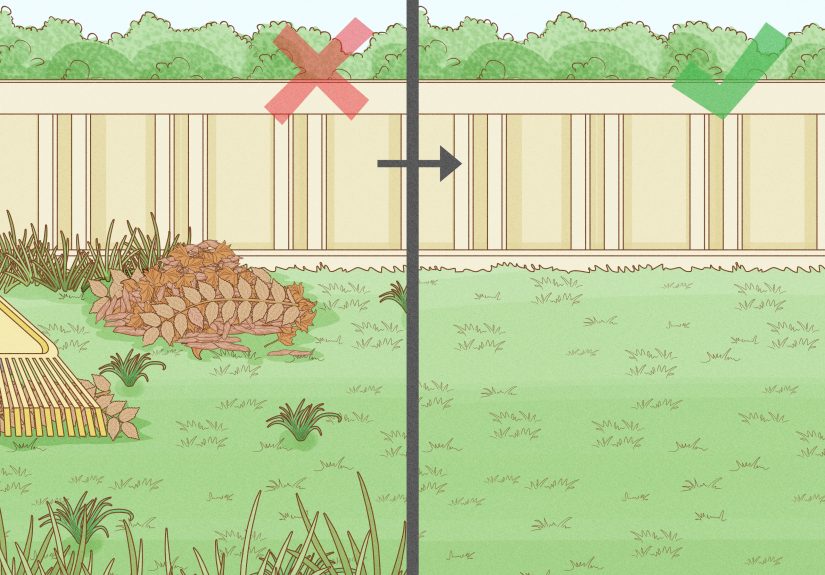
Clean up debris along the foundation. Avoid stacking lumber, firewood, or construction materials directly against
the house. Move loose stones and trim groundcover that touches the structure. If you use mulch, keep it thinner
near the foundation and don’t let it become a wet, shaded blanket of bug life.
Prune the “bridges”
Trim bushes and overhanging branches away from the house. Plants touching siding create sheltered travel routes
and hiding placesplus they attract insects.
Firewood: don’t import scorpions in bulk
Store firewood away from the house and bring indoors only what you’ll use soon. Piles of wood, sheds, and stacked
items are classic hiding spots for scorpions.
If you live in a dry region: rethink irrigation right next to the house
Moist, sheltered landscaping close to the foundation can boost insect activity. In scorpion-prone areas, reducing
overly lush watering near the structure can help make the perimeter less attractive.
Step 5: Removal and “Proof of Life” Checks (Without the Panic Dancing)
Vacuuming is underrated (and deeply satisfying)
For spiders, routine cleaning matters. Vacuum webs, corners, and especially egg sacs. Egg sacs can hold a lot of
future spiders, and removing them interrupts the “next season” problem before it starts. A broom works too, but a
vacuum gives you the added bonus of not letting the spider drop onto your forearm like it’s auditioning for a jump
scare.
Use a UV flashlight to spot scorpions (yes, really)
Many scorpions fluoresce under UV light. If scorpions are a real concern where you live, a portable UV flashlight
can help you patrol at night around the yard perimeter, block walls, and garages. If you find one, you can relocate
it using tongs into a sealed containercarefully, and without staring directly into UV light.
What to do if you get stung (quick, calm, and sensible)
Most stings aren’t life-threatening, but reactions varyespecially for kids or people with allergies. If someone is
stung, use basic first aid (like cool compresses) and contact a medical professional or Poison Control for guidance.
If severe symptoms appear, seek urgent medical care.
When Natural Methods Need Backup
If you’re seeing scorpions regularly inside the house, or you suspect a dangerous species in your region, it’s
reasonable to consult a licensed pest professionalespecially one who emphasizes exclusion and IPM rather than
“spray and pray.”
Natural methods still matter even if you hire help. Professionals can treat, but you’re the one who controls
clutter, gaps, and the midnight porch-light bug buffet.
Conclusion: Your House, But Make It Boring (for Pests)
The winning formula is not a single miracle spray. It’s a boring, repeatable system: seal entry points, reduce
insects, remove hiding places, and use natural products strategically. Do those things and your home becomes the
opposite of inviting to spiders and scorpionslike a party with no snacks, nowhere to sit, and a strict “shoes
off” policy.
Start with door sweeps and caulk. Add smarter lighting. Keep storage tidy. Then layer in peppermint spray (carefully)
and diatomaceous earth where it makes sense. Within a few weeks, most people notice fewer surprisesand a lot more
peace of mind.
Real-World Experiences and Lessons Learned (So You Don’t Learn the Hard Way)
The funniest thing about pest prevention is that it’s almost never one dramatic problemit’s usually five small,
totally fixable problems that teamed up like a superhero squad. Here are some common “real house” scenarios and
what they teach.
The Door Sweep That Wasn’t
Someone swears they have a door sweep. They really do… except it’s hanging on by one screw like it’s trying to
retire early. The gap under the door is just big enough for airflow, dust, and the occasional uninvited guest.
After replacing it, they’re shocked how much calmer the house feelsless dust, fewer bugs, fewer spider sightings.
The lesson: entry points are not theoretical. If you can slide a credit card under the door, nature
can slide in something with too many legs.
The Gorgeous Mulch Moat
Thick mulch right up against the foundation looks amazing… and stays damp and shaded… and becomes a bug condo…
and then becomes a predator condo. Homeowners often notice scorpions in garages and assume they “came from nowhere.”
In reality, the yard perimeter became the perfect hiding-and-hunting zone. The fix is usually simple: pull mulch
back from the foundation a bit, keep it thinner near walls, reduce clutter along the perimeter, and stop storing
random boards and flowerpots right against the house. The lesson: landscaping is part of pest control.
The Porch Light All-You-Can-Eat Buffet
One home keeps the brightest possible light directly above the front doorbecause security! But the light attracts
insects. Insects attract spiders. And scorpions, being opportunistic, may follow the insect traffic near the home.
The “aha” moment comes when they switch to a less insect-attractive bulb and move lighting slightly away from the
entry (or use motion sensors). Suddenly there are fewer insects hovering at the door, and fewer webs near the
porch. The lesson: sometimes the solution is literally changing a lightbulb.
The Essential Oil Overachiever
Someone goes full peppermint superhero: they add “a lot” of oil to a spray bottle, then spray every surface like
they’re trying to preserve the house in minty amber. The home smells like a candy cane factory, someone gets a skin
reaction, and the family pet looks personally offended. The better version is boring: dilute properly, spot-test,
spray only at likely entry points, and treat it like a minor deterrentnot a chemical weapon. The lesson:
natural doesn’t mean risk-free, and more is not better.
The Moving Box Civilization
Garages and storage rooms are where spider and scorpion prevention goes to die. Cardboard boxes sit untouched for
months. Old shoes pile up. A “temporary” stack becomes permanent. Then someone reaches into a box and learns a life
lesson at high speed. The fix is a storage reset: use sealed plastic bins, keep items off the floor when possible,
reduce clutter near walls, vacuum corners, and place a few sticky traps to monitor activity. The lesson:
pests love undisturbed spaces, and clutter is basically a welcome mat with snacks.
The One That Got In Anyway
Even with great prevention, an occasional spider may wander in, and a scorpion can slip through a missed gap or
hitch a ride in firewood. The healthiest response is not panicit’s data. Where was it found? What was nearby?
Is there a door that doesn’t seal well? Are there crickets in the garage? One sighting is a reminder to check your
barriers, not a sign that your home is doomed. The lesson: monitoring beats guessing, and small
improvements compound fast.