Table of Contents >> Show >> Hide
- What Are Lifting Straps?
- The Benefits of Lifting Straps
- How to Use Lifting Straps Safely: A Step-by-Step Guide
- Common Mistakes to Avoid When Using Lifting Straps
- Safety Tips for Both Beginners and Experts
- Conclusion: Lifting Straps Are a Useful Tool When Used Properly
- Experiences Using Lifting Straps
- SEO Tags
Lifting straps, often overlooked but incredibly useful, are a great tool to enhance your workout, especially when lifting heavy loads or performing exercises that require grip strength. Whether you’re a beginner just starting or an experienced lifter looking to take your training to the next level, knowing how to use lifting straps safely is key. In this guide, we’ll cover the best practices for using lifting straps, the benefits they offer, common mistakes to avoid, and advice for both beginners and seasoned lifters.
What Are Lifting Straps?
Lifting straps are simple accessories that wrap around the wrists and barbell or dumbbell, providing extra grip support during weightlifting exercises. They’re typically made from durable materials like cotton, nylon, or leather. The primary function of lifting straps is to reduce grip fatigue by securing the bar in your hands, enabling you to lift heavier weights or perform more repetitions without losing control of the bar.
The Benefits of Lifting Straps
Lifting straps can greatly benefit your workout routine, especially when your grip strength is the limiting factor in exercises like deadlifts, rows, or shrugs. By using lifting straps, you can:
- Improve performance: By reducing grip fatigue, you can focus on the target muscles and lift heavier weights.
- Prevent injury: Lifting straps can help prevent injuries caused by a weak grip, such as dropping the weight unexpectedly.
- Maximize training volume: Lifting straps allow you to perform more reps, leading to improved muscle growth and endurance.
How to Use Lifting Straps Safely: A Step-by-Step Guide
Step 1: Choose the Right Lifting Straps
Before you even start using lifting straps, you need to choose the right type. There are a few different types of lifting straps, including:
- Standard straps: These are the most common and versatile straps, suitable for most lifting exercises.
- Figure-eight straps: These are more secure than standard straps and are particularly useful for deadlifts and other pulling movements.
- Hook-and-loop straps: These are designed to provide a quicker, adjustable fit for your wrist, often used in bodybuilding or strength training sessions.
For beginners, standard lifting straps are typically the best choice. They’re easy to use and provide adequate support for most exercises. As you progress, you might want to experiment with different types of straps to see which works best for your needs.
Step 2: Correctly Position the Straps on Your Wrists
When using lifting straps, it’s crucial to ensure that the straps are positioned correctly on your wrists. Here’s how to do it:
- Wrap the strap around your wrist: Start by feeding the strap through the loop and pulling it snugly around your wrist. Make sure the strap is comfortably tight but not cutting off circulation.
- Position the strap on the bar: Once the strap is secured to your wrist, grab the bar and wrap the other end of the strap around the barbell or dumbbell. The strap should lie over the top of the bar to prevent slipping.
- Check for a firm grip: Before beginning your lift, ensure the strap is tightly secured to both your wrist and the bar. A loose strap can cause you to lose your grip during the lift, leading to potential injury.
Step 3: Use the Straps Only When Necessary
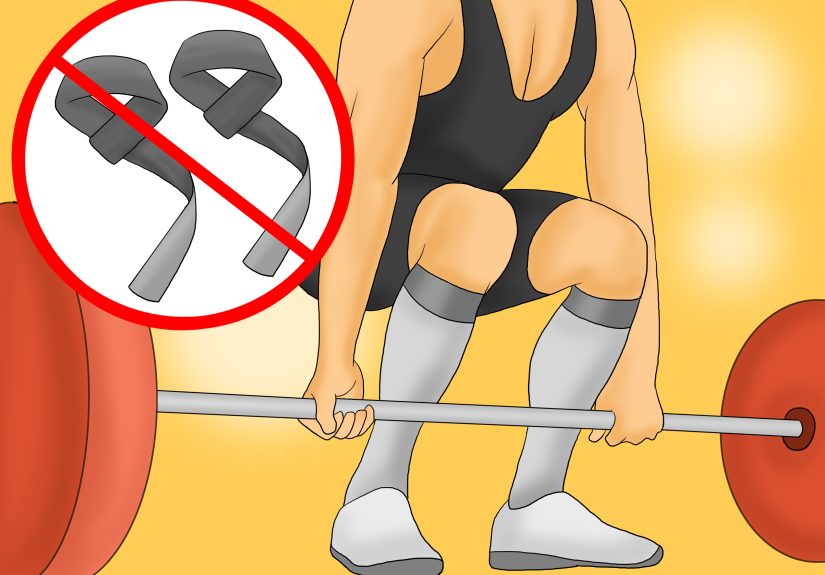
Lifting straps are a helpful tool, but they should not be used for every set or exercise. It’s essential to allow your grip strength to develop naturally over time. Use straps for heavy lifts or when grip strength is the limiting factor, such as during deadlifts, barbell rows, or shrugs. For lighter exercises, rely on your grip strength to maximize the benefits of functional training.
Step 4: Keep Your Wrist in a Neutral Position
While using lifting straps, it’s important to maintain a neutral wrist position. Avoid bending your wrist excessively while lifting, as this can cause discomfort or even lead to wrist injuries. A neutral wrist will help you focus on your form and keep the strain on your back and legs rather than on your wrists.
Step 5: Remove the Straps Properly
After finishing your sets, remove the straps carefully. Start by loosening the straps from the barbell or dumbbell before taking them off your wrist. This helps prevent unnecessary strain on the straps and ensures they stay in good condition for longer use.
Common Mistakes to Avoid When Using Lifting Straps
1. Using Straps Too Early in Training
One common mistake beginners make is using straps too early in their training. Lifting straps should be a tool for when you’re lifting heavy weights or your grip strength starts to fail, not as a crutch. Using straps too often can prevent your grip strength from improving, which is essential for overall muscle development.
2. Overusing Lifting Straps
Overusing lifting straps can lead to dependency, where your grip strength never develops to its full potential. Ensure that you’re using lifting straps selectively and only when necessary. For exercises like pull-ups or lighter rows, it’s better to rely on your natural grip strength.
3. Improper Strapping Technique
Improper use of lifting straps can result in poor performance and potential injury. Always ensure the straps are tight enough to support your weight but not so tight that they cut off circulation. A loose or poorly positioned strap can slip during your lift, resulting in a missed rep or, worse, an injury.
4. Not Adjusting the Strap to Fit the Exercise
Different exercises may require slight adjustments to how the strap is wrapped. For example, during deadlifts, you may want to use figure-eight straps for extra security. For rows, a standard strap might suffice. Experiment with different types to see which works best for each lift.
Safety Tips for Both Beginners and Experts
For Beginners:
Start slowly and don’t rely on lifting straps for every exercise. Focus on building grip strength through exercises like farmer’s walks, deadlifts, and pull-ups. Use straps when you reach a point where grip strength is hindering your performance, but not before. And always prioritize form over weight. The more you practice proper lifting techniques, the stronger and more confident you’ll become.
For Experts:
As an experienced lifter, you may already know the importance of proper form and using lifting straps correctly. However, don’t let the straps become a crutch. Instead, use them to push your limits safely and effectively. Incorporate grip-strengthening exercises into your routine to continue developing your natural grip strength, and always monitor your wrist position during lifts to prevent strain.
Conclusion: Lifting Straps Are a Useful Tool When Used Properly
Lifting straps are a valuable tool that can help you push past your limits and perform heavier lifts safely. However, it’s crucial to use them correctly to avoid relying on them too much and to ensure you’re maintaining proper form. By following the steps outlined in this guide and avoiding common mistakes, you can use lifting straps safely to enhance your training, whether you’re a beginner or an expert.
Experiences Using Lifting Straps
Many lifters, especially beginners, struggle with grip strength in the beginning stages of their training. I recall when I first started lifting, my grip would give out before my muscles were even close to failure. It was frustrating, but after introducing lifting straps into my routine, I was able to continue pushing my limits. This not only helped me improve my form, but it also allowed me to focus on developing the primary muscles I was targeting, such as my back and legs.
However, one thing I learned early on is that lifting straps should be used sparingly. I once relied on them too much, and my grip strength never really improved. Over time, I realized that for certain exercises, like deadlifts, I didn’t need them as much. I focused more on grip-strengthening exercises, such as towel hangs and plate pinches, which helped me build a stronger and more reliable grip.
For experienced lifters, using lifting straps can be a game-changer when training for new personal bests. I’ve been able to increase my deadlift significantly by using straps on my heaviest sets. The key is to use them for those sets that truly challenge your limits, but to avoid making them a permanent fixture of your training. The best lifters are those who can balance the use of lifting straps with continued focus on natural grip strength, ensuring their performance continues to improve.