Table of Contents >> Show >> Hide
- Why Tone-on-Tone Linens Just Work (Even When Life Doesn’t)
- Meet Madre: A Linen Brand Built Around Eating and Resting
- Inside the Madre Look: Table Linens That Feel Like “Come Over, I’m Cooking”
- Boudoir Linens: Bringing Tone-on-Tone Calm Into the Bedroom
- How to Style Tone-on-Tone Madre Linens Without Overthinking It
- Linen Care: How to Keep Your Table and Boudoir Linens Happy
- Is Madre Worth It? A Practical Buying Guide
- Conclusion: The Quiet Power of Linens You Actually Use
- Experience Notes: Living with Madre’s Tone-on-Tone Linens (Extra )
There are two kinds of people in the world: the “paper towel is fine” crowd and the “hand me the linen napkin, I’m trying to live” crowd.
If you’re reading this, welcomeyour membership card is basically a slightly rumpled tablecloth and a quiet belief that dinner tastes better when the table looks loved.
Enter Madre, a Portland-made linen brand that leans hard into the magic of tone-on-tone color, thoughtful construction, and the kind of textiles that make everyday rituals
feel less like chores and more like… a small, stylish rebellion against chaos.
Why Tone-on-Tone Linens Just Work (Even When Life Doesn’t)
“Tone-on-tone” is the design equivalent of showing up polished without looking like you tried too hard. Instead of high-contrast patterns screaming for attention,
tonal linens use closely related shades (think red-on-pink or cream-on-oyster) to create depth, warmth, and a surprising amount of visual “quiet.”
The secret sauce is dimension. When color stays in the same family, texture gets to shinerolled hems, softened linen weave, gentle wrinkles.
The result is a table or bedroom that looks layered and intentional, not fussy or fragile.
- For the table: Tonal linens flatter food. (Yes, your roast chicken deserves a good backdrop.)
- For the bedroom: They create a cocoon effectcalm, cohesive, and quietly luxe.
- For real life: Small stains and wrinkles blend in better than on stark white. Tone-on-tone is basically practical glamour.
Meet Madre: A Linen Brand Built Around Eating and Resting
Madre’s ethos is disarmingly simple: we all eat, and we all restso the things we use for those moments should feel good, last a long time, and support community.
The brand is known for linen goods that bring color to everyday rituals without sliding into “theme party” territory.
Design DNA: Color That Feels Like a Mood, Not a Marketing Pitch
Madre’s color palette is where the fun lives: tonal pairings that read bold up close and refined from across the room.
It’s the difference between “I bought bright napkins” and “I apparently have a point of view.”
These combinations are especially flattering in natural lightbreakfast looks sunnier, cocktails look moodier, and leftovers look… like they had plans.
Stitched in Portland, With a Bigger “Seed-to-Table” Dream
One of the most distinctive parts of Madre’s story is the ambition to help rebuild a more local linen ecosystemmoving toward a more domestic, transparent supply chain over time.
Linen is made from flax, and rebuilding regional flax-to-fabric infrastructure is the kind of slow, unglamorous work that rarely goes viral… and that’s exactly why it matters.
Translation: Madre isn’t just selling pretty napkins. They’re participating in the long gamehow home goods get made, where materials come from, and what it means to
invest in regional textile futures.
Inside the Madre Look: Table Linens That Feel Like “Come Over, I’m Cooking”
Madre built its reputation in the place where linens earn their keep: the table. This is not “special occasion only” fabric.
It’s “Tuesday night pasta with friends” fabricsoft, sturdy, and forgiving enough to survive both red wine and big feelings.
Napkins: Small Squares, Big Personality
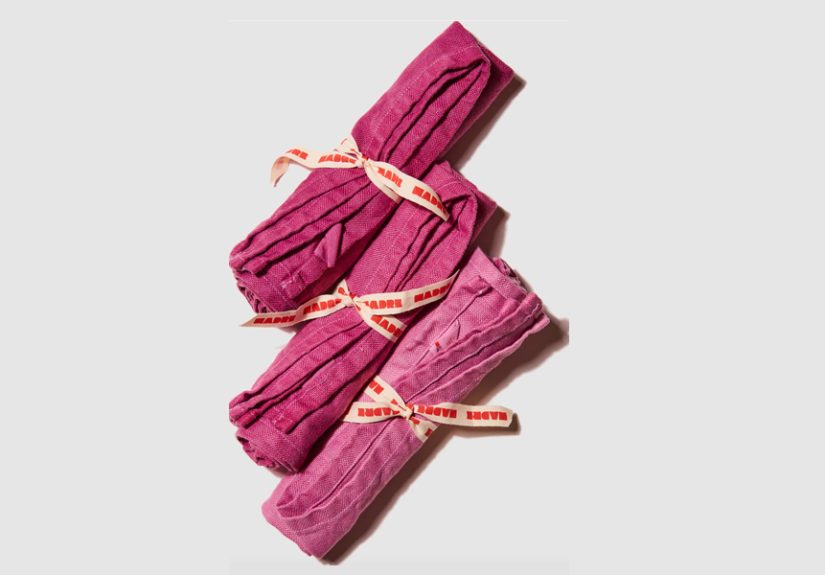
Madre’s napkins are the brand’s gateway drug. They’re often offered in sets and sizes that match how people actually host:
tiny cocktail moments, casual lunches, full dinners, and those “we’re eating standing up but it still counts” snacks.
- Why they’re addictive: Tone-on-tone colors look collected and elevatedeven if you bought them all at once.
- Why they’re useful: Linen gets softer with use, and it’s absorbent without feeling heavy.
- Why they’re smart: You can mix sets across color families and still look cohesive.
Tablecloths, Runners, and the “Instant Atmosphere” Effect
A good tablecloth is basically interior design in one move. Madre’s approach is less “perfectly pressed banquet” and more “beautiful, lived-in European café energy,
but make it Portland.”
Want a fast upgrade? Pick a tonal tablecloth and then keep everything else simple:
clear glassware, mismatched ceramics, and food served family-style. The linens do the styling work while you do the human work (feeding people).
Little Extras That Make a Home Feel Considered
Madre’s product universe often includes thoughtful “supporting actors”things like ribbons or small textile accents that can tie up a bundle of herbs,
wrap a loaf of bread, or make a basic gift look like you own a small boutique (in a cool way, not a stressful way).
Boudoir Linens: Bringing Tone-on-Tone Calm Into the Bedroom
The word “boudoir” can sound like you’re about to faint onto a velvet chaise. Madre’s version is more grounded:
linens for resting that feel intimate, warm, and reallike a bedroom designed for sleeping, reading, and slowly becoming a person again.
How Tonal Bedding Changes the Whole Room
Tone-on-tone bedding is a cheat code for making a room feel pulled together. Instead of matching everything exactly (which can look flat),
you layer neighboring shades: a slightly deeper duvet, a lighter sheet, pillows with a subtle shift in tone.
Linen’s texture makes those small differences feel rich rather than “almost but not quite.” It’s the design version of harmonysupportive, not identical.
Texture Is the Point
Linen doesn’t pretend to be crisp forever. It relaxes. It wrinkles. It gets better.
If cotton is the reliable friend who always shows up on time, linen is the charismatic friend who shows up five minutes late with pastriesand everyone forgives them.
How to Style Tone-on-Tone Madre Linens Without Overthinking It
The goal isn’t perfection. The goal is “effortlessly intentional,” which is the nicest way to say “I tried, but I also have a life.”
Here are a few formulas that work for both the table and the bedroom.
Tablescape Formulas (Low Effort, High Reward)
- The Tonal Sandwich: Choose a tonal tablecloth, keep plates neutral, and add one pop of contrast (citrus, herbs, or a bright candle).
- The Collected Set: Mix two tone-on-tone napkin sets in the same color family. Alternate them at each place setting for a “curated” look.
- The Everyday Upgrade: Skip the tablecloth, use tonal napkins, and add a simple runner. Your kitchen table will suddenly look like it has plans.
Bedroom Layering (Calm, Not Boring)
- Start with sheets: Choose the lightest tone you like.
- Add a deeper top layer: Duvet or quilt in a slightly richer shade for depth.
- Finish with “almost matching” pillows: Two or three tonal shifts look more intentional than perfect sets.
- Use one texture wild card: A knit throw, a waffle blanket, or a bouclé pillow keeps the tonal look from feeling flat.
Linen Care: How to Keep Your Table and Boudoir Linens Happy
Linen is tougher than it looks, but it does have opinions. The best care routine is gentle, consistent, and not loaded with products that leave residue.
Think “spa day,” not “industrial power wash.”
Washing: Keep It Cool, Keep It Mild
- Use cold or lukewarm water to help preserve color and reduce shrinking.
- Choose a mild detergent and skip harsh bleaching agents unless a care label specifically says otherwise.
- Avoid fabric softenerlinen naturally softens over time, and softener can leave buildup that dulls absorbency.
Drying: Air-Dry or Low Heat for the Win
Linen dries relatively quickly. Air-drying is gentle, but a low-heat tumble can work if you pull items out promptly.
If you want fewer wrinkles, don’t over-drylinen likes to be slightly damp when you smooth it or iron it.
Stain Triage: Don’t Panic, Act Fast
The most important stain advice is also the most annoying: treat stains sooner rather than later.
Blot (don’t rub), rinse with cool water, and use a targeted stain remover for oil or wine.
And if you’re hosting? Put the stain problem on a future version of yourselfjust rinse and hang. Future you will be grateful.
Is Madre Worth It? A Practical Buying Guide
“Worth it” depends on how you use linens. If you want something that looks great in photos but spends most of its life in a closet,
you can find cheaper options. But if you want linens that work hardfrequent meals, frequent washes, frequent joyquality matters.
Choose Madre If You Care About…
- Color sophistication: Tone-on-tone palettes that feel bold and grown-up.
- Craft and construction: Details like hems and finishing that help pieces last.
- Made-in-Portland stitching: A tangible connection to local production.
- Story and values: A brand that talks about food, rest, and the bigger textile ecosystem with sincerity.
Start Here If You’re New
- Napkins first. They’re the easiest daily upgrade and the quickest way to feel the brand’s color logic.
- Add a runner. It’s flexible: dining table, coffee table, dresser, even a picnic moment.
- Then commit to a tablecloth or bedding. Once you trust your color instincts, go big.
Conclusion: The Quiet Power of Linens You Actually Use
Madre’s appeal isn’t just that the linens are prettythough they absolutely are. It’s that they’re built around real life:
meals that stretch long, rooms that don’t stay tidy, and the ongoing human project of making home feel nourishing.
Tone-on-tone linens are a surprisingly effective way to bring cohesion to the table and calm to the bedroomwithout turning your home into a showroom.
And if a napkin set can’t fix everything, it can at least make your Tuesday pasta feel like an occasion. Honestly? We’ll take it.
Experience Notes: Living with Madre’s Tone-on-Tone Linens (Extra )
If you’ve ever unfolded a new tablecloth and immediately pictured your life becoming more organized, more peaceful, and somehow also more photogenicsame.
The funny thing about good linens, though, is that they don’t magically turn you into a different person. They just make the person you already are feel a bit more
supported. Which, depending on the week, is the most realistic form of luxury.
The first “experience” many people have with Madre is realizing that tone-on-tone color is sneakily versatile. A red-on-pink napkin sounds boldmaybe even riskyuntil
you put it next to a neutral plate and a simple salad. Suddenly the color doesn’t feel loud; it feels warm. You start noticing how the tonal pairing plays with light:
morning sun makes it feel bright and friendly, candlelight makes it feel moody and romantic. Same napkin, two completely different vibes, zero costume changes required.
Then there’s the way linens change your hosting habits. Not in a “now I throw twelve-person dinner parties every weekend” way (no one needs that kind of pressure),
but in a “I’ll set the table even if it’s just us” way. You stop saving the good stuff for a future that may or may not arrive, and you start using it on the days that
actually existweekday breakfasts, leftover nights, the occasional snack dinner where everyone eats in shifts. The linens become part of the rhythm, not part of the performance.
In the bedroom, tonal linen has a similar effect: it makes the room feel finished even when the rest of life is mid-construction. The bed becomes a visual anchor.
The texture does a lot of heavy liftinglinen’s natural weave reads as intentional, so you don’t need a million decorative pillows to make it feel styled.
Layering neighboring shades can feel surprisingly emotional, too. A soft palette reads like permission to rest. A deeper palette reads like a warm hug with boundaries.
Either way, it’s less “hotel bed” and more “this room knows me.”
And yes, linen wrinkles. That’s not a bug; it’s a lifestyle. The real experience of living with linen is realizing you can let “perfect” go and still have something
beautiful. You wash it, you hang it, you fold it (or you don’t), and it keeps showing up. Over time it gets softer, more pliable, more familiarlike it’s adapting to your
life instead of demanding you adapt to it. If you want a home that feels welcoming rather than brittle, that matters.
The best moment, though, is the simplest: when someone sits down, touches the napkin or the tablecloth, and says some version of, “This feels really nice.”
You didn’t redecorate the whole house. You didn’t buy a new dining table. You just chose textiles with intention. And somehow, the room feels a little more like home.