Table of Contents >> Show >> Hide
- What Is the Seaweed Collection?
- Why Seaweed Motifs Work in American Interiors
- Choosing Your Pattern and Colorway
- Walls: Where Seaweed Wallpaper Shines
- Windows: Curtains, Shades, and the “Don’t Compete” Rule
- Floors: Make the Ground Calm So the Walls Can Sing
- Practical Guide: Measuring, Ordering, and Installing
- Three Quick Styling “Recipes”
- Real-World Experiences: What It’s Like Living with Seaweed Wallpaper (About )
- Conclusion
If your walls could talk, some of them would politely request a vacation. Beige fatigue is real. Luckily, there’s a cure that doesn’t involve moving to the coast or buying a boat: a nature-inspired wallpaper that feels fresh, calm, and just the right amount of quirky. Enter Min Hogg’s Seaweed Collectionunderwater-inspired patterns that bring movement to a room without turning your home into a theme-park gift shop.
This article is a design-and-practicality mash-up. We’ll cover what the Seaweed Collection is, why the motifs work, how to style them with windows and floors (so everything looks intentional), and how to avoid common wallpaper regrets like running out of rolls mid-wall or discovering your “soft gray” looks blue at night. At the end, you’ll also find an extra “real-life experience” sectionbecause wallpaper is a relationship, and the honeymoon phase is only part of the story.
What Is the Seaweed Collection?
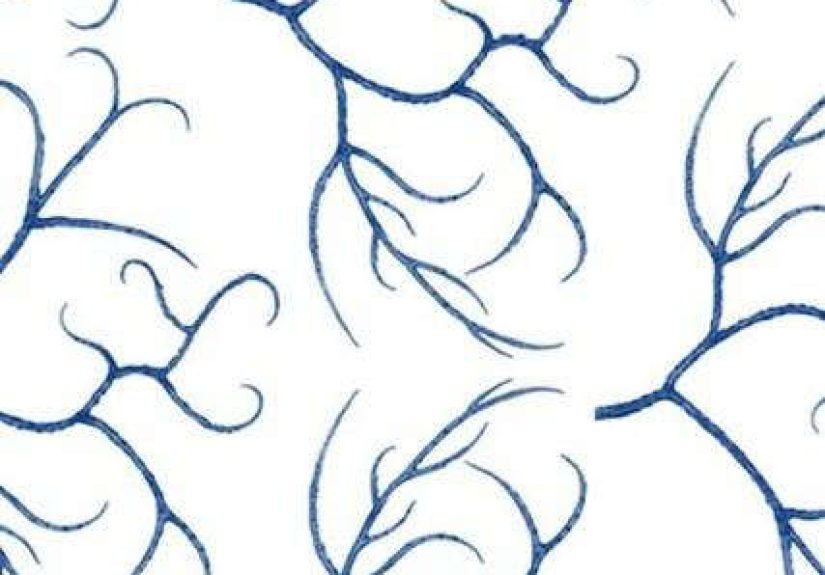
The Seaweed Collection is a line of wallpapers (and coordinating fabrics) built around flowing botanical silhouettes inspired by marine plants. The vibe is organic and rhythmicfronds, branching shapes, and soft drift that reads like a vintage natural-history illustration with modern restraint.
Design fans often connect the collection with Min Hogg’s editorial eye. She helped shape taste at a high level for years, and this line feels like someone who has seen everything and decided that calm confidence beats loud novelty. In the range, you’ll see standout designs such as Sea Antler, Sea Fern Large, and Sea Sponge, offered in multiple colorways. The line has also been described as printed to order in England on quality papers and textiles, so it’s smart to check current lead times, sample first, and order all rolls at once to keep color runs consistent.
Why Seaweed Motifs Work in American Interiors
It’s biophilic, but not cliché
Seaweed sits in a sweet spot: it’s nature-inspired without being a bouquet. That makes it easy to use in modern, traditional, coastal, and transitional rooms. The shapes feel alive, but the subject matter stays abstract enough that you don’t get “obvious theme” energy.
Movement makes rooms feel less boxy
Curving forms soften hard edges. In narrow hallways, small powder rooms, and stairwells, the flow keeps the space from feeling like a cardboard tube. In larger rooms, it adds depthespecially when you pair it with simple trim and one or two strong materials (wood, stone, metal) instead of five competing patterns.
It plays well with both calm and drama
Choose a light colorway and you’ll get breezy, tailored calm. Go charcoal, inky blue, or a saturated tone and the same motif becomes a moody backdrop that makes mirrors, art, and lighting feel more curated. In other words: seaweed can wear sneakers or a tux, depending on the room.
Choosing Your Pattern and Colorway
Start with scale
Scale is the difference between “rich” and “restless.” Larger motifs read as artwork from across the room; smaller repeats read more like texture. If you’re wallpapering a compact nook, medium scale often feels balanced. If you’re doing a dining room, primary bedroom, or stairwell, larger patterns can look more high-end because they’re unmistakably intentional.
Sea Fern Large is a confident choice for statement spaces. Sea Antler has branching rhythmelegant with a hint of whimsy. Sea Sponge tends to land as more textural and pattern-forward, which is great for powder rooms, bars, and areas where a little drama is a feature, not a bug.
Pick a palette that matches your light
Wallpaper color shifts with daylight, lamplight, and whatever’s on your floor. Blue-on-white can read crisp and coastal; charcoal-on-stone can feel modern and gallery-like; sage and gray tones often feel calming and botanical. If you can, tape up a sample near a window for a full day. Morning light, late-afternoon sun, and evening lamps can make the same wallpaper feel like three different personalitieslike a cat with a strict schedule.
Walls: Where Seaweed Wallpaper Shines
Powder rooms
Small rooms are the easiest place to be bold because the surface area is limited. A seaweed print can make a powder room feel like a jewel box. Keep the fixtures simple, add a great mirror, and use one warm metal finish (brass or nickel) to anchor everything.
Dining rooms and breakfast nooks
Seaweed motifs bring special-occasion energy to a dining space without feeling stuffy. Pair the wallpaper with wainscoting or panel moldingpaint the lower half a solid pulled from the print, and let the pattern live above. The room instantly feels designed, even if dinner is cereal.
Entryways and stairwells
These transitional spaces benefit from pattern because they don’t need “resting calm” the way bedrooms do. Seaweed wallpaper makes a hall or stairwell feel styled and welcoming. Bonus: the pattern reveals itself as you move, which is a surprisingly satisfying effect.
Ceilings (a.k.a. the fifth wall)
Wallpapering the ceiling works when the rest of the room stays simpler. A seaweed print overhead can feel playful and refinedespecially in a dining room or a small officewithout requiring you to repaint every piece of furniture you own.
Windows: Curtains, Shades, and the “Don’t Compete” Rule
Wallpaper sets the rhythm; window treatments keep it from turning into chaos. If the wallpaper is the hero pattern, let curtains and shades be texture or solid color.
Easy pairings
- Linen drapes: soft, tailored, and forgiving with most colorways.
- Woven shades: add natural texture that complements organic motifs.
- Simple Roman shades: especially good in kitchens and breakfast nooks.
Want cohesion without matching everything? Echo one color from the wallpaper in trim, piping, or a lampshade. It reads “designed” instead of “I panicked and bought the whole set.”
Floors: Make the Ground Calm So the Walls Can Sing
Wood floors
Warm wood tones balance cool seaweed palettes (blue, charcoal, gray). Light oak feels modern and airy; walnut reads richer and more traditional. If your wallpaper is dark, a medium wood floor keeps the room from feeling like a caveunless you want cave chic, which is absolutely your right.
Tile and stone
In bathrooms and entries, use classic, simple floor shapes (subway, hex, straightforward stone). Busy floor patterns plus busy wallpaper is like two DJs battling in the same room.
Rugs
Natural fiber rugs (jute, sisal, seagrass) are excellent with seaweed motifs because they add texture without introducing another big print. If you want pattern on the floor, keep it small-scale and structured.
Practical Guide: Measuring, Ordering, and Installing
Rolls, repeats, and why math suddenly matters
Designer wallpapers are often sold in standard rolls that are roughly 20.5 inches wide and about 33 feet long, and many Seaweed Collection designs use larger repeats. Pattern matching creates waste because each strip must start in the right place for the design to line up. That’s why two rooms with the same square footage can require different numbers of rolls depending on repeat size and ceiling height.
Plan for extra. Order additional wallpaper for mistakes, tight corners, and the future “oops” moment when someone drags a chair too close to the wall. Keep the leftover labeled and stored flat; it can save you later.
One concrete example: Sea Fern Large is often listed with an extra-tall pattern repeat (around 200 cm / 78.7 inches). Big repeats look gorgeous, but they also increase waste when you match seamsso they’re the reason two “same-size” rooms can need different roll counts.
Wall prep is not optional
Patch dents, sand smooth, and clean the wall so adhesive bonds evenly. Primer (or wallpaper sizing) helps create a consistent surface and makes removal less damaging later. If you’ve recently painted, let the paint cure fully before wallpapering so you don’t lift the surface when you eventually remove the paper.
Hang straight: use a plumb line
Most houses are charmingly imperfect. A plumb line (drawn with a level) keeps the first strip straight so the pattern doesn’t drift. Apply the paper carefully, smooth from the center outward to push out bubbles, and trim cleanly at the ceiling and baseboards. Take your time around outlets and switchesthis is where “close enough” becomes “why is that crooked forever?”
DIY vs. pro installer
If you’re doing a single accent wall and you’re patient, DIY is doable. If you’re doing a full room, a ceiling, or a pattern with a tall repeat, hiring a professional can be money well spent. The cost of an installer can be less than the cost of replacing rolls you wasted learning on the job.
Common mistakes to avoid
- Papering over old wallpaper: can cause bubbling and failure.
- Skipping the sample step: light changes everything.
- Under-ordering: repeat matching and dye lots make “just one more roll later” risky.
- Not wiping paste promptly: residue can dry shiny and leave marks.
- Ignoring location: some wallcoverings are better in dry rooms than steamy bathrooms.
Three Quick Styling “Recipes”
1) Tailored coastal
Wallpaper: blue-on-white seaweed motif
Windows: oatmeal linen Roman shades
Floors: medium oak + flatweave rug
Finishes: polished nickel, crisp white trim
2) Moody powder room
Wallpaper: charcoal or dark seaweed print
Windows: minimal (shade or privacy film)
Floors: small-format tile or dark stone
Finishes: antique brass, statement sconce
3) Modern organic calm
Wallpaper: sage/gray seaweed pattern
Windows: woven shades or linen drapes
Floors: light wood or pale stone
Accents: black frames, ceramics, one well-watered plant
Real-World Experiences: What It’s Like Living with Seaweed Wallpaper (About )
Once the wallpaper is up and the ladder is back in the garage, most people notice the same first surprise: seaweed patterns usually feel calmer in real life than they look online. Photos tend to exaggerate contrast and scale. On the wallespecially from across a roomthe lines soften a touch and read more like a rich layer than a bold graphic. Homeowners often describe the effect as “textural” even when the surface is smooth, because the motif behaves like a gentle backdrop that makes everyday furniture and simple accessories look more deliberate.
The second lesson is that samples are the real MVP. Many people confidently pick a colorway from a product image, then discover their lighting has opinions. North-facing rooms can cool down whites, while warm bulbs can deepen a charcoal into something moodier than expected. The simplest test is also the most useful: tape a sample at eye level near a window and live with it for a day. Check it in the morning, late afternoon, and evening. If you’re deciding between two colorways, put them up side by side and keep the one you still like after you’ve had coffee and after you’ve had a long day.
Another common experience: this collection rewards “almost matching,” not identical matching. Because coordinating fabrics exist, it’s tempting to go wallpaper-and-curtains-and-cushions in the exact same print. The rooms people love most usually echo the pattern instead. They’ll keep the wallpaper as the hero, then repeat its palette in a solid linen shade, a painted trim color, or a small accent pillow with a related texture. The result feels layered and collectedmore “designer did this on purpose” and less “I panic-ordered matching sets at 1 a.m.”
Installation stories are where the comedy lives. Large repeats can make DIYers feel like they’re solving a puzzle while balancing on a ladder. The folks who report the smoothest installs tend to do three things: (1) order an extra roll, (2) use a plumb line like it’s sacred, and (3) lay out and dry-fit a couple of lengths so seams make sense before paste gets involved. People who rush the first strip often say the same thing later: “I didn’t realize one tiny crooked start could snowball.” It canbecause every strip references the first one. Starting straight is the whole game.
Finally, seaweed wallpaper has a funny side effect: it upgrades the room around it. A plain mirror looks curated. A simple hook looks intentional. Even the hand towel seems like it belongs in a nicer version of your life. That’s the hidden value of a strong wallpaper: it does some of the styling work for you. You can keep furniture and accessories simpler, and the room still feels finished. In other words, the pattern pulls its weightso you don’t have to rearrange your shelves every weekend and call it a refresh.
Conclusion
Min Hogg’s Seaweed Collection is bold-but-livable wallpaper: organic movement, flexible colorways, and enough personality to make a room feel designed without feeling themed. Choose your scale, test a sample in your own light, and coordinate your walls with calm window treatments and grounded flooring. Do that, and you’ll get a space that feels collected, confident, and quietly unforgettable.