Table of Contents >> Show >> Hide
- Meet the Knock-Down Wardrobe: Flat-Pack, But Make It Grown-Up
- Why “Flat-Pack” Is Actually Old News (In the Best Way)
- Howe London’s Version: Shaker Calm, Heirloom Guts
- What It Solves in Real Life: Tight Doorways, Frequent Moves, and Rental Reality
- Inside Configuration: Rails, Shelves, and Linen Closet Energy
- Customization and Color: Because “One Size Fits All” Rarely Fits Anyone
- Styling Ideas: How to Make It Look Intentional (Not Like You’re Storing Secrets)
- Buying Checklist: Don’t Let a Beautiful Wardrobe Lose a Fight With Your Staircase
- Care, Longevity, and the Anti-Disposable Mindset
- Is It Worth It? Who This Wardrobe Is Really For
- Real-Life Experiences: What Living With a Knock-Down Wardrobe Can Feel Like (Extended)
- Conclusion
Flat-pack furniture has a reputation. You know the one: mysterious extra screws, a wobbly phase of existence,
and an instruction booklet that looks like it was designed by a committee of very polite aliens.
But every once in a while, someone takes the “flat-pack” idea and reminds us what it was always supposed to be:
smart, portable, and genuinely well made.
Enter Howe London’s Knock-Down Wardrobea piece that’s equal parts heirloom craftsmanship and
practical modern problem-solver. It breaks down to move through narrow stairwells, tight doorways, and those
charming old apartments that were apparently designed before humans invented winter coats. And then it goes back
together again with a calm confidence that says, “Yes, I can move. No, I will not be emotionally needy about it.”
Meet the Knock-Down Wardrobe: Flat-Pack, But Make It Grown-Up
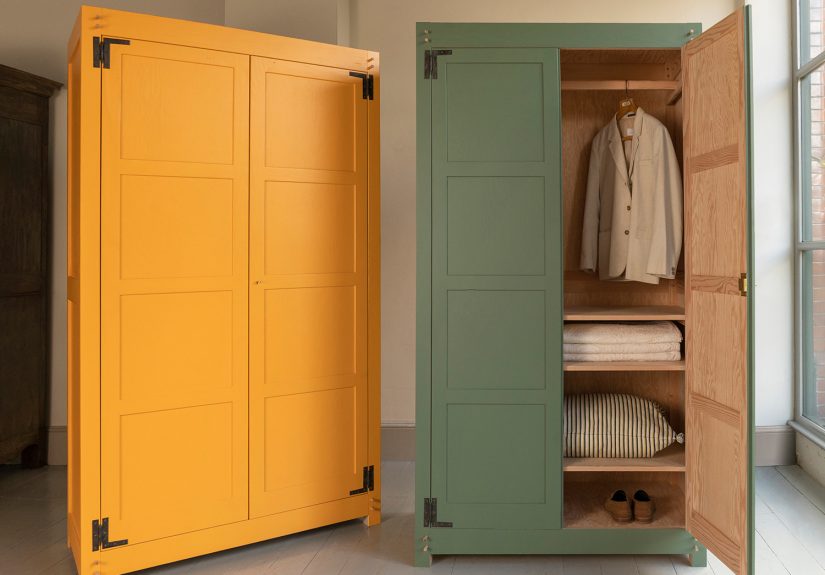
Howe London describes its Knock-Down Wardrobe as a Shaker-style wardrobe with paneled doors and
sides, made traditionally in solid Douglas fir, finished with hand-forged ironmongery,
and built to dismantle when life inevitably requires you to move (or simply rearrange your world at 11:30 p.m.
because you watched one too many home organization videos).
The big idea is refreshingly simple: instead of forcing a fully assembled wardrobe to survive your hallway’s
tight turns like a sofa in a sitcom, this wardrobe expects to be moved. Panels come apart, pegs come out,
components pack flat, and suddenly “moving day” becomes less of a wrestling match and more of a… well, still a
moving day, but with fewer apologies to your drywall.
Why “Flat-Pack” Is Actually Old News (In the Best Way)
We tend to think flat-pack furniture is a modern inventionborn from smaller apartments, frequent moves, and the
universal desire to fit a bookshelf into a hatchback. But knock-down construction has deeper roots.
Howe London points to old French furniture traditionsparticularly armoires from the 18th and 19th centuries
along with portable campaign furniture, built so traveling officers could maintain a sense of home
comfort while on the move.
In other words: “knock-down” isn’t new. It’s a classic concept that got a mass-market glow-up in the 20th century,
then got a premium, craft-forward reinterpretation in pieces like this.
The Howe London wardrobe is essentially the love child of antique practicality and contemporary design restraint:
it honors old construction logic while meeting modern living where it actually happensinside buildings with
narrow stairs, tight corners, and landlords who are very attached to their door frames.
Howe London’s Version: Shaker Calm, Heirloom Guts
Shaker style: the quiet confidence of good proportions
The wardrobe’s “Shaker-style” DNA matters because Shaker design has always favored
honesty of materials, utility, and simplicity. Translated into modern interiors: clean lines,
panel details that feel intentional (not fussy), and a timeless vibe that won’t look dated the minute the internet
decides it’s bored with your aesthetic.
Practically speaking, Shaker-style paneling adds structure and visual rhythm without making the wardrobe a
“statement piece” that hogs all the attention. It’s the design equivalent of someone who shows up well dressed,
says something genuinely interesting, and then lets everyone else talk. Rare. Refreshing. Desirable.
Materials: solid Douglas fir (not “wood-ish”)
One detail that separates a premium knock-down wardrobe from a disposable one is the material choice.
Howe London specifies solid Douglas fir, a timber known for a strong strength-to-weight balance.
That matters in a piece designed to be assembled and disassembled: you want wood that can handle real joinery and
repeated use, not something that turns into sad confetti when you tighten a screw the second time.
Douglas fir also has a handsome, straightforward grain that plays well with painted finishes (and with natural
finishes, if you’re the type who enjoys admiring wood like it’s artwhich, honestly, fair).
Joinery: beech pegs and “this will outlive me” construction
Here’s the clever part: the panels are held together with removable beech pegs.
That’s the mechanism that makes the wardrobe truly “knock-down” without feeling flimsy.
Remove the pegs, separate the panels, and the whole thing can be flat-packed to move through narrow spaces and
up winding stairs, often with less hassle and potentially lower transport cost than a fully assembled wardrobe.
On the craftsmanship side, makers connected with the wardrobe have described construction approaches that include
classic woodworking techniques like pegged mortise-and-tenon joinery. Even if you’re not the
“I own clamps” type, the takeaway is simple: this is structural joinery that’s been trusted for generations,
not a temporary arrangement based on hope and metal cam locks.
Hardware: lift-off hinges, locks, and options for the modern world
Another standout detail: the wardrobe can be fitted with blacksmith-made lift-off hinges and locks.
Lift-off hinges make practical sense in a knock-down piece because the doors can be removed cleanly.
And for those who prefer a more understated look, there’s also an option for a concealed hinge.
Translation: you can lean “heritage” or “minimal,” depending on how you want the piece to read in your space.
What It Solves in Real Life: Tight Doorways, Frequent Moves, and Rental Reality
Let’s talk about the problem a knock-down wardrobe actually solves. It’s not just about aesthetics; it’s about
logistics.
-
Old buildings and narrow stairs: If you live in a walk-up, a brownstone, a prewar apartment,
or anywhere that has “character” (code for “tight turns”), moving large furniture is a recurring headache.
Flat-packing the wardrobe reduces the “will it fit?” drama. -
Small-space flexibility: A wardrobe that can come apart is easier to repositionmeaning it can
evolve with your layout, not dictate it. -
Better odds of a long life: Furniture often dies not because it’s worn out, but because it
can’t survive a move. Knock-down construction improves survivability. It’s like giving your wardrobe a seatbelt.
And yes, there’s an irony here: the very thing that made flat-pack famousportabilityalso became synonymous with
disposability. Howe London flips that script. This is flat-pack logic paired with heirloom intent.
Inside Configuration: Rails, Shelves, and Linen Closet Energy
One reason this piece works in more than just bedrooms is its interior flexibility.
Howe London notes options for adjustable hanging rails or shelves, supported on
wooden slats. That makes the wardrobe useful for:
- Clothing storage: coats, dresses, shirts, and the “why do I own so many black t-shirts” section.
- Linen closet duty: bedding, towels, guest sheets, and the extra blanket you keep buying like you’re preparing for a Victorian winter.
- Utility storage: craft supplies, games, wrapping paper, or the seasonal decor you swear you’ll “keep organized this year.”
The flexibility also makes it compelling for rentals. Built-ins are wonderfuluntil you move. A freestanding,
sturdy wardrobe that can be configured and reconfigured is basically a built-in you can take with you.
Customization and Color: Because “One Size Fits All” Rarely Fits Anyone
The wardrobe has been shown in colors like marigold yellow and olive-y green,
and it can be painted in a color of your choice. It can also be made to specific
measurements. That’s a big deal for people who don’t live in catalog-perfect rooms.
Custom sizing helps you match ceiling height, wall width, and the awkward reality of baseboards, radiators,
and that one corner that’s inexplicably not square. And color customization means the wardrobe can blend in,
brighten up, or become a calm anchorwithout forcing you to commit to a whole-room redesign.
Styling Ideas: How to Make It Look Intentional (Not Like You’re Storing Secrets)
In the bedroom
Pair it with soft, simple textureslinen bedding, wool throws, and warm lighting. If you choose the lift-off
hinges and visible lock hardware, let those details shine by keeping nearby pieces understated.
In a hallway or entry
If your entryway lacks closets, a flat-pack wardrobe that’s sturdy and handsome can become your “coat closet,”
shoe stash, and umbrella headquarters. Add a small tray for keys on top (if ceiling height allows) and you’ve
basically upgraded your life.
As a linen cabinet
If you configure it with shelves, treat it like a linen armoire: baskets, folded towels, labeled bins, and maybe
a scented sachet if you enjoy feeling like a person who has it together.
Buying Checklist: Don’t Let a Beautiful Wardrobe Lose a Fight With Your Staircase
Even though it’s designed to dismantle, a knock-down wardrobe still deserves a little planning.
Here’s the “be smarter than your hallway” checklist:
- Measure the tight spots: doorways, stair turns, elevators, and the angle of your life choices.
- Pick the interior setup first: rails vs. shelves affects daily use far more than you’d think.
- Plan for assembly space: you’ll want a clear floor area and a little patience.
- Keep the pegs organized: treat them like jewelrysmall, important, and surprisingly easy to misplace.
- Think about flooring: old floors can be uneven; adjust placement so doors swing properly and don’t rub.
Pro tip: if you’re moving often, store the disassembly notes somewhere safe. The second time you take it apart,
you’ll feel like a genius. The third time, you’ll feel like a traveling furniture aristocrat.
Care, Longevity, and the Anti-Disposable Mindset
A big part of the appeal here is that it’s not pretending to be a “forever piece” while quietly planning to bow
out after two moves. Solid wood construction and traditional joinery are the foundation for longevityespecially
compared to common mass-market flat-pack wardrobes made from engineered boards.
Douglas fir is a workhorse species with strong mechanical properties relative to its weight. In indoor furniture
applications, basic care goes a long way: keep it away from prolonged moisture, avoid placing it directly against
radiators or heat vents, and use gentle cleaning methods that won’t strip the finish.
Sustainability isn’t only about materials; it’s about keeping things. The most sustainable wardrobe is
the one you don’t replace every few years. A knock-down wardrobe that survives moves, life changes, and
rearrangements is quietly doing a lot of environmental workwithout asking for applause.
Is It Worth It? Who This Wardrobe Is Really For
Let’s be honest: this is not a budget wardrobe. The price has been listed at a starting point around
£8,910 (at the time of publication in a major design source), placing it firmly in the
“investment furniture” category.
The value proposition makes sense if you:
- Move often (renters, city dwellers, people whose jobs relocate them).
- Live in a building with tight access (walk-ups, historic homes, narrow stairs).
- Want a freestanding wardrobe that behaves like a built-in, but travels with you.
- Care about craftsmanship and want fewer, better pieces rather than many disposable ones.
If what you need is “something to hold clothes this year,” there are plenty of simpler solutions.
But if you’re building a home over timeespecially in spaces where moving large furniture is a recurring problem
a well-built knock-down wardrobe can be the rare purchase that gets smarter every year you own it.
Real-Life Experiences: What Living With a Knock-Down Wardrobe Can Feel Like (Extended)
People who choose a premium knock-down wardrobe often describe the experience as oddly empoweringlike you’ve
finally stopped negotiating with your home and started collaborating with it. One common “aha” moment happens
during delivery day. Instead of the usual panic (“Is this going to fit through the front door?”), there’s a calmer
kind of confidence: panels come in cleanly, corners remain unbruised, and nobody has to remove a door from its
hinges while whispering “please don’t tell the landlord.”
Assembly is another surprisingly satisfying part of the ownership story. Traditional joinery and removable pegs
don’t feel like the standard flat-pack routine where you’re one stripped screw away from existential dread. The
process can feel more like setting up a well-designed system: align the panels, place the pegs, check the fit,
and watch the structure become solid in a way that’s visually obvious. Many homeowners say it’s the rare
furniture build where you can see the logic workinglike a tangible reminder that design can be both
beautiful and practical.
Day-to-day, the wardrobe’s interior flexibility tends to become the real hero. In one household, it’s a classic
clothes wardrobe with adjustable rails that shift as wardrobes changebulky winter coats one month, lighter pieces
the next. In another, it becomes a linen closet that makes a small home feel instantly more functional: shelves
stacked with towels, bedding, and baskets for odds and ends. People with small-space challenges often report that
the wardrobe reduces visual clutter because it holds a lot while still looking composedno frantic pile-ups, no
“temporary” storage that turns permanent.
And then there’s the moving storythe part that usually breaks the relationship between furniture and humans.
Owners who relocate (sometimes more than once) often note the psychological shift: instead of dreading the move
because it will destroy their furniture, they treat disassembly like a routine. Doors lift off, pegs come out,
panels stack, and suddenly your wardrobe is travel-ready. It’s not “fun,” exactlybut it’s the difference
between a stressful wrestling match and a manageable process you can plan for. A few practical tips show up
repeatedly in real-world anecdotes: label parts (future-you will be grateful), keep hardware in a dedicated pouch,
protect painted surfaces with soft wrap, and assemble on a clean floor to avoid tiny grit scratches.
Over time, people tend to describe a knock-down wardrobe like this as a “quiet upgrade.” It doesn’t scream for
attention. It just worksthrough cramped staircases, changing needs, and shifting layouts. And in a world where so
much furniture feels temporary, there’s something deeply comforting about a piece that’s built to move with you,
not break because you did.
Conclusion
Howe London’s Knock-Down Wardrobe is a reminder that flat-pack doesn’t have to mean flimsy.
By borrowing from French armoire traditions and the logic of campaign furniture, then pairing it with Shaker-style
restraint, solid wood construction, and thoughtful hardware, it offers something rare: a wardrobe designed for the
realities of modern life without looking like it belongs in a temporary one.
If you’re the kind of person who moves, reconfigures, lives in tight spaces, or simply wants fewer, better things,
this “new/old” flat-pack approach might be exactly the upgrade your home deserves.