Table of Contents >> Show >> Hide
- Quick Navigation
- What Is Perennial Dianthus?
- Quick Care Snapshot
- Light, Soil, and Water
- Fertilizing Without Overdoing It
- Deadheading & Pruning for More Blooms
- Planting & Spacing
- Best Perennial Dianthus Types
- Propagation: Division, Cuttings, and Seed
- Pests & Diseases
- Winter Care & Heat Tips
- Growing Perennial Dianthus in Containers
- Landscape Design Ideas (Where Dianthus Really Shines)
- FAQ
- Extra: Real-World Experiences to Make Dianthus Thrive (500+ Words)
Perennial dianthus (a.k.a. “pinks”) is the kind of plant that makes you look like a gardening genius even when
you’re still Googling what “well-drained soil” actually means. It’s fragrant, colorful, pollinator-friendly,
andbest of allpretty chill once you give it the one thing it truly craves: sun and sharp drainage.
This guide covers what perennial dianthus needs to thrive, how to keep it blooming longer, and how to troubleshoot
the most common issues (including the #1 heartbreak: crown rot caused by soggy soil).
What Is Perennial Dianthus?
Dianthus is a big genus with a lot going onannuals, biennials, and evergreen perennials all
live under the same family umbrella. When people say perennial dianthus, they usually mean the
low-growing, long-lived types like cheddar pinks (Dianthus gratianopolitanus) and
garden/cottage pinks (Dianthus plumarius and hybrids).
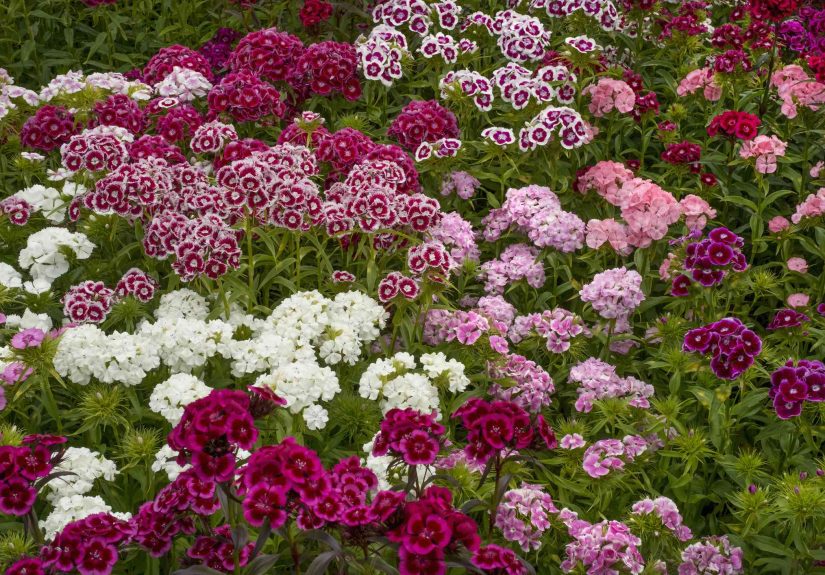
These plants are known for their fringed petals (they look like someone used fancy craft scissors) and their
spicy, clove-like fragrance. They’re often used as edging, in rock gardens, and in sunny borders.
Some types bloom mostly in spring with lighter repeat bloom later, especially if you deadhead or shear after the
main flush.
A quick honesty moment: some “perennial” dianthus are short-lived in humid climates or heavy soil.
The goal is to set them up for success so they act like perennials for yearsrather than like dramatic annuals
staging a one-season performance.
Quick Care Snapshot
- Sun: Full sun is best (aim for 6+ hours/day)
- Soil: Well-drained, slightly alkaline to neutral; gritty/loamy is ideal
- Water: Moderate; about 1 inch/week during establishment, less once established
- Bloom time: Heavy spring bloom; possible rebloom in late summer/early fall
- Maintenance: Deadhead spent flowers; shear after main bloom for tidiness and possible rebloom
- Biggest risk: Crown/root rot from wet soil or mulch piled against the crown
Light, Soil, and Water
Light: The “More Sun, More Fun” Rule
Perennial dianthus blooms best in full sun. Less light usually means fewer flowers, leggier growth,
and plants that look like they’re slowly trying to move to a brighter neighborhood.
In very hot climates, a little afternoon shade can help prevent summer slump, but keep it bright overall. Dianthus
that sits in shade tends to sulk (and your garden deserves better energy than that).
Soil: Drainage Is Non-Negotiable
If dianthus had a dating profile, it would say: “Seeking long-term relationship with sharp drainage.
No wet feet. Serious inquiries only.” Poor drainage is the fastest route to crown rot.
Ideal soil: loose, gritty loam with organic matter worked inbut not so rich and spongy that it
holds water around the crown. Slightly alkaline to neutral pH is commonly recommended for many pinks.
- Heavy clay? Plant in a raised bed, amend generously with compost, and add grit (coarse sand or fine gravel) to improve drainage.
- Mulch warning: Mulch is fine for weed control, but don’t let it smother the crown. Keep a small donut-shaped gap around the base.
- Pro move: In rock gardens, a gravel top-dressing can reduce rot risk and keeps stems cleaner.
Water: Consistent, Not Constant
Water new plantings regularly until established. A common guideline is around 1 inch of water per week
(rain + irrigation), adjusting for heat, wind, and soil type. Once established, many perennial dianthus types are
fairly drought tolerant, but they’ll appreciate deep watering during prolonged dry spells.
The big mistake isn’t “forgetting to water once.” It’s watering too often, especially in soil that
drains slowly. Also, try to avoid overhead wateringwet foliage + warm evenings can encourage leaf disease.
Fertilizing Without Overdoing It
Perennial dianthus is generally a light feeder. In many gardens, a yearly top-dress of compost in
spring is enough. If your soil is lean or you want stronger rebloom, use a balanced fertilizer sparingly.
- Spring: Add compost, or use a balanced slow-release fertilizer according to label directions.
- Avoid high nitrogen: Too much nitrogen can push leafy growth and fewer blooms, and can make stems floppy.
- Mulch choice matters: If rot is a recurring problem, skip thick organic mulch and consider gravel or stone chips around plants.
Translation: feed dianthus like you’re seasoning food. You want flavor, not a salt mine.
Deadheading & Pruning for More Blooms
Deadheading: The Easiest Way to Encourage Rebloom
Deadheading means removing spent blooms before the plant commits to making seed. This redirects energy into more
flowers (or at least a tidier plant). It’s not mandatory, but it’s one of the best “effort-to-reward” moves you can make.
- Use clean snips.
- Cut the faded flower stem back to just above the first set of leaves or down to the foliage mound.
- Be careful not to remove hidden buds tucked in the foliage.
If you have a larger patch, you can also shear lightly across the top after many blooms fadefast, effective, and slightly
satisfying (like giving your plant a fresh haircut).
Shearing After the Main Bloom
Many perennial dianthus types benefit from being sheared back after the main flush. This tidies the plant,
encourages compact growth, and can promote additional bloom later in the seasonespecially with repeat-blooming cultivars.
Seasonal Cleanup
- During the season: remove damaged or diseased stems promptly.
- Late season: in colder climates, trim back lightly as plants slow down. In milder climates, some types stay evergreen.
- Early spring: clean up winter-tired foliage and shape the mound before growth takes off.
Planting & Spacing
Plant perennial dianthus in cooler weather when possiblespring or fall is ideal for many regions.
Give plants room for air circulation, because crowded plants plus humidity is basically a party invitation for leaf spot.
How to Plant (Simple, Reliable Method)
- Loosen soil to about 10–12 inches deep.
- Mix in compost (and grit if drainage is questionable).
- Set the plant so the top of the root ball is level with the soil surface (don’t bury the crown).
- Water in thoroughly, then let the soil approach dry between waterings.
Spacing Guidelines
Spacing depends on type. Many mounding pinks do well around 6–12 inches apart, while groundcover-style
cheddar pinks may spread wider over time. When in doubt, choose slightly wider spacingyour future self will thank you.
Best Perennial Dianthus Types
“Perennial dianthus” is a category, not one single plant. Here are common perennial-friendly groups and what they’re best at:
Cheddar Pinks (Dianthus gratianopolitanus)
Low-growing, mat-forming, and often evergreen in milder climates. Great for edging, rock gardens, and spilling over walls.
Famous cultivars include ‘Firewitch’ and ‘Bath’s Pink’.
Garden/Cottage Pinks (Dianthus plumarius and hybrids)
Mounding plants with grassy foliage and fringed, fragrant flowers. Often strong spring bloomers, with some rebloom potential.
Hybrid Landscape Series
Many modern hybrids are bred for compact habit and improved heat tolerance. If you want a tidy plant that behaves in borders
(and doesn’t require constant coaching), look for well-known landscape series sold as perennials in your region.
Tip: choose cultivars based on your USDA hardiness zone and your summer conditions (heat + humidity).
A plant that’s “easy” in one state can be “difficult but pretty” in another.
Propagation: Division, Cuttings, and Seed
Division (Best for Mature Clumps)
If your dianthus starts thinning in the center or looks less vigorous after a few years, division can refresh it.
Divide in spring or early fall when temperatures are moderate.
- Lift the clump carefully.
- Separate into smaller sections with roots attached.
- Replant immediately in well-drained soil and water in.
Stem Cuttings (Best for Keeping Cultivars True)
Cuttings are a great way to clone a favorite cultivar. Take non-flowering stems after the main bloom, root them in a well-draining mix,
and keep lightly moist until established.
Seed (Great for Variety, Less Predictable for Hybrids)
Many dianthus can be grown from seed, but hybrids may not come true. Seed is fantastic if you want a larger drift or don’t mind a little
“surprise genetics” in flower color and form.
Pests & Diseases
Healthy dianthus is usually low drama, but conditions matter. Most issues trace back to too much moisture,
too little airflow, or both.
Common Pests
- Aphids: cluster on new growth; rinse off or use insecticidal soap.
- Spider mites: more common in hot, dry conditions; look for stippling and fine webbing.
- Thrips: can scar petals and distort blooms; manage with sanitation and targeted controls if severe.
- Slugs/cutworms: occasional troublemakers, especially on young plants.
Common Diseases (and How to Prevent Them)
-
Crown/root rot: the classic dianthus downfall. Prevent with sharp drainage, avoid watering into the crown,
and keep mulch off the base. - Leaf spot: worsens in humid summers; increase spacing, avoid overhead watering, remove symptomatic leaves.
- Rust/wilt: remove affected foliage, improve airflow, and avoid stress from soggy soil or overcrowding.
Golden Rules for a Healthier Patch
- Plant in sun and don’t crowd.
- Water the soil, not the leaves.
- Fix drainage before you plant (not after the plant is offended).
- Remove declining plants promptly if rot is presentrecovery is unlikely once the crown is compromised.
Note: Dianthus is often described as deer resistant, though rabbits may nibble in some areas.
Also, dianthus can cause mild irritation if pets chew itkeep curious critters in mind.
Winter Care & Heat Tips
Winter
In many regions, perennial dianthus is hardy and can handle frost. The bigger threat is often wet winter soil.
If your winters are cold and wet, prioritize drainage and consider raised beds.
Summer Heat
Some dianthus slow down when temperatures are consistently high. If yours looks tired in midsummer, that doesn’t always mean it’s dying
it may be taking a break. Deadheading after the first flush, avoiding overwatering, and preventing crown smothering can help plants rebound
when conditions improve.
Growing Perennial Dianthus in Containers
Containers are a smart workaround if your garden soil is heavy clay. Dianthus in pots can be stunning on sunny patiosand the fragrance is
even better when it’s near where humans actually sit.
Container Setup
- Pot: must have drainage holes (non-negotiable).
- Soil mix: a high-quality potting mix amended with grit/perlite for drainage.
- Watering: water deeply, then let the top inch dry; don’t keep it constantly damp.
- Feeding: light feeding in spring; avoid heavy nitrogen.
Winter note: pots freeze faster than ground soil. In cold climates, move containers to a protected spot or insulate pots during severe cold snaps.
Landscape Design Ideas (Where Dianthus Really Shines)
Perennial dianthus is a design multitaskeredging, groundcover, cottage garden charm, rock garden toughness, and even cutting garden potential.
Easy Ways to Use It
- Edging: line a path or border where the fragrance can be enjoyed up close.
- Rock gardens & gravel beds: perfect for cheddar pinks and alpine types that love sharp drainage.
- Front-of-border color: pair with salvia, lavender, catmint, or ornamental grasses for texture contrast.
- Raised beds: let it spill over edges for a soft, flowering “waterfall.”
Companion Plant Ideas
Choose companions that like sun and drainage. Great matches include lavender, thyme, sedum, salvia, yarrow, and low-growing catmint.
Avoid pairing with plants that require constantly moist soil, unless you enjoy refereeing a water disagreement.
FAQ
How often should I water perennial dianthus?
Water regularly while establishingoften roughly the equivalent of 1 inch per weekthen reduce frequency once established. Let soil dry slightly
between waterings and avoid waterlogging.
Does dianthus need full sun?
Full sun is best for strong blooming. Some types tolerate partial shade, especially afternoon shade in hot climates, but too much shade reduces flowers.
Why is my dianthus dying in the middle?
Common causes include crown rot from wet soil, overcrowding, or an aging clump that needs division. Check drainage first, then consider dividing
healthy outer sections.
Will deadheading really make it bloom again?
Often, yesespecially for cultivars bred for repeat bloom. Deadheading won’t always create a second “spring-level” show, but it usually improves
overall flowering and plant appearance.
Extra: Real-World Experiences to Make Dianthus Thrive (500+ Words)
Let’s talk about what tends to happen in actual gardenswhere “ideal conditions” are mostly a rumor and the weather app treats predictions
like optional suggestions. Below are common, experience-based patterns that gardeners report when growing perennial dianthus, plus practical ways
to get better results.
1) The “It Looked Amazing at the Nursery” Phase
Many people bring home dianthus when it’s covered in blooms and looks like a tiny floral firework. Then, a few weeks later, the flowers fade and the
plant looks… fine. Not dead, not thrillingjust fine. This is normal. A lot of dianthus pushes its biggest display in spring, then shifts into a
maintenance mode during summer heat. Gardeners who get the best long-term performance tend to do two things right after the main bloom:
- Deadhead or shear lightly to clean up spent stems and encourage compact regrowth.
- Resist overwatering out of guilt. Dianthus doesn’t want a daily apology sprinkler session.
2) The Most Common “Oops”: Mulch Hugs the Crown
A surprisingly common story goes like this: “I mulched to keep weeds down and make the bed pretty… and then my dianthus melted.” Thick organic mulch
can trap moisture against the crown, especially in humid regions or heavy soil. Gardeners who struggle with rot often switch to a different approach:
they pull mulch back from the base, or use a gravel top-dressing around dianthus. It still looks tidy, weeds are reduced, and the crown
stays drier.
3) The “Why Are There Fewer Blooms This Year?” Mystery
When dianthus flowers less than expected, the cause is usually one of these:
- Not enough sun: six hours is a good target; more often equals better bloom.
- Too much nitrogen: lush leaves, fewer flowersclassic overfeeding outcome.
- Old bloom stems left in place: deadheading can boost rebloom and keeps the plant from spending energy on seed.
- Stress from soggy soil: even if the plant survives, it may bloom poorly.
One practical trick gardeners use is to treat dianthus like a “lean soil” plant: compost once a year, light fertilizer if needed, and otherwise
don’t pamper it into floppy growth.
4) The Heat-and-Humidity Reality Check
In warm, humid areas, perennial dianthus can be a little pickier. Gardeners report the best success when they prioritize airflow and drainage:
wider spacing, morning sun (so foliage dries early), and watering at the soil level. If a plant repeatedly struggles, many gardeners switch strategies:
they grow dianthus in raised beds, in containers, or they choose cultivars marketed for better heat tolerance.
5) The “I Want It to Look Great All Season” Strategy
Dianthus often looks best when it’s used as a supporting character, not the entire movie. Gardeners who love the look all season commonly pair it with
plants that keep the border visually interesting after dianthus’ main bloom:
- Catmint or salvia: long bloom season and pollinator power.
- Lavender or thyme: similar sun/drainage needs and great fragrance layering.
- Sedum/stonecrop: tidy texture and late-season structure.
- Ornamental grasses: movement and contrast with dianthus’ tight mound form.
The result is a border that still looks intentional even when dianthus is between bloom cycles. And honestly, that’s the secret to a garden that
feels “designed” instead of “things I bought because they were pretty.”
6) Small Wins That Add Up
Finally, experienced gardeners tend to follow a few small habits that make dianthus easier:
- They snip spent flowers while doing quick weekly garden laps (two minutes, big payoff).
- They clean up tired foliage so the mound stays neat and airy.
- They watch the soil after rainif water pools, they fix drainage or relocate the plant.
- They treat dianthus as a plant that prefers “bright and breezy,” not “lush and swampy.”
If you give perennial dianthus sun and drainage, it tends to reward you with that “wow” spring show, a sweet scent, and a tidy mound that behaves
nicely in borders and rock gardens. It’s not high-maintenanceit just has one firm boundary. (We should all be so emotionally healthy.)