Table of Contents >> Show >> Hide
- Tamales, Explained in One Delicious Paragraph
- Where Tamales Come From (And Why They’ve Stuck Around)
- What Are Tamales Made Of?
- How Tamales Are Made (Without Turning Your Kitchen Into a Corn Blizzard)
- Types of Tamales You’ll See (And Why They’re Not All the Same)
- Tamales in the United States: From Holidays to Hot Tamale Trails
- How to Eat Tamales (And Avoid Eating the Wrapper Like a Rookie)
- Are Tamales Healthy?
- How to Store and Reheat Tamales Without Making Them Sad
- Buying vs. Making Tamales: Which One Wins?
- Conclusion: Why Tamales Matter
- Tamales in Real Life: of Experiences, Memories, and “Just One More” Bites
Tamales are one of those foods that feel like a gift and a puzzle at the same time:
a warm, wrapped little package that shows up at holidays, family parties, and random Tuesday mornings
when someone’s aunt “made extra.”
If you’ve ever unwrapped one and thought, “Is this a present or a delicious science project?”welcome.
You’re about to learn what tamales are, what they’re made of, why they matter, and how they became a
comfort-food legend across the Americas (and especially in the United States).
Tamales, Explained in One Delicious Paragraph
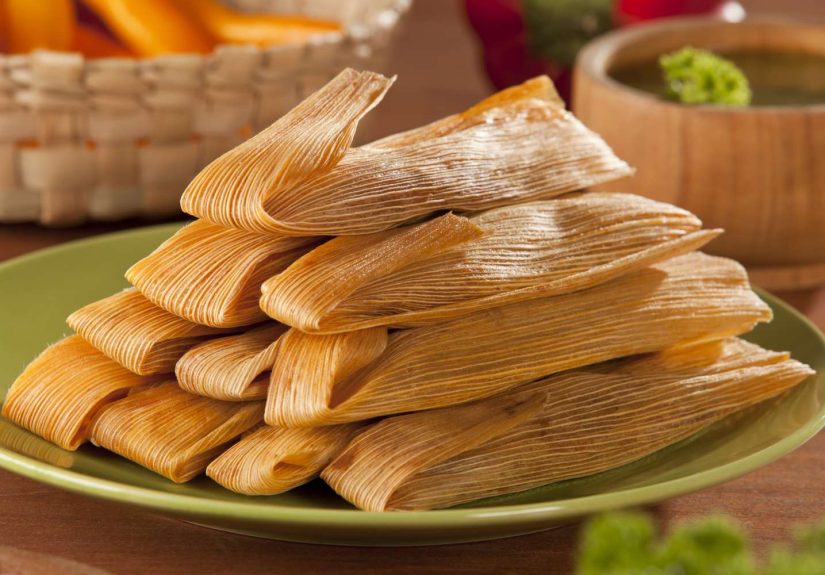
A tamale is a traditional dish made from masaa corn dough typically made from
nixtamalized cornthat’s filled (or sometimes left plain), wrapped in a natural wrapper
like corn husks or banana leaves, and then cookedmost often by
steaming. The wrapper isn’t usually eaten; it’s there to shape the tamale and keep it moist.
Think of it like edible content inside a non-edible “shipping container,” except way tastier than cardboard.
Where Tamales Come From (And Why They’ve Stuck Around)
Tamales trace back to ancient Mesoamerica, where corn wasn’t just a cropit was a cornerstone of daily life,
culture, and survival. Long before modern kitchens, tamales were smart food: portable, filling, and practical
for travel, work, and community gatherings. Over time, they spread and evolved across regions, communities,
and borderschanging fillings, sauces, wrappers, and cooking methods like a culinary remix that never stopped.
Today, tamales are made throughout Mexico, Central America, parts of South America, and widely across the
United Statesespecially anywhere you’ll find strong Latin American communities. And yes, they can be found
in grocery-store fridges too, living their best convenient life next to the hummus.
What Are Tamales Made Of?
1) Masa: The Heart of the Tamale
The base of most tamales is masa, a corn dough with a soft, tender texture when cooked.
Traditional masa starts with corn that’s been nixtamalizeda process where dried corn is cooked
and soaked in an alkaline solution (often lime/calcium hydroxide), then rinsed and ground. That process helps
corn transform: better flavor, better texture, and a dough that actually behaves like dough.
In many home kitchens, masa comes from freshly ground corn dough (often purchased from tortillerías),
or from masa harina (dried corn flour meant for masa) mixed with liquid. Both can work.
Fresh masa tends to deliver a deeper corn flavor and a more plush texture, while masa harina is the weeknight
superhero of the tamale world.
2) Fat + Liquid: The “Fluffy” Factor
Many tamale styles mix masa with fat (often lard, sometimes oil or shortening) plus broth or water.
This isn’t just for richnessit helps create that tender, almost cake-like bite people love.
Some cooks whip or beat the dough to incorporate air, which can make tamales lighter rather than dense.
(Nobody wants a tamale that feels like a doorstop. Flavorful? Yes. Structural support beam? No.)
3) Fillings: The Choose-Your-Own-Adventure Part
Tamales can be filled with just about anything, depending on region, season, and the cook’s mood.
Popular savory fillings include:
- Shredded pork in red chile sauce
- Chicken with salsa verde
- Beef in a rich, spiced sauce
- Cheese with roasted chiles (like poblanos)
- Beans, squash, or other vegetables for meatless versions
Sweet tamales exist toooften made with a slightly sweetened masa and fillings like fruit, raisins,
cinnamon, or even chocolate. Some are tinted pink or red for celebrations, because tamales can be festive
like that.
4) Wrappers: Corn Husks vs. Banana Leaves
The wrapper depends a lot on geography and tradition:
-
Corn husks (common in many Mexican and U.S. styles) add a subtle corn aroma and create a
tamale with a more defined shape. -
Banana leaves (common in southern Mexico and parts of Central America) bring a slightly
herbal, grassy fragrance and often produce a softer, more custardy texture.
Either way, the wrapper is part cookware, part tradition, part magic trick: “Now you see a pile of ingredients…
now you see a perfectly steamed bundle of joy.”
How Tamales Are Made (Without Turning Your Kitchen Into a Corn Blizzard)
Tamales are not “hard,” exactlybut they’re a project. The secret is that they’re designed for teamwork.
That’s why you’ll hear about tamaladas: group tamale-making gatherings where people chat,
laugh, assemble, and accidentally eat half the filling “for quality control.”
The Classic Tamale Workflow
- Prep the wrappers: Soak corn husks until flexible, or wipe/soften banana leaves.
- Make the filling: Cook and season meat/veg, then combine with sauce if needed.
- Mix the masa: Combine masa with fat, salt, and liquid (often broth) until spreadable.
- Assemble: Spread masa on the wrapper, add filling, fold and seal.
- Steam: Stand tamales upright in a steamer and cook until the masa sets and releases from the wrapper.
- Rest: Let them sit briefly so the structure firms up (tamales appreciate boundaries).
Steaming times vary by size and style, but many common home-style tamales cook in roughly an hour to an hour and a half,
then benefit from a short rest before serving.
Types of Tamales You’ll See (And Why They’re Not All the Same)
“Tamales” is a broad categorymore like “sandwiches” than “pepperoni pizza.” Here are a few familiar styles and ideas:
Mexican Tamales (Many Regional Styles)
- Tamales rojos: Often filled with pork or beef in red chile sauce.
- Tamales verdes: Often chicken with tomatillo-based salsa verde.
- Oaxacan-style: Frequently wrapped in banana leaves; may feature mole or complex sauces.
- Uchepos: Sweet corn tamales made with fresh corn, softer and slightly sweet.
Central American Styles
In Guatemala and other parts of Central America, tamales often lean toward banana-leaf wrapping and can include
different masa textures, sauces, and fillingssometimes with olives, peppers, or other garnishes tucked inside.
The result can feel more like a complete, saucy meal sealed into one aromatic package.
Sweet Tamales
Sweet tamales are a real thing, and they’re not “dessert imposters.” Expect cinnamon, fruit, raisins, and
a masa that’s lightly sweetened. Some are served with coffee or hot chocolate, which is basically the
universal language of “cozy.”
Tamales in the United States: From Holidays to Hot Tamale Trails
Tamales are deeply rooted in U.S. food cultureespecially in the Southwest, California, Texas, and anywhere
Latin American communities have shaped local cuisine. In many families, tamales are a holiday tradition,
with big batches made for Christmas and other celebrations.
The U.S. also has unique regional tamale stories, like Mississippi Delta hot tamalesa spicy,
beloved style associated with local history, music, and community foodways. These are often smaller, boldly
seasoned, and tied to traditions of tamale vendors and local eateries.
In other words: tamales aren’t “just Mexican food in America.” They’re a living tradition with regional accents.
Like language, food adapts where it lands.
How to Eat Tamales (And Avoid Eating the Wrapper Like a Rookie)
Step one: unwrap. Corn husks and banana leaves are usually not eaten. Peel them back like you’re
opening a letter that says, “Congratulations, you’re about to be very happy.”
Tamales can be served plain, topped with salsa, or paired with sides like beans, rice, or a fresh salad.
Some people love them with:
- Salsa roja or salsa verde
- Crema or sour cream
- Pico de gallo
- Guacamole
Breakfast tamales are also a real lifestyle: warm tamale + coffee = the kind of morning decision-making you
can feel proud of.
Are Tamales Healthy?
Tamales can fit into many eating styles, but they’re not a single “health” categorybecause the ingredients
vary wildly. A veggie-and-bean tamale with modest fat is different from a large pork tamale with a rich masa.
In general, tamales provide carbohydrates from corn, plus protein if filled with meat or beans.
If you’re watching sodium or saturated fat, pay attention to broth, salt, and fat used in the masa.
If you want more fiber, look for tamales with beans, vegetables, or whole-food fillings. And if you’re just
trying to feel joy? Tamales are doing great work in that department.
How to Store and Reheat Tamales Without Making Them Sad
Storing
- Refrigerator: Keep cooked tamales chilled in an airtight container for a few days.
- Freezer: Tamales freeze very well. Wrap tightly and store for longer keeping.
Reheating
- Steaming: Best for restoring soft texture (especially if refrigerated or frozen).
- Microwave: Fast, convenientwrap in a damp paper towel to help prevent drying.
- Skillet option: Some people slice and pan-crisp leftover tamales for a totally different vibe.
Pro tip: reheat gently. Tamales want to be warmed through, not punished.
Buying vs. Making Tamales: Which One Wins?
Buying tamales from a trusted local maker (a restaurant, market, or community vendor) can be incredible
often fresher and more flavorful than mass-produced options. That said, store-bought tamales have improved,
and they can be a convenient way to enjoy tamales any day of the week.
Making tamales at home is more about the experience than efficiency. You do it for the tradition, the teamwork,
the freezer stash, and the bragging rights. (Also: the smell of steaming tamales in the house is basically
aromatherapy you can eat.)
Conclusion: Why Tamales Matter
Tamales are comfort food, celebration food, travel food, and “someone loves you” food all at once.
They’re built on corn, community, and creativitywrapped in tradition, steamed into something special,
and shared in ways that bring people together.
So the next time you unwrap a tamale, take a second to appreciate the engineering: a dough born from ancient
technique, shaped by regional identity, and perfected through generations of cooks who know that the best meals
are the ones you don’t rush.
Tamales in Real Life: of Experiences, Memories, and “Just One More” Bites
Ask people what tamales mean to them, and you rarely get a boring answer. You get stories. You get holiday
memories. You get somebody laughing about the time they accidentally spread masa on the wrong side of the husk
and didn’t realize until the entire batch looked like it had a zipper. Tamales have that effect: they turn food
into a scene.
In many households, the tamale experience starts long before anyone eats. It begins with a table that suddenly
looks like a workshop: stacks of softened corn husks, bowls of masa, a pot of filling that smells like chiles and
garlic, and a parade of spoons, spatulas, and “taste-test” forks. Someone claims a jobspreading, filling, folding
and suddenly you’ve got a mini assembly line. Conversation flows faster than the masa. There’s always one person
who insists their fold is “the correct fold,” and another who shrugs and says, “It’ll steam into shape. Relax.”
Then comes the steaming, which is basically suspense you can smell. The kitchen warms up. Lids clink. Someone
checks the pot too early, as if tamales might be done out of sheer enthusiasm. When the first one finally comes
out, it’s treated like a headline event: the wrapper peels back, steam rises, and everybody looks for the sign of
successthe masa pulling cleanly away, set but tender. If it sticks, nobody panics. They just nod like seasoned
professionals and say, “Needs a little more time,” as if that was the plan all along.
Outside the home, tamales create their own kind of nostalgia. Some people remember buying them from a local shop
on weekend mornings, still warm in the bag, eaten in the car with the wrapper acting as a built-in plate. Others
remember a neighborhood tamale seller who seemed to appear at exactly the right timewhen it was cold out, when
work ran late, when the day needed rescuing. Tamales are small, but they show up big.
And then there’s the leftover experience: opening the fridge and realizing you’ve got tamales waiting like edible
future-you gifts. Reheated properly, they’re comfort on demand. Some people keep it classicsteam and eat. Others
get creative: topping with salsa, cracking a fried egg on top, or slicing leftovers and crisping them in a pan for
edges that turn golden and chewy. It’s the same tamale, but it eats like a new dish.
The common thread in all these experiences is that tamales aren’t just a recipe. They’re a ritual. They’re a reason
people gather. They’re proof that the best foods aren’t always the fastestthey’re the ones that carry stories,
teamwork, and a little bit of delicious patience in every bite.