Table of Contents >> Show >> Hide
- What Exactly Is a Turtle Topiary?
- Choose Your Turtle: Three Styles (From “Weekend Project” to “Long-Term Relationship”)
- DIY Turtle Topiary: A Step-by-Step Method That Works
- Plant Picks: What Works Best for a Turtle Topiary?
- Care and Maintenance: Keep Your Turtle Looking Sharp (Without Becoming Its Full-Time Manager)
- Troubleshooting: Common Turtle Topiary Problems (and Fixes)
- Design Ideas: Make Your Turtle Look Like It Belongs There (Not Like It Escaped a Garden Parade)
- Quick FAQ
- Conclusion: Your Garden Deserves a Little Whimsy
- Experiences With Turtle Topiary (500+ Words of What It’s Really Like)
- SEO Tags
Every garden needs at least one thing that makes visitors stop mid-sentence and say,
“Wait… is that a turtle made of plants?” Enter the turtle topiary:
part landscaping, part sculpture, part wholesome prank on reality. It’s charming in a way that’s
hard to explain to someone who has never been emotionally attached to a shrub.
The best part? A turtle topiary can be as simple as a wire frame with a fast-growing vine,
or as ambitious as a clipped evergreen that you slowly “raise” into a shell-backed legend over
several seasons. Either way, you’ll end up with a living yard mascot that feels equal parts
classic and delightfully goofy.
What Exactly Is a Turtle Topiary?
Topiary is the art of shaping plants into defined formsballs, spirals, cones, animals,
and occasionally things that make your neighbors question your hobbies (in a supportive way).
A turtle topiary is simply a topiary shaped like a turtle, usually with a rounded “shell,”
a head, and four legs.
There are three common ways people create turtle topiaries:
- Clipped-shrub turtle: A living shrub (often boxwood or similar) pruned and trained over time.
- Wire-frame vine turtle: A wire form covered by vines (like ivy) that you tuck and trim.
- Moss-and-succulent turtle: A sculpted form packed with moss (sometimes soil) and planted with succulents for a “living mosaic” look.
Choose Your Turtle: Three Styles (From “Weekend Project” to “Long-Term Relationship”)
1) The Classic Clipped-Shrub Turtle (Slow, Iconic, Very Fancy)
This is the topiary style you might associate with formal gardensdense evergreen shrubs shaped with
patience, steady trimming, and the quiet confidence of someone who owns more than one pair of pruning gloves.
Shrubs commonly used for topiary include boxwood, yew, juniper,
privet, and other plants that tolerate shearing and keep a tight habit.
The “clipped turtle” is not usually an instant-gratification project. You’re shaping living growth over
multiple seasons. But the result can look incredibly polishedlike your garden hired a tiny stylist.
2) The Wire-Frame Vine Turtle (Beginner-Friendly and Surprisingly Addictive)
If you want a turtle topiary that looks “done” faster, a wire frame is your best friend. You place a frame
over a potted vine (or plant vines into the frame), then guide and tuck the stems until the shape fills in.
The plant does the heavy lifting; you just keep it from getting rebellious.
Good vine options include smaller-leaf ivy varieties, creeping fig (in warm climates or indoors with light),
and other fine-textured trailers. The trick is choosing a plant that:
- Has flexible stems you can weave or tuck,
- Produces lots of foliage, and
- Handles trimming without throwing a dramatic tantrum.
3) The Moss-and-Succulent Turtle (A Living Sculpture With Big “Wow” Energy)
This style uses a form (often wire) packed with sphagnum mosssometimes with a core of potting mix
and planted with succulents or small plants. It can be displayed on a patio, porch, or sunny spot where you can
admire it up close.
Think of it like a plant-covered sculpture that’s also a hydration puzzle. The goal is “moist, not soggy,” and
a little bit of routine care goes a long way.
DIY Turtle Topiary: A Step-by-Step Method That Works
Below is a practical, widely used approach: a stuffed-wire frame turtle. It’s approachable, flexible,
and lets you choose between vines, small-leaf annuals, or succulents depending on your climate and patience level.
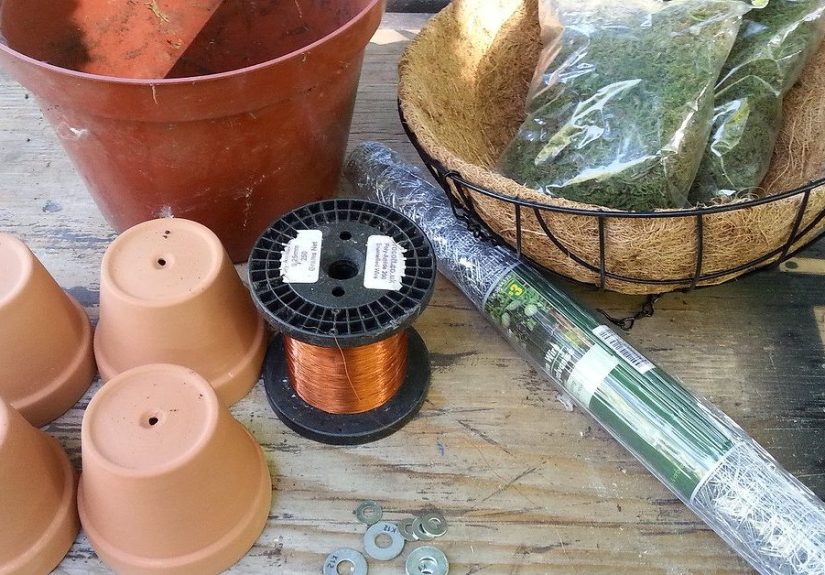
Step 1: Gather Your Materials
- Turtle topiary frame (wire form) or DIY frame made from sturdy wire mesh
- Sphagnum moss (the long-fiber kind is easiest to pack)
- Potting mix (optional, but helpful if you want more root support inside)
- Fishing line or florist wire to secure moss in place
- Plants: ivy/creeping fig/baby’s tears, or succulent cuttings for a mosaic shell
- Pruners/snips, gloves, and a spray bottle
- A sturdy container (if not installing in-ground) with drainage holes
Step 2: Anchor the Turtle So It Doesn’t “Waddle” Away
Your turtle needs stability. If it’s in a pot, use a container heavy enough that wind won’t tip it over.
If you’re placing it in a bed, anchor the frame firmly in the soil. A topiary that falls over repeatedly
tends to lose its charm and gain an edge of slapstick.
Step 3: Prep the Moss and Pack the Frame
Moisten the sphagnum moss so it’s pliable. Pack it tightly into the wire shell, head, and legs. If your
frame design allows, add a core of potting mix in the body area to hold moisture and provide nutrients
for rooted plants.
Once stuffed, wrap the outside with fishing line or florist wire to keep moss from bulging out. Trim any
messy strands poking throughyour turtle deserves a tidy shell.
Step 4: Plant It (Two Good Options)
Option A: Vines (easier, faster fill-in)
- Start with a healthy vine plant in the pot (or plant into the pot at the base of the frame).
- Gently feed stems through openings in the frame so foliage appears across the turtle’s body.
- Weave and tuck stems along the wire, guiding growth into the shape.
Option B: Succulents (more sculptural, less trimming, more “art”)
- Use succulent cuttings suited to your light conditions.
- Make small openings in the moss and insert cuttings so the base touches moist moss (and soil if included).
- Vary textures for a “shell pattern” effectshort rosettes, trailing sedums, compact clusters.
Step 5: Water Smart (The Part People Overthink)
Moss-based forms should stay consistently moist, but not waterlogged. A helpful trick is to lift the
topiary: if it feels surprisingly light, it likely needs water; if it’s heavy, it’s probably fine.
For succulent turtles, you’re aiming for a careful middle groundenough moisture to establish cuttings, but not so
much that you invite rot. Watering from the top can help distribute moisture through the form, and letting excess
drain is non-negotiable.
Step 6: Trim and Train (How Your Turtle Keeps Its Shape)
Topiary maintenance is mostly about small, frequent adjustments. With vines, tuck new growth into the
frame and snip anything that shoots out and ruins the silhouette. With shrubs, the principle is similar: keep the
shape, don’t scalp the plant, and plan each cut so light can still reach interior foliage.
Plant Picks: What Works Best for a Turtle Topiary?
The “best” plant depends on where your turtle will live (indoors vs outdoors), how much sun it gets, and how often
you want to trim. Here are reliable categories to consider:
For Clipped Shrub Turtles
- Boxwood for classic dense foliage and formal shaping (great for traditional topiary looks).
- Yew and certain junipers for durable evergreen structure in many regions.
- Hollies (like small-leaf types) for a boxwood-like effect in some climates.
- Rosemary or bay laurel for container topiary that smells amazing (and makes you feel like a culinary wizard).
For Wire-Frame Vine Turtles
- English ivy (or smaller-leaf ivy varieties) for easy training and quick coverage.
- Creeping fig for warm climates or bright indoor spaces (excellent fine texture).
- Baby’s tears for a tiny-leaf “plush” look (needs consistent moisture).
For Moss-and-Succulent Turtles
- Sedum varieties for trailing, durable coverage.
- Echeveria and other rosette succulents for a patterned shell effect.
- Small sempervivums (hens and chicks) in suitable climates.
Pro tip: smaller leaves usually look more realistic at “turtle scale.” Big leaves can make your turtle look like
it’s wearing a leafy poncho. Which is… still a vibe, just a different one.
Care and Maintenance: Keep Your Turtle Looking Sharp (Without Becoming Its Full-Time Manager)
Watering
Water needs vary by method:
- Shrub topiary: Water deeply during establishment; after that, follow normal shrub care for your region.
- Vine frame topiary: Keep soil evenly moist, especially in containers.
- Moss/succulent forms: Keep moss moist while establishing, then adjust to avoid constant saturation (especially for succulents).
Pruning and Timing
For shrub topiary, pruning is a mix of technique and timing. Frequent light trimming during the growing season
maintains shape and encourages dense growth. Avoid heavy trimming during extreme heat, and be cautious about late-season
pruning that can encourage tender growth right before cold weather.
For vine turtles, “pruning” is mostly trimming for silhouette and tucking growth back into the frame. The goal is a clean
outline and enough airflow that you don’t create a damp, tangled interior.
Winter Protection (Especially for Containers)
If your turtle lives in a pot and your winters get harsh, the roots are more exposed than in-ground plants. Protecting a
container topiary can involve moving it to a sheltered location, insulating the pot, and using breathable coverings like
burlap for wind protection when appropriate. Evergreens can suffer from winter burn in windy, sunny, or drying conditions,
so a little planning prevents a lot of springtime disappointment.
Troubleshooting: Common Turtle Topiary Problems (and Fixes)
“My Shrub Turned Brown After Trimming”
This can happen if interior foliage that was shaded gets suddenly exposed to strong sun, or if trimming was too aggressive.
The fix is gradual shaping, avoiding severe cuts into old wood (depending on species), and trimming in moderate conditions
so the plant can recover steadily.
“My Moss Keeps Falling Out”
Pack it tighter than you think you need to, and secure it with fishing line or wire wrap. Moss shrinks as it dries, so it
needs containment. If it still loosens, add another wrap layer and mist to help it settle.
“My Boxwood Looks Sick and I’m Panicking”
First: breathe. Then: look closely. Boxwood can face pest and disease issues, including blights that cause leaf spotting and
defoliation. Good sanitation, avoiding overhead watering, and starting with healthy plants matter. If you suspect a serious
disease, your local extension office guidance is worth its weight in gold (and far cheaper than replacing an entire turtle).
Design Ideas: Make Your Turtle Look Like It Belongs There (Not Like It Escaped a Garden Parade)
- Near a path: Place your turtle where it “greets” peopleinstant charm upgrade.
- By a water feature: Classic turtle logic. Even a birdbath nearby helps sell the story.
- In an herb garden: Rosemary or thyme topiary turtles feel especially at home here.
- Create a turtle family: One big turtle and a couple small ones is unreasonably delightful.
- Shell pattern planting: Mix two succulent textures or two small-leaf plants for a “scute” effect.
Quick FAQ
How long does a turtle topiary take to “fill in”?
Vines can start looking full in a few months in warm growing conditions. Shrub turtles are slowerthink seasons, not weeks.
Succulent turtles can look good quickly, but they’re slower to truly knit and establish.
Can I keep a turtle topiary indoors?
Yesespecially vine-frame turtlesif you have bright light (or supplemental grow lighting), good airflow, and realistic
expectations. Indoor topiary is equal parts plant care and light management.
Do I need special tools?
Not really. A sharp pair of hand pruners and small snips handle most turtle topiary work. Hedge shears can help on larger
shrub shapes, but precision matters for animal formsturtles have curves, not flat walls.
Conclusion: Your Garden Deserves a Little Whimsy
A turtle topiary is one of those projects that looks impressive, feels joyful, and quietly teaches you the gardener’s greatest
superpower: patient consistency. Whether you go full formal with a clipped evergreen turtle or build a vine-covered frame in a
weekend, you’re creating a living sculpture that changes with the seasonsand makes your yard feel like a place with a personality.
And if anyone asks why you made a plant turtle, you can tell them the truth: your garden needed a guardian. Also, turtles are cute.
Experiences With Turtle Topiary (500+ Words of What It’s Really Like)
People imagine topiary as a dramatic, cinematic momentgolden light, elegant snips, a single perfect curl of leaf falling in slow motion.
The reality is usually more like: you’re holding a pair of pruners, squinting at your turtle’s “neck area,” and negotiating with a vine that
insists its destiny is to become a scarf.
One of the most common “first experiences” with a turtle topiary is discovering that your turtle immediately becomes a character. Gardeners
name them. Kids name them faster. Guests name them without permission. Suddenly you’re saying things like, “Please don’t lean on Sheldonhe’s
still filling in on the left side,” and nobody questions it because the turtle is clearly the most reasonable thing happening.
If you build the wire-frame vine turtle, the early weeks feel like setting up a tiny green construction site. You tuck stems, you guide new
growth, and you learn the difference between “training” and “wrestling” (it’s mostly attitude). The most satisfying moment is when the shell
finally starts to read as a shellwhen the foliage coverage becomes intentional instead of accidental. Many gardeners describe this phase as
strangely relaxing, because it’s repetitive but creative: you’re basically weaving a living blanket with scissors nearby “just in case.”
Succulent turtle experiences are different. They tend to start with excitementpicking rosettes, choosing textures, planning a shell pattern
and then shift into a new hobby: monitoring moisture like you’re in charge of a tiny botanical space mission. Gardeners often learn quickly that
succulents are forgiving about brief dryness but not forgiving about soggy conditions that linger. The payoff is huge, though: a succulent turtle
can look like living mosaic art, and it photographs ridiculously well (your phone will insist on focusing on it instead of your actual family).
Clipped-shrub turtle experiences are the slow-burn story. The first season can feel like you’re doing “almost nothing,” because so much of it is
gentle shaping and encouraging density. But then you look back at older photos and realize your turtle went from “lumpy green blob” to “recognizable
creature with a vibe.” Many gardeners say the clipped turtle teaches them restraint: you’re not carving a statue from stone; you’re cooperating with
growth. The turtle becomes a long-term project that quietly improves every year, like a garden tradition.
Across all methods, there’s a shared experience: people interact with turtle topiaries. They notice them. They talk to them (sometimes jokingly,
sometimes… not). They point them out to visitors like a proud museum docent. And because a turtle is non-threatening and friendly by design, it can
soften an outdoor spacemaking formal gardens feel more welcoming and casual gardens feel more intentional.
Finally, there’s the “maintenance reality,” which is honestly not that bad once you accept one truth: your turtle will occasionally look messy right
before it looks amazing. Vines grow where they want. Shrubs put out uneven flushes. Moss forms dry faster in heat. The gardeners who enjoy turtle
topiary the most aren’t chasing perfection every daythey’re doing small check-ins, tiny trims, and letting the turtle evolve. It’s less like owning
a lawn ornament and more like keeping a friendly, leafy pet that only asks for sunlight, water, and the occasional haircut.