Table of Contents >> Show >> Hide
- What is calamine lotion, exactly?
- Best uses for calamine lotion (and when to skip it)
- How to use calamine lotion correctly (the “please don’t paint it on like a wall” guide)
- How to use calamine lotion for sunburn
- How to use calamine lotion for acne (spot use, not a lifestyle)
- More calamine lotion uses (the “and more” part you actually came for)
- Side effects and safety tips
- FAQs
- of real-world experiences (what people typically notice)
- Bottom line
Calamine lotion is that classic bubblegum-pink bottle your grandma kept in the medicine cabinetright next to the
bandages, the mysterious half-empty rubbing alcohol, and (somehow) a thermometer from 1997.
And here’s the plot twist: the stuff still earns its shelf space.
Calamine lotion can be a solid, inexpensive helper for itchy, irritated skinespecially when you want something
soothing that also dries out oozy rashes. But it’s not a miracle potion, and it’s definitely not a “put it on
everything” product. (Your face, in particular, would like a word.)
Important: This article is for general information and practical use tips. If you have severe symptoms, signs of infection, or a condition that’s not improving, check in with a clinician.
What is calamine lotion, exactly?
Calamine lotion is an over-the-counter topical product best known for calming itch and minor irritation. It’s commonly
described as a “skin protectant” with a mild drying and soothing effect. That iconic pink color comes from iron oxide
(ferric oxide), and many formulas also include zinc oxideanother well-known skin protectant used in everything from
diaper rash products to mineral sunscreen.
Think of calamine as a “comfort + dry” combo: it can help take the edge off itch and discomfort, while also helping
dry oozing or weeping rashes (like certain plant rashes).
Why it works (in plain English)
- Soothes itch: It can reduce that “I must scratch or I’ll explode” feeling that comes with many mild rashes.
- Protects irritated skin: Zinc oxide can act like a protective barrier on the skin’s surface.
- Dries wet/oozy spots: Helpful when a rash is weeping fluid and you want it to calm down and dry out.
Best uses for calamine lotion (and when to skip it)
Calamine is usually a good idea for:
- Sunburn discomfort (mild to moderate; intact skin)
- Poison ivy/oak/sumac rashes (especially itchy, weepy areas)
- Bug bites and mild allergic itch
- Chickenpox itch (dabbing itchy spotsfollow your healthcare guidance)
- Heat rash or mild skin irritation where drying helps
- Minor contact dermatitis (after you’ve removed/avoided the trigger)
Skip calamine (or ask a pro first) if you have:
- Open wounds, deep cuts, or raw, cracked skin that’s actively bleeding
- Severe sunburn with widespread blistering, intense swelling, fever, chills, or dehydration
- Signs of infection (increasing redness, warmth, pus, worsening pain, fever)
- Very dry or eczema-prone skin that flares easily (calamine can be drying)
- Rash on sensitive areas (eyes, mouth, genitals, or mucous membranes)
- Unclear rash that’s spreading fast, painful, or not improving after several days
How to use calamine lotion correctly (the “please don’t paint it on like a wall” guide)
Step 1: Prep the skin
Start with clean, dry skin. If you’re sweaty (sunburn day at the beach, anyone?), rinse with cool water and gently
pat dry. Avoid harsh soaps or scrubbingyour skin is already having a tough time.
Step 2: Shake it like you mean it
Calamine lotion is a “shake lotion,” meaning the ingredients can separate. Give the bottle a good shake before each
use so you don’t end up applying mostly watery liquid followed by a chalky sludge later.
Step 3: Apply a thin layer
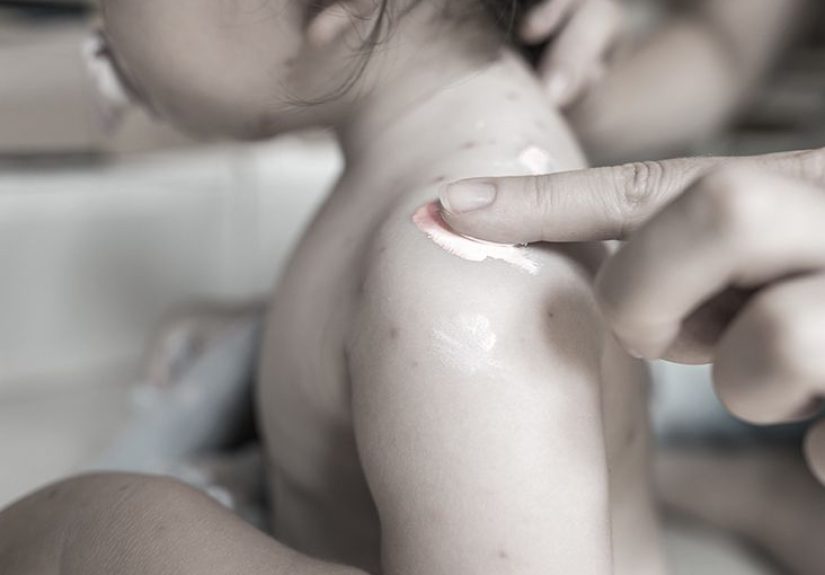
Use a cotton ball, cotton swab, or clean fingers to dab a thin layer onto the affected area. Let it dry fully.
It will look pink, matte, and slightly powdery. That’s normal.
Step 4: Reapply as neededwithout overdoing it
Many people reapply several times per day depending on itch and irritation. If your skin starts to feel too tight,
flaky, or more irritated, reduce frequency or stop and switch strategies.
Step 5: Wash hands and protect your clothes
Wash your hands after applying. And yescalamine can transfer to fabric. Wear older clothes or keep the area uncovered
until it dries. If you’re applying it to a large area, choose breathable fabric and avoid rubbing the lotion into your
clothing like it’s a new fashion dye.
How to use calamine lotion for sunburn
For sunburn, calamine works best as a soothing, cooling layerespecially when the burn is itchy or uncomfortable.
It’s not a cure, and it won’t reverse UV damage, but it can make the “I regret everything” phase more tolerable.
When calamine helps most
- Mild to moderate redness with tenderness and itch
- Intact skin (no broken blisters or raw patches)
- After cooling the skin (cool shower or cool compress first)
Sunburn routine (simple and effective)
- Get out of the sun immediately and avoid more UV exposure.
- Cool the skin with a cool shower or cool damp cloth (not ice directly on skin).
- Pat dry gently (no aggressive towel attacks).
- Dab calamine in a thin layer on the most uncomfortable areas.
- Hydrate (sunburn pulls fluid toward the skin surface).
- Consider pain relief (like ibuprofen) if you can safely take it.
What not to do
- Don’t apply calamine on popped blisters or open areas.
- Don’t use drying products repeatedly if your sunburn is already peeling heavily and tight.
- Don’t ignore severe symptoms like fever, extensive blistering, confusion, or dehydration.
Pro tip: some people like to cool the bottle in the refrigerator before applying. Cool (not frozen) can feel extra soothing.
How to use calamine lotion for acne (spot use, not a lifestyle)
Calamine lotion shows up in acne “hacks” because it can be drying and may temporarily reduce redness on some inflamed
pimples. But acne is usually driven by clogged pores, inflammation, bacteria, and hormonesso calamine isn’t a
first-line acne treatment.
When calamine might help acne
- As a short-term spot treatment for a very inflamed, “angry” pimple
- If your skin is oily and tolerates drying products well
- If the area is itchy (some acne treatments cause irritation; calamine can sometimes calm that)
How to use it for acne safely
- Cleanse gently with a mild, fragrance-free cleanser.
- Spot test first (especially if you have sensitive skin).
- Dab a tiny amount on the pimple only (not your whole face).
- Use at night if you don’t want to walk around looking like a strawberry milkshake spilled on your chin.
- Moisturize if you get dryness or flaking (barrier support matters).
When calamine can backfire for acne
- Overuse can over-dry your skin, which may lead to more irritation and a compromised skin barrier.
- All-over face application can be too harsh for many people and may worsen sensitivity.
- If you have eczema or very dry skin, calamine may make things feel tighter and itchier.
If your acne is persistent, painful, scarring, or not responding to over-the-counter basics, it’s worth following a
dermatologist-guided plan. Evidence-backed acne ingredients usually include benzoyl peroxide, salicylic acid, and
retinoidscalamine is more like a cameo appearance than the star of the show.
More calamine lotion uses (the “and more” part you actually came for)
1) Poison ivy, poison oak, and poison sumac
This is calamine’s home turf. Plant rashes can be intensely itchy, and they may ooze or weep. Calamine can help soothe
and dry those areas. Use it alongside other comfort measures like cool compresses and oatmeal baths.
Example: If you were weeding the backyard and woke up with an itchy streaky rash on your forearm, calamine can help
reduce itch while the reaction settlesespecially if the rash is weeping.
2) Bug bites and mild allergic itch
Mosquito bites, flea bites, and other minor bites can itch like they’re trying to win a contest. Calamine can reduce
that itch so you’re less likely to scratch, break the skin, and invite infection to the party.
3) Chickenpox itch (supportive care)
Calamine is sometimes used to dab itchy spots during chickenpox for comfort, along with other supportive measures
like cool baths (per clinical guidance). This doesn’t treat the virus, but it can help the itch.
4) Mild contact dermatitis
If your skin reacts to an irritant (like a new detergent, metal, fragrance, or plant exposure), the best “treatment”
is removing the trigger. After that, calamine can be one option for itch reliefespecially if the rash is mild and
localized.
5) Heat rash and sweaty irritation
Heat rash happens when sweat gets trapped and irritates the skin. Because calamine can be drying and soothing, it can
help in mild casesespecially when combined with getting cool, wearing loose clothing, and keeping the area dry.
Side effects and safety tips
Common-ish downsides
- Dryness and tightness (especially with frequent use)
- Chalky residue that can rub off or clump in skin folds
- Cosmetically obvious color (pink is cute; pink on your whole face at noon is… a choice)
Stop using and get help if you notice:
- Worsening rash, increased swelling, or intense burning
- Hives, severe redness, or signs of an allergic reaction
- Symptoms that persist beyond about a week or keep returning
- Signs of infection (pus, warmth, spreading pain/redness, fever)
Where not to put it
Calamine is for external skin use only. Avoid eyes and mucous membranes (inside mouth or nose, genital/anal areas).
If you accidentally get it in your eyes, rinse thoroughly with water.
FAQs
Can I use calamine lotion every day?
For short-term itch relief, many people use it daily for a few days. Long-term daily useespecially on the facecan be
overly drying for some skin types. If you find you “need” it every day, it may be time to treat the underlying cause
(eczema management, allergy trigger avoidance, acne plan, etc.).
Can I layer calamine with other products?
Sometimes, but be thoughtful. Calamine dries to a powdery layer that can interfere with other topicals. In many cases,
it’s simpler to use calamine for comfort and keep other medicated products (like hydrocortisone or acne treatments)
on a separate schedule. If you’re unsure, ask a pharmacistthis is their Olympics.
Does calamine lotion expire?
Most OTC products have an expiration date on the bottle. If the lotion smells “off,” looks strangely separated even
after shaking, or has changed texture dramatically, toss it and get a fresh bottle. It’s inexpensive, and your skin
deserves better than a science experiment.
of real-world experiences (what people typically notice)
While everyone’s skin is different, there are a few common “calamine experiences” that come up again and again in real
lifeespecially when people use it for sunburn, acne, or itchy rashes. Here’s what you can realistically expect, plus
a few practical lessons people learn the hard way (so you don’t have to).
Experience #1: The sunburn “cool-down” moment
Many people say calamine feels most helpful right after the skin is cooledthink: you’ve taken a cool shower, the heat
has calmed down, and now you need something that reduces that tight, itchy, “my skin is two sizes too small” feeling.
When applied in a thin layer, it often dries quickly and leaves the skin feeling less irritated. Some people like
refrigerating the bottle so the first contact feels extra soothing. The big lesson: calamine tends to feel better on
intact skin. If you’re blistering or peeling hard, the drying effect may feel uncomfortableat that stage, many people
switch to gentler moisturizers or follow clinician-recommended burn care.
Experience #2: The acne spot that shrinks… and the skin that flakes
For acne, the most common story is: “I dabbed it on a big pimple and it looked calmer the next morning.” That can
happenmainly because calamine can dry and temporarily reduce surface irritation. The second part of that same story
is often: “Then my skin got flaky right there.” Spot use is where calamine tends to shine, if it shines at all for acne.
People who apply it over the whole face frequently report tightness, dryness, and irritationespecially if they’re also
using acne actives like retinoids or benzoyl peroxide. The lesson: if you want to try calamine for acne, treat it like
a targeted tool (one pimple, one night), not a new daily skincare identity.
Experience #3: The poison ivy “itch breaker”
With poison ivy and similar plant rashes, people often describe calamine as an “itch breaker.” It doesn’t make the rash
disappear instantly, but it can make the itch less intenseso you scratch less, sleep better, and avoid turning a rash
into a scab-and-scar situation. Many people find it especially helpful on weepy spots because it dries them out.
The lesson: calamine works best alongside basicscool compresses, gentle cleansing, avoiding re-exposure (wash clothes!),
and not scratching.
Experience #4: The “why am I pink?” lifestyle problem
Calamine is not subtle. People commonly mention two practical annoyances: it’s visible, and it can transfer onto clothes
or bedding if you don’t let it dry fully. The lesson: apply a thin layer, give it drying time, and choose “mess-friendly”
fabrics when you’re treating larger areasespecially at night.