Table of Contents >> Show >> Hide
- What Exactly Are Stretch Marks?
- Why Do Stretch Marks Happen?
- Can You Really Get Rid of Stretch Marks?
- At-Home Options to Fade Stretch Marks
- In-Office Treatments Dermatologists Use
- Preventing New Stretch Marks (As Much As Possible)
- When Should You See a Doctor?
- The Emotional Side: It’s Not “Just Cosmetic”
- Real-Life Experiences with Stretch Marks
- Conclusion: Stretch Marks, Science, and Self-Compassion
Let’s be honest: stretch marks are like uninvited guests at a house party. You didn’t ask for them, you’re not thrilled they showed up, and yet… there they are, hanging out on your hips, belly, thighs, or arms. The good news? Stretch marks are incredibly common, medically harmless, and you have more options than ever to help fade them and feel better in your skin.
In this in-depth guide, we’ll break down why stretch marks happen, who gets them, which treatments actually have science behind them, and what you can realistically expect if you’re trying to make them less noticeable. We’ll also talk about prevention (as far as that’s possible) and share some real-life experiences so you don’t feel like you’re dealing with this alone.
What Exactly Are Stretch Marks?
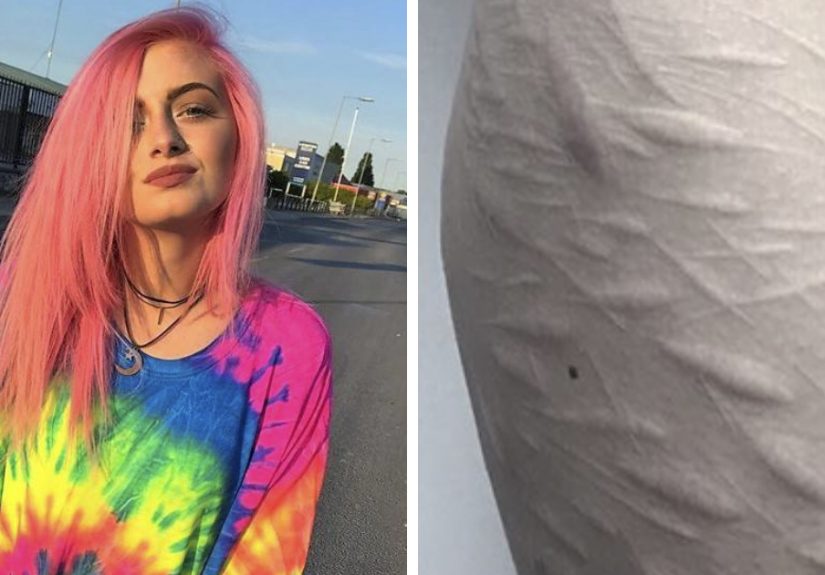
Stretch marks, medically called striae distensae, are a type of scar that forms when your skin stretches or shrinks too quickly. Underneath the surface, the supporting fibers in your skinmainly collagen and elastincan’t keep up with the rapid change, so they partially tear. As the skin heals, those tiny tears show up as visible lines we call stretch marks.
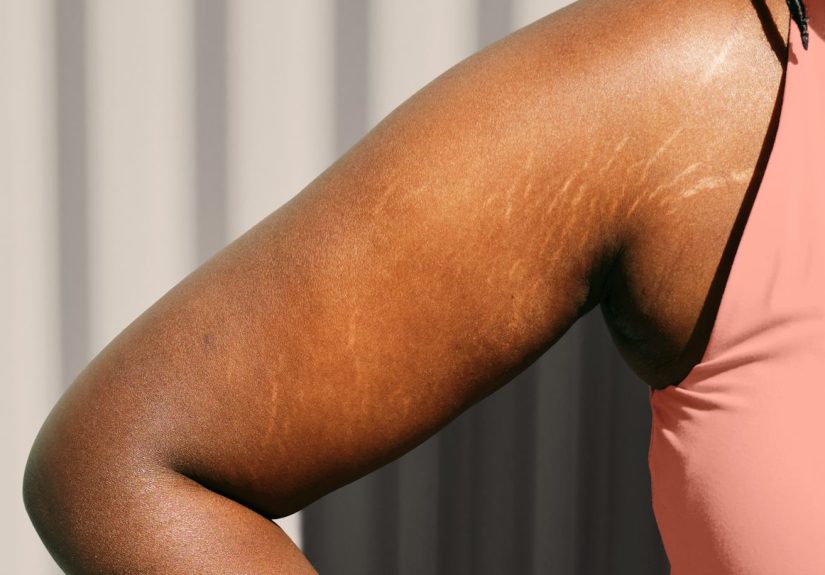
At first, new stretch marks often look reddish, purple, or dark brown depending on your skin tone. This early stage is known as striae rubrae. Over time, they usually fade to lighter, silvery, or slightly depressed lines, called striae albae. They may become less noticeable but rarely disappear completely on their own.
Common areas for stretch marks include:
- Abdomen (especially during and after pregnancy)
- Breasts and chest
- Hips and buttocks
- Thighs and behind the knees
- Upper arms and shoulders (especially in bodybuilders)
Why Do Stretch Marks Happen?
You can think of stretch marks as the result of two main forces working together: mechanical stretching of the skin and hormonal changes that affect how strong and stretchy that skin is.
Rapid Stretching or Shrinking of the Skin
When your body changes size quickly, your skin doesn’t always have time to adapt. That’s when the deeper layer of the skinthe dermiscan tear. Situations that commonly trigger this include:
- Pregnancy: Rapid belly and breast growth, especially in the third trimester.
- Puberty: Growth spurts in teens can cause stretch marks on hips, thighs, or shoulders.
- Rapid weight gain or loss: Big, fast changes in weight put stress on the skin.
- Intense muscle-building: Bodybuilders and athletes who bulk up quickly are prone to stretch marks on shoulders, arms, and chest.
The Hormone Connection: Cortisol, Estrogen, and Friends
Hormones play a quiet but powerful role. One key hormone is cortisol, produced by the adrenal glands. Higher levels of cortisol can weaken the skin’s elastic fibers, making it more vulnerable to tearing as it stretches.
That’s why certain conditions and medications increase your risk:
- Prolonged use of corticosteroid creams or pills (like prednisone) can reduce collagen production, thinning the skin.
- Hormonal conditions such as Cushing syndrome or certain genetic syndromes (like Marfan or Ehlers-Danlos) affect collagen and skin strength.
- Pregnancy hormones can soften skin fibers, making them more likely to stretch and tear.
Risk Factors: Who’s More Likely to Get Stretch Marks?
Technically, anyone can get stretch marks. But your odds go up if:
- You have a family history of stretch marks.
- You’re female (partly due to pregnancy and hormonal patterns).
- You experience rapid growth in adolescence.
- You have frequent or major weight changes.
- You use corticosteroids or anabolic steroids long-term.
- You’ve had breast enlargement surgery or other procedures that rapidly stretch the skin.
Can You Really Get Rid of Stretch Marks?
Here’s the honest, slightly annoying truth: there is currently no treatment that completely erases stretch marks. Even with the best technology and skincare routine, most people see improvementnot perfection. The goal is usually to:
- Lighten the color so marks blend better with surrounding skin.
- Smooth the texture so they’re less deep and visible.
- Improve overall skin firmness and elasticity.
So instead of promising “removal,” think in terms of “reducing the appearance” of stretch marks. That mindset will save you money, frustration, and a bathroom cabinet full of half-used creams.
At-Home Options to Fade Stretch Marks
The skincare aisle is full of lotions and oils promising miracles. Let’s sort through what’s actually worth considering and what’s basically wishful thinking in a fancy bottle.
1. Prescription Retinoid Creams (for Non-Pregnant Users)
Topical retinoids, such as tretinoin, are derivatives of vitamin A that help stimulate collagen production and speed up cell turnover. They’ve shown the most consistent results in studiesespecially for newer, reddish stretch marks.
- Best for: Early stretch marks (striae rubrae).
- How they help: Encourage collagen remodeling, making marks shallower and closer to your normal skin tone.
- Important: Retinoids should not be used during pregnancy or breastfeeding. Always talk to your healthcare provider first.
2. Moisturizers with Hyaluronic Acid, Centella, or Plant Oils
While no cream can guarantee prevention or removal, keeping skin well-hydrated can improve elasticity and may slightly reduce the risk of severe stretch marks. Some ingredients you’ll often see include:
- Hyaluronic acid: Helps the skin retain moisture and look plumper.
- Centella asiatica extract: A plant ingredient that may support collagen production and wound healing.
- Almond oil, cocoa butter, shea butter, or coconut oil: Soften and lubricate the skin, which may make stretching more comfortable.
These products can’t guarantee results, but they are generally safe and can make your skin feel smoother and more comfortable while your body changes.
3. Gentle Exfoliation
Light exfoliationwhether with a mild scrub or chemical exfoliant like lactic or glycolic acidcan help improve skin texture and allow other products to penetrate more effectively. Just keep things gentle: irritated, over-scrubbed skin is the last thing you want when you’re already dealing with stretch marks.
4. Sun Protection: The Most Underrated Step
Stretch marks tend to look more obvious when the surrounding skin tans but the scar tissue doesn’t. Daily sunscreen on affected areas helps prevent that contrast and protects fragile collagen. If you’re investing in treatments, SPF is your insurance policy.
In-Office Treatments Dermatologists Use
If your stretch marks are really bothering you, a board-certified dermatologist or aesthetic physician can offer procedures that go deeper than creams ever will. Options may include:
1. Laser and Light Therapies
Different lasers target different aspects of stretch marks. Vascular lasers can reduce redness in early marks, while fractional lasers create controlled micro-injuries that stimulate collagen remodeling in older, pale marks.
- Pros: Can significantly improve color and texture over several sessions.
- Cons: Costly, may require downtime, and results vary by skin type and severity.
2. Microneedling
Microneedling uses tiny needles to create micro-channels in the skin, triggering a healing response and collagen production. Sometimes it’s combined with topical serums (like hyaluronic acid or vitamin C) to boost results.
- Pros: Generally well-tolerated, can improve both texture and tone.
- Cons: Multiple sessions are usually needed, and results are gradual rather than instant.
3. Microdermabrasion and Chemical Peels
These treatments gently remove the outermost layer of skin and encourage new cell growth. They’re usually less dramatic than lasers but may be helpful for mild stretch marks or as part of a combined treatment plan.
4. Radiofrequency and Ultrasound-Based Treatments
Some devices use heat energy to tighten collagen fibers and stimulate new collagen production in deeper layers of the skin. These can help improve firmness and texture over time and are often used on areas like the abdomen or thighs.
With all these in-office treatments, expectations matter. Typically, people see partial improvementthink “softer, lighter, and less noticeable,” not “perfectly smooth, never-there skin.”
Preventing New Stretch Marks (As Much As Possible)
You can’t change your genes or completely control your hormones, but there are a few things you can do to support your skin as your body changes.
- Maintain a steady weight: Avoiding dramatic weight swings gives your skin more time to adapt.
- Stay hydrated: Drinking enough water supports overall skin health and elasticity.
- Eat a skin-supportive diet: Focus on proteins, healthy fats, and vitamins A, C, and E, which help synthesize collagen and protect skin cells.
- Moisturize regularly: Daily use of a body lotion or oil can help skin feel more supple and comfortable as it stretches.
- Talk to your doctor about steroid medications: If you’re on long-term corticosteroids, ask whether the dose or formulation can be adjusted.
For pregnant people, gradual weight gain within your provider’s recommendations, gentle exercise (if approved), and regular moisturizing may make stretch marks milderbut there’s no guaranteed way to prevent them. If your belly is growing a whole human, your skin is doing a big job; a few stripes are almost inevitable.
When Should You See a Doctor?
Most stretch marks are a cosmetic issue, not a medical emergency. However, it’s a good idea to talk with a healthcare provider or dermatologist if:
- Your stretch marks appear suddenly and are widespread without a clear cause.
- You also have other symptoms like fatigue, easy bruising, or unexplained weight changes.
- You’re considering prescription-strength treatments or in-office procedures.
Sometimes, rapidly developing stretch marks can be a clue to an underlying hormonal or endocrine problem. A quick evaluation can rule out anything serious and help you choose safe, effective treatments.
The Emotional Side: It’s Not “Just Cosmetic”
On paper, stretch marks are harmless scars. In real life, they can affect how you feel in your clothes, at the beach, in intimate situations, or even just looking in the mirror. It’s totally valid to care about how they lookand it’s equally valid to decide you’re done worrying about them.
Remember:
- Stretch marks are incredibly common in people of all sizes, genders, and ages.
- They often mark major life changesgrowth spurts, pregnancies, fitness goals, or health journeys.
- Your worth is not measured in how “smooth” your skin looks under unforgiving bathroom lighting.
Real-Life Experiences with Stretch Marks
Facts and science are important, but stretch marks are also deeply personal. Here are some composite, real-world experiences that reflect what many people go throughmaybe you’ll recognize a bit of yourself in them.
“My Pregnancy Stripes Arrived Before the Baby”
Jenna always assumed that if she bought the right “belly butter,” she could avoid stretch marks during pregnancy. She massaged her bump twice a day, drank tons of water, and followed her provider’s advice. By the start of her third trimester, faint reddish lines appeared below her belly button. A month later, her hips and breasts joined the club.
At first, she was upsetshe felt like she had “failed” at prevention. Over time, her perspective shifted. Her dermatologist explained that genetics and hormones were big drivers and that she’d done everything right. Jenna tried a prescription retinoid cream after she finished breastfeeding and did a short series of microneedling sessions. A year later, her stretch marks were still there but softer, lighter, and easier to ignore. She jokes now that they’re “souvenirs from her favorite nine-month adventure.”
“I Got Stretch Marks from the Gym, Not from Weight Gain”
Malik always associated stretch marks with weight gainuntil he started serious strength training in his early 20s. After a few intense months of heavy lifting and bulking, he noticed reddish lines along his shoulders and upper arms. He was frustrated: he’d worked so hard to get stronger, and now his skin looked “damaged.”
After some research and a conversation with a dermatologist, he realized this was actually pretty common among bodybuilders. His rapid muscle growth had stretched the skin faster than his collagen could keep up. He decided not to pursue any procedures, but he did adjust his training program to increase more gradually, added regular moisturizing, and started using sunscreen on his shoulders. Today, the marks have faded to pale linesstill visible up close, but barely noticeable to anyone else.
“My Stretch Marks Helped Diagnose a Hormonal Condition”
For Ana, stretch marks were more than a cosmetic concern; they were a clue. She developed wide, purple stretch marks on her abdomen and thighs over just a few months, even though her weight hadn’t changed much. At the same time, she felt constantly tired and noticed new facial hair and easy bruising.
Her doctor took her symptoms seriously and ordered tests. The result: Ana had Cushing syndrome, a condition in which the body produces too much cortisol. Treating the underlying hormonal imbalance helped stabilize her health, and over time, her stretch marks faded. She later said she was “oddly grateful” for themthey pushed her to seek answers sooner rather than later.
“I Decided Not to Treat Them at Alland That’s Okay Too”
Not everyone chooses to treat their stretch marks, and that’s a perfectly valid option. Sam, a nonbinary artist, spent years hiding their inner thighs and lower back under long shorts and oversized shirts. Eventually, they started following body-positive and body-neutral creators online and noticed how many people showed off their stretch marks openly.
Slowly, Sam experimented with wearing shorter clothing and swimsuits that didn’t cover everything. They didn’t use laser treatments, prescription creams, or microneedling. Instead, their “treatment plan” was moisturizer, sunscreen, and therapy. The stretch marks are still therebut now they see them as part of their story, not a flaw they have to fix.
Whether you’re leaning toward professional treatments, a solid at-home routine, or simply choosing acceptance, your experience is valid. The most important thing is that you feel comfortable and empowered in your own skinstretch marks and all.
Conclusion: Stretch Marks, Science, and Self-Compassion
Stretch marks happen when the skin is asked to do more, stretch faster, or endure more hormonal changes than it comfortably can. They’re a sign that your body has grown, changed, adapted, and healed. While you can’t always prevent them, you can:
- Support your skin with hydration, nutrition, and gradual body changes when possible.
- Use evidence-based options like prescription retinoids (when safe) and dermatologist-led procedures to soften and fade them.
- Protect your results with smart daily habits like moisturizing and sunscreen.
- Choose acceptance, if that’s what feels right, knowing that stretch marks are normal, common, and nothing to be ashamed of.
At the end of the day, stretch marks are one small piece of your larger story. Whether you decide to treat them, live with them, or even proudly show them off, the goal isn’t “perfect skin”it’s feeling at home in the body you live in every day.