Table of Contents >> Show >> Hide
- What Exactly Is Butternut Squash?
- Butternut Squash Nutrition by the Numbers
- Health Benefits of Butternut Squash
- 1) Supports eye health (your retina will be thrilled)
- 2) Helps your gut do its job (politely and on schedule)
- 3) Heart-friendly: potassium + fiber in one cozy package
- 4) Immune support (because sharing is caring, but not with germs)
- 5) Skin perks (not a filter, but still helpful)
- 6) A smart carb for balanced eating
- How to Get the Most Nutrition Out of It
- How to Pick, Store, and Prep Butternut Squash
- Best Ways to Cook Butternut Squash
- Creative Uses You’ll Actually Want to Repeat
- Can You Eat the Seeds?
- Freezing and Food Safety (Important If You Meal Prep)
- Who Should Be Cautious?
- Frequently Asked Questions
- Conclusion: The Takeaway
- Real-World Experiences With Butternut Squash (The Part No One Warned You About)
- Stage 1: The store optimism
- Stage 2: The cutting board reality check
- Stage 3: The “roasting aroma converts the whole household” moment
- Texture wins: why soups and sauces feel so satisfying
- Digestive “feedback” (a polite heads-up)
- Small rituals that make it easier to eat consistently
- The “I didn’t know I liked vegetables” win
Butternut squash is the cozy sweater of produce: reliable, flattering, and somehow appropriate for both soup season and “I forgot to meal prep” season.
It’s sweet, creamy, easy to love, and secretly doing a lot of work in the nutrition departmentwithout demanding much in return besides a knife that isn’t dull.
In this guide, we’ll break down butternut squash nutrition, the most evidence-based health benefits, and the tastiest ways to use it (including a few that
don’t involve turning your kitchen into a squash crime scene).
What Exactly Is Butternut Squash?
Butternut squash is a type of winter squash (yes, winter squash grows in warm months and stores well into colder monthsnature loves a plot twist).
It has a pale tan skin, bright orange flesh, and a naturally sweet, nutty flavor that gets even better when cooked. Botanically, it’s a fruit, but
nutritionally and culinarily it behaves like a vegetablekind of like that friend who insists they “don’t like labels.”
Butternut Squash Nutrition by the Numbers
Let’s talk specifics. For 1 cup of cooked, cubed butternut squash, you’re looking at a nutrient-dense serving that’s relatively low in calories,
low in fat, and high in fiber and key vitamins.
Quick nutrient snapshot (1 cup cooked)
- Calories: ~82
- Carbs: ~21.5 g
- Fiber: ~6.6 g
- Protein: ~1.8 g
- Fat: ~0.2 g
- Potassium: ~582 mg
- Vitamin C: ~31 mg
- Vitamin A (as beta-carotene): very high (over 100% of the Daily Value in many nutrition databases)
The headline: butternut squash is loaded with carotenoids (plant pigments like beta-carotene) that your body can convert into vitamin A.
It also delivers fiber plus potassiumtwo nutrients many Americans don’t get enough of.
Health Benefits of Butternut Squash
No single food is magic (sorry, internet), but butternut squash has a legitimately impressive resume. Here’s what it’s best known forbased on real nutrition science,
not vibes.
1) Supports eye health (your retina will be thrilled)
That deep orange color isn’t just prettyit signals carotenoids. Beta-carotene can be converted into vitamin A, which is essential for normal vision.
Many nutrition and health organizations highlight winter squash as a strong dietary source of these compounds.
2) Helps your gut do its job (politely and on schedule)
With roughly 6.6 grams of fiber per cooked cup, butternut squash supports digestive regularity and can help you feel fuller after meals.
Fiber also helps feed beneficial gut bacteriaso yes, you’re basically hosting a tiny, well-fed community in your intestines. Congrats on being a landlord.
3) Heart-friendly: potassium + fiber in one cozy package
Potassium helps support healthy blood pressure, and winter squash is often highlighted as a potassium-rich produce choice. Meanwhile, fiber is associated with better heart
health outcomes in overall dietary patterns. Put them together and you get a side dish that’s doing more than sitting there looking cute.
4) Immune support (because sharing is caring, but not with germs)
Butternut squash brings vitamin A (via carotenoids) plus vitamin Cboth nutrients that play roles in immune function. This doesn’t mean you’ll become invincible,
but it does mean your daily “foundation” (food-wise) gets sturdier.
5) Skin perks (not a filter, but still helpful)
Vitamin C supports collagen production, and antioxidants in colorful produce help protect cells from oxidative stress. Translation: your skin appreciates a diet that includes
fruits and veggies like winter squash, even if it still wants you to wear sunscreen like it’s your job.
6) A smart carb for balanced eating
Butternut squash is a carbohydrate foodso it provides energy. The upside is that it also brings fiber and water, which can make it more filling than many refined carbs.
If you’re building meals for better blood sugar steadiness, pairing squash with protein and healthy fat (like chicken + olive oil, or beans + avocado) is a solid strategy.
How to Get the Most Nutrition Out of It
Here’s the practical part: you don’t have to eat butternut squash raw to be “healthy.” In fact, cooking can make some nutrients easier to access.
Carotenoids are better absorbed when you eat them with a little fatsometimes just a small amount does the trick.
Simple “maximize it” tips
- Add a little fat: roast with olive oil, finish soup with a swirl of yogurt, or toss cubes with tahini.
- Don’t incinerate it: caramelization is great; charcoal is… a different food group.
- Pair it with protein: helps make meals more satisfying and balanced.
How to Pick, Store, and Prep Butternut Squash
Choosing a good squash at the store
- Look for: hard, matte skin; no soft spots; no deep cuts.
- Heavier is better: a squash that feels heavy for its size usually has more dense flesh.
- Color matters: tan outside is normal; inside should be bright orange.
Storage rules (aka “how not to lose a squash to science”)
- Whole squash: store in a cool, dry place. Many winter squash can last for months under proper conditions.
- Avoid too cold: very cold storage can shorten shelf life for winter squash.
- Cut squash: wrap and refrigerate; use within a few days for best texture and flavor.
Prepping without drama
- Stabilize: slice off a thin piece from the bottom so it stands steady.
- Peel: use a sturdy vegetable peeler (a sharp one feels like a life upgrade).
- Cut: separate the neck (solid flesh) from the bulb (seeds live here).
- Scoop: remove seeds with a spoon.
- Cube: aim for even pieces so they cook at the same speed.
Bonus safety note: a small number of people can get irritation on their hands from handling raw squash (“squash hands”).
If that’s you, gloves are your new best friend.
Best Ways to Cook Butternut Squash
Butternut squash is ridiculously flexible. You can roast it, mash it, blend it, hide it in mac and cheese, and even sneak it into baked goods like a wholesome little
culinary spy.
1) Roasting (the flavor MVP)
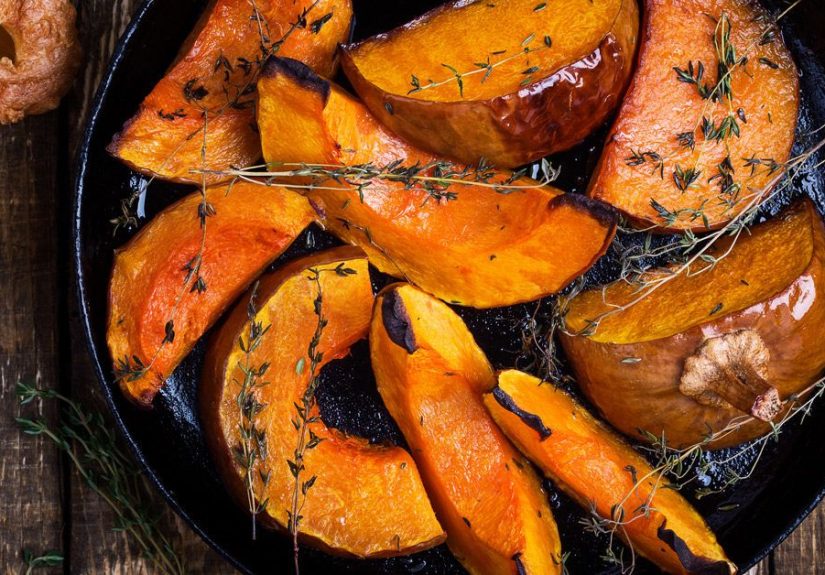
Roasting brings out sweetness and adds caramelized edges. It’s the method that makes people say, “Wait, I like vegetables?”
- Heat oven to 400°F.
- Toss cubes with olive oil, salt, pepper.
- Add flavor boosters: smoked paprika, cinnamon, rosemary, chili flakes, or garlic powder.
- Roast 25–35 minutes, flipping once, until tender with browned edges.
2) Soup (smooth, cozy, and suspiciously elegant)
Blend cooked squash with broth, sautéed onion/garlic, and your favorite add-ins. Want a restaurant vibe?
Add a splash of coconut milk, ginger, or a spoonful of tahini. It’s hard to mess up.
3) Mash or “squash potatoes”
Boil or steam until tender, then mash with salt, pepper, and a little butter or olive oil. You can also mix it half-and-half with potatoes for a lighter mash
that still feels indulgent.
4) Sheet-pan meals (one pan, zero complaints)
Roast cubed butternut squash alongside chicken thighs or chickpeas, Brussels sprouts, and red onion. Finish with lemon juice or a vinaigrette.
It’s a complete meal that looks like you tried harder than you did.
5) Stuffed squash halves (the “main character” presentation)
Halve lengthwise, scoop seeds, roast cut-side down until tender. Then fill with a mixture like:
- quinoa + cranberries + pecans + goat cheese, or
- black beans + corn + salsa + shredded cheese, or
- ground turkey + spinach + parmesan.
6) Puree for sauces, baking, and stealth nutrition
Cook until soft, blend smooth, and use puree to thicken soups, add creaminess to pasta sauce, or replace part of the oil/butter in muffins.
It’s not magicit’s just smart.
Creative Uses You’ll Actually Want to Repeat
- Salads: roasted cubes + arugula + feta + pumpkin seeds + balsamic glaze.
- Tacos: roast with cumin/chili powder; add slaw and a lime-yogurt sauce.
- Breakfast bowls: warm squash + cinnamon + Greek yogurt + granola.
- Risotto shortcut: stir puree into cooked rice with parmesan for creamy vibes.
- Mac and cheese upgrade: blend puree into the cheese sauce for color and extra fiber.
Can You Eat the Seeds?
Yesjust like pumpkin seeds, butternut squash seeds can be cleaned, dried, and roasted. They’re crunchy, snackable,
and a great “waste-not” move if you’re already scooping them out anyway.
Freezing and Food Safety (Important If You Meal Prep)
Butternut squash is very freezer-friendly. Roast cubes, cool completely, freeze on a tray, then store in freezer bags for easy scooping later.
Puree also freezes well for soups and baking.
If you’re into home canning: reputable food safety guidance generally recommends canning cubed winter squash (not pureed),
because safe processing times for dense purees aren’t well established. Freezing puree is the safer option for smooth textures.
Who Should Be Cautious?
For most people, butternut squash is a safe, nutritious choice. A few considerations:
- Potassium limits: if you have kidney disease or are on a potassium-restricted diet, talk with your clinician about portion sizes.
- Fiber sensitivity: if you’re not used to fiber, large servings may cause gas or bloatingstart smaller and build up.
- Skin irritation: if raw squash bothers your hands, wear gloves or buy pre-cut squash.
- Orange-tinted skin: very high intake of carotenoid-rich foods can cause harmless yellow-orange skin tinting; cutting back resolves it.
Frequently Asked Questions
Is butternut squash “good for weight loss”?
It can fit well into weight management because it’s relatively low-calorie for its volume and provides fiber, which supports fullness.
But outcomes depend on your overall diet pattern, portions, and what you pair it with (deep-fried anything has a way of changing the math).
Is it better than pumpkin?
They’re both nutritious, but some comparisons show butternut squash tends to be higher in fiber and vitamin A per cooked cup.
Pumpkin can be lower in carbs and has its own benefitsso the “best” choice is the one you’ll actually eat regularly.
What spices go best with butternut squash?
Sweet-friendly: cinnamon, nutmeg, ginger, cloves. Savory-friendly: smoked paprika, cumin, chili powder, rosemary, thyme, sage, garlic, black pepper.
You can take it in either direction depending on the dish.
Conclusion: The Takeaway
Butternut squash earns its popularity. It’s delicious, versatile, and legitimately nutrient-densebringing fiber, potassium, vitamin C, and a huge supply of
carotenoids that support vision, immune function, and overall health. Roast it, blend it, mash it, or sneak it into sauces.
However you use it, it’s one of those foods that makes “eating well” feel less like homework and more like comfort.
Real-World Experiences With Butternut Squash (The Part No One Warned You About)
People who start cooking with butternut squash often have the same three-stage journey:
(1) excitement, (2) mild intimidation, and (3) “why didn’t I do this sooner?”
Here’s what that looks like in real kitchensand how to make the experience smoother, tastier, and less likely to end with you bargaining with a dull knife.
Stage 1: The store optimism
At the grocery store, butternut squash seems innocent. It’s just sitting there, looking like a beige bowling pin that wants to become soup.
Many home cooks report they start with big plans“I’ll make a silky bisque!”and a vague sense of virtue.
The good news is that butternut squash really does reward effort: the flavor is naturally sweet, and the texture turns creamy with minimal help.
The even better news is that you don’t have to go full gourmet to enjoy it.
Stage 2: The cutting board reality check
The first time someone tries to peel and cube a whole squash, the most common review is: “Why is this thing built like armor?”
Totally fair. The peel is tough because winter squash is designed to store well.
A popular workaround people love: buy pre-cut when life is busy, or use a method that avoids peeling entirely.
For example, many cooks simply halve the squash lengthwise, scoop the seeds, roast it cut-side down, and then scoop out the soft flesh.
That approach feels like cheatingin the best way.
Stage 3: The “roasting aroma converts the whole household” moment
Once butternut squash hits a hot oven with a little oil and salt, it becomes the kitchen equivalent of a warm blanket.
People often notice the smell gets sweeter as it roasts, and the browned edges taste almost caramel-like.
This is also the moment picky eaters sometimes switch teams. Roasted cubes can be eaten straight, tossed into salads, or folded into grain bowls.
A very common “surprise favorite” is adding roasted squash to mac and cheesebecause it boosts creaminess and color without tasting like a health lecture.
Texture wins: why soups and sauces feel so satisfying
Another shared experience: the first time you blend butternut squash soup, it looks fancy enough for a restaurant menu.
People love how it thickens naturallyno flour, no complicated tricks. Just blend and season.
Home cooks often describe it as “creamy without being heavy,” especially if you use broth and finish with a small amount of yogurt, coconut milk, or olive oil.
It also reheats well, which makes it a go-to for meal prep. Many find that the flavor improves the next day as spices settle in.
Digestive “feedback” (a polite heads-up)
Because butternut squash is high in fiber, some people notice a digestive adjustment if they suddenly go from low-fiber meals to giant bowls of squash soup.
The most common solution is simple: start with moderate portions, drink water, and pair it with protein.
Over time, many people report they feel more satisfied after meals that include squashlikely because fiber and volume help with fullness.
Small rituals that make it easier to eat consistently
Regular squash eaters often develop a routine:
roast a big tray on Sunday, stash it in the fridge, and add it to meals all week. It ends up in salads, wraps, breakfast bowls, and quick side dishes.
Another common habit: keeping frozen cubed squash on hand for busy nights. It’s one of those shortcuts that still feels like real cooking
because it is. (You’re just delegating the chopping to someone who gets paid and probably owns industrial equipment.)
The “I didn’t know I liked vegetables” win
Perhaps the most consistent experience of all: butternut squash helps people enjoy healthier meals without feeling deprived.
It’s sweet enough to feel comforting, neutral enough to work in savory dishes, and versatile enough to prevent boredom.
If you’ve ever wanted one ingredient that can do soup, sides, sauces, and even bakingwithout tasting like punishmentthis is the one.
In other words: butternut squash is not just a nutrition powerhouse. It’s a practical, repeatable, real-life foodone that fits into busy schedules and picky palates.
And if your first attempt is messy? Congratulations. You’re officially a normal human who cooks.