Table of Contents >> Show >> Hide
- What Is a Redback Spider?
- How to Identify a Redback Spider
- Common Lookalikes (And Why Misidentification Happens)
- Where Redback and Widow-Type Spiders Tend to Hide
- How to Avoid Their Habitats (Without Turning Your Yard Into a Sterile Moon Base)
- What to Do If You Think You Were Bitten
- Quick “Redback vs Black Widow” Reality Check
- Final Thoughts
- Experience-Based Scenarios (Practical Lessons From Real-World Situations)
Spotting a spider with red markings can make anyone do the “surprise backpedal.” And honestly? Fair. If you’re trying to identify a redback spider, the good news is that there are a few reliable features you can learn without becoming an amateur arachnologist overnight. The even better news: most bites happen when people accidentally trap or press a spider, not because spiders are plotting an ambush in your garage.
In this guide, you’ll learn how to identify a redback spider, how to tell it apart from lookalikes, where widow-type spiders tend to hide, and practical ways to avoid their habitats around homes, sheds, yards, and work areas. We’ll also cover what to do if a bite happens, because panic is not first aid (even though it tries very hard to be).
What Is a Redback Spider?
The redback spider (Latrodectus hasselti) is a widow spider species closely related to the North American southern black widow. It’s best known for the female’s dark body and red markings. In many U.S. contexts, people use “redback” loosely to describe widow-like spiders with red markings, but a true redback is a specific species.
If you’re in the United States, it’s more likely that a red-marked spider near your home is a native widow species (such as a black widow) or a widow relative rather than a true redback. That’s why identification should focus on a combination of body shape, markings, web type, and habitatnot just “I saw something red and now I live in fear.”
How to Identify a Redback Spider
1) Start with the Female (She’s the One Most People Mean)
Adult female redbacks are the easiest to identify. The classic features include:
- A glossy dark (usually black) body with a rounded, bulbous abdomen
- A red stripe on the top (dorsal side) of the abdomen, sometimes broken
- A red hourglass-like marking on the underside (ventral side) of the abdomen
- Body length around 10 mm (roughly pea-sized body, not including legs)
That top red stripe is a key clue. It’s one of the easiest ways to separate a true redback from some North American widow spiders, which often have the famous underside hourglass but may not have the same clear dorsal red stripe as adults.
2) Don’t Use “Black + Red” as Your Only Test
Widow spiders are variable. Even black widows in North America can have hourglass markings that look broken, faded, spot-like, or slightly orange instead of bright red. Some immature widows also show red, orange, yellow, and white markings on the upper abdomen. Translation: color alone can be misleading.
This is where many people go wrong: they see a juvenile widow with a stripe and immediately declare it a redback. In fact, immature widow spiders in the U.S. can look dramatically different from adult females and are frequently misidentified.
3) Check the Size and Shape Difference Between Sexes
Male redbacks are much smaller than females and look less dramatic. They’re typically lighter brown with a less distinct dorsal red stripe, paler underside markings, and retained white markings on the abdomen. If you’re expecting every redback to look like the glossy black “poster spider,” males and juveniles can fool you.
A practical rule: if it’s tiny, patterned, and widow-shaped, treat it as a potential widow-type spider and avoid handling it until you can identify it safely.
4) Look at the Web (Messy Is a Clue)
Redbacks and widow spiders don’t make neat orb webs. They build irregular, tangled cobwebs that look disorganized and “messy” compared with the symmetrical webs you see in gardens. Redbacks also use strong silk and often stay positioned in a sheltered part of the web system.
If you find a shiny, widow-shaped spider in or near a messy cobweb in a protected corner, your identification confidence should go up. If you find one in a beautiful circular web at eye level, you’re probably looking at something else entirely.
5) Pay Attention to Behavior
Redbacks are shy, mostly nocturnal, and generally stay hidden during the day in sheltered locations. Like many widow spiders, they are more likely to bite when they are trapped, touched, or pressed against skin than when left alone. They are not aggressive hunters of humans. (You are not on their dinner menu. You are just being very noisy near the garage shelf.)
Common Lookalikes (And Why Misidentification Happens)
The biggest source of confusion is not “redback vs harmless random spider.” It’s usually:
- Immature widow spiders: often patterned, striped, and more colorful than adults
- Male widow spiders: smaller and lighter, with less obvious markings
- False widows (Steatoda species): widow-like body shape but different coloration and milder medical significance
- Brown widows: also widow spiders, variable color, and sometimes confused with immature black widows
One especially useful tip: identifying a spider by the egg sac (when visible) can sometimes be more reliable than relying on body color alone. Widow species can have distinct egg sac shapes and textures.
Where Redback and Widow-Type Spiders Tend to Hide
Whether you’re looking for a true redback or trying to avoid widow-type spiders in general, the habitat patterns are very similar: they favor dark, sheltered, undisturbed places with access to prey (insects).
Outdoor Hiding Spots
- Woodpiles and brush piles
- Under rocks, logs, and stones
- Sheds, garages, and outbuildings
- Under outdoor furniture (especially undersides and hidden corners)
- Fence lines, eaves, vents, meter boxes, and rain spouts
- Piles of rubble, stacked materials, and garden clutter
- Low shrubs and protected cavities near structures
Indoor or Structure-Adjacent Hiding Spots
- Basements and crawl spaces
- Dark storage corners and rarely disturbed shelves
- Behind boxes, bins, and stored lumber
- Inside gloves, boots, and unused clothing
- Under appliances, cabinets, or tucked-away fixtures (for some widow relatives)
The pattern is simple: if it’s a quiet spot with clutter and insects, widow-type spiders may consider it premium real estate. You see a “storage area.” They see a gated community.
How to Avoid Their Habitats (Without Turning Your Yard Into a Sterile Moon Base)
1) Inspect Before You Reach
Never reach blindly into woodpiles, flower pots, storage bins, crawl spaces, or garage corners. Use a flashlight first. This one habit prevents a surprising number of accidental bites.
2) Shake Out Gloves, Boots, and Clothing
Before gardening, doing yard work, or putting on stored shoes and gloves, shake them out. This is one of the simplest and most effective prevention steps recommended by poison control and workplace safety guidance.
3) Wear Protective Clothing for High-Risk Tasks
If you’re handling stacked wood, rocks, boxes, or cleaning out an old shed, wear gloves, long sleeves, long pants, and boots. A hat is also smart if you’re working under decks, porches, or cluttered overhead areas.
4) Reduce Clutter and Debris
Spiders love cover. Reducing piles of lumber, rubble, unused pots, cardboard, and random “I’ll deal with this later” items removes hiding spots. Regular sweeping and vacuuming of neglected corners also helps break up web-building sites.
5) Seal Entry Points
Seal cracks, crevices, and gaps around doors, windows, vents, and foundations. This is especially helpful around garages, crawl spaces, and storage areas. Less access = fewer surprise tenants.
6) Manage the Yard Around Structures
Trim vegetation away from walls, remove brush piles, and keep storage off the ground when possible. Outdoor widow habitats often form where clutter meets shelter.
7) Check at Night If You’re Monitoring a Problem Area
Widow spiders tend to be more visible in webs at night. If you suspect activity around a shed, fence corner, or foundation edge, a careful nighttime inspection with a flashlight can confirm where webs are located. Do not handle spiders directly.
8) Use Safer Removal Methods
If you find widow-type spiders near a home, vacuuming webs and spiders (with care when emptying the vacuum), removing egg sacs safely, and addressing clutter/habitat conditions are often more effective long-term than spraying everything in sight and hoping for the best. For larger infestations or repeated sightings, use a licensed pest management professional.
What to Do If You Think You Were Bitten
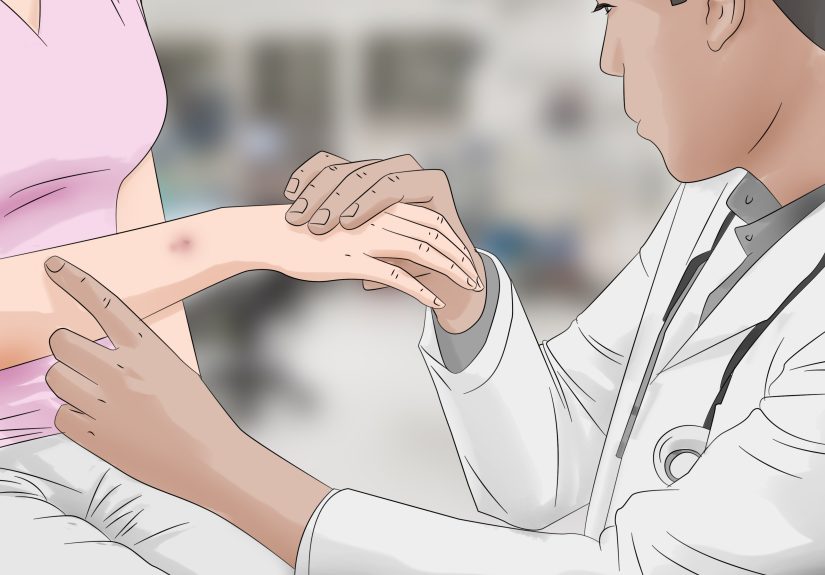
First: stay calm. Not every painful bite is a widow bite, and healthcare providers usually cannot identify a spider just from the bite mark alone. Diagnosis is based on symptoms and the situation, not detective-level fang forensics.
Basic First Aid (Do This Promptly)
- Wash the bite area with soap and water.
- Apply a cool cloth or wrapped ice pack to reduce pain and swelling.
- Elevate the affected area if possible.
- Do not try to suck out venom or cut the wound.
- Seek medical care and call Poison Control (U.S.: 1-800-222-1222).
Symptoms from widow envenomation can include severe pain, muscle cramps or rigidity, sweating, nausea, vomiting, restlessness, and pain that spreads away from the bite site. Severe cases may require hospital treatment, and antivenom is sometimes used for serious symptoms.
Children, older adults, and people with significant health conditions may be at higher risk for complications. If symptoms are severe or worsening, get urgent medical care immediately.
Quick “Redback vs Black Widow” Reality Check
If your goal is safety, you do not need perfect species-level identification before taking precautions. Treat any widow-like spider with a bulbous abdomen, red/orange markings, and an irregular cobweb in a sheltered location as a potential medically significant spider.
If your goal is accurate identification, use a combination of:
- Dorsal stripe presence (especially in adult females)
- Underside hourglass-like marking
- Body shape and glossiness
- Web type (irregular/tangled cobweb)
- Habitat (dark, sheltered, undisturbed areas)
- Life stage (adult female vs male vs immature)
Final Thoughts
Learning how to identify a redback spider (and avoid their habitats) is mostly about pattern recognition, not panic. Focus on the big clues: widow-shaped body, red markings, messy cobweb, and sheltered hiding spots. Then make your space less attractive to them: reduce clutter, inspect before reaching, wear gloves, and shake out stored gear.
In other words, you do not need to become “Spider Commander.” You just need better habits than the spider expects.
Experience-Based Scenarios (Practical Lessons From Real-World Situations)
The following examples are composite, experience-based scenarios built from common patterns reported in pest control, extension guidance, and poison education. They’re included to help you apply the identification and prevention tips in everyday life.
Scenario 1: The “Garage Gardening Gloves” Surprise
A homeowner stores gardening gloves, hand tools, and empty flower pots on a shelf in a detached garage all winter. In spring, they grab the gloves, slide one on, and feel a quick prick on a finger. They pull the glove off immediately and see a small dark spider drop to the floor near a messy web behind stacked pots.
What helped here was not panic, but observation: the person noticed the irregular cobweb, the protected storage corner, and the fact that the spider was hiding among undisturbed items. Even without confirming the exact species on the spot, they treated it as a widow-type spider risk, washed the area, applied a cold pack, and called Poison Control when pain started to increase.
The lesson: gloves and boots stored in garages, sheds, or basements should always be shaken out before use. This single habit is low effort and high reward. It also helps to store gloves in sealed bins instead of open shelves.
Scenario 2: The “Patio Furniture Underside” Web Colony
Another common situation happens in warm months when patio furniture sits outside for long periods. A family notices messy webs under plastic chairs and around the underside bracing of a side table. At first they assume it’s “just normal spiders,” but one evening they spot a widow-shaped spider hanging low in a tangle web.
They avoid touching the area, inspect with a flashlight after dark, and realize there are several webs in sheltered corners near stored cushions and a stack of empty planters. Instead of spraying randomly, they remove clutter, vacuum accessible webs, relocate stored items into sealed containers, and keep the area cleaner and less sheltered. They also start checking chair undersides before carrying furniture.
The lesson: widow-type spiders often choose protected “nooks and crannies,” especially around outdoor furniture, fences, and nearby clutter. Habitat reduction works best when paired with inspection. Think of it as evicting the neighborhood, not just one tenant.
Scenario 3: The “I Thought the Bite Mark Would Tell Me” Mistake
A person doing yard cleanup develops severe muscle cramping and spreading pain after feeling a sharp prick on the ankle near stacked wood. They spend an hour searching online for pictures of bite marks, trying to decide whether it “looks like a widow bite.” Meanwhile, symptoms keep escalating.
In the emergency setting, clinicians explain what many people don’t realize: you usually can’t identify the spider species from the bite mark alone. Diagnosis depends more on symptoms, timing, and exposure history. The person receives treatment for pain and muscle spasms and improves.
The lesson: if symptoms are severe (especially muscle cramping, sweating, nausea, or pain spreading away from the bite), skip the bite-mark detective work and get medical help. Spider identification can support treatment, but symptom severity should drive urgency.
Across all three scenarios, the winning strategy is the same: inspect first, protect your hands, reduce clutter, and respect hidden spaces. Spiders do best where humans stop paying attention. A little routine awareness dramatically lowers the odds of a bad surprise.