Table of Contents >> Show >> Hide
- What Is “Parm e Pepe” Spaghetti?
- Ingredients
- Why This Dish Works (A Tiny, Tasty Science Lesson)
- Step-by-Step Parm e Pepe Spaghetti
- Troubleshooting (Because Cheese Has Opinions)
- Variations (Choose Your Adventure)
- What to Serve With Parm e Pepe
- FAQ
- Kitchen Experiences: The Real-Life Joy (and Drama) of Parm e Pepe
- Conclusion
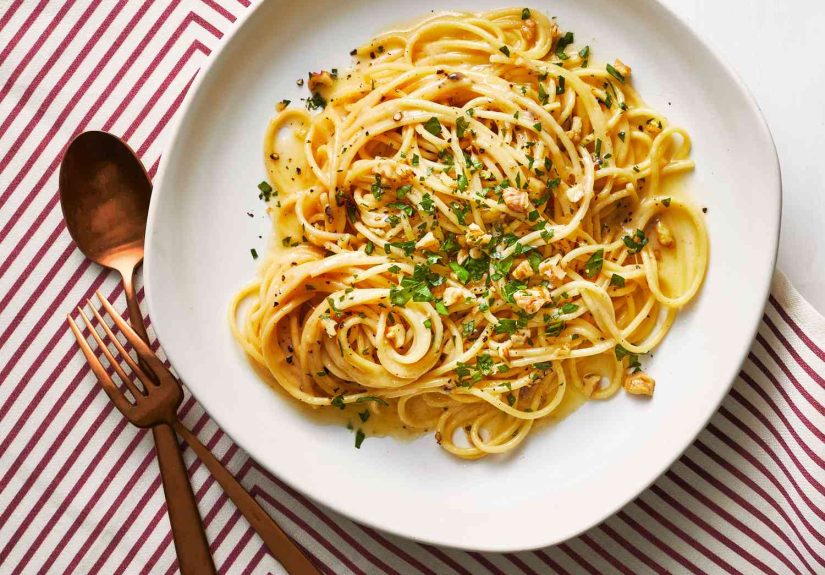
If you love pasta that tastes like a warm hug from an Italian grandma and a mischievous black peppercorn, you’re in the right kitchen. “Parm e Pepe” is the Parmesan-forward cousin of Rome’s iconic cacio e pepesame minimalist ingredient energy, slightly different cheese vibe. You get glossy, creamy spaghetti coated in a sauce that looks like you definitely know what you’re doing (even if five minutes ago you were Googling “why is my cheese turning into tiny sadness pebbles?”).
This recipe is built for real life: standard American grocery-store Parmesan (with a strong preference for the good stuff), one pan, and a method that keeps the sauce silky instead of clumpy. Along the way, we’ll cover the “why” behind the magicbecause once you understand the science, you can freestyle like a pasta wizard.
What Is “Parm e Pepe” Spaghetti?
Traditional cacio e pepe translates to “cheese and pepper,” usually made with Pecorino Romano (a sharp sheep’s milk cheese), black pepper, pasta, and starchy pasta water. “Parm e Pepe” leans on Parmigiano-Reggiano or Parmesan-style cheese for a nuttier, rounder flavor and a melt that many home cooks find a little more forgiving.
Is it “authentic”? It’s authentic to your dinner table, and your dinner table is the one paying the rent. The goal is the same: an emulsified sauce created by cheese + starch + agitation. No jarred sauce, no heavy cream requiredjust smart timing and good technique.
Ingredients
Makes: 2 generous servings (or 1 serving + “I deserve seconds”)
- 8 ounces spaghetti (or bucatini, linguine, tonnarelli if you can find it)
- 1 to 1 1/4 cups finely grated Parmigiano-Reggiano (about 3.5 to 4.5 ounces by weight)
- 1 1/2 to 2 teaspoons freshly cracked black pepper (more to taste)
- Kosher salt (for the pasta water)
- Optional (but helpful): 1 teaspoon unsalted butter or 1 teaspoon olive oil (tiny training wheelsuse if you want extra insurance)
Ingredient Notes That Actually Matter
- Grate your own cheese. Pre-grated “Parmesan” often contains anti-caking agents that interfere with smooth melting. Use a Microplane or the small holes on a box grater for a fluffy, snow-like pile.
- Fresh pepper is non-negotiable. Pre-ground pepper tastes like dust from a forgotten spice rack. Crack it fresh; toast it briefly for extra aroma.
- Use less water than usual to boil pasta. More concentrated starch = easier emulsification later.
Why This Dish Works (A Tiny, Tasty Science Lesson)
The “sauce” here isn’t creamit’s an emulsion. When you toss hot pasta with cheese and starchy pasta water, the starch helps bind water and fat together. If the mixture is too hot, cheese proteins tighten up and clump; if it’s too cool or too dry, the cheese won’t melt smoothly; if there’s not enough starch, the sauce can break or go grainy. The sweet spot is warm, steamy (not boiling), and actively tossed so everything becomes glossy.
Step-by-Step Parm e Pepe Spaghetti
1) Start the pasta water (with a starch strategy)
- Bring a medium pot of water to a boil. Use less water than you normally wouldjust enough to submerge the spaghetti once it softens. Less water means starch concentrates faster.
- Salt the water until it tastes pleasantly like the seanot like a salt lick. (If you under-salt here, you’ll chase flavor later.)
2) Toast the pepper
- While the water heats, add the freshly cracked black pepper to a large skillet over medium heat.
- Toast for 30–60 seconds, shaking the pan, until fragrant. You’re waking up the pepper’s aromatic oils, not burning it into bitterness.
- Add 1 teaspoon butter or olive oil (optional) and swirl. Then turn the heat down to low and wait for the pasta.
3) Make a “cheese paste” (your anti-clump shield)
This is the move that saves weeknight sanity. Instead of dumping cheese directly into a screaming-hot pan, you’ll pre-hydrate it with warm starchy water.
- Put the grated Parmesan in a heatproof bowl.
- When the pasta water is boiling and the pasta has been cooking for a minute or two, ladle 2–3 tablespoons of the starchy water into the cheese bowl.
- Stir vigorously until you get a thick, creamy paste. Add another tablespoon of water if it’s too stiff. It should look like loose frosting (the savory kind you want to eat with a spoon).
4) Cook pasta until just shy of al dente
- Add spaghetti to the boiling salted water.
- Cook it 1 minute less than the package says for al dente.
- Reserve at least 1 1/2 cups pasta water. This is your sauce dial: tighten, loosen, fix, and finish.
5) Bloom pepper with pasta water
- Add 1/2 cup reserved hot pasta water to the skillet with pepper.
- Stir and simmer over low heat for 30 seconds. The skillet will smell amazing. That’s the pepper “opening up.”
6) Toss, cool slightly, then emulsify
- Transfer the spaghetti directly to the skillet (tongs are great). Add a splash more pasta water if the pan looks dry.
- Toss over low heat for 30–60 seconds until the pasta is coated and finishes cooking.
- Turn off the heat. Wait 30–60 seconds. This tiny pause helps keep the cheese from seizing.
- Add the cheese paste in 2–3 additions, tossing constantly. Add pasta water a tablespoon at a time until the sauce turns glossy and coats the noodles.
- Taste and adjust: more pepper for bite, more cheese for intensity, more water for silkiness.
7) Serve immediately
Plate it while it’s glossy. Top with a little extra Parmesan and a few more cracks of pepper. Eat while it’s hotthis pasta waits for no one.
Troubleshooting (Because Cheese Has Opinions)
My sauce clumped. What happened?
- Too hot: The pan was scorching when the cheese went in. Fix it by removing from heat, adding a splash of cooler pasta water, and tossing hard.
- Cheese too coarse: Big shreds melt unevenly. Use a Microplane next time.
- Pre-grated cheese: Anti-caking agents can cause graininess or refusal to melt. Freshly grated is best.
- Not enough liquid: Cheese needs warm liquid to disperse. Add pasta water in small splashes while tossing.
My sauce is watery.
- Keep tossing off heatsometimes it tightens as starch does its job.
- Add more cheese in small handfuls, tossing between each addition.
- Next time, use less boiling water so the pasta water is starchier.
It tastes flat.
- Salt the pasta water properly. This dish has few ingredients, so every one must pull its weight.
- Use fresher pepper and toast it briefly.
- Upgrade the cheese: a real Parmigiano-Reggiano wedge adds depth instantly.
Variations (Choose Your Adventure)
Classic-leaning blend
Swap in 1/3 Pecorino Romano and 2/3 Parmesan. You’ll get the peppery Roman punch with a smoother, nuttier finish.
Lemon-pepper glow-up
Add 1/2 teaspoon lemon zest at the end. It brightens the cheese and makes the pepper taste even more floral.
Extra-creamy “science hack” (optional)
If you want ultra-reliable silkiness, whisk a tiny cornstarch slurry (a small pinch of cornstarch mixed with cold water, then gently warmed) into the cheese mixture before tossing. It stabilizes the emulsion. Purists may sigh; your fork will not.
What to Serve With Parm e Pepe
- Simple arugula salad with lemon and olive oil (pepper + greens = best friends)
- Roasted broccoli or broccolini with a little garlic
- Wine: crisp white (Pinot Grigio, Sauvignon Blanc) or a light red (Chianti, Pinot Noir)
FAQ
Can I use the green-can Parmesan?
You can, but it won’t melt the same and can taste sharp in a one-note way. If that’s what you have, make the cheese paste with extra pasta water, keep the heat off, and accept that the texture may be less silky. If you can swing it, a wedge of Parmesan-style cheese is the easiest upgrade.
Do I need butter or oil?
Not strictly. Starch + cheese + tossing can do the job. A teaspoon of butter or oil can add insurance and sheen, especially if you’re learning. The dish will still taste like Parm and pepper either wayjust a touch richer with fat.
Can I reheat leftovers?
This pasta is best fresh. If you must reheat, do it gently in a skillet with a splash of water, tossing constantly. Microwave reheating can turn the sauce grainy or separated because of uneven heat.
Kitchen Experiences: The Real-Life Joy (and Drama) of Parm e Pepe
There’s a certain kind of confidence you get from cooking a dish with only a handful of ingredients. It’s the culinary equivalent of wearing a plain white T-shirt: simple, timeless, andif you spill coffee on itsuddenly a high-stakes situation. Parm e Pepe spaghetti is like that. The first time many people try it, they expect “easy.” The ingredient list looks like it was written by someone who ran out of ink: pasta, cheese, pepper, water. How hard can it be? Then the cheese clumps, the pepper floats, and you learn an important truth: minimalism is not the same thing as effortlessness.
But that learning curve is part of the fun. You start noticing tiny details you never cared about beforelike how pepper smells different when it’s toasted, or how pasta water changes from “just hot water” to “liquid gold.” You begin to recognize the moment the sauce turns from “wet noodles” to “glossy, restaurant-looking pasta” and you feel like you’ve unlocked a secret level in a video game. It’s a small win, but it’s a satisfying oneespecially on nights when you want comfort food without a sink full of dishes.
Parm e Pepe also has a social life. It’s the kind of meal that fits into real kitchens and real schedules: a quick dinner after work, a late-night “we’re hungry and the fridge is empty” solution, or a cozy weekend lunch that feels fancier than it is. If you’ve ever cooked with friends in a slightly chaotic kitchen, you can picture it: one person cracks pepper like they’re starring in a cooking show, another is grating cheese into a mountain, and someone else is hovering near the pot asking, “Is it al dente yet?” The dish invites participation because it’s simple enough to explain, but dramatic enough to make everyone pay attention at the crucial moment: when the heat goes off and the cheese goes in.
And then there’s the “save” moment. Even when the sauce goes sideways, Parm e Pepe teaches you how to recoveradd a splash of pasta water, toss off heat, keep moving. That recovery skill transfers to other dishes, too. Once you’ve learned not to panic when cheese looks suspicious, you’re more confident making mac and cheese, Alfredo-ish sauces, even eggy emulsions like carbonara. Parm e Pepe is secretly a technique class disguised as dinner.
Finally, the best experience is the simplest: the first bite when everything clicks. The noodles are coated, the pepper tastes warm and floral, and the Parmesan brings a savory, nutty depth that feels way bigger than the ingredient list. You’ll probably take another bite immediately, not because you’re starving, but because your brain is trying to confirm that yesthis really happened in your kitchen. And if someone at the table says, “Wait… that’s it? That’s all you used?” you get to smile like a magician and say, “Yep. Pasta water did the heavy lifting.”
Conclusion
Parm e Pepe spaghetti is proof that “simple” can still be deeply satisfyingif you treat the technique with a little respect. Grate your cheese fresh, toast your pepper, reserve your pasta water like it’s a family heirloom, andmost importantlykeep the heat gentle when the cheese joins the party. Once you nail the glossy emulsion, you’ll have a fast, pantry-friendly meal that tastes like you ordered it from your favorite cozy Italian spot.